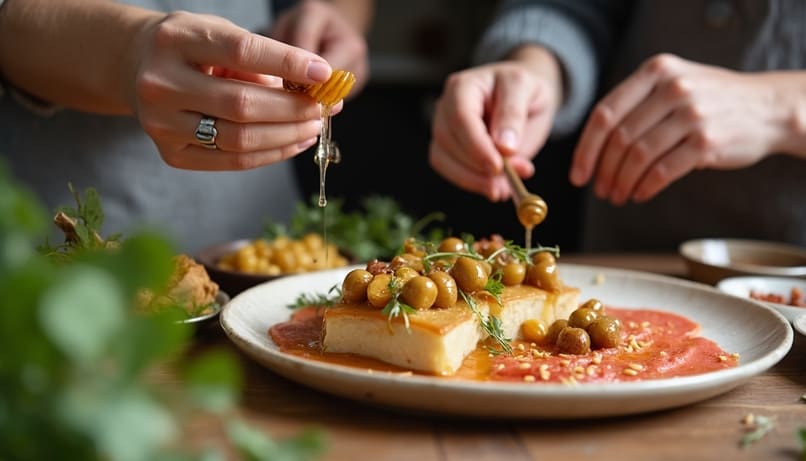
Honey and the olives are two ancient foods. Although very different, they share a fascinating common point: they are both naturally fermented foods.. In this article, we will explore fermentation and the particularities of honey and olives, thus offering a new perspective on these familiar ingredients.
By reading this article, you will discover:
The natural fermentation processes of the honey and olives ;
The characteristics of these two foods ;
How to incorporate honey and olives into your diet ;
Surprising information about these ancient foods.
Natural fermentation: an ancient process
Fermentation Fermentation is an ancient process that has allowed civilizations to preserve food while developing its flavors. This process involves the action of microorganisms, such as bacteria and yeasts, which transform the natural sugars in foods into acids, gases, or alcohol. These transformations extend the shelf life and change the taste of the food.
In the case of honey and olives, fermentation take distinct but equally fascinating paths. Honey, although it does not ferment in the traditional sense, undergoes a maturation process where natural enzymes play a crucial role. Olives, on the other hand, undergo a true transformation thanks to the Lactic fermentation, an essential process to eliminate their natural bitterness and develop complex and pleasant flavors. Understanding these mechanisms allows you to appreciate these foods in a new light and wisely incorporate them into your living diet.
The fermentation of honey: a unique phenomenon
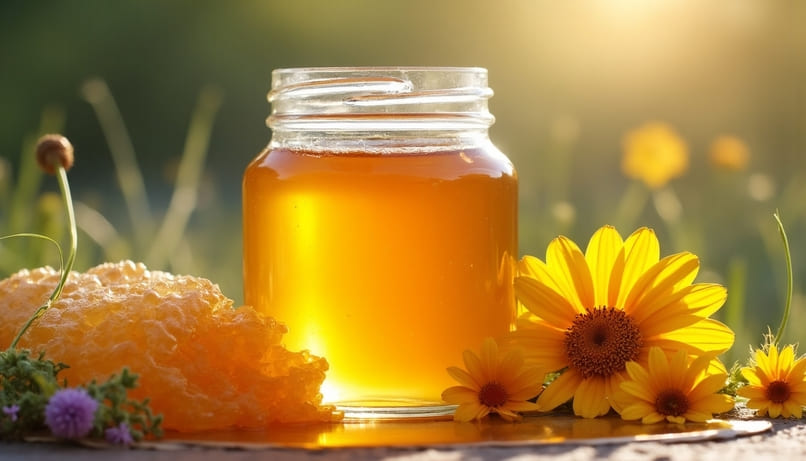
The maturation process of the honey is fascinating and deserves special attention. Unlike foods that ferment traditionally, honey undergoes an enzymatic transformation that gives it unique properties. During the production of honey, Bees collect nectar from flowers and transform it into honey in their hives. This process involves the action of natural enzymes present in the bees' saliva, notably invertase, which breaks down complex sugars into simple sugars, giving honey its distinct sweet flavor.
An interesting aspect of this maturation is the formation of hydrogen peroxide, which contributes to the long preservation of honey.
Due to its low water content and natural acidity, honey keeps for a very long time.
By incorporating raw honey into your living food, you add a sweet touch to your raw recipes. You can check out our category on our store for Honeys direct from Andalusia and discover how this exceptional product can enhance your dishes.
The fermentation of olives: from bitterness to flavor
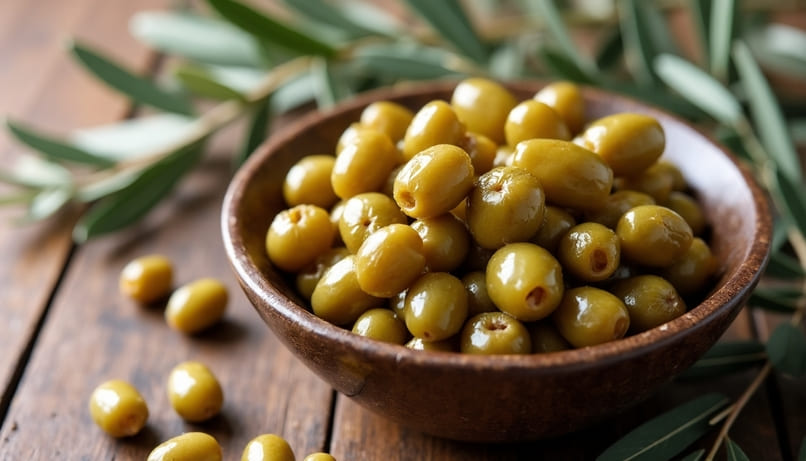
The transformation of olives thanks to fermentation is a captivating process that transforms a naturally bitter fruit into a treat rich in flavors. Everything begins with the harvesting of olives, which are then immersed in a brine, a solution of water and salt. This salt bath plays a crucial role, initiating the lactic fermentation process. During this process, the lactic bacteria naturally present on the olives multiply and transform the bitter compounds, such as oleuropein, in lactate, thus softening the taste of the olives and developing more complex flavors.
The fermentation steps can vary in duration and technique, greatly influencing the final taste. In general, the Fermentation can last from a few weeks to several months. Some traditional methods, such as those used in Mediterranean regions, include the use of wooden or ceramic fermenters that add an extra dimension of flavor.
This process removes the bitterness from olives.
Understanding the fermentation of olives allows for a better appreciation of an artisanal tradition. By incorporating these little wonders into yourliving food, you enjoy an explosion of flavors.
How to incorporate fermented honey into your diet
Here are some ideas for using raw honey in your recipes without cooking:
Fermented olives, true treasures of Mediterranean cuisine, are much more than just a delicacy. The process of natural fermentation softens the bitterness of olives. By incorporating fermented olives into your diet, you enjoy deep and complex flavors.
Lactic bacteria
During the fermentation process, lactic bacteria present on the olives produce lactic acid.
Green and black olives
Fermented olives, whether green or black, are much more than just a pleasurable food. Green olives have a more intense and bitter flavor, black olives are sweeter. By incorporating them into your dishes, you enjoy an authentic and traditionally prepared product.
How to incorporate honey and olives into your raw food diet
The integration of honey and olives into a raw food diet offers a delicious way to enjoy them. These foods, valued for their taste, can easily be incorporated into your daily routine without the need for cooking. Discover here how you can use them to enhance your dishes while adhering to the principles of theraw food.
Honey, a natural and living sweetener
The raw honey is a treasure of nature, offering much more than just a sweet note to your preparations. It is the perfect touch for those looking to incorporate natural and living sweeteners into their raw diet. Add a tablespoon of honey to your Smoothies to bring natural sweetness. Imagine a smooth blend of fresh fruits, green vegetables, and a generous spoonful of raw honey, creating a delicious drink.
For your raw desserts, raw honey proves to be a valuable ally. Whether it's nut-based pies or creamy desserts, a touch of honey adds sweetness and complexity without compromising your commitment to a wholesome diet.
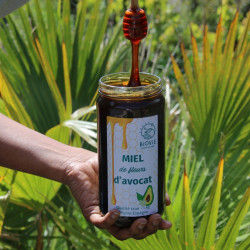
By exploring different varieties of honey, you can diversify your recipes depending on the floral origin of the chosen honey. On our store, we offer you orange blossom honey from Andalusia as well as from the avocado flower honey. Let yourself be inspired by the richness of this natural product and incorporate it without hesitation into your daily diet for an exceptional taste experience.
Olives, a versatile fermented condiment
Fermented olives lend themselves to countless culinary uses, adding a note of complexity and richness to your raw dishes. Thanks to their savory profile, they transform a simple salad into a Mediterranean experience. Incorporate fermented olives into your Raw salads is a simple and effective way to enjoy their unique taste. They pair wonderfully with fresh ingredients such as tomatoes, cucumbers, and aromatic herbs, enhancing the flavors of the dish.
Beyond salads, fermented olives can also be used in the preparation of raw vegetable pâtés. By finely chopping them and mixing them with nuts or seeds, you will create a tasty paste that can be served as a spread or a side dish. These pâtés are perfect for topping lettuce leaves or vegetable slices, offering a healthy and delicious snack that adheres to the principles of a raw food diet.
Incorporating fermented olives into your diet allows you to enjoy delicious dishes. By exploring these various applications, you will discover how easy and enjoyable it is to integrate these fermented foods into your daily regimen.
Conclusion
By incorporating fermented honey and olives into your raw diet, you enjoy their flavors. Raw honey provides a naturally sweet and complex touch to your preparations. On the other hand, fermented olives add flavor and depth to your dishes.
These fermented foods perfectly illustrate how culinary tradition and nutritional science can come together to create delicious products. We strongly encourage you to explore these natural treasures and incorporate them into your dietary routine. To continue discovering tips on raw food and stay informed about the latest trends in natural fermented products, feel free to subscribe to our newsletter. It's an opportunity to join a community passionate about healthy and sustainable eating.
Biovie offers two raw honeys from Andalusia, unprocessed, unpasteurised and unfiltered: avocado honey, thick and caramelised, awarded at the 2022 National Congress of Spanish Beekeepers, and orange blossom honey, lighter and floral. Sourced from fields farmed organically but not certified (honey certification requires a foraging radius of several kilometres, which is hard to guarantee in practice), they keep their original texture and aromas, with no heating that would alter their qualities. Avocado honey pairs well with muesli and pastries; orange blossom honey naturally sweetens infusions and desserts. A handcrafted olive wood spoon completes the range, so you can serve it without losing a drop., 3
products
Lactic fermentation reduces the natural bitterness of olives and develops their flavors.
How is honey considered a fermented food?
Although honey does not ferment in the same way as traditional foods, it undergoes enzymatic maturation. The natural enzymes present in honey transform complex sugars into simple sugars. This maturation process contributes to the long shelf life of honey.
How should raw honey be used in cooking?
Fermented honey can be used as a natural sweetener in many raw recipes. Add it to your smoothies for a sweet touch, or incorporate it into raw desserts like nut-based pies and creams. This enriches your dishes with unique flavors.
Which bacteria are involved in the fermentation of olives?
Fermented olives contain lactic acid bacteria, which develop during lactic fermentation.
How to use raw honey?
Raw honey is used as a sweetener in raw smoothies and desserts.
How can fermented olives be used in a raw food diet?
Fermented olives can be added to salads for a Mediterranean flavor or used in raw vegetable pâtés to add texture and taste. They bring a savory and complex dimension to your dishes.