




Do you feel bloated, tired, with that unpleasant sensation of having a clogged intestine? You have probably heard of two radically different approaches: thecolon hydrotherapy (also called colon irrigation) practiced in the office, and gentle methods of intestinal detox at home. But how do you choose between these two seemingly opposite worlds ?
Honestly, the question deserves better than a dogmatic debate between "pro-medical" and "pro-natural." What matters is understanding what each method of colon cleansing actually propose, its advantages, its limitations, and especially what corresponds to your personal situation. Because there is no universal miracle solution - there is the one that suits you.
In this article, we will explore these two approaches of intestinal cleansingNatural with objectivity, supported by scientific data, so that you can make an informed and calm decision. Without activism, without judgment, just clear and honest information.
What is colon hydrotherapy? (definition & protocol)
Thecolon hydrotherapy, also called Colonic irrigation, is a practice that involves introducing water into the colon via the anus to "cleanse" the large intestine. It is not a medical procedure in the strict sense - in fact, the National Council of the Order of Doctors clearly states: "Colon hydrotherapy is not a medical procedure and is not taught in medical school."
Principle and procedure of a colon irrigation session
Concretely, here is how a typical session unfolds ofColonic irrigation :
You go to a specialized clinic run by a practitioner trained in this technique. You lie down on a table designed for this purpose, and the practitioner inserts a rectal cannula (a small tube) connected to a machine. This machine will gradually inject warm water - between 3 and 4 liters in total - in your colon, through cycles of filling and emptying.
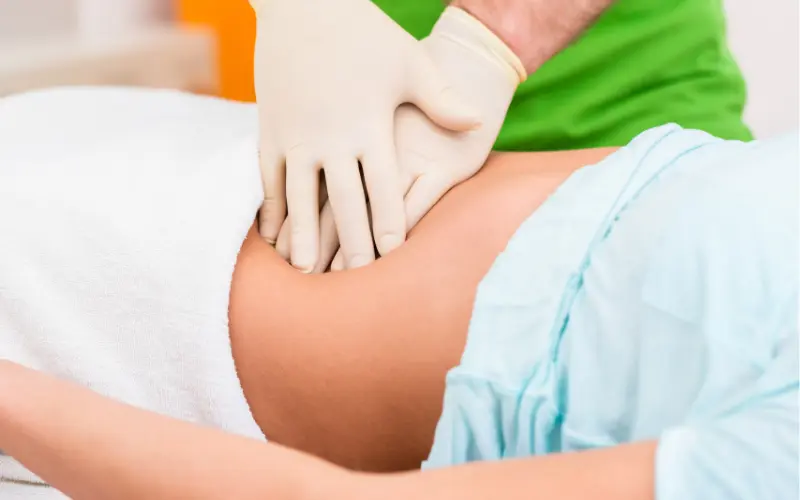
The session generally lasts between 1h and 1h15. Water circulates throughout the colon (which measures about 1.5 meters unfolded), with the aim of evacuating accumulated materials and waste. The practitioner may massage your abdomen to promote the detachment of materials.
Frankly, it's not the most comfortable experience in the world, it's not a mojito on the beach in Thailand, I assure you. Some people report abdominal discomfort, cramps, and sometimes even a quite pronounced feeling of discomfort during the session. Others, on the contrary, describe an immediate feeling of relief.
Difference between enema and colonic irrigation
Be careful not to confuse: the classic enema (to be done yourself with an enema bulb) only reaches the rectum and the lower part of the colon, with a maximum of 0.5 to 1 liter of water. Thecolon irrigation, it targets the entire large intestine with a significantly larger volume of water and a professional machine. It is not at all the same scale of intervention.
Prices and accessibility of colon hydrotherapy in France
The sessions ofcolon hydrotherapy cost between 90 to 120 euros per session in France. And generally, 2 to 3 sessions are recommended to achieve results, which can quickly amount to between 180 and 360 euros. Add to that the travel time, making appointments, and the need to find a trusted practitioner near you.
Colon hydrotherapy: What science (and doctors) say
Let's speak frankly about what the medical and scientific community says about this practice of colon cleansing.
Colon hydrotherapy: medical opinion and the position of the Medical Council
The National Council of the Order of Doctors is clear on the subject: it does not recognize thecolon hydrotherapy as a medical act, and warns against its practice without specific medical indication. This official position reflects the lack of rigorous scientific studies demonstrating its therapeutic effectiveness.
Claimed benefits vs scientific evidence
The practitioners of theColonic irrigation claim numerous benefits: improved digestion, reduction of bloating, renewed energy, improved skin, weight loss... But here is the problem: no conclusive scientific study confirms these effects in a systematic and reproducible manner.
It's not that positive testimonials don't exist - there are many. It's that the placebo effect can be very powerful, especially when one invests time, money, and hope into an approach. And scientifically, we cannot rely solely on testimonials to validate a practice.
Colon hydrotherapy dangers: documented risks and contraindications
And this is where it becomes more concerning. The Foundation for Medical Research and several medical publications have documented cases, albeit rare but real, of serious complications related to risks of colonic irrigation :
- Intestinal perforations : the introduction of pressurized water can cause damage to the intestinal wall
- Infections : if the equipment is not perfectly sterilized, there is a risk of bacterial infections
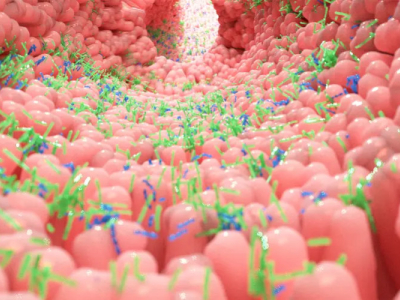
- Imbalance of the microbiota: massive irrigation can disrupt the delicate balance of the billions of bacteria that inhabit our colon (between 10 billion and 10 trillion bacteria per milliliter in the colon!)
- Electrolyte imbalances : the absorption of water can alter the balance of minerals in the body
The contraindications to colon hydrotherapy are numerous: pregnancy, , breastfeeding, inflammatory bowel diseases (such as Crohn's disease or ulcerative colitis), hemorrhoids, anal fissures, intestinal tumors, heart problems, severe hypertension...
Colon hydrotherapy: reviews from those who have tried it
The feedback is mixed. Some people report immediate relief, a feeling of lightness, and improved digestion. Others describe an uncomfortable or even painful experience, with no clear benefits. And in some cases, there are adverse effects: disrupted digestion for several days, increased bloating, fatigue...
What is striking in the testimonies is that the benefits of colon hydrotherapy often seem temporary. If the person does not change their eating habits after the session, the symptoms quickly return. TheColonic irrigation does not solve anything fundamentally - it just removes materials without addressing the cause of their accumulation.
Natural Intestinal Detox: Gentle (and Scientifically Proven) Methods
Now, let's talk about another approach: the natural intestinal detox, the one you can implement at home, at your own pace, without external intervention. And above all, an approach that relies on proven physiological mechanisms.
Why is a gentle intestinal detox necessary ?
Our intestine is not designed to indefinitely handle ultra-processed foods, additives, pesticide residues, the chronic stress, antibiotics. Approximately 40% of the French population suffers from digestive troubles Functional (bloating, constipation, diarrhea, irritable bowel). It's huge. And it's a signal that our digestive system is under pressure.
Over time, waste can accumulate, the microbiota can become imbalanced, and the intestinal wall can become porous (a condition known as intestinal hyperpermeability or "leaky gut"). The result: chronic fatigue, immune disorders, inflammations, skin problems, unstable mood...
A natural intestinal detox aims to support your body's natural elimination functions. Not to "cleanse" violently, but to provide your body with the right tools so it can do the work itself, gently.
The 4 Pillars of Effective Natural Intestinal Detox
1. Fibers: sweep gently
The fibers are your first ally. They absorb water, increase stool volume, stimulate transit, and most importantly, they nourish your microbiota. There are two types:
- Soluble fibers (psyllium, chia, flax, oats): they form a gel and soothe the intestinal lining.
- Insoluble fibers (bran, raw vegetables): they speed up transit and have a "sweeping" effect.
Organic blond psyllium is particularly effective: it swells up to 30 times its volume upon contact with water, forming a gentle gel that helps evacuate waste without irritating the intestinal lining.
2. Probiotics: Reseed Intelligently
Your colon hosts between 10 billion and 10 trillion bacteria per milliliter. It is a complex and essential ecosystem for your health. The probiotics (live beneficial bacteria) help to rebalance this ecosystem.
The most studied strains for gut health are Lactobacillus acidophilus, Bifidobacterium bifidum, Lactobacillus rhamnosus. They help strengthen the intestinal barrier, modulate inflammation, and improve transit. You will find them in quality probiotic supplements, but also in fermented foods (kefir, , Kombucha, lacto-fermented vegetables).
3. Digestive enzymes: optimizing assimilation
The digestive enzymes These are small proteins that break down food into absorbable nutrients. Your body naturally produces them (pancreas, stomach, small intestine), but sometimes, the production is insufficient: stress, age, unbalanced diet, taking antibiotics...
An enzyme supplement such as Assimilate helps to better digest proteins, carbohydrates, and fats, reduces bloating, and optimizes nutrient absorption. It is particularly useful during a detox, because this prevents poorly digested food residues from fermenting and clogging the intestine.
4. Hydration: dilute and eliminate
Water is essential. It dilutes toxins, facilitates transit, and helps the kidneys eliminate waste. During a intestinal detox, aim for at least 2 liters of water per day, ideally outside of meals to avoid diluting digestive juices.
You can also incorporate draining herbal teas (rosemary, dandelion, nettle) orIsotonic seawater, exceptionally rich in bioavailable minerals that support cellular functions.
ZenCleanz ONE: The intensive and gentle alternative (for those who want to go further)
If you are looking for a more comprehensive and structured solution than simply adding fibers and probiotics, without going through theColonic irrigation, there is an intermediate option: the ZenCleanz ONE kit, which we now distribute in France and Europe.
What is ZenCleanz ONE ?
ZenCleanz is a New Zealand brand globally recognized for international excellence in cleaning of the Emunctories(intestines, liver, kidneys, lungs, skin). The kit ONE is their entry-level protocol, designed for a intensive intestinal detoxOver 7 days.
It is not just a simple addition - it is a true guided protocol, with:
- Herbal medicine tablets (psyllium, cascara sagrada, marshmallow root, flax seeds...) which stimulate intestinal peristalsis and help to loosen the matter
- A powder of fibers and probiotics to take morning and evening
- A detailed guide with dietary recommendations, hydration tips, and explanations of what happens in your body during detox