Fatigue in menopause: what is known about diet and seaweed
Fatigue in menopause is not in your head. 87% of menopausal women suffer from at least one troublesome symptom according to GEMVI data published in Maturitas (2022, study of 5,000 women), and fatigue systematically features in the top 3. Even though I am a man, as the founder of Biovie and co-author ofAlgues au Quotidien (Gallimard, 2024), I offer you here an honest overview: what is known about this fatigue, what diet cannot promise, and how to cook seaweed without taking risks.
Discover our complete guide to menopause for an overview of all the available approaches.
Why does menopause cause such intense fatigue?
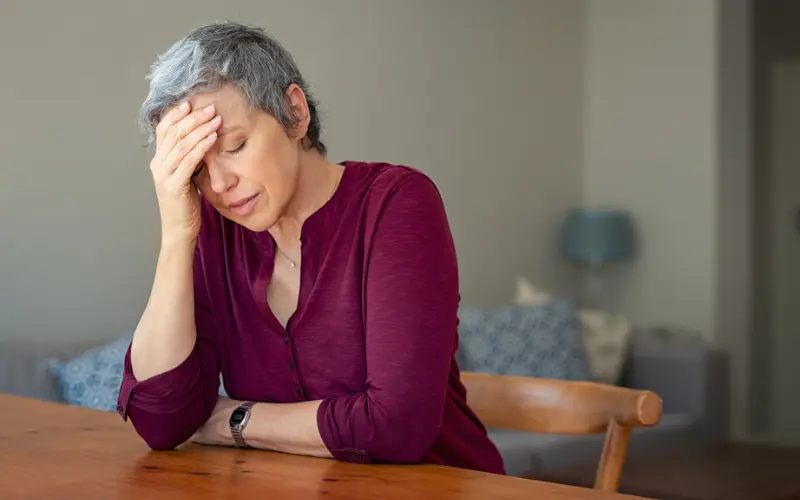
14 million French women are menopausal today, and 500,000 new women reach this milestone every year (Senate report, 2023). Yet when we talk about menopause, we mention hot flushes, night sweats, rarely the deep fatigue, the kind that does not go away after a night's sleep. Frankly, that is a pity. Because it is often what degrades quality of life the most.
And if your doctor tells you that your tests are "normal" while you can no longer get up with energy in the morning, you are not alone. 25% of women continue to suffer from disabling fatigue 10 years after menopause according to INSERM. It is not a question of willpower. It is a question of biochemistry.
The drop in oestrogens: much more than a hormonal disruption
Oestrogens did not only regulate your cycle. They played a discreet but fundamental role in dozens of metabolic mechanisms: intestinal absorption of iron and magnesium, sleep quality, thyroid regulation, and even the activity of mitochondria, those small energy power plants present in each of your cells.
When oestrogens drop, this whole system feels it. Not immediately. Gradually. And that is exactly what millions of women in perimenopause and established menopause experience: a fatigue that creeps in insidiously, for no apparent reason, difficult to explain to those around you. Or to the doctor.
The nutrients best discussed with your doctor (iron, magnesium, B vitamins, iodine)
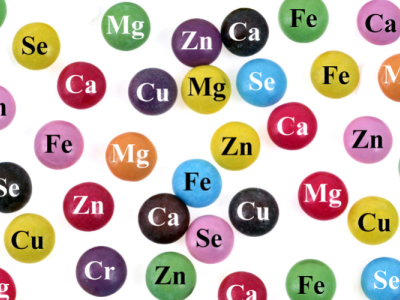
Here are the four nutrients that come up most often when talking about fatigue at this time. Only a blood test prescribed by your doctor can tell whether there is really a shortfall:
Iron : according to the ESTEBAN study by Santé Publique France, 25% of adult women have an iron deficiency. A ferritin test, prescribed by your doctor, allows you to take stock.
Magnesium : it is often mentioned at this time; here again, only your doctor can say whether your intake is insufficient.
B vitamins (B6, B9, B12): B12 deserves particular attention if you eat few or no animal products.
Iodine : sea vegetables contain a lot of it, which calls for caution, notably in case of a thyroid disorder (see the precautions below).
Seaweed on the plate: a food, not an answer to fatigue
I will be clear: seaweeds are foods, and no food on its own answers the fatigue of menopause. What has always fascinated me about them is the diversity of their tastes and textures, and the place they hold in the cuisines of the world. Incidentally, we had the pleasure of sharing our passion for seaweed on France2: few people suspect how they are grown, I let you discover this in our appearance, with a 2-minute mini report on their cultivation as a bonus:
Organic spirulina : freshwater micro-alga (Arthrospira platensis), as a powder or flakes, sold as a food supplement.
Organic wakame : the seaweed of miso soups, which rehydrates in a few minutes.
Organic chlorella : freshwater micro-alga, sold as a food supplement.
Organic kombu / Organic dulse : iodine-rich sea vegetables, to be used in moderation (see the precautions below).
Klamath : freshwater micro-alga, sold as a food supplement.
Spirulina: what you need to know
Which seaweed to start with? It is the question our customers in their 50s ask me most often. Often with spirulina, simply because it is easy to slip into a smoothie or a juice. Here is what you need to know before buying it.
What you need to know before buying it
Spirulina (Arthrospira platensis) is technically a cyanobacterium, not an alga in the botanical sense, but it is placed in this category by custom. At Biovie, it is sold as a food supplement: recommended daily dose of 3 g, not to be exceeded. One point deserves mentioning:
Vitamin B12 : present in spirulina, but honestly, its bioavailability remains debated in the scientific literature. If you are vegan, do not count on spirulina alone for your B12 : a specific supplement remains preferable.
Recommended form : Powder or frozen, even fresh in season.
To start : 1 to 2 g per day in the morning (½ teaspoon of flakes in a smoothie or lemon water)
Then : up to 3 g per day, without exceeding this recommended daily dose
Taste tip : an orange juice or lemon water helps mask its taste
What to choose : always the mention Arthrospira platensis and a controlled culture, preferably from certified organic farming
Food supplement: do not exceed the recommended daily dose of 3 g. A food supplement should not be used as a substitute for a varied and balanced diet and a healthy lifestyle. Keep out of reach of young children. If you are undergoing treatment, ask your doctor for advice.
Chlorella, wakame, kombu: the other seaweeds to know
Spirulina is not alone. Other seaweeds, more culinary for some, deserve your attention.
Chlorella
Chlorella (Chlorella vulgaris) is a freshwater microalga, a deep green due to chlorophyll. It is not iodine-rich. At Biovie, it is sold as a food supplement: recommended daily dose of 5 g, not to be exceeded.
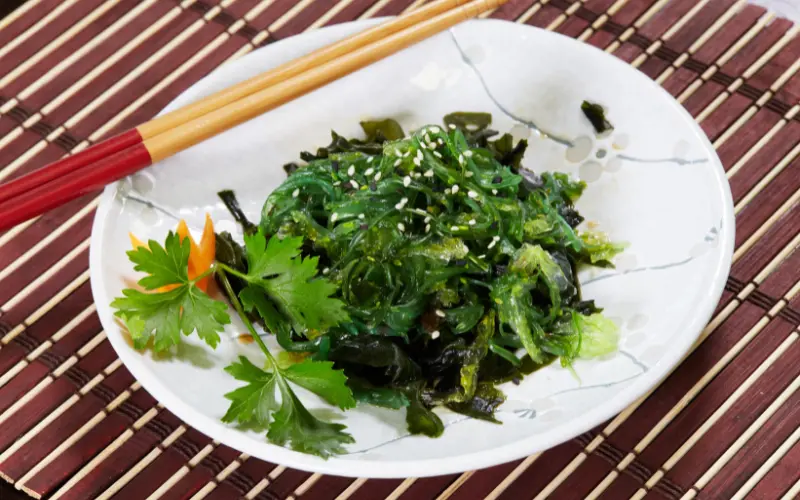
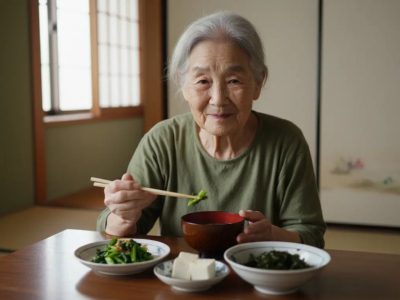
Wakame is the seaweed that Japanese women have cooked for centuries in their miso soups. Rehydrated for a few minutes, it also slips very well into a mixed salad.
Dehydrated wakame contains 1,002 mg of calcium per 100 g (CEVA data, Centre d'Étude et de Valorisation des Algues), i.e. about 125% of the nutrient reference values; calcium is needed for the maintenance of normal bones.
Kombu and iodine: caution first
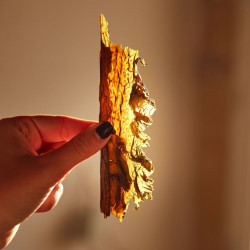
Kombu is the umami seaweed par excellence, the one that gives Japanese broths their deep, round taste.
⚠️ Important caution : kombu is a seaweed very rich in iodine. If you have a thyroid condition, hypothyroidism, hyperthyroidism, or if you take levothyroxine-based treatment, consult your doctor before any regular consumption. For others, a reasonable dose of 2 to 3 g per week is more than enough. Be sure to read the precautions to know about seaweed and the thyroid, it is an article I wrote with the greatest care.
And then there is Klamath, a freshwater micro-alga that I readily describe as "top of the range" in our Biovie range. It is sold as a food supplement: recommended daily dose of 15 ml, not to be exceeded.
How to include seaweed in your daily meals without being put off
This is the number 1 objection I hear. "The taste of seaweed is inedible." So allow me to be honest: it is true for certain forms and certain preparations. It is completely false for others.
Spirulina flakes in a banana-mango-plant milk smoothie? You can hardly taste it. In a freshly squeezed orange juice? Same. Wakame rehydrated in a homemade miso soup? It is good, simply good. The key is to start with the forms and recipes that work, and not to start by swallowing tablets on an empty stomach with nothing else.
What seaweed is not: a hormone replacement therapy, nor an answer to fatigue. It does not replace medical follow-up. If fatigue sets in, talk to your doctor.
As part of a varied and balanced diet and a healthy lifestyle.
What you need to know before starting (precautions and thyroid)
I prefer to be clear on this subject rather than dodge it. Seaweeds are foods, but some call for a few precautions.
Iodine-rich seaweed (kombu, wakame, dulse, nori) : to be approached with caution if you have treated hypothyroidism or hyperthyroidism, or if you are following a treatment that interacts with iodine. Be sure to read the precautions to know about seaweed and the thyroid before consuming them regularly.
Spirulina and chlorella : freshwater microalgae, without iodine. Their safety profile is well documented and solid for the great majority of women.
Anticoagulants : wakame contains vitamin K, which can interact with warfarin-type anticoagulants. If you are on anticoagulant treatment, consult your doctor.
Shellfish allergy : if you have a proven allergy to crustaceans or molluscs, approach sea vegetables with caution, freshwater algae (spirulina, chlorella) are less concerned.
Always start gradually : test your digestive tolerance over 1 to 2 weeks before increasing the dose. That is the golden rule.
Frequently asked questions about fatigue in menopause and seaweed
Why am I so tired since the start of my menopause?
Fatigue in menopause often has several causes, including sleep disturbances and sometimes a lack of iron or other nutrients. 25% of women continue to suffer from it 10 years after menopause according to INSERM data. It is not a question of willpower. Talk to your doctor, who will be able to prescribe a blood test.
What dose of spirulina to take per day in menopause?
Our spirulina is a food supplement: the recommended daily dose is 3 g, not to be exceeded. Start with 1 to 2 g per day (½ teaspoon of flakes) for the first 2 weeks, for example in a smoothie or an orange juice. Choose a spirulina that states Arthrospira platensis and a controlled culture. A food supplement should not be used as a substitute for a varied and balanced diet and a healthy lifestyle.
Is seaweed dangerous for the thyroid in menopause?
Iodine-rich sea vegetables (kombu, wakame, dulse) call for caution in case of an existing thyroid condition or ongoing treatment. By contrast, spirulina and chlorella are freshwater microalgae without iodine, their profile is safe for the great majority of menopausal women. In case of thyroid treatment, consult your doctor before any course of sea vegetables. Read our full article on seaweed and the thyroid →
Can spirulina and chlorella be combined in menopause?
Yes, they are two freshwater micro-algae, without iodine, that can be taken on the same day. They are two food supplements: observe the recommended daily dose of each (3 g for spirulina, 5 g for chlorella) and start with small quantities. If you are undergoing treatment, ask your doctor for advice.
In summary
Fatigue in menopause deserves to be taken seriously, and first of all with your doctor. Seaweeds have their place in a varied diet, for the taste and diversity they bring, with the precautions linked to iodine.
Start gradually, choose quality, and observe the precautions. That is all I ask of you.
There you go, this list of resources is of course not exhaustive. There is still a lot to explore on the subject of seaweed. Do not hesitate to write to us with your questions.
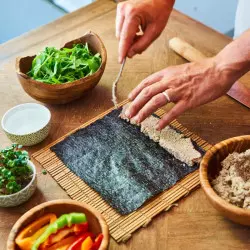
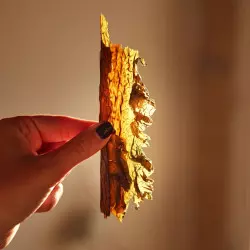
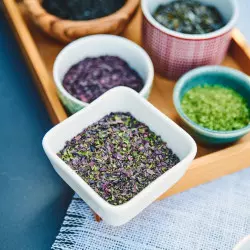
At Biovie, our dried seaweed is dried at a low temperature (40 °C) to preserve its nutrients, and it goes straight into a dish without any long soaking: wakame (iodine, calcium), nori (protein, B12, perfect for sushi), kombu (potassium, fucoidan), dulse (iron, potassium) and sea lettuce (iron, calcium). To get started, nori sheets are the easiest to use; to season your everyday dishes, the dehydrated gourmet mix combines several varieties in one box; curly wakame is ideal for travel thanks to its light, compact format. Between wakame, dulse and sea lettuce, it is best to start with wakame or sea lettuce, both mild in taste, before moving on to dulse, which has a stronger, more iodine-rich flavour., 10
products
Disclaimer: The information presented in this article is provided for information purposes only and does not constitute medical advice. Consult a qualified healthcare professional before any change to your diet or supplementation. As part of a varied and balanced diet and a healthy lifestyle. The beneficial effect of the nutrients mentioned is obtained with appropriate daily intakes, as part of an overall balanced diet.