Fast delivery
.png)
 Fair prices



Summary
The first time I tasted spirulina, I had a moment of questioning. It was more than 25 years ago now, during my agricultural engineering studies. We were introduced to this microalgae as the "superfood of the future," packed with proteins, iron, vitamin B12... In short, the nutritional Holy Grail.
Except that no one had warned us about the taste of spirulina.
Today, we are selling some spirulina on Biovie since 2015. And I can tell you that I REALLY consume it every day. Not just to make our marketing arguments look good. Because we've managed to get used to the taste. And above all, because the results on my energy, vitality, recovery... are well worth the effort of adaptation.
Today, I am going to share with you how to take spirulina without grimacing each time, with 12 tested recipes and a 3-week protocol to gradually accustom your taste buds. Because yes, why take spirulina despite its strong taste? The benefits you will discover are well worth this effort of adaptation.
Why is the taste of spirulina so strong ?
Before providing you with the solutions for mask the taste of spirulina, let me explain to you where this famous taste comes from. Because understanding already helps in accepting.
It's an algae, not a plant.
The spirulina, scientifically called Arthrospira platensis, is a cyanobacterium. A bacterium that performs photosynthesis, somewhat like plants, but lives in water. It naturally grows in the alkaline lakes of Africa and Central America, in waters where most other organisms cannot survive.
This extreme adaptation gives it its exceptional nutritional richness (70% protein, all essential amino acids, an incredible concentration of iron, vitamin B12, in Phycocyanin...), but also this taste of spirulina very particular that many describe as "iodized," "muddy," or "pond-like."
In reality, what you taste is mainly three things:
1. Chlorophyll : This green molecule that enables photosynthesis has a grassy, slightly bitter taste. It is what gives spirulina its characteristic blue-green color.
2. Marine minerals Spirulina is extraordinarily concentrated in minerals (iron, magnesium, calcium, potassium...). These minerals have a metallic, slightly salty taste.
3. Phycocyanin : This unique blue pigment in spirulina has a very pronounced umami flavor. Umami is the fifth taste discovered by the Japanese, which can be found in algae, aged parmesan, shiitake mushrooms...
When you mix these three concentrated flavor profiles into a few grams of powder, you get... well, this iodine taste spirulina so characteristic.
Powder, glitter, or fresh: Not all formats are equal
I have tested the three formats for years, and frankly, there are huge differences when looking for how to consume spirulina flakes or in powder form.
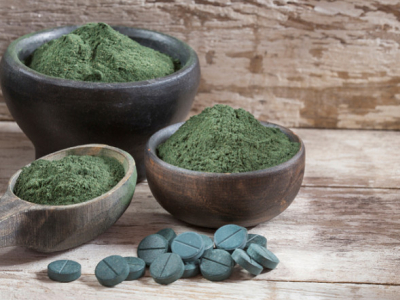
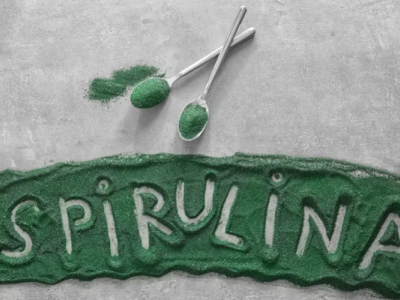
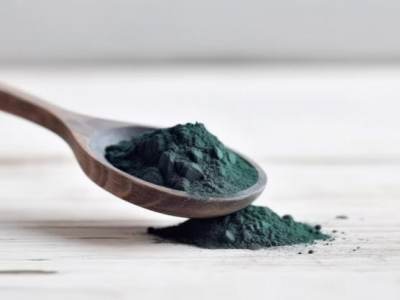
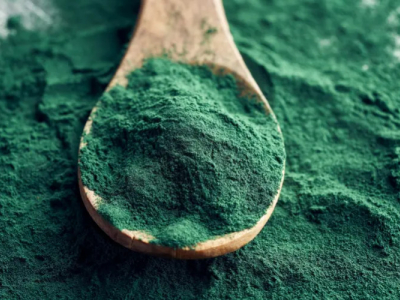
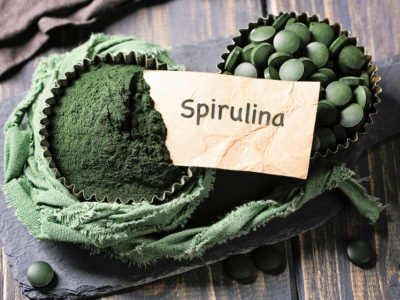
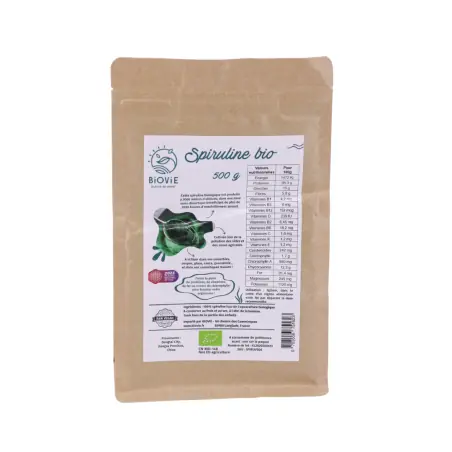
Spirulina powder : It is the most concentrated, therefore the strongest in taste. You cannot take it with a spoon directly, impossible.
Glitter : They have a crunchy texture that may appeal to some, but personally, I find that it amplifies the "seaweed" sensation in the mouth. It's a format I don't use, especially after reading the thesis ofHélène Desmorieux In this form, I understood that drying in flakes exposed the spirulina to oxidation.
Fresh spirulina : When Aurélie and I went to visit our producer in Occitanie, he had us taste his freshly harvested spirulina. Well, it's almost a different product. The taste is much milder, almost neutral, with a creamy paste texture. The only problem is that it only keeps for a few days in the fridge and is much more expensive to produce and transport.
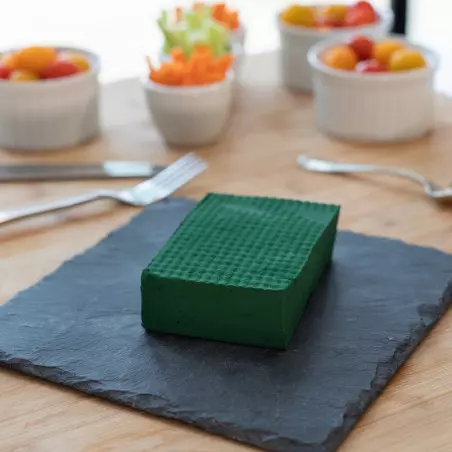
Tablets and capsules : Well, that's cheating. It's the ultimate "tasteless" format. You swallow, drink some water, and that's it. This is what I recommend to people who are really resistant. There's no shame in that. It's better to take spirulina in capsules than not to take any at all.
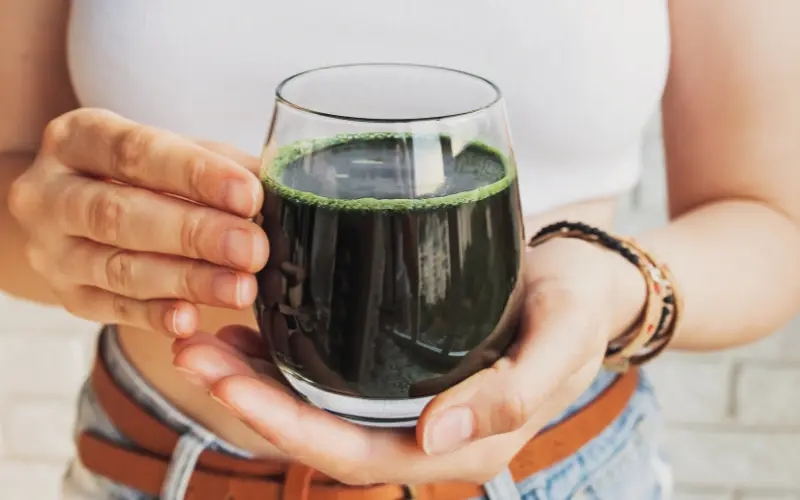
The 5 ingredients that change everything
Alright, enough talk about the problem. Let's move on to the solutions for mask the taste of spirulina.
After years of experimentation (and a few memorable culinary disasters), I have identified five ingredients that have truly exceptional "masking" power. When you combine spirulina with one of these ingredients, the taste becomes quite acceptable. With two or three of these ingredients, it almost completely disappears.
Here is how to effectively mask the taste of spirulina. :
Apple juice: The universal ally
Apple juice is a bit like the magic wand of the spirulina. I don't know exactly why (you would need to ask a chemist specialized in aromas), but the flavor profile of the apple almost completely masks the bitterness of spirulina.
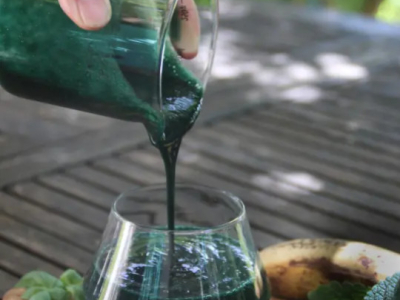
You take a large glass of organic apple juice (not those industrial juices filled with added sugar), you add a teaspoon of spirulina, you mix it, ideally with a battery-operated milk frother, and you're done. It's not an extraordinary taste, admittedly. But it's quite drinkable.
Banana and/or mango: The fruity power
Here, we're stepping it up a notch. The banana and/or mango are probably the two most effective fruits for masking the taste of spirulina.
The banana : It has three advantages. Firstly, its creamy texture dilutes and envelops the spirulina. Secondly, its natural sweet taste counterbalances the bitterness. Thirdly, it gives the smoothie a thick consistency that makes the taste less aggressive.
My advice: use very ripe bananas (with brown spots). The riper they are, the sweeter they are and more effective at masking the taste.
The mango : It's my absolute secret. I discovered it about ten years ago, and since then, it's been my favorite combination. The mango has a very strong tropical taste that literally overwhelms the taste of spirulina. You put in a whole mango, a banana, a spoonful of spirulina, and honestly... you can hardly taste it.
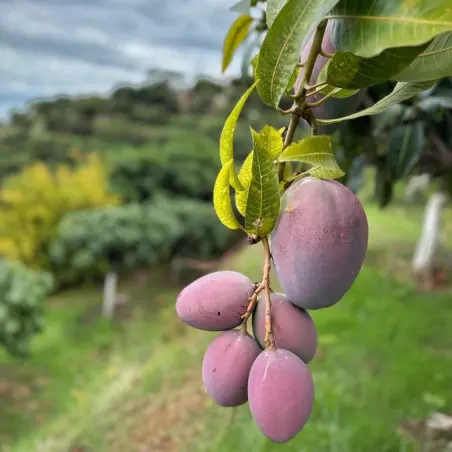
The banana-mango combo is what I systematically recommend to beginners who really do NOT want to taste the spirulina.
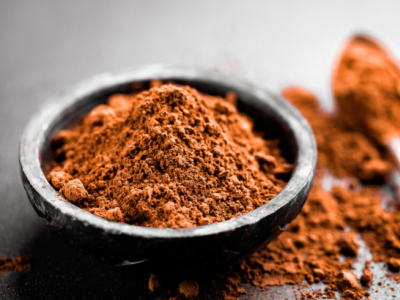
Raw cacao: The ultimate mask
If you love chocolate, you will adore this technique.
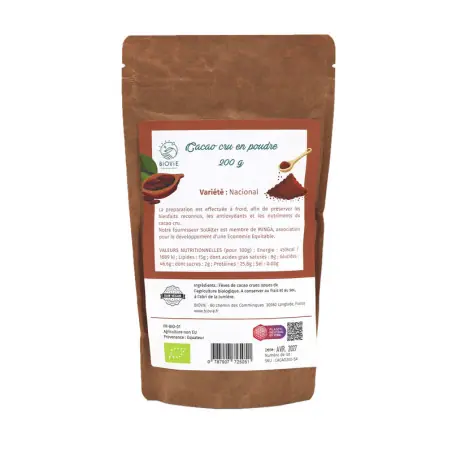
The raw cacao powder has a very strong, slightly bitter, complex taste. When you combine it with spirulina, the two bitterness cancel each other out and create a really pleasant chocolatey taste.
My favorite recipe: a smoothie with plant-based milk (almond or hazelnut), a banana, 2 tablespoons of raw cocoa, 1 tablespoon of spirulina, a few dates for sweetness. It makes an absolutely delicious chocolate smoothie. If you serve this to someone without telling them there's spirulina in it, they won't notice a thing.
Moreover, if you like the chocolate desserts, cocoa remains a magical ingredient for incorporating superfoods without tasting them.
Citrus fruits: The power of acidity
Lemon, orange, grapefruit... all citrus fruits have a very effective masking effect on spirulina.
Why? Because their acidity completely changes the perception in the mouth. When you add fresh lemon juice to a spirulina smoothie, the acidity cuts through the iodine taste and creates a sensation of freshness.
My favorite "detox" smoothie (which I often make on Sunday morning after a somewhat... busy weekend): a squeezed orange, half a lemon, a piece of Ginger fresh, an apple, a spoonful of spirulina. It's tangy, it's fresh, it's invigorating. And you can hardly taste the spirulina.
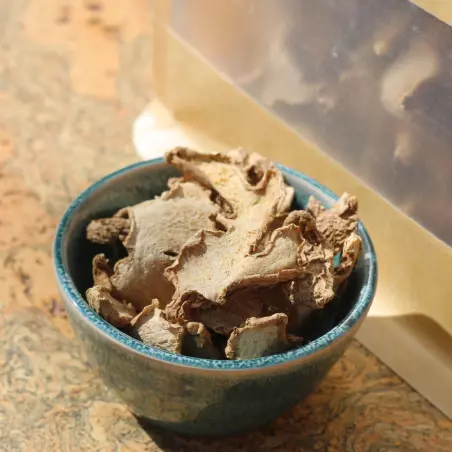
If you are looking for more inspiration for refreshing green smoothies, the techniques remain similar for all superfoods.
Dates: The Natural Sweetness
Medjool dates (those large, plump dates) are somewhat of a universal wildcard in healthy cooking.
They have three huge advantages: they naturally sweeten, they provide a creamy texture, and their caramelized taste really masks strong flavors well.
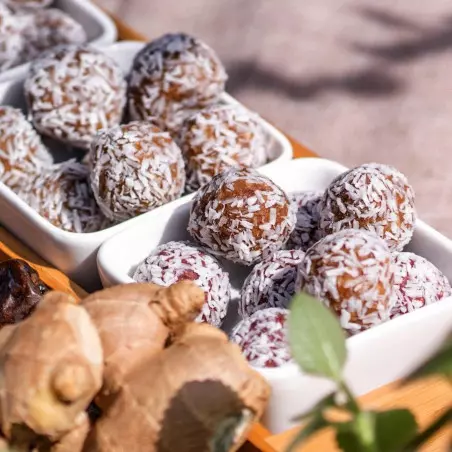
In energy balls (those small raw energy bites made with dried fruits, nuts, and spirulina), dates are essential. Without them, they would be inedible. With them, they become a healthy and delicious treat.
My favorite ratio for energy balls: 10 dates, 100g of almonds, 1 spoon of spirulina, 2 spoons of cocoa, a bit of water. You blend, roll into balls, and put them in the fridge. You have ultra-nutritious snacks for the week.
11 recipes to consume spirulina without grimacing
Well, theory is good. But concretely, what do we do on a daily basis? Here are the 12 spirulina recipes that I have tested for years, ranked from "very easy" to "a little more elaborate."
Level 1 Recipes: "I'm starting out, I want it to be simple"
1. The basic apple-banana smoothie
Ingredients :
- 250 ml of organic apple juice
- 1 ripe banana
- 1 teaspoon of spirulina
- A few ice cubes
Preparation : You put everything in the blender, blend for 30 seconds. It's ready. It's not the smoothie of the century, but it goes down easily.
Final taste Fruity, slightly herbal. You can taste a hint of spirulina in the aftertaste, but it's really acceptable. Perfect to start with.
My advice : Drink it quickly, within 5 minutes. The longer you wait, the more the taste of spirulina comes out.
2. The Express Apple Juice (30 Seconds)
Ingredients :
- 1 large glass of organic apple juice (300 ml)
- 1 teaspoon of spirulina
Preparation : You put the spirulina in the glass with half a glass of juice, pour the rest of the juice, and mix with a small battery-operated milk frother. Done.
Final taste : Apple with a herbal note. Not extraordinary, but drinkable.
My advice That was my method for years. When you're in a hurry in the morning, it's unbeatable. Zero preparation, zero dishes.
3. The tropical mango-passion smoothie
Ingredients :
- 1 ripe mango if it's mango season (or 200g of frozen mango)

- 1 banana
- The juice of 1 orange
- 1 teaspoon of spirulina
- 100 ml ofcoconut water
Preparation : Blender, 1 minute. You get a smooth tropical smoothie.
Final taste : Honestly delicious. The mango and banana completely overpower the taste of spirulina. It's my favorite recipe to introduce spirulina to someone who is skeptical.
My advice : If you use frozen mango, you don't even need to add ice cubes. It makes for a nice, fresh smoothie.
Level 2 recipes: "I have mastered it, I want to vary"
4. The lemon-ginger detox green smoothie
Ingredients :
- 1 apple
- 1 stalk of celery
- The juice of 1 lemon
- 1 piece of fresh ginger (2 cm)
- 1 teaspoon of spirulina
- 200 ml of water
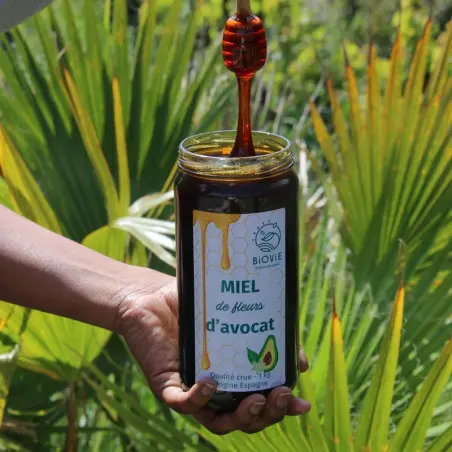
- 1 spoon honey (optional)
Preparation : Everything in the blender. Blend well so that the celery and ginger are completely crushed.
Final taste : Fresh, tangy, slightly spicy. The ginger and lemon effectively mask the spirulina.
My advice It's the Sunday morning smoothie after a somewhat heavy meal the night before. It cleanses, energizes, and revitalizes.
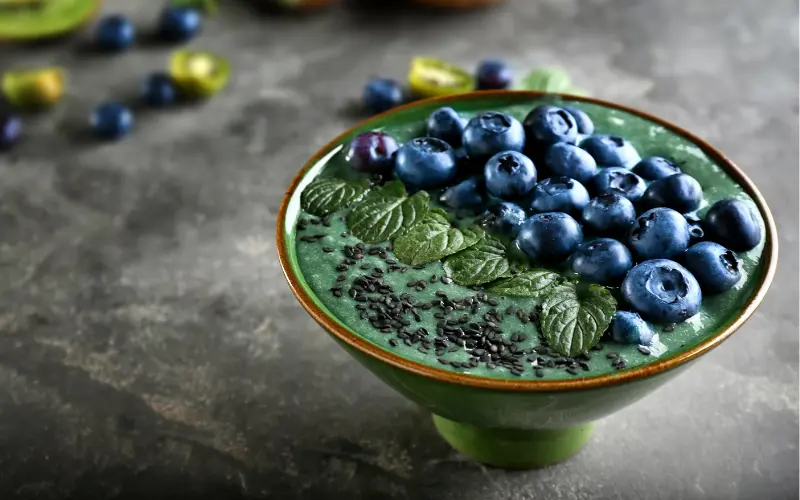
5. The cacao-banana smoothie bowl
Ingredients :
- 2 frozen bananas
- 2 tablespoons of raw cacao
- 1 spoon of spirulina
- 100 ml of almond milk
- Toppings: raw natural muesli, fresh fruits, coconut flakes
Preparation : Blend the frozen bananas with cocoa, spirulina, and almond milk until you achieve a creamy texture (like soft-serve ice cream). Pour into a bowl, add your favorite toppings.
Final taste : Like a chocolate ice cream. You do NOT taste the spirulina at all.
My advice : It turns taking spirulina into a pleasurable moment. Besides, if you like healthy frozen desserts, this database works perfectly.
6. The green apple-celery-spirulina juice
Ingredients :
- 2 apples
- 2 stalks of celery
- 1 cucumber
- 1 handful of fresh spinach (or frozen, but be careful not to choose the creamed kind!)
- The juice of 1/2 lemon
- 1 teaspoon of spirulina
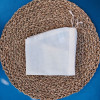
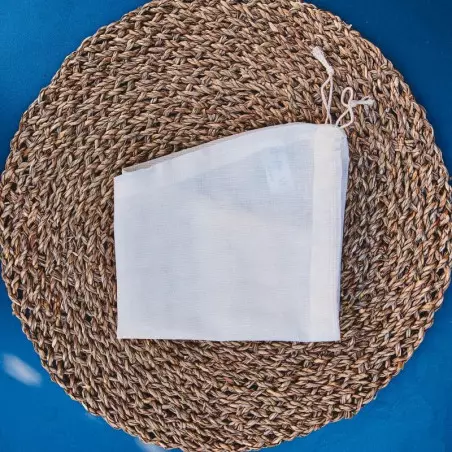
Preparation : If you have a juicer: process all the ingredients except the spirulina, then mix the spirulina into the obtained juice. If you only have a blender: blend everything with a little water, then strain with a plant milk bag or a fine sieve.
Final taste : Very green, very fresh. You can slightly taste the spirulina, but overall it is pleasant.
My advice : It is a juice rich in nutrients but low in fiber (unlike smoothies). Ideal for giving your body a boost without overloading digestion.
Level 3 recipes: "I'm comfortable, I want creative recipes"
7. Spirulina-Cocoa-Hazelnut Energy Balls
Ingredients :
- 10 pitted Medjool dates
- 100g of hazelnuts (or almonds)
- 2 tablespoons of raw cacao
- 1 spoon of spirulina
- 1 tablespoon of seawater
- 2-3 tablespoons of water
Preparation : Blend all the ingredients in a food processor until you get a smooth dough. Form bite-sized balls. Roll them in cocoa, coconut flakes, or sesame seeds. Store in the fridge in an airtight container.
Final taste : Healthy chocolate truffles. Absolutely delicious. No one guesses that there's spirulina in them.
8. The "post-workout" banana-peanut butter smoothie
Ingredients :
- 2 bananas
- 2 tablespoons of peanut butter (or almond)
- 1 spoon of spirulina
- 300 ml of plant milk
- 1 tablespoon of chia seeds

- A few ice cubes
Preparation : Powerful blender, 1 minute. You get an ultra-protein and energy smoothie.
Final taste : Banana-peanut. The nut butter very effectively masks the spirulina.
My advice : It's a post-trail smoothie. Spirulina provides protein and iron, bananas replenish glycogen stores, and peanut butter provides fats.
9. The morning spirulina-cinnamon porridge
Ingredients :
- 50g of tiger nut flakes
- 200 ml of plant-based milk
- 1 spoon of spirulina
- 1 spoonful of honey
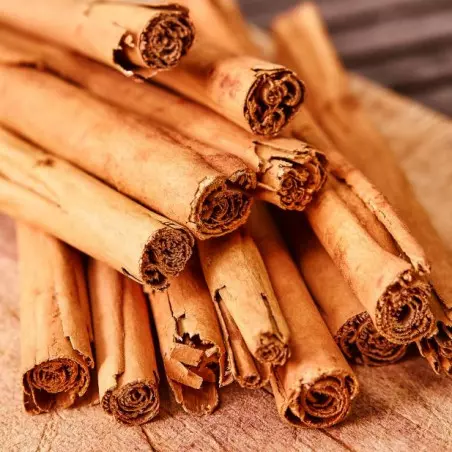
- 1 spoon of cinnamon
- 1 mashed banana
- Toppings: fresh fruits, nuts, seeds
Preparation : Heat the plant-based milk with the oatmeal for 5 minutes. Off the heat, add the spirulina, mashed banana, cinnamon, and maple syrup. Mix. Add your favorite toppings.
Final taste : Cinnamon-banana. You can barely taste the spirulina.
My advice This is my favorite winter breakfast. Warm, comforting, nourishing. It keeps you full for hours.
10. Spirulina Green Guacamole
Ingredients :

- The juice of 1 lime
- 1 diced tomato
- 1/2 finely chopped red onion
- 1 spoon of spirulina
- Salt, pepper, fresh coriander
Preparation : Mash the avocados with a fork. Add all the other ingredients. Mix. Serve with raw vegetables or crackers.
Final taste : Classic guacamole with an intense green color. The spirulina blends completely into the flavors.
My advice It's a super original way to incorporate spirulina into a savory dish. No one expects to find spirulina in guacamole. It always makes a little impression during a get-together with friends.
11. Miso-spirulina soup
Ingredients :
- 500 ml of vegetable broth
- 2 tablespoons of white miso
- 1 spoon of spirulina
- 100g of tofu cut into cubes
- 1 sliced spring onion
- A few dessert spoons wakame seaweed
Preparation : Heat the broth. Off the heat (important!), dissolve the miso and spirulina in the broth. Add the tofu, onion, and the algae. Serve immediately.
Final taste Umami, salty, slightly iodized. Spirulina pairs perfectly with miso.
My advice : Never boil miso and spirulina. Beyond 42°C, you destroy the enzymes and fragile nutrients. Always add them off the heat.
The progressive adaptation protocol (3 weeks)
Here's something I wish someone had told me 20 years ago when I started with spirulina: your taste buds adapt. Really. Scientifically. It's not just an impression.
The problem is that 90% of people give up before the adaptation phase. They take spirulina for 3-4 days, find the taste unbearable, and quit.
Error.
Your taste buds need about 21 days to get used to a new taste. This has been proven by several studies in gustatory neuroscience. After 21 days of repeated exposure to a flavor, your brain reclassifies it from "danger alert" to "acceptable food."
Here is the exact protocol that I recommend for how to take spirulina without giving up:
Week 1: Gentle Initiation (Minimal Dose)
Objective : Acclimate your taste buds without traumatizing them.
Protocol :
- Dose : 1 gram per day (about 1/4 teaspoon)
- Recommended format : Mango-banana smoothie (recipe no. 3)
- Moment : In the morning at breakfast
- Duration : 7 consecutive days
What happens in your body : Your digestive system discovers spirulina. Your taste buds register this new flavor. Your brain analyzes and categorizes.
My advice : Do not skip ANY day. Consistency is key. If you skip days, you break the process of habituation and have to start over from scratch.
Week 2: Reinforcement (intermediate dose)
Objective : Gradually increase the dose while varying the flavors.
Protocol :
- Dose : 2-3 grams per day (about 1/2 teaspoon)
- Recommended formats : Alternate between cacao smoothie bowl (recipe no. 5) and apple-banana smoothie (recipe no. 1)
- Moment : Always at the same time (in the morning)
- Duration : 7 consecutive days
What happens in your body : Your taste buds are starting to get used to it. The taste already seems less aggressive than at the beginning. Your body is beginning to feel the initial benefits (energy, vitality).
My advice : This is the critical week. This is when many people give up because they still find the taste unpleasant. Hang in there. You are halfway through the adaptation.
Week 3: Consolidation (standard dose)
Objective : Reach the recommended daily dose and diversify the recipes.
Protocol :
- Dose : 3-5 grams per day (about 1 teaspoon)
- Recommended formats : Test 3 different recipes during the week (smoothies, energy balls, porridge)
- Moment : You can start to vary (morning or noon)
- Duration : 7 consecutive days
What happens in your body : Your taste buds are now accustomed. The taste hardly bothers you anymore. You are beginning to clearly feel the benefits: stable energy, better recovery, strengthened immune system.
My advice : At the end of this week, take a test. Go back to your first recipe (the one from week 1) and observe your reaction. You will be surprised: what seemed inedible to you at first will now seem perfectly acceptable.
After the 21 days: Autonomy
Once the 21 days have passed, you are free. You can:
- Continue with your favorite recipes
- Experiment with new combinations
- Increase the dose to 5-10 grams per day if you are doing intense sports.
- Alternate between different formats (powder, glitter, tablets)
The objective : Find YOUR routine. The one that suits you. The one you can maintain in the long term.
Because spirulina is not a two-week occasional treatment. It is a daily food that supports your health in the long term. Can spirulina be taken all year round ? Absolutely, and it is even recommended to gain all the benefits.
The signs that you are on the right track
How to know if the protocol is working? Here are the unmistakable signs:
Week 1 :
- You manage to finish your smoothie without grimacing.
- The taste seems "tolerable" to you even if it is not pleasant.
Week 2 :
- You no longer dread the moment of taking your spirulina.
- Some days, you even find the taste "not so bad."
- You are starting to feel more energetic during the day.
Week 3 :
- The taste hardly bothers you anymore.
- You have found 2-3 recipes that you really like.
- You clearly feel the benefits (energy, vitality, recovery)
- You start to miss your dose if you skip a day.
After 21 days :
- Spirulina is part of your daily routine.
- You don't even think about it anymore, it has become automatic.
- You have your "signature recipe" that you love.
The 5 mistakes to absolutely avoid
After 20 years of consuming spirulina and advising hundreds of clients on Biovie, I have identified the 5 most common mistakes that cause people to give up. Here's how to avoid them.
Error #1: Starting with too high a dose
The error : You read on a blog that "the recommended dose is 5 grams per day." You buy your spirulina, and on the first day, you put a big spoonful in your smoothie. Result: the taste is so strong that you can't finish it. You're disgusted. You give up.
Why is it a mistake? : Your taste buds are not prepared. It's like giving pure whiskey to someone who has never drunk alcohol. The taste shock is too intense.
The right approach : Start with 1 gram (1/4 teaspoon) for at least a week. Increase very gradually. Give your taste buds time to adjust.
Error No. 2: Choosing low-quality spirulina
Why is it a mistake? : A low-quality spirulina (poorly dried, oxidized, contaminated) has a much stronger and more unpleasant taste than a high-quality spirulina. You make your adaptation 10 times more difficult.
The right approach : Invest in certified quality spirulina. French if possible. Organic. Yes, it costs more. But the taste will be infinitely more bearable. And you will have a guarantee on purity and the absence of heavy metals.
To understand the quality criteria, consult our article on how to choose a quality spirulina.
Error No. 3: Not using enough "masking agents"
The error : You put spirulina in a simple glass of water. Or in a smoothie with just an apple. That's it. Result: the taste of spirulina completely dominates.
Why is it a mistake? : Spirulina has a VERY strong taste. If you don't add enough masking ingredients, you will never succeed in making it acceptable.
The right approach : Combine at least 2-3 masking ingredients in your recipes. For example: apple juice + banana + mango. Or: plant-based milk + cocoa + dates. The more complementary ingredients you add, the more the taste of spirulina will be diluted.
Error No. 4: Giving up before 21 days
The error : You try for 3-4 days. You still don't like the taste. You tell yourself "It's not for me" and you give up.
Why is it a mistake? : Your taste buds need 21 days to adapt to a new flavor. If you give up before then, you completely miss out on the natural habituation that would have made the taste acceptable.
The right approach : Commit to 21 days. Set a daily reminder on your phone. Follow the progressive protocol I have given you. After 21 days, you will be able to make an informed decision about whether spirulina is for you or not.
Error No. 5: Improperly storing your spirulina
The error : You leave your jar of spirulina open on the countertop, exposed to light that degrades the phycocyanin and to humidity. After a few weeks, the phycocyanin develops an increasingly strong and unpleasant taste.
Why is it a mistake? : Spirulina is very sensitive to oxidation. If it is poorly stored, it will gradually become rancid and much more bitter.
The right approach :
- Store your spirulina in an opaque airtight container.
- Store it in a cool, dry place (not in the fridge, humidity is an issue)
- Always close the jar tightly after use.
- Consume it within 2-3 months after opening
Alternative formats for the very resistant
Alright, let's be honest. Despite all the tips I've given you, there are still people for whom the taste of spirulina is truly insurmountable. And you know what? That's OK.
It is better to take spirulina in a format that suits you (even if it's not "ideal") than not to take it at all.
Here are alternative solutions for those resistant to the taste:
Capsules: The "tasteless" solution
How does it work : Spirulina is encapsulated in vegetable capsules. You swallow, drink some water, done. Zero taste.
Advantages :
- No taste
- Easy to take on a trip
- Precise dosage
- Convenient if you are in a hurry
Disadvantages :
- More expensive (the cost of encapsulation)
- Less "alive" than powder
- Potentially slower assimilation
My opinion : If you really can't stand the taste after trying everything, take capsules. It's infinitely better than not taking spirulina at all. There's no shame in that.
Tablets: The Practical Compromise
How does it work : Spirulina is compressed into tablets. You swallow them with water. Almost no taste (just a slight aftertaste if you let it dissolve).
Advantages :
- Minimal taste
- Practical format
- Generally cheaper than capsules
- Easy to carry
Disadvantages :
- Some tablets contain binders and excipients.
- High-pressure compression (may slightly alter nutrients)
My opinion It's a good compromise between practicality and quality. Just make sure that the tablets do not contain too many additives.
Integration into prepared dishes
How does it work : You incorporate spirulina into dishes where its taste is completely masked: pesto, guacamole, soups, tomato sauces, hummus...
Advantages :
- The taste is diluted in the dish.
- You eat "normally"
- Easy to give to children without them noticing.
Disadvantages :
- Cooking can destroy some of the nutrients.
- Request more preparation
My opinion : It's an excellent option for variety. The spirulina guacamole (recipe no. 10) and the spirulina pesto are really delicious.
The protocol "habituation through total mask"
Here is a technique that I sometimes recommend to the most resistant:
Phase 1 (Weeks 1-2) : Take spirulina in capsules. Your body benefits from the nutrients without your taste buds being exposed to the flavor.
Phase 2 (Weeks 3-4) : Start incorporating very small doses (0.5g) into ultra-masking smoothies (mango-banana-cocoa).
Phase 3 (Weeks 5-6) : Gradually increase the dose in the smoothies while decreasing the capsules.
Phase 4 (Weeks 7+) : You have completely switched to smoothies. Your taste buds have gently adapted.
Why it works : This approach combines the benefits of spirulina (via capsules) with a gradual habituation to the taste. Your brain associates the positive effects (energy, vitality) with spirulina, which facilitates taste acceptance.
Why persevere despite the taste ?
Concrete benefits (scientific studies)
Scientific studies on spirulina are numerous and convergent. Here are some objective data on why take spirulina :
1. Exceptional source of protein
Spirulina contains 60-70% complete proteins (all essential amino acids). This is more than meat (20%), fish (20%), and eggs (13%). A study published in the Journal of Agricultural and Food Chemistry (2015) confirmed that spirulina proteins are highly bioavailable (absorption rate over 85%).
2. Fight iron deficiency anemia
An Indian study conducted on 40 anemic patients (Nutritional Anaemia Study, 2011) showed that a supplementation of 3g of spirulina per day for 8 weeks increased hemoglobin levels by an average of 9%. For women of childbearing age and vegetarians, this is a major advantage.
3. Supports the immune system
Several studies (notably the one published in Cellular & Molecular Immunology, 2011) have demonstrated that phycocyanin present in spirulina stimulates the production of white blood cells and enhances cellular immunity.
4. Powerful antioxidant
Spirulina has an ORAC (Oxygen Radical Absorbance Capacity) score of 24,000 units per 100g. That's 4 times more than blueberries. It helps combat oxidative stress and cellular aging.
5. Improve athletic performance
A Greek study (Medicine & Science in Sports & Exercise, 2010) showed that taking 6g of spirulina per day for 4 weeks increased endurance by 2.5% and delayed muscle fatigue.
The cost/benefit ratio
Let's do a simple calculation.
Monthly cost of quality spirulina :
- Daily dose: 3-5g
- Monthly consumption: 90-150g
- Cost: approximately 10-15€ per month for organic French spirulina
Comparable benefits in traditional dietary supplements :
- Multivitamins: €15-20/month
- Iron: €10/month
- Vitamin B12: €8/month
- Plant proteins: €30/month
- Antioxidants: €20/month
- Total: €83-98/month
With spirulina, you get ALL of this for 10-15€/month. The value for money is simply unbeatable.
And above all, it is a natural food, not synthetic supplements. The nutrients are in their natural bioavailable form, which significantly improves their absorption.
FAQ: Your questions about the taste of spirulina
Why does spirulina have such a strong taste ?
The characteristic taste of spirulina comes from three main components: chlorophyll (which gives a grassy taste), concentrated marine minerals (which create a metallic and iodized flavor), and phycocyanin (this unique blue pigment that brings a pronounced umami flavor). It is the combination of these three elements in a few grams of powder that creates this iodine taste spirulina so special.
Is it possible to get used to the taste of spirulina ?
Yes, absolutely. Taste buds need about 21 days of repeated exposure to adapt to a new taste. Studies in gustatory neuroscience have proven that after this period, the brain reclassifies a flavor initially perceived as unpleasant as an "acceptable food." The key is consistency: consuming spirulina every day without interruption for 3 weeks allows for this natural adaptation.
What is the best recipe to start with spirulina ?
For beginners, I consistently recommend the mango-banana smoothie: 1 ripe mango, 1 banana, the juice of one orange, 1 teaspoon of spirulina, 100 ml of coconut water. These two fruits have an exceptional masking power. The mango and banana literally overpower the taste of spirulina thanks to their natural sweetness and creamy texture. It is the spirulina recipe the most effective way to start without grimacing.
Are capsules as effective as powder ?
The capsules contain exactly the same spirulina as the powder, so the nutritional benefits are identical. The advantage is clear: zero taste, you swallow with water and it's done. The potential drawback is slightly slower absorption (the time it takes for the capsule to dissolve in the stomach) and generally higher cost. But if the taste really puts you off after trying everything, it's better to take spirulina in tablet form or in capsule form rather than not taking it at all.
How long does it take to get used to the taste ?
The complete adaptation process generally takes 21 days of regular and daily consumption. During the first week, the taste remains difficult but bearable with the right masking recipes. In the second week, you start to find the taste less aggressive. By the third week, the taste hardly bothers you anymore and you have found your spirulina recipes favorites. The important thing is not to skip days, as it disrupts the process of habituation.
Does the taste vary depending on the brand of spirulina ?
Yes, enormously. A high-quality spirulina (dried at low temperature, cultivated in controlled ponds, fresh, certified organic) consistently has a milder taste than a low-grade spirulina. Industrial spirulinas dried at high temperatures or oxidized develop an unpleasant bitterness, sometimes even a rancid taste. French or European spirulinas, artisanally cultivated with respectful methods, generally have a much more neutral taste. The difference in quality directly impacts the taste experience.
Can spirulina be mixed with coffee or tea ?
Technically yes, but I do not recommend it for two reasons. Firstly, it doesn't really mask the taste - on the contrary, the coffee-spirulina or tea-spirulina mix creates a rather unpleasant flavor combination. Secondly, the tannins present in coffee and tea can reduce the absorption of iron contained in spirulina. If you really want to combine spirulina with a hot drink, opt for a mint or ginger infusion, which will better mask the taste without interfering with nutrient absorption.
Does powdered spirulina have the same taste as flakes ?
No, there is a notable difference. Powdered spirulina is more concentrated and finer, which gives a more intense taste but is also easier to dissolve in liquids. The flakes have a crunchy texture that can enhance the "seaweed" sensation in the mouth. Personally, I find the powder more convenient for mask spirulina taste because it dissolves better in smoothies. The flakes can be interesting when sprinkled on a salad or in guacamole, where their texture adds a little something extra.
How to store spirulina to preserve its taste ?
Conservation is crucial to prevent the taste from becoming too strong. Here are the essential rules:
1. Airtight jar Opaque: Always store in a completely airtight and, ABOVE ALL, lightproof container.
2. Protected from light : Use an opaque container or store in a closed cupboard. Light accelerates oxidation.
3. Cool and dry place : Ideal temperature 15-20°C, low humidity. Avoid the fridge (too humid) and the windowsill (too hot).
4. Close immediately : After each use, close the jar immediately to limit exposure to oxygen.
5. Consume quickly : Once opened, try to finish your spirulina within 2-3 months at most. Beyond that, it will gradually oxidize and become more bitter.
Sign that it is expired or poorly stored : If your spirulina smells like rotten fish, has a grayish color (instead of deep blue-green), or has a very rancid taste... throw it away. It means it is oxidized or contaminated.
Can spirulina be cooked hot ?
You can, but it's not ideal.
Why ? Because spirulina contains fragile nutrients (B vitamins, enzymes, phycocyanin) that degrade with heat. Beyond 42°C, you start to lose some of the benefits.
That said, If cooking spirulina hot allows you to consume it regularly (pancakes, porridge, soups), then do it anyway. It's better to eat cooked spirulina than no spirulina at all. You will lose 20-30% of the nutrients, but 70-80% will still remain.
My recommendations :
- Gentle cooking : If you cook spirulina, do it at a low temperature (pancakes, warm porridge)
- Add at the end of cooking : For soups or hot dishes, add the spirulina off the heat, just before serving.
- Favor raw foods : Ideally, consume raw spirulina (smoothies, juices, energy balls) to benefit from 100% of the nutrients.
Tip : If you are making pancakes or cakes with spirulina, slightly double the dose to compensate for the loss of nutrients during cooking.
Conclusion: The 21-day mark
Here we are. We've reached the end of this long article on how to mask the taste of spirulina.
If I had to summarize everything I told you in a few sentences, it would be this:
- The taste of spirulina is strong, that's a fact. Don't lie to yourself, don't tell yourself that "it will pass on its own." A strategy is needed to mask the taste of spirulina.
- The masks really work. Apple juice, banana-mango, cocoa, citrus, dates. Use them generously in your spirulina recipes.
- Start small. 1 gram for a week. Then gradually increase. Your taste buds will naturally adapt to the iodine taste spirulina.
- Give yourself 21 days. It is the time it takes for your taste buds to get used to it. Those who give up before miss out. Try different spirulina smoothie recipes and find the ones that suit you.
- Quality matters a lot. A low-quality spirulina will be much more difficult to swallow than a well-produced artisanal spirulina.
- If it really doesn't work, take capsules. No shame. The important thing is to take spirulina regularly to benefit from its advantages.
For my part, I have been consuming spirulina daily for over 15 years now. The taste that used to make me grimace at first no longer bothers me. On the contrary, I have learned to appreciate this particular umami flavor.
But above all, I feel the benefits every day. This stable energy, this vitality, this resilience. At over 50 years old, I feel better than I did at 20. And I am convinced that spirulina plays an important role in this.
So yes, it requires a little effort at the beginning. Yes, you have to get organized, prepare smoothies, test spirulina breakfast recipes. But honestly, compared to the results you will achieve in your health, energy, vitality... it's an investment that is well worth it.
Can spirulina be taken all year round ? Absolutely. It is even recommended to fully benefit from its effects in the long term. Spirulina is not a one-time treatment; it is a daily food that supports your vitality throughout the year.
Get started. Give yourself 3 weeks. Follow the protocol. Test ourSpirulina recipes. And come back to tell me how it went.
Everything for your masking recipes
French spirulina + raw cacao + freeze-dried superfruits + sprouted seeds: create your ultra-nutritious smoothies and snacks in one click.