


A vegan, raw version of the traditional panna cotta, here shaped into eggs to celebrate Easter in style. The texture, silky and gently wobbling, owes everything to Irish moss, a red seaweed that gives a delicately vanilla-scented dessert with no marine taste at all. A fresh kiwi and mint sauce balances the sweetness of the whole with a welcome touch of acidity.
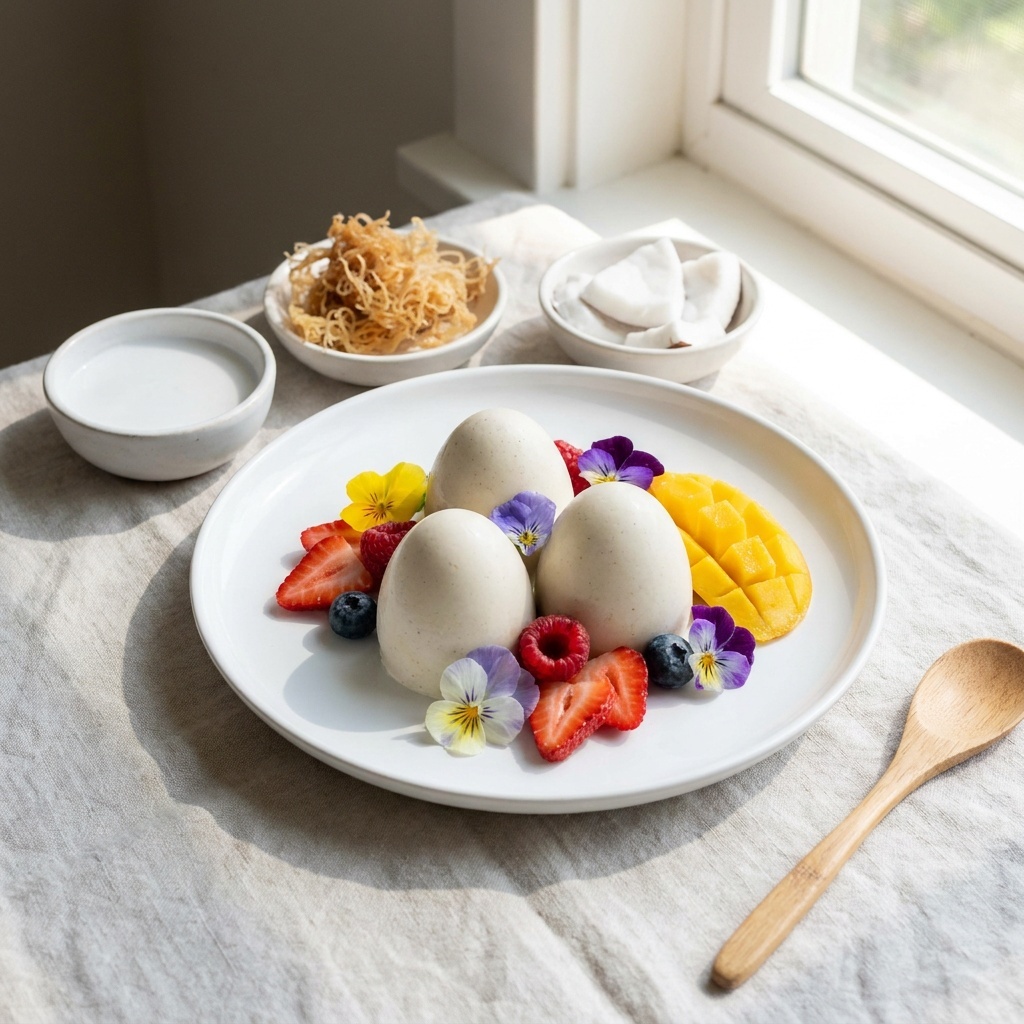
Fruity panna cotta Easter eggs

Share this article
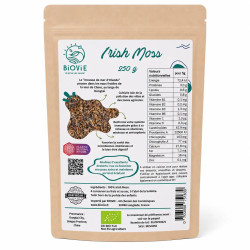
Ingredients
For the panna cotta
- 4 cups homemade coconut milk (see the tip)
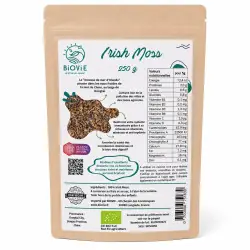
- 1/2 cup Irish moss, rinsed and soaked in hot water for at least 10 minutes
- 1 cup young coconut flesh
- 1/2 cup raw agave syrup (or another sweetener of your choice)
- The seeds of 2 vanilla pods
- 1/2 cup coconut oil
For the mint-kiwi sauce
- 3 to 4 kiwis
- 3 to 4 fresh mint leaves
- Sweetener of your choice, to adjust to taste
Preparation
- For the homemade coconut milk, soak 2 cups of unsweetened dried desiccated coconut in 4 1/2 cups of purified water for 30 minutes, then blend in a powerful blender until smooth. Strain through a nut-milk bag and discard the pulp.
- In a powerful blender, blend all the panna cotta ingredients except the coconut oil, until very smooth.
- Add the coconut oil while the blender is still running, to emulsify it properly.
- Pour the mixture into egg-shaped moulds (or any other mould of your choice) brushed beforehand with a little agave.
- Chill for 6 to 8 hours, until the panna cotta has fully set.
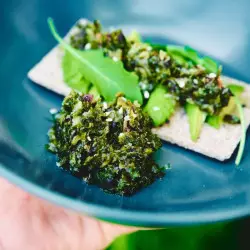
- For the sauce, blend the kiwis and the mint leaves in the blender or food processor.
- Carefully turn the panna cotta out onto the sauce when serving, and decorate with sliced kiwi and fresh mint.
Tip
Irish moss is essential for the set texture of this panna cotta: rinse it carefully before use, as it leaves no seaweed taste once blended with the other ingredients.
The full range Dry algae
10 products
FAQ: your questions about vegan panna cotta
How do you make panna cotta without gelatine?
Three main routes are open to you. Agar-agar, extracted from red seaweed, is the most common: about 2 g per litre, but it requires a minute of boiling - so no more raw version. Irish moss, used here, sets cold once blended: it is the only option compatible with a 100% raw recipe. Finally, chia seeds or starch give different textures, thicker rather than wobbling. The choice depends above all on the texture you want and on whether cooking is an option.
What can you use instead of gelatine in panna cotta?
Agar-agar is the most widespread substitute, but watch the dose: it sets about eight times more strongly than gelatine, and one pinch too many turns the dessert into a rubbery flan. Allow 1 to 2 g per litre for a texture that still wobbles. Irish moss, for its part, gives a suppler, creamier gel with no cooking - that is what makes the difference in this recipe. Pectin, finally, works mainly with acidic preparations, which makes it poorly suited to a plant milk base.
How do you set something without gelatine?
It all depends on the medium. For a hot liquid preparation, agar-agar remains the reference: brought to the boil and then cooled, it forms a firm, clean gel. Cold, soluble fibres take over: blended Irish moss, chia seeds, ground flax seeds, each giving a different texture - a silky gel for the first, a grainy gel for the other two. And do not forget the simplest solution of all: fats that are solid when cold, coconut oil or cocoa butter, which set in the fridge with no gelling agent at all.
Which ingredient can replace gelatine?
It depends on what you are trying to reproduce. For the clean firmness of a jelly, agar-agar. For the supple smoothness of a set cream, Irish moss or a carrageenan. To thicken without really setting, cornflour, arrowroot or chia. For an airy mousse, lecithin or aquafaba. None of these ingredients reproduces exactly the behaviour of gelatine, which melts at body temperature - and it is precisely that sensation in the mouth that is hardest to imitate.
Share this article