Organic mung bean seeds for sprouting
Mung bean seeds for sprouting in doypack of 90g, 700g, or 5kg bag
No queries yet, leave the first!
Price:
€9.90
Product availability:
Last items in stock
Tax included


Organic mung bean seeds for sprouting images


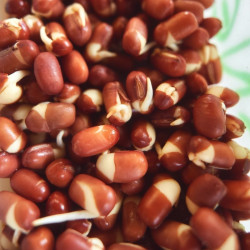
Organic Mung Bean Seeds for Sprouting
The mung bean needs no introduction: very easy to sprout, it is undoubtedly the most used seed along with alfalfa! From the legume family, the "green soybean" originates from India, where its sprouted seed has been used in Ayurvedic cooking since 1500 BC. Unlike yellow soybeans, mung beans have not been genetically modified.
🌱 Its subtle nutty and pea flavor and slightly crunchy texture pair perfectly with Asian flavors (coconut, lemongrass)... and much more!
Soaking: 24 hours
Germination: 5 days
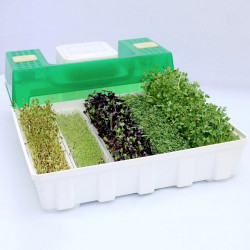
Its cultivation is very easy in the Easygreen Light or in the Easygreen Sol.
🌱 Below is a video showing you behind the scenes at our supplier Bavicchi:
🌱 A special FAQ video on sprouted seeds:
🌱 As well as a video of an interview we had the pleasure of filming with Dario Bavicchi:
🌱 Our recipes with mung bean sprouts
Practically, once sprouted, mung beans can be added raw to rolls, wraps, or bowls. Here are the blog recipes where they can be found:
Raw Spring Rolls in Zucchini Ribbons: with 105 g of mung bean sprouts.
Asian-Inspired Raw Bowl with Tahini and Tamari Sauce: with 30 g of mung bean (or sunflower) sprouts.
Green Cabbage Wraps with Shredded Mushrooms and Papaya Barbecue Sauce: with 35 g of mixed sprouts (alfalfa, mung bean, radish).
Composition: 100% mung bean seeds (Vigna radiata) from organic farming, for sprouting. Detailed nutritional values are not listed on this sheet.
🌱 To learn more about the benefits of sprouting, check out our various blog articles on the subject:
Mung Bean (Seeds and Sprouts): Composition, Culinary Uses, and Precautions
Sprouting Chart for Sprouted Seeds
🌱 As well as this interview with Eric where he tells you everything about sprouted seeds!
Best before: 30/06/2028
- Packaging: Available in doypack bags of 90g, 700g, or 5kg sack
- Best Before Date: 3 years after the production date
🌱 Your questions about sprouting mung beans
How to sprout mung beans?
Soak for 24 hours then germinate for 5 days. Mung beans are very easy to sprout, probably the most used seed along with alfalfa. To compare with other seeds, our sprouting chart provides soaking and germination times, with rinsing twice a day.
Which sprouter to use for mung beans?
Its cultivation is very easy in the Easygreen Light or in the Easygreen Sol. To compare options, see our article What is the Best Sprouter?.
What do mung bean sprouts taste like?
A subtle nutty and pea flavor, with a slightly crunchy texture. They pair perfectly with Asian flavors (coconut, lemongrass) and much more. Honestly, it's the seed to try first when starting out.
In which recipes to use mung bean sprouts?
Mostly raw, as a garnish or filling. On the blog, they are in the raw spring rolls in zucchini ribbons (105 g of sprouts), the Asian-inspired raw bowl (30 g of sprouts) and the green cabbage wraps with shredded mushrooms (35 g of mixed sprouts with alfalfa and radish).
Is mung bean the same as green soybean?
It is indeed called "green soybean." It is a legume originating from India, whose sprouted seed has been used in Ayurvedic cooking since 1500 BC. Unlike yellow soybeans, mung beans have not been genetically modified. Our article on mung beans details its composition and uses.
Can you eat mung beans raw, without sprouting them?
It's best to avoid it. According to our article on mung beans, raw seeds contain lectins that can cause digestive issues: it is recommended to sprout or cook them. These seeds are sold for sprouting.
In what formats is this seed sold and how long does it last?
In doypack bags of 90 g or 700 g, or in a 5 kg sack. The minimum durability date is 3 years after the production date.
Disclaimer: The information presented in this sheet is provided for informational purposes only and does not constitute medical advice. Consult a qualified healthcare professional before making any changes to your diet or supplementation. As part of a varied and balanced diet and a healthy lifestyle.
Updated: November 2026. Article validated by Éric Viard, founder of Biovie and engineer ISTOM, co-author of Algues au quotidien (Gallimard, 2024) - Best Cookbook in the World, Gourmand Cookbook Awards 2025, and Best Cookbook in France, National Culinary Academy 2025.
The documents that back up what we write about this product. Every document is dated; we remove those that are no longer valid.
Biovie organic certificate
Valid until 31/03/2027Bavicchi organic certificate
Valid until 02/12/2028Wondering… ?
Everything you need to know before ordering.
Be the first to ask a question about this product!
Question about the product
Ask a question