








To sleep better naturally, ten concrete levers exist: an evening meal tailored for sleep, daytime exercise, heart coherence breathing, an optimised bedroom environment (temperature, darkness, electromagnetic fields), earthing, sleep nutrients (magnesium, endogenous melatonin, plants), relaxation techniques, bed inclination, intimate connection, and the 10-3-2-1 rule. No medication. No miracle promises. Simply tested, evidence-backed practices, calibrated to your own rhythm.
35% of French adults report poor sleep, and one in five suffers from chronic insomnia (Santé publique France). Yet learning how to sleep better naturally does not necessarily mean reaching for sleeping pills — which often create more problems than they solve: dependency, disrupted sleep cycles, impaired memory. The evidence is clear.
In 33 years of commitment to living foods and naturopathy, I have tested, compared, and distilled the 10 keys that make a genuine difference. Aurélie and I practise them every day. Today I share this comprehensive guide — updated for 2026 — with all the scientific references that support it.
Honestly, if you put even three of these keys into practice, you will feel the difference in under two weeks. I promise.
Table of Contents
- Why sleep is vital: what neuroscience tells us in 2026
- Key #1 — The right evening diet for better sleep
- Key #2 — Physical activity: your ally for restorative sleep
- Key #3 — Creating a sleep-friendly environment
- Key #4 — Giving your body the nutrients it needs for sleep
- Key #5 — Relaxation and meditation techniques
- Key #6 — Optimising your sleep position
- Key #7 — Sleep hygiene: the 10-3-2-1 rule
- Key #8 — Morning natural light exposure
- Key #9 — The grounding mattress pad (earthing)
- Key #10 — Intimate connection: the overlooked sleep ally
- When to see a professional
- Conclusion
- Your questions answered (FAQ)
Why sleep is vital: what neuroscience tells us in 2026
Sleep is not a passive state. While you sleep, your brain literally cleans itself. A mechanism only discovered in 2013. Fascinating, isn't it?
The glymphatic system: your brain takes out the rubbish at night
In 2012, the team of Danish researcher Maiken Nedergaard at the University of Rochester published a landmark discovery in Science Translational Medicine. During deep sleep, the spaces between brain cells expand by 60%. Cerebrospinal fluid then flows through them like a cleansing river. This system, named the glymphatic system, eliminates beta-amyloid proteins — the very proteins that accumulate in Alzheimer's disease (Iliff et al., 2012).
In practical terms: sleeping poorly means leaving waste to accumulate in your brain. Over the long term, this is a well-documented risk factor for neurodegenerative disease. And it also explains the mental fog after a bad night. You know exactly what I mean.
Sleep cycles: 4 to 6 trains you cannot afford to miss
A full night's sleep consists of 4 to 6 cycles of roughly 90 minutes each. Every cycle alternates between several stages:
- Light slow-wave sleep: transition phase, sensitivity to noise;
- Deep slow-wave sleep: physical recovery, growth hormone secretion, peak glymphatic drainage;
- REM sleep: memory consolidation, emotional regulation, vivid dreams.
You have surely noticed: waking in the middle of deep sleep is brutal. Waking at the end of a cycle feels gentle. Regular sleep times allow your body to align its natural waking point with the end of a cycle. That changes everything.
How many hours of sleep do adults need? The 2026 official guidance
According to ANSES recommendations and France's new Sleep Plan 2025-2026 from the Ministry of Health, an adult needs 7 to 9 hours of sleep per night. Needs vary from person to person: some manage on 6 hours, others need 9 to function well.
The Sleep Plan 2025-2026 also recommends: no screens in the hour before bed, regular sleep and wake times (including weekends), at least 2 hours 30 minutes of physical activity per week, and morning exposure to natural light. You will notice these overlap with several of the keys in this article.
The public health stakes
Insufficient or poor-quality sleep increases the risk of cardiovascular disease, depression, weight gain, metabolic disorders, and cognitive decline (sources: INSERM and Santé publique France). The implications go far beyond simply feeling tired.
That is the why. Now let us move on to the 10 concrete keys.
Key #1 — The right evening diet for better sleep
The evening I realised my digestion was sabotaging my nights, I changed my dinner habits forever. I used to eat heavily and late. I would fall asleep, yes — but I would wake at 3 a.m. with a burning stomach. Since I lightened up, my nights have been genuinely deep. Really.
Diet and sleep are linked by a clear mechanism: digestion mobilises energy, raises internal body temperature, and inhibits melatonin production. According to Crispim et al. (Brain Behav Immun, 2011), an unbalanced evening meal alters sleep architecture, with a reduction in REM sleep.
Choose a light, plant-based evening meal
Favour in the evening:
- raw soups (raw pumpkin soup, raw lettuce soup, raw coconut/curry soup);
- a homemade avocado and seaweed tartare (recipe here);
- tryptophan-rich foods: banana, almonds, pumpkin seeds, dates, oats, legumes. Tryptophan is the amino acid precursor to serotonin, which in turn is the precursor to melatonin.
Avoid in the evening:
- caffeine after 2 p.m. (half-life of 5 to 6 hours; in 25% of the population it persists for up to 10 hours). The worst offenders: coffee, black tea, green tea, matcha, cola drinks, dark chocolate > 70%.
- alcohol. Yes, it sends you to sleep. But it destroys REM sleep architecture. You sleep, but you do not recover.
- heavy meals in the 3 hours before bedtime. Ideally, finish dinner by 7–8 p.m. for a 10–11 p.m. bedtime.
- highly sugary or high-glycaemic foods at dinner (white pasta, pastries) — they cause nocturnal micro-arousals.
Biovie tip: a typical "evening bowl" of half an avocado, seaweed tartare, sprouted seeds, and a spoonful of spirulina flakes, alongside a warm raw soup — it is light, nutrient-dense, and promotes endogenous melatonin production. Simple and remarkably effective.
Using digestive and metabolic enzymes
Faster, more complete digestion means less energy mobilised overnight, less fermentation, and fewer nocturnal awakenings from digestive discomfort. Simple in principle, yet remarkably powerful in practice.
For my part, I take Assimil digestive enzymes with my evening meal when it is slightly heavier than usual. Assimil enzymes contain a complete complex (proteases, lipases, amylases, lactase, cellulase) that takes over from our enzymatic capacity — a capacity that naturally declines from our forties onwards.
Aurélie and I also offer Metabolic enzymes, which are more specifically targeted at post-meal intestinal discomfort and bloating.
"Aurélie and Éric are always on the lookout for products of the highest quality. I am absolutely thrilled with the digestive enzymes — I cannot do without them now!"
Chon du Barry, Trustpilot review 5/5
Want to learn more about the role of enzymes? Read our full article on the role of enzymes in digestion.


Easier digestion supports a more peaceful transition into sleep. Simple as that.
Key #2 — Physical activity: your ally for restorative sleep
A meta-analysis involving 4,539 participants (Banno et al., PeerJ, 2018) demonstrates that regular physical exercise significantly reduces insomnia symptoms. The evidence is solid, well-documented, and costs nothing.
The mechanism is threefold: exercise increases sleep pressure (adenosine), regulates daytime cortisol, and promotes the secretion of calming endorphins. Three benefits for the price of one.
Exercise during the day
The ideal: 30 to 60 minutes of moderate activity daily. Brisk walking, cycling, swimming, yoga, rebounding on a trampoline. You do not need to become a marathon runner — consistency matters more than intensity.
A few simple principles:
- Morning or early afternoon: the best time for intense exercise. Avoid vigorous cardio after 7 p.m. (it raises cortisol and body temperature, delaying sleep onset).
- Late in the day: favour gentle yoga, stretching, a calm walk, or… rebounding. Ideally do it outside in the morning. Daylight synchronises your internal clock better than any pill.
- If you work from home: schedule 3 brief active breaks throughout the day (5 minutes each). Your body needs to move in order to truly rest later.
For my part, I start every day with 15 minutes on the trampoline and 10 minutes of barefoot walking in the garden. It has become a ritual. My wife laughs watching me jump, but by evening I fall asleep like a baby. And it simply puts you in a good mood.
Practising heart coherence — like Léon Marchand
Heart coherence is one of the most powerful techniques I know for calming the nervous system. Léon Marchand — the French quadruple Olympic swimming champion at Paris 2024 (4 gold medals + 1 silver) — practises it before every race. If it can calm a swimmer before the 400 m individual medley final, it can surely help you fall asleep.
What is heart coherence?
It is a conscious breathing technique that synchronises heart rate, breathing, and blood pressure. The target rhythm: 5 seconds inhale, 5 seconds exhale, for 5 minutes (the so-called 3-6-5 method: 3 times per day, 6 cycles per minute, 5 minutes). A single session of breathing at 6 cycles per minute increases vagal activity (measured as RMSSD), a direct indicator of parasympathetic relaxation (Laborde et al., Frontiers in Physiology, 2021).
How to practise in concrete terms
Three options:
- The free Respirelax+ app: the most widely used in France. A ball rises and falls — you simply follow the rhythm. Simple and remarkably effective.
- The Zenspire device: a small physical object with a light that pulses at the breathing rhythm. Practical for children or people who prefer to avoid screens. With code BIOVIE10, you get 10% off at dream-machine.tech.
- No equipment: count mentally 1-2-3-4-5 on the inhale, then 1-2-3-4-5 on the exhale. Do it in the dark, lying in bed, just before you want to sleep.
Observed benefits
- Measurable drop in salivary cortisol within 5 minutes;
- Heart rate reduction of 5 to 10 beats per minute;
- A near-immediate sense of calm;
- Long-term improvement in heart rate variability (HRV).
Integrating it into your routine
Three ideal moments: on waking (to start the day calm), before lunch (to release morning stress), and before bed (to facilitate sleep onset). The evening session is the most important if you struggle with insomnia.
To go further on natural tools for stress and sleep, read our complete guide on stress and sleep.
Key #3 — Creating a sleep-friendly environment
Marie, 42, was sleeping 8 hours a night yet woke up exhausted. The culprit? A bedroom at 23°C and an alarm clock with a bright blue display. Two adjustments changed everything.
Your bedroom is your sanctuary — not an office, not a TV lounge, not a storage room. Here is the checklist for an optimal sleep environment:
- Temperature: 16 to 19°C (Sleep Foundation recommendation). A drop in body temperature is the body's primary sleep-onset signal; an overly warm room blocks this mechanism.
- Complete darkness: total blackout. Even the faintest light (TV LED, street lamp) inhibits melatonin. Solutions: shutters, blackout curtains, or a simple silk sleep mask.
- Humidity: 40 to 60%. Too dry and you cough; too humid and you suffocate.
- Quiet: below 30 decibels. Wax or foam earplugs if needed.
- Ventilation: open windows for 10 minutes in the morning and 10 minutes before bed. Accumulated CO₂ degrades sleep quality.
- Decluttering: no piles of laundry, no work screen. Visually and energetically, let the space breathe.
Removing all sources of electromagnetic fields
Electromagnetic fields (Wi-Fi, smartphone, DECT cordless phone, smart meters) can disturb deep sleep in sensitive individuals. ANSES, in its report on radiofrequencies, recommends reducing Wi-Fi exposure during sleep, particularly for children.
A few simple steps:
- Put your smartphone in aeroplane mode at night, or move it to another room (and never under the pillow).
- Switch off your Wi-Fi router at night using a timer plug. If you are concerned about missing an emergency call, keep cellular active on your phone in another room.
- Unplug your DECT cordless phone or replace it with an ECO+ model that does not emit when on standby.
- Avoid sleeping against a wall shared with an electricity meter or internet router.
To go further, read our 8 tips for reducing electromagnetic exposure even if you are not electrosensitive.
Did you know? A bedroom free of electromagnetic fields is also a bedroom where children sleep better. My own children's sleep improved within days of switching off the Wi-Fi at night. No placebo effect: a direct observation, sustained over several weeks.
Key #4 — Giving your body the nutrients it needs for sleep
70% of French adults are deficient in magnesium. Yet magnesium is the mineral most crucial to a calm nervous system. Without it, your brain stays in alert mode, even in bed.
Magnesium: the number-one sleep mineral
Magnesium is a cofactor in more than 300 enzymatic reactions. It plays a key role in the production of GABA, the calming neurotransmitter par excellence.
Pivotal study: a meta-analysis of 3 randomised controlled trials on 151 older subjects (Mah & Pitre, BMC Complement Med Ther, 2021) observed an average reduction of 17.36 minutes in sleep onset latency versus placebo. A 2024 trial published in Nature & Science of Sleep confirmed these findings with magnesium bisglycinate supplementation over 8 weeks.
Dietary sources of magnesium:
- pumpkin seeds (550 mg / 100 g);
- almonds (270 mg / 100 g);
- raw cacao powder (500 mg / 100 g);
- leafy green vegetables (spinach, lamb's lettuce);
- micro-algae: klamath, spirulina, chlorella.
For supplementation, several options exist. Magnesium bisglycinate is the best-absorbed and best-tolerated form. But my personal favourite is hypertonic Quinton® marine plasma. Why? Because it delivers not only highly bioavailable magnesium, but the full spectrum of minerals and trace elements in proportions close to human blood plasma — a discovery by French biologist René Quinton at the end of the nineteenth century.
Magnesium contributes to normal nervous system function. As part of a varied, balanced diet and a healthy lifestyle.

Standard dosage for hypertonic Quinton® marine plasma: 10 to 30 ml per day, preferably on an empty stomach in the morning. For sleep support, some people prefer a late-afternoon intake.
Endogenous melatonin: how to produce it naturally
Melatonin is the queen hormone of sleep. It is produced by your pineal gland from serotonin, which itself comes from tryptophan. The entire process depends on a simple biochemical cascade: tryptophan → serotonin → melatonin.
Conditions for optimal production:
- complete darkness (even the faintest blue light inhibits the conversion);
- a drop in body temperature (hence the cool bedroom);
- calm (no cognitive stimulation);
- regular sleep timing (your pineal gland loves routine).
The natural melatonin peak occurs approximately 3 hours after you fall asleep.
Primary inhibitors: blue screen light, caffeine, alcohol, stress, overly heavy meals.
The Sleep Plan 2025-2026 from France's Ministry of Health explicitly recommends turning off screens 1 hour before bed. Personally, I find this single measure changes everything. Try it for 7 days — you will see.
Important note: melatonin supplementation is effective for jet lag (1 to 2 weeks maximum). Used chronically, it can desynchronise your internal clock. Always prefer stimulating your own endogenous production.
Adaptogenic plants for sleep
Several plants traditionally used to promote relaxation and sleep have received official recognition from the European Medicines Agency (EMA/HMPC):
- Valerian (Valeriana officinalis): EMA monograph "traditional use". Demonstrated reduction in sleep onset latency (meta-analysis, American Journal of Medicine, 2006, 16 clinical trials). Dosage: 400–600 mg of dry extract, 30 minutes before bed. Caution: do not combine with sleeping pills or anxiolytics without medical advice; increased vigilance required if driving at night.
- Passionflower (Passiflora incarnata): EMA monograph, anxiolytic action. Particularly useful for stress-related insomnia and mental rumination.
- Lemon balm (Melissa officinalis): recognised traditional use, gentle, ideal in blended infusions.
- Hops (Humulus lupulus): mild sedative, often combined with valerian.
- California poppy (Eschscholtzia californica): improves sleep quality without causing dependency.
- True lavender (Lavandula angustifolia): essential oil, 2 drops on the pillow.
On the Biovie side, I love mentioning klamath: this freshwater micro-algae, harvested from Klamath Lake in Oregon, is rich in PEA (phenylethylamine), a molecule that modulates mood and indirectly improves sleep quality by reducing daytime anxiety. It is also exceptionally rich in magnesium, iron, and B-group vitamins. A true superfoods for the nervous system.
€39.90
Wild Algae from Klamath Lake
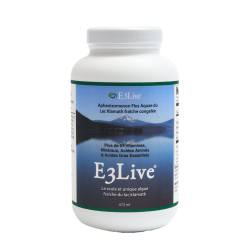
Standard dosage for liquid klamath: 5 ml in the morning, on an empty stomach, diluted in a glass of water.
Key #5 — Relaxation and meditation techniques
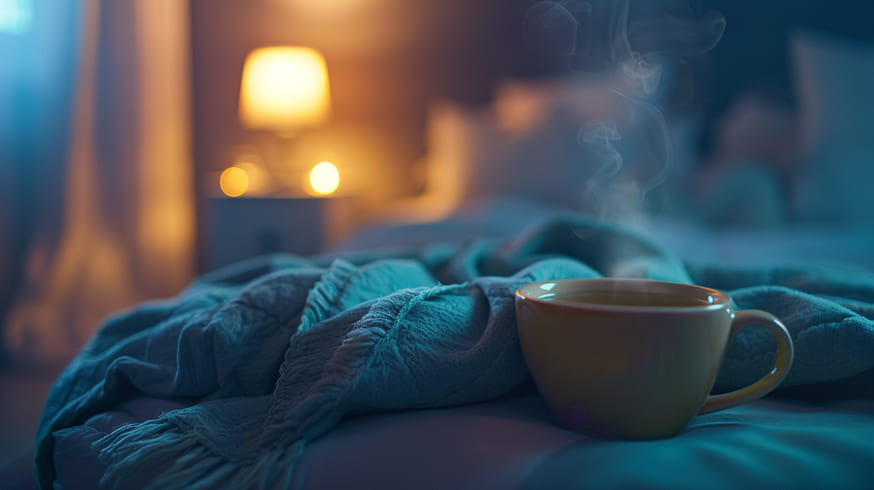
Modern society over-stimulates us constantly. Smartphones, notifications, professional demands around the clock, family cognitive load… By the end of the day, our sympathetic nervous system (alert mode) is saturated. Yet to sleep, we need to shift into the parasympathetic nervous system (rest mode). This shift does not happen automatically. We need to help it along.
An evening herbal tea ritual to sleep better naturally
The evening herbal tea is a grounding ritual. More than its active compounds, it is the gesture itself — heating the water, choosing your plant, infusing, drinking mindfully — that prepares the brain for sleep. And that, in my view, is what matters most.
The best plants for infusion:
- Linden (lime blossom): gentle, centrally calming. The classic childhood herbal tea.
- Verbena: digestive and mildly sedative, perfect after dinner.
- Roman chamomile: gently anxiolytic, suitable for children too.
- Passionflower: for anxiety-driven insomnia and mental rumination.
- Valerian: the strongest option (reserved for adults; avoid if driving at night).
- Hops: sedative; combine with passionflower and valerian.
- Lemon balm: gentle and digestive; pleasant alone or blended.
- California poppy: improves sleep quality without dependency.
- Rooibos: caffeine-free, slightly sweet, a gentle evening base.
A variation I love: golden milk with turmeric, black pepper, cinnamon, and ginger in a plant-based milk (almond or oat). Anti-inflammatory, comforting, perfect in winter.
Important precaution: limit the volume to 200 ml before bed. Beyond that, you risk nocturnal awakenings from nocturia (the urge to urinate). Waking at 3 a.m. because you drank three cups of herbal tea at 10 p.m. is rather counterproductive. Trust me on that one.
For more powerful adaptogenic plants (valerian dry extract, passionflower), refer back to the previous section on sleep nutrients.
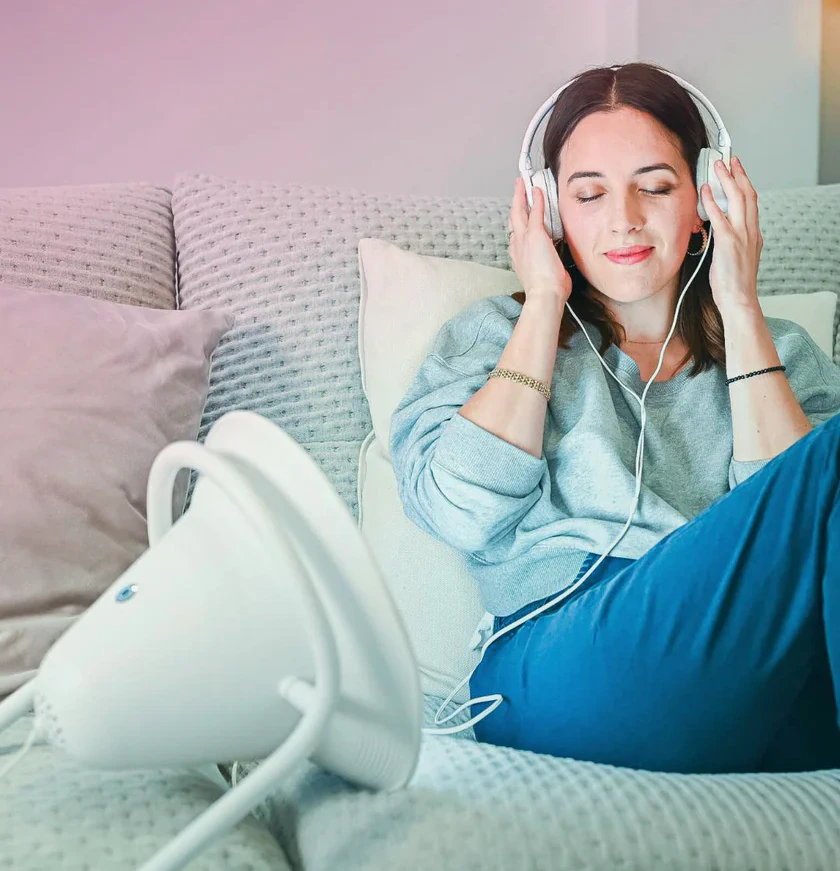
A dream-machine session
The dream-machine is one of my recent personal favourites. It is a device invented in the 1960s by artist Brion Gysin and neuroscience researcher William Grey Walter. It consists of a rotating perforated cylinder that, placed in front of a light source, produces a precise stroboscopic effect (between 8 and 13 Hz — the brain's alpha frequency at rest).
You close your eyes. You let the light pulse over your eyelids. After a few minutes, your brain shifts into alpha waves — the state you recognise just before falling asleep, or during deep meditation. Coloured visions, shifting mandalas, a profound sense of calm. It is both disconcerting and wonderful.
In practice: a 15 to 20-minute session in the early evening prepares you for rapid sleep onset. Regular users report a clear improvement in the quality of their nights.
Practical note: the brand dream-machine.tech offers several models. With code BIOVIE, you receive a discount at their store. Partner link: https://dream-machine.tech/biovie
Precaution: the dream-machine is contraindicated in cases of photosensitive epilepsy. If you have any doubt, consult a neurologist before use.
Key #6 — Optimising your sleep position
The position you adopt when sleeping directly influences sleep quality, nocturnal digestion, your back, your neck, and even cerebral circulation. Here is the story.
Left side: the recommended position
Sleeping on the left side is generally the most beneficial position:
- promotes cerebral lymphatic drainage (glymphatic system);
- supports the digestive system (the stomach sits on the left side);
- reduces gastro-oesophageal reflux;
- eases the heart by reducing pressure on the right atrium.
On your back: acceptable, but may worsen snoring and sleep apnoea. Avoid if you snore.
On your stomach: avoid if possible. Bad for the neck, bad for the lower back.
Slightly inclining your bed (Inclined Bed Therapy)
Inclined Bed Therapy (IBT) involves raising the head of the bed by 10 to 15 cm using blocks or wedges placed under the front legs. The inclination is approximately 5 to 8 degrees — a very gentle slope, yet sufficient.
The practice was popularised by British researcher Andrew K. Fletcher in the 1990s. Clinically documented benefits include improvement of gastro-oesophageal reflux, reduction of mild sleep apnoea episodes, and — a more recent scientific argument — enhanced drainage of the glymphatic system (see the neuroscience section at the start of this article).
How to set it up in concrete terms:
- Measure the wedge height needed (10 to 15 cm on average).
- Choose sturdy wedges: bricks, concrete blocks, hardwood blocks, or dedicated commercial bed risers.
- Place the wedges under the two feet at the head of the bed (never under the slats alone).
- Check stability: your bed must not shift or rock.
- Test progressively: 5 cm in the first week, 10 cm in the second, and so on.
Precautions: not recommended in cases of uncontrolled glaucoma, certain cardiac conditions, or active lumbar disc herniation. If in doubt, consult your doctor.
To go further, read our full article on bed inclination.
For my part, I have been practising IBT for nearly 5 years. My bed is inclined by about 12 cm. The first week feels slightly odd — a vague sense of sliding. By the end of the week, you adapt completely. And then… you simply cannot go back.
Key #7 — Sleep hygiene: the 10-3-2-1 rule
Have you heard of the 10-3-2-1 rule? It is the simplest method for preparing your sleep starting from the morning. A five-step countdown, popularised by Dr Craig Canapari of the Yale Sleep Center, that respects biological rhythms.
- 10 hours before bed: last caffeine intake. Caffeine has a half-life of 5 to 6 hours and persists for up to 10 hours in 25% of the population. If you want to be asleep by 11 p.m., your last coffee should be before 1 p.m. For my part, I switched to decaffeinated coffee in the afternoon long ago.
- 3 hours before bed: last heavy meal. Digestion should be well under way by the time you go to bed, so it does not disrupt deep sleep.
- 2 hours before bed: end of intense intellectual work (meetings, strategic projects, heated discussions). Your brain needs a decompression buffer before the night.
- 1 hour before bed: screens off. Blue light inhibits melatonin production. If you truly cannot manage, enable the warm light filter and reduce brightness to its lowest setting.
- 0: zero alcohol in the evening. Alcohol creates the illusion of sleep onset but destroys REM sleep architecture. You sleep, but you do not recover.
Applied daily, this rule significantly improves sleep quality within 2 to 3 weeks. It is by far the simplest and most effective routine for regaining control of your nights.
One trick I adopted: I set 5 gentle alarms on my phone, one at each step. My internal coach. After 3 weeks, I no longer needed the alarms — it had become instinctive.
Key #8 — Morning natural light exposure
The single most powerful gesture for sleeping well at night happens at waking: step outside into daylight for 10 to 20 minutes. Yes, you read that right. To sleep better in the evening, expose yourself to light in the morning.
The mechanism: daylight (10,000 to 100,000 lux depending on weather and season) suppresses melatonin at waking and stimulates its endogenous production later in the day. Result: by evening, your brain has abundant reserves ready to send you to sleep.
A striking experiment: Wright et al. published in 2013 in Current Biology the results of a one-week camping trip with 8 participants. With no artificial light at all — only natural day/night alternation — their melatonin production resynchronised within 7 days. Night owls became early risers. Naturally.
Practical recommendations:
- 10 to 30 minutes of morning exposure, ideally between 7 and 10 a.m.;
- without sunglasses or glass (glass filters the activating wavelengths);
- gentle activity: walking, gardening, morning coffee on the balcony, outdoor exercise.
- In winter or when working from home: use a 10,000-lux light therapy lamp for 30 minutes in the morning. Essential above the 45th parallel North from October to March.
Complementary tip: barefoot walking on morning grass combines natural light exposure with electrical grounding. A double circadian benefit. My favourite ritual, that one.
Want to explore another angle on therapeutic light? Read our article on testing red light for insomnia.
Key #9 — The grounding mattress pad (earthing)
Earthing — or grounding — means re-establishing direct electrical contact between the human body and the Earth's surface. The ground carries a negative charge (free electrons). Our bodies, constantly exposed to modern electromagnetic fields, accumulate positive charges. Direct contact (bare feet on grass, sand, or damp earth) enables electrical re-balancing.
The problem: in modern life, we almost constantly wear insulating soles (rubber, plastic) and live on upper floors. We are electrically isolated from the ground at all times.
The solution: sleeping on a grounding mattress topper connected to the earth. During the 7 to 9 hours of sleep, your body re-balances electrically.
Available scientific studies:
- Ghaly & Teplitz, Journal of Alternative and Complementary Medicine, 2004: pilot study on 12 grounded participants over 8 weeks. Observed reduction in nocturnal cortisol and resynchronisation of the circadian rhythm.
- Lin et al., Healthcare (MDPI), 2022: study on patients with mild Alzheimer's. Improvement in sleep quality and overall wellbeing after 12 weeks of nocturnal grounding.
In practice: the brand Inalterra offers quality grounding mattress toppers, manufactured in France. I personally tested the Inalterra topper for 18 months. With code BIOVIE10, you get a discount at their online store.
Important precaution: your electrical installation must have a compliant earth connection. Without one, the opposite effect can occur (the topper acts as an antenna rather than discharging the buildup). Have your earth connection checked by an electrician if you have any doubt.
Biovie video: Sébastien from Inalterra and I recorded a video on electromagnetic pollution and sleep. Watch it on the Biovie YouTube channel.
As a complement, also read our 8 tips for reducing electromagnetic exposure — free, immediate, and genuinely impactful.
Key #10 — Intimate connection: the overlooked sleep ally
This final key tends to raise a smile. Yet it is one of the most universal and most powerful. Making love with your partner promotes rapid and deep sleep. Not an obligation, never a prescription — a mutual pleasure that happens to be an excellent natural sleep aid.
The mechanism: orgasm triggers a cascade of calming hormones.
- Oxytocin: the "bonding hormone", it soothes and reduces cortisol.
- Endorphins: natural pain relievers that relax the muscles.
- Prolactin: a post-orgasmic peak, strongly associated with the feeling of satisfaction and drowsiness.
- A drop in cortisol: the decrease in stress facilitates sleep onset.
Scientific study: Lastella et al., Frontiers in Public Health, 2019. Survey of 778 adults. 64% of participants reported sleeping better after sexual activity with orgasm. The benefit was observed both for sleep onset and for subjective sleep quality.
Important point: the benefit is demonstrated with orgasm. Without orgasm, the effect is smaller, particularly in women. This is physiological — not a moral generalisation.
And then there is simple tenderness. Extended cuddles, mutual massage, skin-to-skin contact. Oxytocin does not require sexual activity — it is also released by 20 seconds of a heartfelt embrace. An excellent evening ritual, whether as a couple or as a family.
Right. Those are our 10 keys. But one topic remains: when to seek professional help.
When to see a professional
The natural methods presented in this article work for approximately 80% of mild to moderate sleep difficulties. But there are 20% of situations that require medical attention. Here are the warning signs:
- Persistent insomnia > 3 months despite seriously applying the above advice → GP or sleep medicine specialist.
- Loud snoring with observed breathing pauses (by your partner) → suspected obstructive sleep apnoea. Consult a pulmonologist or sleep centre; polysomnography is indicated.
- Debilitating daytime sleepiness (involuntary falling asleep in meetings or while driving) → urgent medical consultation required.
- Recurring anxious awakenings, rumination, dark thoughts, or signs of depression → GP or psychiatrist.
- Restless legs syndrome (inability to keep legs still in the evening) → specialist referral.
- Recurring violent nightmares, night terrors, or persistent sleepwalking → sleep medicine specialist.
Natural methods never replace individual medical advice. They very often complement it well, in agreement with your practitioner.
Conclusion: learning how to sleep better naturally is possible
This list is of course not exhaustive, but it covers 95% of the levers that make a genuine difference. Let us recap the 10 keys:
- Adapted diet: light, plant-based evening meal, rich in tryptophan. Digestive enzymes when needed.
- Daily physical activity, ideally outdoors in the morning.
- Optimised bedroom environment: 16–19°C, total darkness, electromagnetic fields removed.
- Sleep nutrients: magnesium (dietary or Quinton® marine plasma), stimulated endogenous melatonin, adaptogenic plants.
- Relaxation techniques: herbal tea, heart coherence, dream-machine.
- Sleep position: left side, inclined bed.
- The 10-3-2-1 rule: 10 h without caffeine, 3 h without heavy food, 2 h without intense brain work, 1 h without screens, 0 alcohol.
- Morning natural light: 10 to 30 minutes from the moment you wake.
- Earthing: grounding mattress topper.
- Intimate connection: calming hormones, oxytocin, prolactin.
And if you could take away only ONE thing? Consistency. Go to bed and wake at fixed times 7 days a week, weekends included. Your biological clock loves predictability. It will repay you a hundredfold.
Try it — and you will never want to stop!
Want to go further? Sign up for our Biovie newsletter to receive our upcoming wellness guides, living food recipes, and exclusive subscriber offers.
"As a nutritional therapist, I am constantly looking for organic, ethical, and effective products. For premium organic produce, you can order from Biovie with complete confidence."
Prisca Trebuchère, nutritional therapist, Trustpilot review 5/5
Your questions answered (FAQ)
1. How do you sleep better naturally when nothing seems to work?
Start by applying 3 simple levers: go to bed at a fixed time, remove screens 1 hour before bed, and practise 5 minutes of heart coherence lying down (5-second inhale / 5-second exhale). At the same time, check your environment (16–19°C, total darkness). You will notice improvement within 1 to 2 weeks.
2. What is the 10-3-2-1 rule for sleep?
It is a simple routine: 10 hours before bed, no more caffeine; 3 hours before, no heavy meals; 2 hours before, no intense cognitive work; 1 hour before, no screens. And 0: no alcohol. Applied daily, it significantly improves sleep quality within 2 to 3 weeks.
3. What should I do if I wake in the middle of the night and cannot get back to sleep?
If you are awake for more than 20 minutes, get out of bed. Go to another room with dim light (ideally red light), read a paper book, or practise heart coherence for 5 minutes. Avoid all screens. Return to bed as soon as drowsiness returns. Never force sleep.
4. Why won't my brain switch off even when I am exhausted?
This is mental hyperactivity, often linked to stress, anxiety, or excessive screen use. The brain stays locked in alert mode. Practise heart coherence, write your thoughts in a journal, breathe slowly while lying down. Build a calming routine in the hour before bed. Consistency creates the reflex.
5. Does magnesium really help with sleep?
Yes. A meta-analysis published in 2021 (BMC Complement Med Ther) on 151 older adults showed an average reduction of 17 minutes in sleep onset time with magnesium supplementation. Magnesium supports normal nervous system function and promotes the production of GABA, the calming neurotransmitter.
6. How many hours of sleep does an adult need?
According to ANSES and France's Sleep Plan 2025-2026, an adult needs 7 to 9 hours of sleep per night, with individual variation. Regularity of schedule is as important as duration. Go to bed and wake at the same times, weekends included.
7. How do you fall asleep fast and naturally?
Three cumulative levers: a cool, dark bedroom (16–19°C), 5 minutes of heart coherence lying in bed (5/5 rhythm), and screens off 1 hour before. On difficult evenings, add an herbal tea (verbena, passionflower, valerian) 30 minutes before bed. Repeating these actions forms an automatic sleep-onset routine.
8. What is the best position to sleep in?
The left side is generally the recommended position: it facilitates cerebral glymphatic drainage, supports digestion (the stomach sits on the left), and reduces gastro-oesophageal reflux. The back is acceptable but can worsen snoring. The stomach should be avoided to protect the neck and lower back.
9. Which foods should you avoid in the evening for better sleep?
Avoid caffeine (coffee, black tea, green tea, matcha, sodas) after 2 p.m., even light alcohol, heavy or fatty meals in the 3 hours before bed, fast-release sugars (pastries, white pasta), and very spicy foods. Favour raw soups, vegetables, legumes, and tryptophan-rich foods (almonds, banana, dates).
10. When should you see a doctor about sleep problems?
See a doctor if insomnia persists for more than 3 months despite applying natural remedies, if you have loud snoring with breathing pauses (suspected apnoea), debilitating daytime sleepiness, or recurring anxious awakenings with signs of depression. Polysomnography is the gold-standard diagnostic test.
Scientific references
- Iliff JJ et al. (2012). A paravascular pathway facilitates CSF flow through the brain parenchyma and the clearance of interstitial solutes, including amyloid-β. Science Translational Medicine. DOI
- Sleep Plan 2025-2026, French Ministry of Health and Prevention. sante.gouv.fr
- Mah J & Pitre T (2021). Oral magnesium supplementation for insomnia in older adults. BMC Complement Med Ther. PMC8053283
- Laborde S et al. (2021). Effects of voluntary slow breathing on heart rate and heart rate variability. Frontiers in Physiology. PMC8656666
- Ghaly M & Teplitz D (2004). The biologic effects of grounding the human body during sleep. J Altern Complement Med. PDF
- Lin CH et al. (2022). Earthing intervention on patients with mild Alzheimer's. Healthcare (MDPI). PMC8954071
- Wright KP et al. (2013). Entrainment of the human circadian clock to the natural light-dark cycle. Current Biology. Cell
- Lastella M et al. (2019). Sex and sleep: perceptions of sex as a sleep promoting behavior. Frontiers in Public Health. PMC6510928
- Banno M et al. (2018). Exercise can improve sleep quality: a systematic review and meta-analysis. PeerJ. PeerJ
- EMA/HMPC Community herbal monograph on Valeriana officinalis. EMA
- ANSES — Radiofrequencies and health. ANSES
- Crispim CA et al. (2011). Relationship between food intake and sleep pattern in healthy individuals. Brain Behav Immun.
Last updated: June 2026. Article reviewed by Éric Viard, founder of Biovie and ISTOM engineer, co-author of "Algues au quotidien" (Gallimard, 2024) — Best Cookbook in the World, Gourmand Cookbook Awards 2025, and Best Cookbook in France, Académie Nationale de Cuisine 2025.
Disclaimer: The information presented in this article is provided for informational purposes only and does not constitute medical advice. Consult a qualified healthcare professional before making any changes to your diet or supplementation. As part of a varied, balanced diet and a healthy lifestyle.