Joint pain during menopause: algae omega-3s make a difference
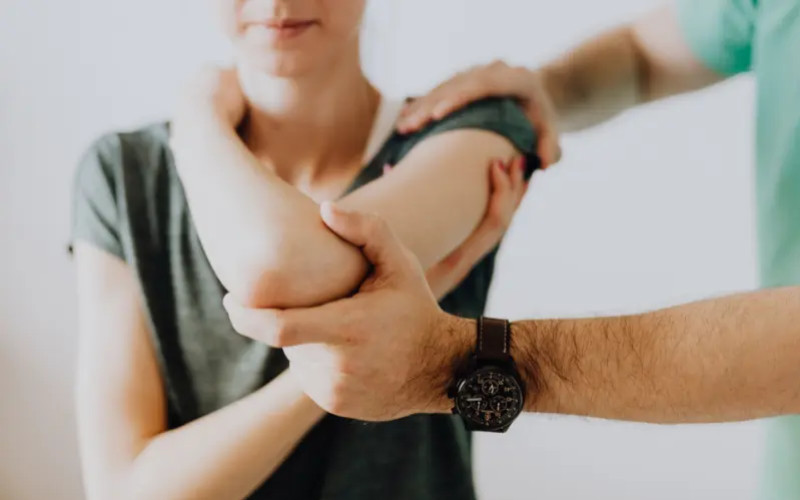
Joint pain affects more than 50% of women during menopause-a symptom often attributed to aging, although it is directly linked to the drop in estrogen levels. This hormone actively protects joint cartilage: when it decreases, a low-grade chronic inflammation can set in. The omega-3 EPA and DHA from marine algae can help reduce this inflammation*, by acting on pro-inflammatory mediators (IL-6, TNF-α) that estrogens no longer regulate. Unlike fish oils, algae represent the original source of EPA and DHA - without heavy metals, without environmental impact, and perfectly suited to all diets. In this article, you will find the mechanism, scientific studies, and a gradual integration protocol.
*A varied and balanced diet and a healthy lifestyle are important.
Why does menopause cause joint pain ?
Over the years, several women from our Biovie community have informally mentioned through various means questions that I would summarize as follows: "Since my menopause, I've been experiencing pain in my knees and hands that I didn't have before. Is this normal?"
Frankly, yes - and no. These joint pain during menopause are common, but they are not inevitable. To understand why they occur, it is first necessary to understand what estrogen was doing for your joints before it declined.
The protective role of estrogens on cartilage
Estrogens are not just reproductive hormones. They exert a direct action on the articular cartilage: they stimulate chondrocytes (the cells that produce and maintain cartilage), regulate collagen production, and modulate pro-inflammatory cytokines such as interleukin-6 (IL-6) and TNF-α (tumor necrosis factor).
Concretely, as long as your estrogen levels are normal, your body has a sort of natural hormonal buffer against joint inflammation. When these levels drop sharply at menopause, this buffer disappears.
The inflammatory cascade: what happens when estrogen levels drop
This is where the phenomenon of menopausal arthralgia sets in. Without hormonal regulation, pro-inflammatory cytokines (IL-6, TNF-α) become less controlled. A low-grade chronic inflammation can then gradually settle in the joints - knees, shoulders, hands, hips - causing morning stiffness, movement discomfort, and diffuse pain that you didn't experience at 40.
This phenomenon affects more than 50% of women in peri-menopause and menopause. It is documented in the gynecological clinical literature, and it has a name: menopausal arthralgia.
What few people know is that diet can play an important role in this inflammatory mechanism. And this is precisely where algae-derived omega-3s come into play.
→ To understand menopause in detail and its multiple dimensions, I invite you to consult our comprehensive guide on the Biovie blog.
Omega-3 and menopausal arthralgia: what does the science say ?
I want to be rigorous on this point because at Biovie we are not here to sell you promises, and we are not authorized to intervene in health matters per se. Nevertheless, the scientific data on omega-3 and joint inflammation is serious - and it deserves to be presented clearly.
EPA and DHA: Fatty acids that "resolve" inflammation
Long-chain omega-3s - EPA (eicosapentaenoic acid) and DHA (docosahexaenoic acid) - act at a fundamental cellular level in the regulation of inflammation.
EPA is the direct precursor of resolvins and protectins, two families of molecules discovered in recent decades, which do not merely block inflammation like a traditional anti-inflammatory would: they actively participate in its resolution. This is a fundamentally different biological mechanism.
In reality, when your body has a sufficient supply of EPA, it can produce these natural anti-inflammatory mediators that help soothe chronic inflammatory mechanisms - including those related to the drop in estrogen. This is the particularity of the resolvins EPA joint inflammation : not to suppress the signal, but to help the body regain a balanced inflammatory state.
What clinical studies confirm
Clinical studies have documented that supplementation with algae omega-3 effective dosage 1,000 to 2,000 mg of EPA+DHA per day for 12 weeks may help reduce inflammatory markers, including CRP (C-reactive protein) and IL-6.*.
A study published in European Journal of Nutrition (García-Maldonado E. et al., 2023) confirmed that omega-3s derived from marine algae have a bioavailability equivalent to those from fish - a crucial piece of information. Furthermore, the claims officially validated by the EFSA confirm that EPA and DHA contribute to the normal functioning of the heart starting at 250 mg/day.** - these molecules are recognized at the European regulatory level.
*A varied and balanced diet and a healthy lifestyle are important. The beneficial effect is obtained with 1,000 to 2,000 mg of EPA+DHA per day. **EFSA, EU Regulation 432/2012.
→ To explore natural solutions for menopause More broadly, our comprehensive file will give you an overview of the nutritional approach.
Why algae are the best source of omega-3 for women aged 50 and over
This is where Biovie's approach becomes really interesting - because we are not offering you fish. We are offering you to go directly to the source.
Algae, primary source of EPA and DHA: back to the origins
Here is something that many people are unaware of: fish do not produce their own omega-3s. They accumulate them throughout their lives by feeding on marine microalgae. The Plant-based DHA EPA source that you consume in a salmon fillet or a fish oil capsule actually have an algal origin.
Eating seaweed directly means going to the source. It eliminates all intermediaries in the marine food chain and provides a direct intake of EPA and DHA in their natural form.
The microalgae of type Schizochytrium sp. naturally produce significant concentrations of EPA and DHA without genetic modification. This is the basis on which the entire industry is built. algal-derived omega-3 - a global market growing by 8 to 10% per year until 2030, which reflects the increasing interest of the scientific community and consumers.
The triglyceride form in which omega-3s are naturally found in algae has an assimilation rate 1.7 times better than certain ethyl ester forms found in industrial fish oils (Dyerberg J. et al., Prostaglandins, Leukotrienes and Essential Fatty Acids, 2010).
Seaweed vs fish vs vegetable oil: objective comparison
Algae Omega-3:
Type: EPA + DHA direct, immediately usable by the body
Bioavailability: very high (natural triglyceride form)
Contaminants: none (controlled cultivation, without heavy metals or PCBs)
Suitable for all diets: yes, including vegan
Environmental impact: very low, no pressure on fish stocks
Marine taste: absent or very discreet (flakes, tablets)
Fish Omega-3:
Type: EPA + DHA direct
Bioavailability: good, but variable depending on the industrial forms
Contaminants: mercury/PCB risk in deep-sea fish
Disadvantages: possible reflux with certain oils, significant environmental impact
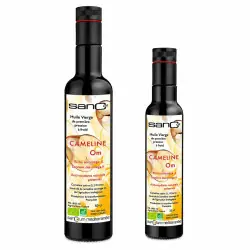
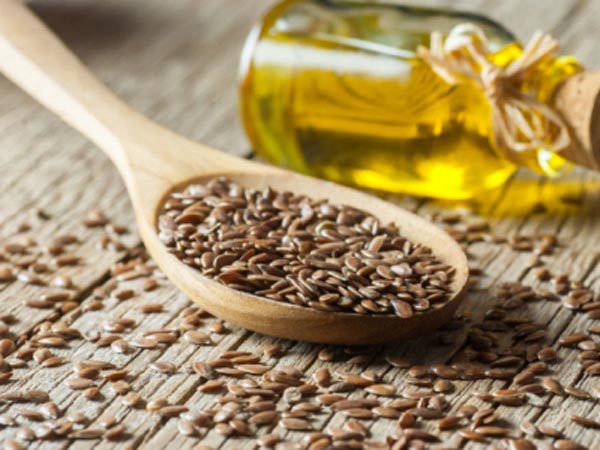
Linseed/camelina oil (ALA):
Type: ALA, precursor (less than 10-15% in EPA, even less in DHA)
Bioavailability for the joint anti-inflammatory effect: insufficient on its own
Interest: real for the overall omega-6/omega-3 balance, but insufficient for a targeted effect
Why vegetable oils (flaxseed, camelina) are not sufficient on their own
This is not a value judgment - theplant-based omega-3 In the form of ALA is an excellent base and these oils remain beautiful products. But to specifically act on the joint inflammatory mechanisms of menopause, direct intake of long-chain EPA and DHA is necessary.
And with age, the ability to convert ALA into EPA/DHA decreases even further. At 50 years old, relying on this conversion to reach therapeutic levels of EPA+DHA is not realistic. That is why theomega-3 algae oil, which directly provides these long-chain forms, represents the most coherent plant-based solution.
According to ANSES, 90% of French people have insufficient intakes of EPA+DHA.. Starting from there, there is clearly something to build on - and organic omega-3 from algae is the most relevant lever.
→ To go further, our article on The benefits of seaweed will give you a comprehensive view of what these extraordinary organisms can contribute to your health.
Which algae to choose for joint pain during menopause ?
In 18 years of observing our clients at Biovie, I have noticed that women who go through menopause with the least joint pain are often those who regularly consume seaweed - not by chance, but because these organisms provide on a daily basis what the standard Western diet no longer supplies in sufficient quantities.
Here are the most relevant algae for this specific objective.
Spirulina: The Complete Nutritional Profile
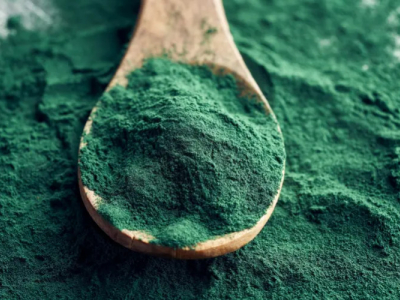
SpirulinaArthrospira platensis) is undoubtedly the most well-known and studied microalgae. Its nutritional profile is exceptional: complete proteins (60-70% of its composition), iron, B vitamins, beta-carotene - and polyunsaturated fatty acids including GLA (gamma-linolenic acid, a precursor of prostaglandins that help regulate inflammatory mechanisms).*).
It also contains significant amounts of bioavailable EPA, as well as phycocyanin - its characteristic blue-green pigment with documented antioxidant properties - which can help reduce joint oxidative stress.*.
For menopause and joint pain, I recommend taking 3 to 5 g per day of organic spirulina in glitter. It is our flagship product at Biovie.
→ See our article on spirulina and immunity - it illustrates the extent of the benefits of this microalgae on the body's defense functions and its cellular mode of action.
*A varied and balanced diet and a healthy lifestyle are important.
Chlorella: detox and bioavailable DHA
ChlorellaChlorella vulgaris) is a freshwater microalga characterized by its thick cell wall, which must be "broken" for its nutrients to be assimilable. High-quality preparations use this technique.
Chlorella is rich in chlorophyll, bioavailable DHA, vitamin B12, and essential amino acids. It can help support the body's natural elimination functions.*, which is relevant in the context of menopause where hormonal changes also affect metabolism.
In practice, chlorella is often taken as a treatment for 2 to 3 weeks, in combination with spirulina.
*A varied and balanced diet and a healthy lifestyle are important.
Brown algae (wakame, kombu): fucoidan and its role in inflammation
Brown algae are less known in the natural anti-inflammatory arsenal for menopause, and that's a shame. They contain fucoidan, a sulfated polysaccharide whose properties are documented in numerous studies-particularly for its role in supporting immune functions and its involvement in the mechanisms of regulating joint inflammation.*.
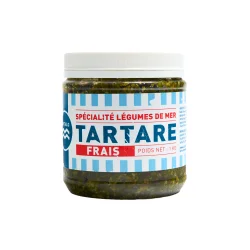
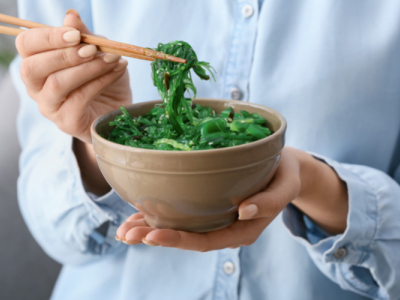
Wakame and kombu are the two most accessible members of this family. Wakame, rehydrated in a few minutes in cold water, fits perfectly into a salad, miso soup, or tartare. The thicker kombu is ideal for cooking legumes or preparing a mineral-rich broth.
→ Our article on the virtues of edible seaweed Detail the nutritional profiles of wakame, kombu, dulse, and sea beans.
*A varied and balanced diet and a healthy lifestyle are important.
Klamath: the premium wild microalgae
The KlamathAphanizomenon flos-aquae, or AFA, is a wild microalgae harvested from Klamath Lake in Oregon. Unlike spirulina or chlorella, which are cultivated, klamath grows wild in volcanic waters of exceptional mineral content.
Its nutritional profile is remarkably complete: proteins, essential fatty acids including EPA, phycocyanin, chlorophyll, and a wide range of vitamins and minerals. It is the algae I often recommend as a supplement to others, for those who seek a nutritionally exhaustive approach.
At Biovie, we offer frozen Klamath - the form that best preserves the integrity of its nutrients sensitive to oxidation.
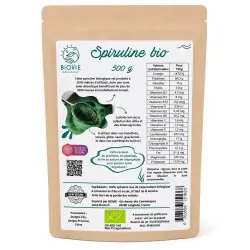
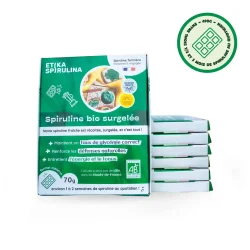
Biovie organic spirulina comes in 4 formats: fresh, grown in a greenhouse by Etika; frozen fresh, produced in northern France by Etika Spirulina; powder, from organic aquaculture; and phycocyanin, the concentrated extract of the blue pigment, almost tasteless but intensely colorful. To start a regular routine, powder is the most economical and the easiest to dose; for freshness, choose fresh or frozen spirulina of French origin, closer to the harvest. Phycocyanin suits anyone looking for a concentrated extract with a discreet taste, to add to a preparation without changing its flavor., 4
products
*A varied and balanced diet and a healthy lifestyle are important.
How to Incorporate Seaweed into Daily Life: The Progressive Protocol
Let's talk practical, because that's often where everything happens. Several clients have told us "I wouldn't know what to do with it" - and yet, seaweed can be easily integrated into daily life, without needing to make sushi every night.
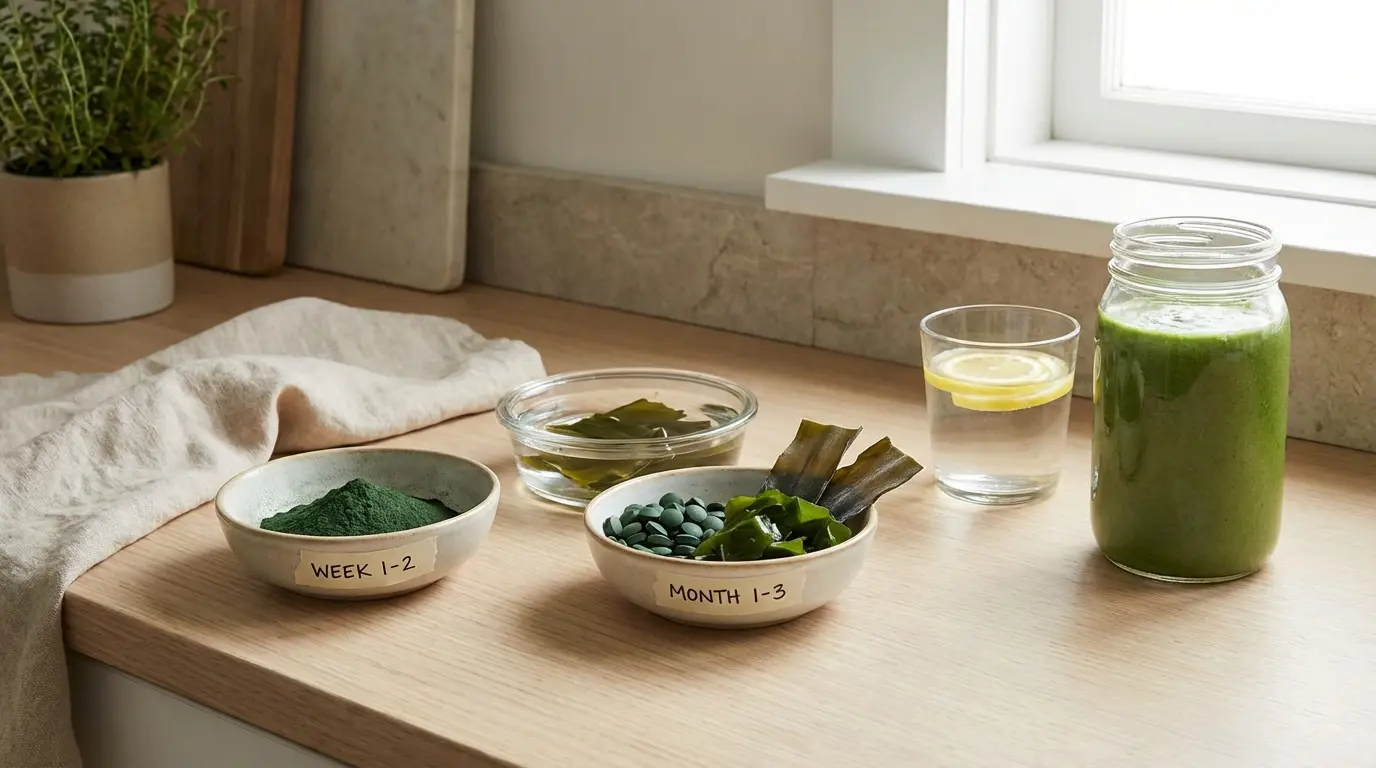
Week 1-2: gentle introduction
Start gradually to allow your digestive system to get used to these new sources ofplant-based omega-3.
Organic spirulina: start with 1 g per day (about ½ teaspoon of flakes), integrated into a smoothie, juice, or lemon lemonade - the lemon effectively masks the bitterness if it bothers you.
You can also opt for spirulina tablets, which are convenient and have no particular taste.
Observe your digestive tolerance during these first two weeks.
Associating with lemon also improves the bioavailability of iron contained in spirulina.
Months 1-3: the construction phase
This is the active phase of the protocol, the heart of the menopause joint pain natural treatment by the algae.
Spirulina: gradually increase to 3-5 g per day (ideally in two doses, morning and noon)
Starting from month 1, add a portion of rehydrated wakame or kombu to your meals 3 times a week.
If you wish to go further: incorporate 1 to 2 g of Klamath per day to complete the nutritional profile.
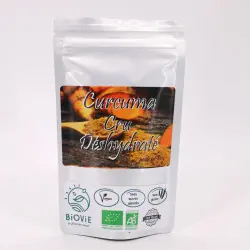
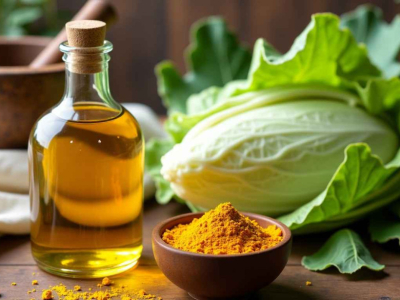
Powerful synergy: spirulina + turmeric + black pepper. Curcumin and EPA act on complementary inflammatory pathways.*
Another interesting combination: wakame in miso soup - provides fucoidan + umami + alkalizing minerals.
*A varied and balanced diet and a healthy lifestyle are important.
How long before feeling the effects ?
Let's be clear on this point, because it's important to set expectations. Clinical studies document a noticeable effect on inflammatory markers after 6 to 12 weeks regular and sufficient consumption (i.e., 1,000 to 2,000 mg of EPA+DHA per day).
It is not an "immediate effect" as a classic anti-inflammatory might suggest. It is a progressive rebalancing, consistent with a deep nutritional approach. I really like the idea of rating your pain out of 10 at the start of the treatment, then reassessing it at 6 weeks and 3 months - it makes the progress tangible.
Maï, customer at Biovie (Google review, ★★★★★): "I haven't had any pain (or even disability!) in my knees for several months..."
What you also need to know: synergistic supplements
Algae omega-3s are effective on their own, but certain combinations enhance them even further - and deserve to be discussed.
The turmeric with black pepper is the complement natural anti-inflammatory menopause the most documented. Curcumin and EPA act on complementary inflammatory pathways that mutually enhance each other.*. Our dedicated article on turmeric synergy against joint pain will give you a detailed protocol.
The vitamin D3 plays an essential role in joint health and in the regulation of inflammatory mechanisms*. During menopause, vitamin D deficiencies are particularly common - I encourage you to have your levels checked if you haven't already done so.
The Magnesium, which is found in good quantities in seaweed (notably kombu), contributes to the normal functioning of the muscular system and helps reduce fatigue*. It is a mineral often deficient in our modern diet.
Here, this list is of course not exhaustive. The essential thing is to build a coherent and progressive approach - and marine algae omega-3s are clearly a part of it.
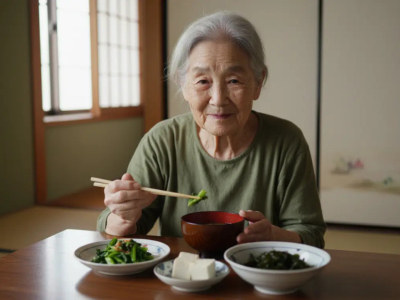
And for a more comprehensive view of longevity related to algae, I invite you to read our article on the Okinawa diet and seaweed - Japanese centenarians may provide us with the best real-world evidence of the long-term effectiveness of these foods.
*A varied and balanced diet and a healthy lifestyle are important.
FAQ: Your Questions About Algae Omega-3 and Menopause
Why does menopause cause joint pain ?
Menopause leads to a sudden drop in estrogen, hormones that play a protective role on joint cartilage: they stimulate chondrocytes and regulate pro-inflammatory cytokines like interleukin-6 (IL-6). When this regulatory mechanism disappears, a low-grade chronic inflammation can settle in the joints, causing pain, morning stiffness, and movement discomfort. This phenomenon, known as menopausal arthralgia, affects more than 50% of women.
Can algae omega-3 really help with joint pain during menopause ?
Omega-3 EPA and DHA from marine algae can help reduce joint inflammation related to menopause. EPA is a precursor to resolvins and protectins, molecules that actively participate in resolving inflammation. Clinical studies show that a supplementation of 1,000 to 2,000 mg of EPA+DHA per day for 12 weeks can help decrease inflammatory markers (CRP, IL-6). A varied and balanced diet and a healthy lifestyle are important.
What is the difference between omega-3 from algae and those from fish ?
Algae and fish omega-3s are of the same chemical nature (EPA and DHA) and have comparable bioavailability (García-Maldonado E. et al., European Journal of Nutrition, 2023). The main difference: algae are the original source - fish accumulate their omega-3s by feeding on microalgae. Consuming algae directly allows one to avoid environmental contaminants (mercury, PCBs) present in deep-sea fish, without impacting fish stocks.
How much algae-based omega-3 is needed for joint pain during menopause ?
Clinical studies documenting an effect on joint pain use doses of 1,000 to 2,000 mg of combined EPA+DHA per day. For a dietary approach via algae, this corresponds to about 5 g/day of organic spirulina flakes combined with macroscopic algae (wakame, kombu) several times a week. The effect is not immediate: expect 6 to 12 weeks of regular consumption. The beneficial effect is achieved with 1,000 to 2,000 mg of EPA+DHA per day. A varied and balanced diet and a healthy lifestyle are important.
Which algae to choose for joint inflammation during menopause ?
Spirulina and chlorella are the microalgae most concentrated in bioavailable EPA and DHA. Brown algae like wakame and kombu also provide fucoidan, which has documented properties on inflammatory mechanisms. Klamath is a wild microalga with a complete nutritional profile. For menopause and joint pain, a combination of spirulina and brown algae offers an optimal complementary profile. A varied and balanced diet and a healthy lifestyle are important.
Can you consume algae-based omega-3 if you are not vegan ?
Yes, absolutely. The interest in algae-based omega-3s is not limited to vegans. They offer objective benefits for everyone: absence of environmental contaminants (mercury, PCBs), natural form of fatty acids, and cultivation without impacting fish stocks. People who already consume fish can supplement their intake with algae to more easily reach the daily doses documented in studies.
Do algae omega-3s replace hormone therapy for menopause ?
No. Algae omega-3s do not replace hormone replacement therapy (HRT) prescribed by a doctor. They can serve as a natural supplement in a comprehensive approach to managing menopausal symptoms, particularly for women who do not wish to or cannot undergo HRT. Before starting any supplementation protocol, especially if you are on medication or have a bleeding disorder, consult your doctor.