



Warning: This article is published for informational purposes and does not replace the advice of a healthcare professional. Intestinal detox practices are not suitable for everyone: consult your doctor before starting any program, especially in cases of digestive disorders, pregnancy, or ongoing medical treatment. The dietary supplements mentioned are not medications and cannot claim to cure or treat any disease.
Summary
Introduction
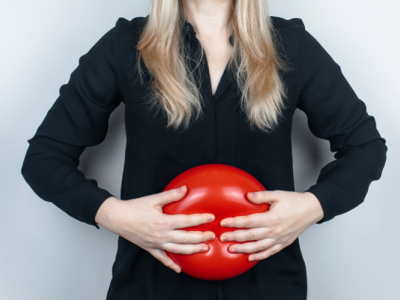
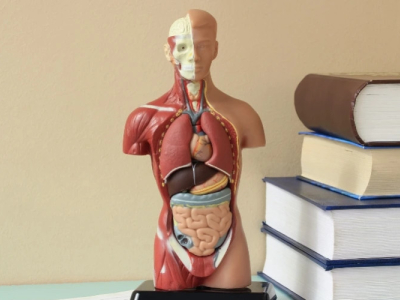
You are there, sitting after the meal, with that familiar feeling of heaviness. The stomach bloating, the gas setting in, that fatigue that pins you to the couch when you should be feeling great. I know this all too well. For years, I lived with these digestive discomforts without really understanding where they came from. Until the day I discovered that my intestine, this 7 to 9-meter-long organ that houses 100 trillion bacteria, simply needed a good cleanse.
You might be wondering if you really need a treatment of this kind. Honestly, if you experience these symptoms regularly, the answer is probably yes. But be careful: I am not going to talk to you about invasive methods or miracle solutions. What I am going to share with you today is a Gentle protocol for successfully completing your first intestinal detox, natural, and above all accessible even for beginners.
With Aurélie, we have been practicing these cures regularly for years. At first, I admit I was a bit skeptical. As a scientist by training, I needed to understand the mechanisms, to see the evidence. Today I can tell you that practiceAn intestinal detox Effectively is one of the most powerful health gestures you can offer your body.
In this guide, you will discover exactly how cleanse your intestines naturally, day after day, with practical advice, a concrete shopping list, and above all, answers to all those questions you have when you've never done this before. No stress, no pressure, just a caring and gradual approach.
What is an intestinal detox? (Understanding the basics)
Simple and accessible definition
So, what exactly do we mean by "cleansing" the intestine? In fact, it's quite simple. Over the months and years, your digestive system accumulates residues. Imagine a plumbing system that is never maintained: over time, deposits form on the walls. It's somewhat similar for your intestines.
These residues, sometimes referred to as "mucoid plaque", are composed of undigested food waste, hardened mucus, and sometimes environmental toxins. They literally stick to the intestinal wall, reducing its absorption capacity and disrupting the balance of your microbiota. Yes, this microbiota that is so often talked about today, and which represents 70% of your immune system !
A intestinal detox cure, it is therefore a natural process that will help your body eliminate these accumulations. The goal? To restore a functional intestine, smooth transit, and as a result, more energy, better immunity, and often even clearer skin.
Natural detox vs enema: the differences
Here, I must warn you against a common confusion. When we talk about "intestinal cleansing," many people immediately think of enemas or colon hydrotherapy. Frankly, this is not at all what I recommend for beginners.
Supporting the body, not forcing it. That is the whole difference, and it is exactly the spirit of this guide: gentle, gradual steps that you keep up over the long run, not a three-day sprint followed by a return to square one. If the subject of "cleansing" intrigues you, I have in fact gone through eight commonly cited natural methods, to separate what holds up from what is just marketing.
Colon hydrotherapy is a medicalized method - although not officially recognized - where warm water is injected into the rectum to cleanse the colon. It requires a trained practitioner, specific equipment, and importantly, it only targets the last part of your digestive system. Not to mention, it can disrupt your intestinal flora if not done correctly.
The natural method I am going to present to you works on the entire digestive tract. It uses diet, thehydration, the plants and possibly some targeted supplements to support your body in its own elimination process. It's gentle, gradual, and you maintain full control at home. That's why it's perfect for a first time.
If you wish to delve deeper into the various existing approaches, I invite you to discover the 8 natural methods of intestinal cleansing that we have sifted through.
Why your intestines need a "deep cleanse"
You might be wondering: "But Eric, doesn't the intestine clean itself?" Good question! In theory, yes. Our body is designed to eliminate naturally. The problem is our modern lifestyle.
We live in a world where food has become ultra-processed. Pesticides in fruits and vegetables, the Additives in prepared dishes, excessive sugar, the gluten Everywhere, not to mention medications (antibiotics in particular) that destroy our intestinal flora. Even when we are careful, as is the case with us at Biovie, we cannot completely escape this exposure.
Result? Our intestines are constantly being stressed. They no longer have the time to regenerate properly. It's like asking your dishwasher to run 24/7 without ever cleaning it: after a while, it gets clogged and works less efficiently.
And then there is the stress. I have lost count of the number of times I have felt stomach cramps before an important trade show or during intense periods at Biovie. Stress directly disrupts digestion, reduces the production of digestive enzymes, and creates a vicious cycle.
That's why, even with a healthy lifestyle, one or two detox treatments per year can really make a difference. It's like giving your gut a well-deserved vacation. To understand how emunctories and the detoxification system work together, I have written a comprehensive article on the subject.
Why do an intestinal detox? (The 7 concrete benefits)
Relieve digestive disorders (bloating, constipation)
This is probably the number one reason that brings you here. Bloating after meals, that feeling of having a soccer ball in your stomach, the constipation that sets in... I experienced that during my years as an employee, when I was running everywhere between the office and homeschooling my children.
A intestinal cleansing treatment well conducted will allow your intestine to get rid of what slows it down. By clearing the intestinal wall of accumulated waste, the transit naturally resumes its rhythm. Many people report that after their first cleanse, they regain a flat stomach and regular bowel movements for the first time in years.
If you regularly suffer from these symptoms, I also recommend consulting our guide for reduce bloating naturally, which perfectly complements this detox approach.
Restore the balance of the gut microbiota
Your microbiota is this ecosystem of 100 trillion bacteria that live in your intestines. Yes, you read that right: 100 trillion! These little creatures are not there by chance. They play a crucial role in your digestion, your immunity, and even your mood since 95% of your serotonin (the happiness hormone) is produced in the intestine.
The problem is that modern diet, antibiotics, and stress disrupt this ecosystem. The "bad" bacteria take over, opening the door to infections, inflammations, and digestive disorders.
A cleansing regimen, followed by a reconstruction phase with the right probiotics and prebiotics, is an opportunity to start fresh. It's like gardening: first, you weed, then you replant the right seeds.
Regain energy and mental clarity
It may seem surprising, but there is a direct link between your gut and your energy levels. When your digestive system is clogged, your body expends a lot of energy trying to manage it all. The result: you feel tired, even after a good rest. night of sleep.
I experienced this in November 2022, after the Marjolaine fair in Paris. Ten days non-stop manning a booth, I literally came out of there completely exhausted. Aurélie convinced me to do a full detox, and honestly, it was a turning point. After a few days, I regained clarity. Mental that I hadn't had for months.
This gut-brain connection, known as the "gut-brain axis," is now recognized by science. A healthy gut means a better functioning brain.
Improve skin quality
Aurélie has often expressed it: the skin is the reflection of our inner health. And this is particularly true for theintestine. When toxins accumulate in the digestive system and cannot be properly eliminated, the body finds other exit routes. The skin is one of them.
Acne, Eczema, dull complexion, pronounced dark circles... All these signals can indicate a suffering gut. After a well-conducted cleanse, many people notice a visible improvement in their skin. It's not magic, it's just that your body is finally eliminating through the right channels.
Strengthen the immune system
Remember: 70% of your immune system is located in your intestines. That's huge! The intestinal mucosa is a true barrier that prevents pathogens from entering your body.
But when this mucous membrane is damaged, inflamed, or covered with residues, it can no longer perform its role properly. This is known as "leaky gut." Molecules that should not pass through end up in the bloodstream, triggering inappropriate immune reactions.
By restoring the integrity of your intestinal wall, you provide your immune system with the means to function properly. This is particularly important given that 62% of French people regularly consume dietary supplements (according to Synadiet data in 2024), evidence of a growing search for solutions to boost their health.
Facilitate weight loss
Attention, I am not going to sell you a miracle solution to lose 10 kilos in a week. It doesn't exist, and frankly, it would be dangerous. But it is true that a natural intestinal cleanse can help unlock certain mechanisms related to weight.
First, by improving your digestion and nutrient absorption, you will naturally better regulate your appetite. Often, cravings are a sign of a body desperately seeking nutrients it cannot extract from your diet.
Then, by reducing intestinal inflammation, you facilitate the elimination of water retained in the tissues. This is not a "real" weight loss, but it can help you lose 1 to 2 kilos quickly and feel less bloated.
Finally, psychologically, a successful treatment is often the trigger for a new dynamic. It is an opportunity to adopt new eating habits, reconnect with one's body, and initiate lasting change.
Taking care of your gut over time
Here, we are touching on something deeper. Scientific research in recent years has highlighted the central role of the gut in the onset of many chronic diseases. Numerous research studies link an imbalanced gut microbiota to various health problems.
Of course, taking care of your gut is not enough on its own to stay in good shape. It would be dishonest to claim that. But by regularly taking care of your gut, cleaning it, and nourishing it properly, you are giving yourself the best chance to stay healthy for as long as possible.
It's a preventive approach. Like going to the dentist twice a year, even when you don't have a toothache. It's maintenance, upkeep. And frankly, it's much cheaper and much less painful than dealing with a chronic illness once it has set in.
Do you want to go further ? Discover our selection of superfoods to naturally support your gut health.
Are you ready for your first detox? (Signs and contraindications)
5 signs that your body needs a detox
Before you start, it is important to know if it is really the right time. Here are the 5 warning signs that indicate your gut needs a boost:
1. Recurrent digestive issues
Systematic bloating after meals, gas, alternating constipation/diarrhea, a constant feeling of heaviness. If you recognize at least 2 of these symptoms several times a week, it's a strong signal.
2. Unexplained fatigue
You sleep 8 hours a night, you eat properly, but you are exhausted by midday. This Fatigue Chronic issues may be linked to an intestine that uses too much energy trying to function properly.
3. Skin problems
Persistent acne, eczema, psoriasis, dull complexion, pronounced dark circles. The skin is often the visible reflection of a suffering gut.
4. Repeated infections
Frequent colds, urinary infections, recurrent fungal infections. Remember: 70% of your immunity comes from the gut. If it malfunctions, your immune system is weakened.
5. Mood and sleep disorders
Irritability, anxiety, difficulty falling asleep, nighttime awakenings. The intestine produces 95% of your serotonin. A disturbed intestine = a disturbed brain.
If you check at least 3 of these 5 boxes, frankly, your body is telling you it needs help.
Who should NOT do an intestinal detox ?
Now, let's be clear: a beginner intestinal detox is not for everyone. There are situations where it is simply not suitable, or even dangerous. Here are the absolute contraindications:
❌ Pregnant or breastfeeding women
Your body needs all its nutrients for the baby. A detox cure could mobilize stored toxins and make them circulate in the blood, which is not desirable during the pregnancy or breastfeeding.
❌ Children and adolescents (under 16 years old)
Their digestive system is still developing. There is no need for a cleanse at that age, except in very particular cases and always under medical supervision.
❌ People undergoing heavy medical treatment
Chemotherapy, immunosuppressants, anticoagulants, diabetes medications. Interactions can be dangerous. ALWAYS consult your doctor beforehand.
❌ Inflammatory bowel diseases in active phase
Crohn's disease, ulcerative colitis, diverticulitis in crisis. Wait for remission before attempting anything.
❌ Malnutrition or eating disorders
Anorexia, bulimia, BMI below 18.5. A detox cure could worsen the situation. Priority should be on rebuilding, not cleansing.
❌ Severe renal or hepatic insufficiency
Your elimination organs are already struggling. Do not impose additional burden on them.
When in doubt, consult your doctor. Seriously. I would rather you delay your treatment by a few weeks than take an unnecessary risk.
The best time to start (seasonality)
How to prepare an intestinal detox At the right time? Timing matters, and here's why some periods are more favorable than others:
Spring (March-April) - THE ideal time
It is the classic period of renewal. Your body naturally emerges from winter, craving lightness. Fresh vegetables are back, and vegetable juices are easier to find. Energetically, it's the perfect time.
Beginning of summer (June) - Very good as well
Just before the summer holidays. You want to feel good in your body, fruits and vegetables are abundant, it's hot so you're naturally less hungry. It's an excellent opportunity.
Autumn (September-October) - Good timing
After the excesses of summer, before the approaching winter. It's time to boost your immunity before the cold season. Root vegetables and squash are perfect for a gentle detox.
Winter (January) - Possible but more difficult
After the end-of-year holidays, many people feel like "starting over." It's understandable. But be careful: it's cold, the body needs energy, and switching to Vegetable juice When it freezes outside, it is hard psychologically and physically.
Periods to absolutely AVOID:
- During the holidays (December) - too many temptations
- In the midst of peak stress at work
- During exams or important deadlines
- Just before a trip or an active vacation
The ideal situation is to choose a week where you can slow down the pace. Partial remote work, no planned evenings out, a quiet weekend. You don't have to completely isolate yourself, but avoid the week where you have 3 business meals and a marathon to run.
Preparing for Your First Detox: The 3 Days Before (Preparation Phase)
Why preparation is essential
Listen to me carefully, because this might be the most important advice in this entire article: never start an intestinal detox overnight.
The preparation phase is like a warm-up before exertion. You will gradually reduce the workload on your digestive system, allow your body to start eliminating gently, and most importantly, prepare yourself mentally.
The 3 days of preparation allow to:
- Reduce withdrawal symptoms (sugar, caffeine)
- Begin the gradual elimination of toxins
- Avoid the "detox crisis" being too severe
- Accustom the body to a lighter diet
- Preparing psychologically for change
Frankly, these 3 days can make the difference between a successful treatment and a premature abandonment.
Foods to gradually reduce
Here is what you will do during these 3 days of preparation. The goal is NOT to eliminate abruptly, but to gradually reduce.
D-3: First easing
To halve:
- Dairy products (cheese, yogurt, milk)
- Coffee (if you drink 3 cups, reduce to 2 or 1.5)
- Added sugar (desserts, sodas, cookies)
To continue normally:
- Vegetables (even increase the portions)
- Fresh fruits
- Whole grains
What you can already introduce:
- 1 fresh vegetable juice (carrot-celery-apple, for example)
- 1 digestive herbal tea (fennel, mint)
D-2: Second wave
To be completely eliminated:
- Dairy products (all)
- Gluten (bread, pasta, pizza)
- Alcohol (if not done yet)
- Fried foods and dishes in sauce
To reduce further:
- Coffee: maximum 1 cup in the morning, or switch to green tea
To increase:
- Steamed vegetables
- Fresh fruits (especially those rich in fiber: apples, pears)
- Hydration: a minimum of 2 liters of water
Day 1: Last day before the big leap
To eliminate:
- Coffee (even the morning one)
- Sugar in all its forms
Your typical day D-1:
- Morning : Fresh vegetable juice + 1 fruit
- Noon : Large raw vegetable salad + steamed vegetables + 1 tablespoon of olive oil
- Snack : 1 fruit + a few almonds (no more than 10)
- Evening : Homemade vegetable soup + 1 cooked apple
Intensive hydration: 2.5 to 3 liters of water per day.
On that day, eat light but eat enough. You are not yet on a detox, so no severe calorie restriction.
Hydration and rest
Thehydration During these 3 days of preparation, it is non-negotiable. Your body will start to eliminate toxins, and it needs water to flush them out effectively.
Hydration goal:
- D-3: 2 liters minimum
- D-2: 2.5 liters
- Day 1: 3 liters
What to drink ?
- Pure waterfiltered water preferably
- Digestive herbal teas (fennel, mint, ginger)
- Warm lemon water in the morning
- Fresh vegetable juice (1 per day)
What NOT to drink ?
- Sodas (even light)
- Industrial fruit juices (too sweet)
- Alcohol
- Coffee (or a maximum of 1 cup D-3)
Rest is just as important.
During these 3 days, slow down the pace. I know, it's easier said than done when you have a full-time job and children. But try as much as possible to:
- Go to bed earlier (10 PM if possible)
- Avoid busy evenings
- Reduce intense sports (walking is OK, CrossFit is not)
- Take a 10-15 minute break during the day (breathing, meditation)
Your body is already starting to work. Do not ask it to handle intense stress or exhausting physical activity at the same time.
Mental preparation: managing beginner's fears
Let's be honest: you're probably scared. That's normal. When I did my first detox, I was scared too. Afraid of being hungry, afraid of being tired, afraid of not making it.
The most common fears of beginners:
"And what if I'm too hungry?"
You will be hungry, that's for sure. But not an unbearable hunger. Your body adapts quickly. And frankly, 5 days is not a 40-day fast in the desert. You will survive.
"What if I'm too tired to work?"
The first 2-3 days can be difficult. That's why it's ideally recommended to plan this cleanse during a calm week. However, many people continue to work normally. It's not comfortable, but it's doable.
"What if I crack?"
So what? It's not a school exam. If you crack on day 3 and eat a banana or a potato, it's not the end of the world. You just pick up where you left off. The important thing is to try.
"What if it doesn't work on me?"
It works on everyone. Maybe not with spectacular results the first time, but it works. Your intestine will clean itself, even if it is less visible than in others.
"What if I get sick during?"
If you become seriously ill (fever, infection), you stop the treatment. Period. This is not the time to continue. You will resume when you are recovered.
My advice for managing mentally:
See this treatment as a experience, not as an obligation. You test. You observe. You learn about your body. There is no possible failure, only learning experiences.
And then, remember: thousands of people have done it before you. At Biovie, we regularly receive testimonials from people who have successfully completed their first cleanse, even if they had doubts at the beginning.
You are not alone. We are here to support you.
Day-by-day protocol: Your first detox in 5-7 days
Overview of the protocol
Now, let's get to the heart of the matter: Your 5-day intestinal detox (you can extend it to 7 days if you feel well and want to go deeper).
Here is the overall structure:
Phase 1: Gentle Elimination (Day 1-Day 2)
You continue to eat, but only foods that facilitate theElimination. It is the smooth transition after your 3 days of preparation.
Phase 2: Deep Cleaning (D3-D4)
Here, we move to an even lighter diet. Mainly juices, broths, and cooked vegetables. This is the core of the cleanse, the moment when your intestines can truly be freed.
Phase 3: Recovery and Reconstruction (D5-D7)
More substantial foods are gradually reintroduced. The intestine has been cleansed, and now it needs to be properly nourished to rebuild a healthy flora.
General rules valid EVERY DAY:
- Massive hydration: 2.5 to 3 liters of water/day
- Preferred rest: sleep 8-9 hours, naps if possible
- Avoid thephysical activity Intense
- Gentle walk: 20-30 minutes/day OK
- Listen to your body: slow down if it's too difficult.
Now, let's detail day by day.
Day 1-2: Gentle Elimination
DAY 1
Your first day is a bit like the first day of school. You're a little stressed, a little excited. It's normal.
Upon waking up (7-8 am):
- 1 large glass of warm lemon water (1/2 lemon squeezed)
- Wait 30 minutes before eating.
Breakfast (8am-9am):
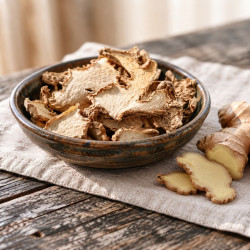
- 1 homemade fresh vegetable juice (carrot-celery-apple-Ginger)
- 1 apple or 1 pear
- Fennel or ginger herbal tea
Morning snack (11 a.m.):
- 1 fruit (banana if you're really hungry, otherwise apple)
Lunch (12:30 PM - 1:00 PM):
- Large raw vegetable salad (cucumber, tomatoes, grated carrots, beetroot, avocado)
- Steamed vegetables (broccoli, green beans, zucchini)
- Seasoning: olive oil + lemon + salt
- Digestive herbal tea
Afternoon snack (4 PM):
- 1 vegetable juice OR 1 fruit
- A few almonds (5-10 max)
Dinner (7:00 PM - 7:30 PM):
- Homemade vegetable soup (no potatoes, no cream)
- 1 serving of steamed vegetables
- Herbal tea
Before sleeping (9 PM-10 PM):
- Relaxing herbal tea (chamomile, linden)
What to expect Day 1:
- A little hunger (especially if you are used to eating a lot)
- Cravings for sugar or coffee (normal, it's withdrawal)
- Slight headache possible at the end of the day
- Possibly more frequent stools
DAY 2
Day 2 is very similar to day 1, but you may already start to feel the first effects.
Schedule identical to Day 1, EXCEPT:
Morning: Add 1 teaspoon of Blond psyllium in your glass of lemon water (mix well and drink quickly, otherwise it will gel).
Noon: Slightly reduce the portions (you will feel less hungry).
Evening: Favor soup, fewer solid vegetables.
What to expect Day 2:
- Fatigue that starts to be felt (especially in the late afternoon)
- Possible irritability (you're lacking sugar, your brain doesn't like that)
- Stools that change in texture/color (it's a good sign)
- Desire to snack decreases (your body adapts)
Tips for holding on:
- Keep yourself busy: reading, watching a movie, walking
- Drink water as soon as you feel hungry.
- Take a hot bath in the evening (it relaxes and helps to eliminate)
- Go to bed early
Day 3-4: Deep Cleaning
DAY 3
It's often the most difficult day. Really. If you get through Day 3, you've won.
Upon waking:
- Lukewarm lemon water + 1 teaspoon of psyllium
- Wait 30-45 minutes
Breakfast:
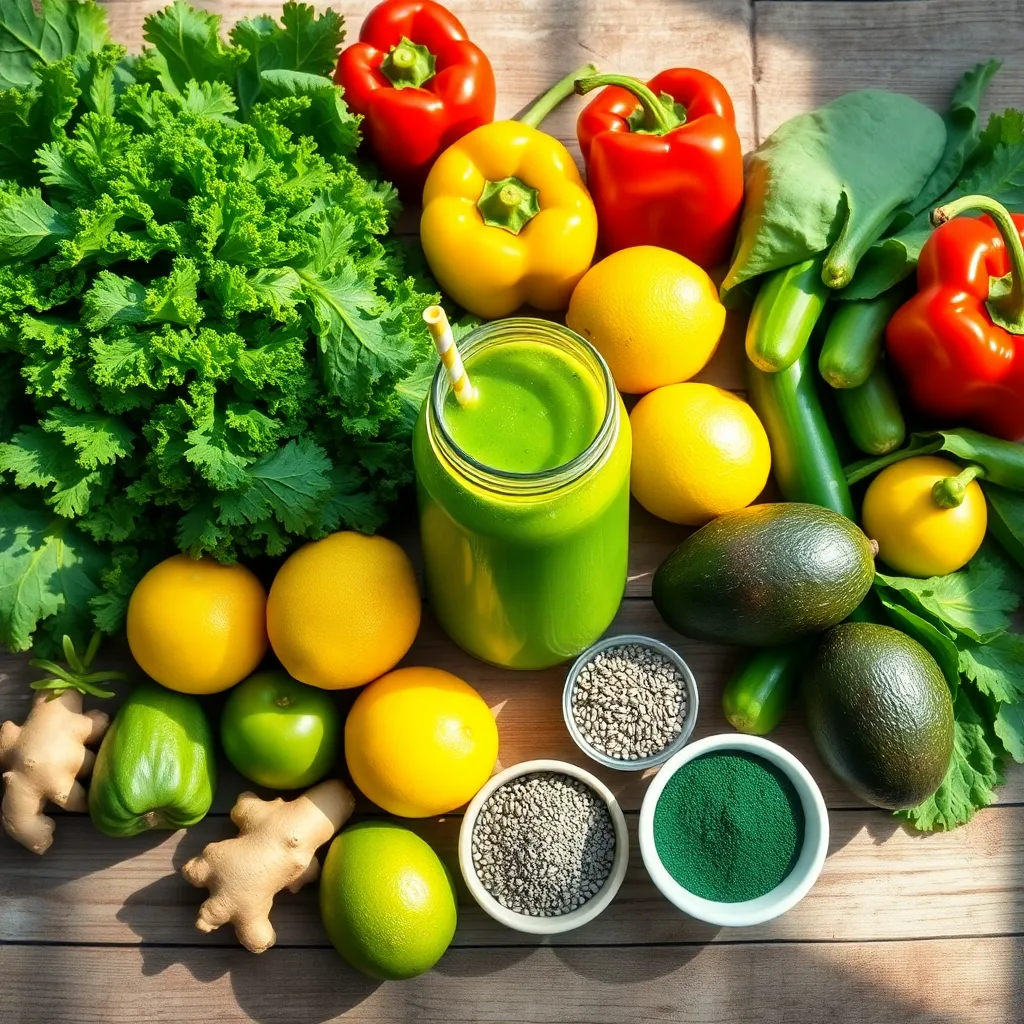
- 1 large vegetable juice (400-500ml): carrot, celery, cucumber, spinach, lemon, ginger
- That's ALL. No solid fruit that day.
Morning snack:
- Herbal tea + water
- If really too difficult: 1 small cooked apple
Lunch:
- 1 large vegetable juice (different from the morning)
- 1 small bowl of very well-cooked steamed vegetables (almost puréed)
- Hot vegetable broth
Afternoon snack:
- Vegetable broth
- Herbal tea
Dinner:
- Blended vegetable soup
- 1 vegetable juice OR herbal tea
- Nothing solid
What to expect on Day 3:
- IT'S THE HARDEST DAY
- Significant fatigue (your body is working hard)
- Possible headaches
- Maximum irritability
- Feeling like giving it all up
- But also: stools that eliminate a lot (that's the goal)
How to survive Day 3:
- MAXIMUM REST
- If possible, do not work that day (light remote work if necessary)
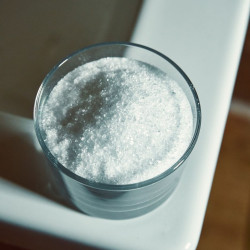
- Hot bath with Epsom salts
€6.70
In stock
Ecocert certified Epsom salt
- Afternoon nap
- Going to bed super early (9 PM)
- Telling you that tomorrow will be easier (and it's true)
DAY 4
Good news: the worst is behind you. On Day 4, you will start to feel better.
Similar planning to J3, BUT:
You can reintroduce a bit more cooked vegetables if you feel like it. Your body will tell you.
What to expect Day 4:
- Renewed energy (surprising but real)
- Mental clarity that is beginning to arrive
- Loaded language (elimination sign, it's good)
- Stools always abundant and different
- Feeling of lightness
Day 5-7: Recovery and Reconstruction
DAY 5
You are almost there. Day 5 marks the beginning of the reconstruction.
Upon waking:
- Lukewarm lemon water (always)
Breakfast:
- 1 vegetable juice
- 1 WHOLE fruit (apple, pear, or some berries)
Snack:
- A few almonds (10-15)
- 1 fruit
Lunch:
- Raw vegetable salad
- Steamed vegetables
- You can add 1 tablespoon of seeds (pumpkin, sunflower)
€1.33
€1.90
In stock
Organic unpeeled sunflower seeds
Dinner:
- Vegetable soup
- Steamed vegetables
- 1 small serving of avocado
What to expect on Day 5:
- You feel GOOD
- Stable energy
- Mental clarity
- Deep sleep
- Pride in having held on
DAY 6-7 (optional)
If you want to extend, continue with the same principle as Day 5. You can even reintroduce:
- Gluten-free cereals (quinoa, brown rice)
- Well-cooked legumes (lentils, chickpeas)
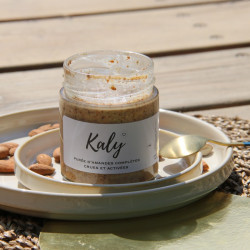
- A little more healthy fats (coconut oil, almond butter)
€15.70
In stock
Activated almond puree
But maintain the same overall lightness.
Detailed schedule (morning/afternoon/evening)
To give you an ultra-practical vision, here is an example of a schedule for the J3 (the most intense day):
- 7:00 AM: Awakening
- 7:15 AM: Hydration
- 7:30 AM: Rest
- 8:30 AM: Breakfast
- 9:00 AM: Gentle activity
- 10:00 AM: Hydration
- 11:00 AM: Rest
- 12:30 PM: Lunch
- 1:30 PM: Nap
- 3:00 PM: Hydration
- 4:00 PM: Activity
- 5:00 PM: Herbal tea
- 7:00 PM: Dinner
- 8:00 PM: Relaxation
- 9:00 PM: Sleep
Key points of this schedule:
- Hydration every 2 hours minimum
- 2 moments of gentle walking (lymphatic circulation)
- 1 mandatory nap (deep rest)
- Going to bed very early (maximum recovery)
- Light and spaced meals
Adapt this schedule to your reality. If you work, shift certain times, but keep the general structure.
What to eat during your detox? (Complete diet)
Foods to prioritize (detailed list)
Green vegetables (80% of your diet):
- Spinach, kale, Swiss chard
- Broccoli, cauliflower, Brussels sprouts
- Zucchinis, cucumber
- Celery stalk (excellent for juices)
- Green beans
- Asparagus
- Fennel
Colorful vegetables:
- Carrots (excellent juice)
- Red beets (in small quantities, very cleansing)
- Peppers (yellow, red)
- Tomatoes (cooked, not raw if sensitive intestine)
Root vegetables (in moderation):
- Black radish (liver)
- Turnip
- AVOID potatoes during the cleanse
Fruits (maximum 2-3 per day):
- Apples (rich in pectin, excellent)
- Pears
- Red fruits (blueberries, raspberries)
- Lemon (every day in water)
- Avocado (healthy fat, filling)
- AVOID bananas (too sweet, constipating)
- NO dried fruits during the treatment
Healthy fats (small quantities):
- Extra virgin olive oil
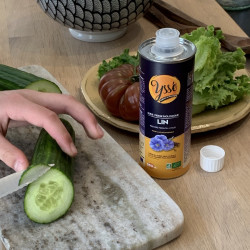
- Linseed oil (omega-3)
- Lawyer
- Some oilseeds: almonds, walnuts (10-15 max/day)
Herbs and spices (without moderation):
- Fresh ginger (powerful anti-inflammatory)
- Turmeric (with black pepper for absorption)
- Garlic (natural antibacterial)
- Lemon
- Parsley, cilantro, basil
- Cinnamon (regulates blood sugar)
Drinks:
- Pure water (2.5-3L/day)
- Homemade fresh vegetable juice
- Herbal teas: fennel, mint, ginger, chamomile
- Homemade vegetable broth
- Lemon water
Supplements (optional but recommended):
- Blond psyllium (soft fibers)
- Activated charcoal (toxin absorption)
- Spirulina (energy and nutrients)
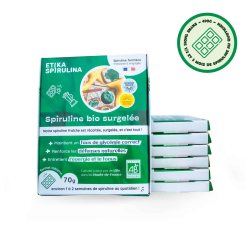
- Digestive enzymes (facilitate elimination)
Foods to absolutely avoid
This list is NON-NEGOTIABLE during your 5-day intestinal detox :
❌ All dairy products:
- Milk
- Cheese
- Yogurts
- Butter
- Cream
- Why ? Inflammatory, mucus-forming, slow down elimination
❌ All products containing gluten:
- Bread
- Pasta
- Pizza
- Cookies
- Pastries
- Why ? Gluten irritates the intestinal lining, and we want to repair it.
❌ Sugars and sweeteners:
- White sugar, brown sugar, whole sugar
- Honey (even natural, too sweet)
- Agave syrup
- Artificial sweeteners
- Why ? Feeds bad bacteria, creates blood sugar spikes
❌ Stimulants:
- Coffee
- Black tea
- Alcohol
- Tobacco
- Why ? Stress the nervous system and the liver, we want rest.
❌ Processed foods:
- Prepared dishes
- Canned goods
- Industrial biscuits
- Sodas
- Industrial juices
- Why ? Additives, preservatives, hidden salt, sugar
❌ Legumes during the cleanse:
- Lentils, chickpeas, dried beans
- Why ? Difficult to digest, create gas
- Exception : You can gradually reintroduce them afterwards.
❌ Cereals (even whole grain):
- Rice, quinoa, millet
- Why ? Too dense during the treatment
- Exception : You will be able to reintroduce them on D5-D6.
Day-by-day menu examples
To make your life easier, here are specific menus for each day.
MENU J1
Morning:
- Lemon water
- Juice: 3 carrots + 2 celery stalks + 1 apple + 1cm ginger
- 1 pear
- Ginger tea
10 a.m.:
- 1 apple
Noon:
- Salad: lettuce, cucumber, tomatoes, avocado, grated carrots
- Steam: broccoli, green beans, zucchini
- Seasoning: olive oil + lemon + salt
- Fennel tea
4 PM:
- 10 almonds
- Herbal tea or water
Evening:
- Soup: zucchini, leeks, celery, onion, garlic
- Steamed vegetables: spinach, cauliflower
- Chamomile tea
MENU J2
Morning:
- Lemon water + psyllium
- Juice: beetroot + carrot + apple + lemon
- 1 apple
- Herbal tea
10 a.m.:
- Green juice: spinach + cucumber + celery + apple + lemon
Noon:
- Green salad with avocado
- Steam: asparagus, broccoli, carrots
- Hot vegetable broth
- Herbal tea
4 PM:
- Vegetable broth
- Water
Evening:
- Blended soup: pumpkin, onion, garlic, ginger
- Tender steamed vegetables
- Herbal tea
MENU J3 (liquid/semi-liquid day)
Morning:
- Lemon water + psyllium
- Large juice: 4 carrots + 3 celery stalks + 1 cucumber + spinach + ginger + lemon
- Herbal tea
11 a.m.:
- Hot vegetable broth
- Water
Noon:
- Green juice: kale + cucumber + celery + green apple + lemon + ginger
- Small portion of very cooked vegetables (almost puree)
- Broth
4 PM:
- Vegetable broth
- Herbal tea
Evening:
- Very liquid blended soup
- Juice or herbal tea
- Water
MENU D4
Similar to J3, but you can add a bit more steamed vegetables if you feel the need.
MENU J5 (gradual reintroduction)
Morning:
- Lemon water
- Vegetable juice
- 1 whole apple
- Herbal tea
10 a.m.:
- 15 almonds
- 1 fruit
Noon:
- Mixed salad
- Steamed vegetables
- 1 tablespoon pumpkin seeds
- Olive oil + lemon seasoning
- Herbal tea
4 PM:
- Red fruits
- Herbal tea
Evening:
- Vegetable soup
- Steamed vegetables
- 1/2 avocado
- Herbal tea
Shopping list for beginners (20-25 products)
Here is THE complete shopping list for your first intestinal detox cure. Print it, check it off as you go.
VEGETABLES (fresh, organic if possible):
- [ ] 3 kg of carrots
- [ ] 1 bunch of celery
- [ ] 3 zucchinis
- [ ] 2 cucumbers
- [ ] 1 broccoli
- [ ] 1 cauliflower
- [ ] 500g of fresh spinach
- [ ] 500g of green beans
- [ ] 2 red beets
- [ ] 3 onions
- [ ] 1 head of garlic
- [ ] 1 fennel
- [ ] 1 pumpkin or squash
- [ ] 1 bunch of fresh parsley
- [ ] Green salads (3-4 heads)
FRUITS:
- [ ] 10 apples (different varieties)
- [ ] 5 pears
- [ ] 8 lemons (you will use A LOT)
- [ ] 1 punnet of red fruits
- [ ] 2 lawyers
OILSEEDS:
- [ ] 200g raw almonds
- [ ] Pumpkin seeds
HERBS & SPICES:
- [ ] 1 piece of fresh ginger (100g)
- [ ] Turmeric powder
- [ ] Ground cinnamon

- [ ] Himalayan salt or sea salt
OILS:
- [ ] Extra virgin olive oil
- [ ] Linseed oil (optional)
HERBAL TEAS:
- [ ] Fennel tea
- [ ] Ginger tea
- [ ] Mint tea
- [ ] Chamomile tea
SUPPLEMENTS (recommended):
- [ ] Organic blond psyllium powder
- [ ] Activated charcoal (capsules)
- [ ] Spirulina (powder or tablets)
- [ ] Digestive enzymes
MISCELLANEOUS:
- [ ] Mineral water or water filters (you will need A LOT of water)
Estimated budget:
- Fresh food: 80-100€
- Supplements: 30-50€
- Total: €110-150 for 5-7 days
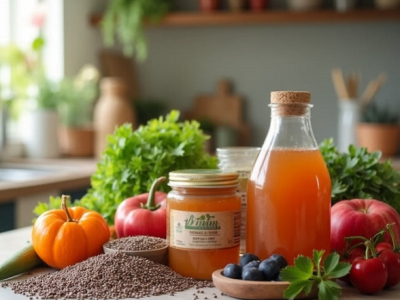
Budget tip: Buy in bulk (markets, AMAP), prioritize seasonal vegetables, and if you have a Juicer, amortize it over several treatments.
Support your detox with the right supplements
Digestive enzymes: facilitate elimination
Let's talk about an often underestimated ally: digestive enzymes.
During an intestinal detox, your body will mobilize a lot of energy to eliminate. The problem is that if your digestive system is already weakened (which is likely the case if you're doing this cleanse), it will have difficulty properly breaking down and assimilating what you eat, even if it's light.
Digestive enzymes are like little workers that come to lend a hand to your intestines. They help break down food, reduce digestive effort, and allow your body to focus on elimination rather than digestion.
When to take them ?
- 1 capsule 15-20 minutes before each main meal
- Particularly useful on days 1-2 and 5-7 (when you are still eating solid food)
Which type to choose ?
At Biovie, we recommend digestive enzymes to support your detox, which contain a mixture of amylases (for carbohydrates), proteases (for proteins), and lipases (for fats).
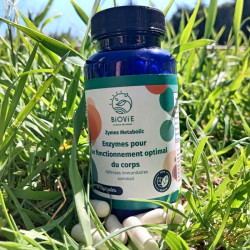
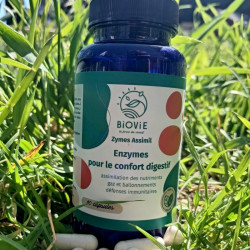
Benefits during the treatment:
- Reduction of bloating
- Less digestive fatigue
- More efficient elimination
- Better nutrient absorption
Honestly, since we started systematically using enzymes during our treatments at Biovie, customer feedback has been unanimous: it's much more comfortable.
Spirulina: Maintaining Energy During Detox
You might be wondering: "But Eric, if I eat so lightly, won't I lack energy and nutrients?"
This is a real question. And that's where the spirulina.
Spirulina is a blue-green microalgae that contains an absolutely astounding nutritional density:
- 60-70% protein (more than meat)
- All essential amino acids
- Highly absorbable iron
- B vitamins (energy)
- Chlorophyll (detox)
- Antioxidants
During a detox cure, spirulina will allow you to:
- Maintain your energy level
- Avoid deficiencies
- Support detoxification (thanks to chlorophyll)
- Reduce cravings

How to take it ?
- 3-5g per day (about 1 teaspoon of powder or 6-10 tablets)
- In the morning on an empty stomach with a fruit juice (vitamin C improves iron absorption)
- Or in a green juice (it blends well with the vegetables)
Attention: Choose a high-quality spirulina. Prefer French or European spirulina, cultivated under controlled conditions. At Biovie, only organic spirulinas tested in laboratories are selected.
Personal Testimony:
Aurélie NEVER does a detox without spirulina. She says she feels a real difference in vitality. I have tested it both with and without: with spirulina, I handle days 2-3 much better. Without it, I am really exhausted.
Fresh pollen: rebuilding the microbiota
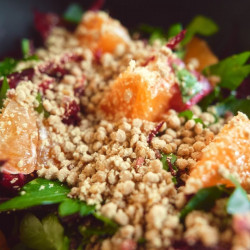
Once your gut has been cleaned out, it needs to be repopulated with good bacteria. This is where the fresh pollen.
Fresh pollen (not the dry commercial pollen, mind you) is a concentrate of natural probiotics, vitamins, minerals, and enzymes. It is one of the rare foods naturally fermented by bees that contains bacterial strains beneficial for our intestines.
€26.90
In stock
Organic Hawthorn Pollen
When to take it ?
- Starting from day 5 (reconstruction phase)
- Continue 2-3 weeks after the treatment
How to take it ?
- 1 teaspoon in the morning on an empty stomach
- Let it melt under the tongue (better absorption)
- Do not heat (it destroys the probiotics)
Why is it better than probiotic capsules ?
Fresh pollen contains a complete ecosystem of bacteria, not just 2-3 isolated strains. It's closer to what nature does. And frankly, the results are impressive. Nourish your microbiota after the detox is a crucial step that many overlook.
Conservation: Fresh pollen is stored in the freezer. Take out your daily dose in the morning and let it thaw for 5 minutes.
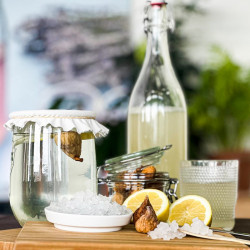
Kefir, incidentally, is an excellent entry point for beginners. It is a live fermented drink, easy to prepare at home, that naturally brings a good variety of ferments. Aurélie and I almost always have a jug on the go in the kitchen. If the idea appeals to you, the complete fruit kefir pack contains everything you need to get started. And to go further, here is how superfoods nourish your microbiota.
ZenCleanz ONE: the turnkey kit for beginners
Now, I am going to talk to you about something that can help beginners who want a complete solution: the ZenCleanz ONE intestinal detox kit.
Why was it created ?
Because we were constantly receiving messages from people saying, "Your guide is great, but I don't know where to start, I don't have a juicer, I don't have time to prepare everything, help me!"
What ZenCleanz ONE contains:
- A turnkey 5-day protocol
- Pre-measured sachets for each day
- A detailed PDF guide
- A visual day-by-day schedule
- A complementary shopping list
- Email support if needed
For whom ?
- Complete beginners
- Those who don't have the time to organize everything
- Those who want to be sure not to make a mistake
- Those who prefer a structured protocol
Is it mandatory ?
No. You can absolutely do your cleanse "by hand" by following this guide. ZenCleanz ONE is just a facilitator. It's like the difference between following a recipe and buying a ready-made meal kit.
My honest opinion:
If it's your very first time and you're afraid of making a mistake, ZenCleanz ONE will reassure you. If you're resourceful and like to manage everything yourself, this guide is more than enough.
Ready to transform your digestive health ? Discover ZenCleanz ONE, the natural detox protocol that guides thousands of beginners towards a healthy and balanced intestine.
Managing Side Effects: "It's Normal If..."
Fatigue and headaches (D1-D3)
Let's talk frankly about the not-so-glamorous stuff. You are going to be tired. You might have a headache. And that's NORMAL.
Why the fatigue ?
Your body is doing an absolutely titanic amount of background work. It is mobilizing all its energy to:
- Break down the accumulated residues
- Mobilize the stored toxins
- Transport them to the elimination organs
- Evacuate them through natural means
It's like asking your body to do a full move while you continue to live normally. It's exhausting.
Headaches, where do they come from ?
Several possible causes:
- Caffeine withdrawal : If you used to drink coffee before, your brain craves its dose. This can last 2-3 days.
- Mild hypoglycemia Less sugar = less glucose for the brain = headache
- Dehydration : If you don't drink enough (I told you: 3L/day!)
- Circulating toxins : The mobilized toxins enter the bloodstream before being eliminated.
How to manage ?
For fatigue:
- Sleep 9 hours per night (minimum)
- 20-30 minute naps during the day
- Reduce your activities to the bare minimum.
- Gentle walk (stimulates circulation without exhausting)
- Accept this fatigue (mentally resisting exhausts even more)
For headaches:
- Massive hydration (drink 1L of water at once if you have a headache)
- Cold compress on the forehead
- Temple massage with diluted peppermint essential oil
- Rest in the dark
- If truly unbearable: 1 paracetamol (but avoid if possible)
When to worry ?
- Severe headaches lasting more than 24 hours
- Significant dizziness with blurred vision
- Fatigue so extreme that you can no longer get up
In that case, stop the treatment and consult.
Transit changes
So, hold on tight, because I'm going to talk to you about stools. Yes, poop. Because that's exactly what's going to come out, and it's important to talk about it.
What to expect (be prepared psychologically):
Days 1-2: Classic Elimination
- More frequent stools (2-3 times a day instead of 1)
- Softer texture (normal, you eat a lot of vegetables)
- Darker color
Days 3-4: The Big Clean-Up
- Very frequent stools (4-6 times a day possible)
- Variable texture: liquid, then compact, then liquid again
- Surprising color: black (charcoal + liver detox), greenish (chlorophyll), sometimes almost black
- Presence of thick mucus : it's the famous mucoid plaque that is coming off !
- Strange shapes : ribbons, ropes, compact clusters
- Strong odor : Yes, toxins smell bad.
Days 5-7: Return to normal
- Less frequent stools
- Texture returning to normal
- More classic color
It's a good sign if:
- You evacuate a lot
- You see thick mucus coming out
- The stools are black/greenish (this comes from the detox)
It's concerning if:
- Bright red blood (may indicate a severe irritation)
- Intense abdominal pain
- Fever
- Black stools WITHOUT activated charcoal (may indicate upper gastrointestinal bleeding)
Practical advice:
Stay close to the bathroom on days 3-4. Seriously. Do not schedule any important meetings or outings on that day.
Mild irritability
Yes, you are going to be grumpy. I'm warning you. Aurélie says I become "boring as hell" on day 2-3 of each detox. And honestly, I can't say she's wrong.
Why are you going to be irritable ?
- Sugar withdrawal: Your brain loves sugar. When you deprive it, it is not happy. It lets you know.
- Fatigue: When we are tired, we are less patient.
- Hormonal change: Temporarily less dopamine/serotonin
- Emotional detox: The intestine also stores emotions (seriously). When cleansing, repressed emotions may surface.
How to manage (for yourself and your loved ones):
✅ Inform your surroundings:
"The next 3 days, I'm going to be unbearable. It's not you, it's my detox. Please be understanding."
✅ Isolate yourself if possible:
Avoid stressful situations, conflicts, and important discussions. This is not the time.
✅ Breathe:
Deep breathing as soon as you feel the tension rising. 5 slow inhales through the nose, 5 exhales through the mouth.
✅ Hot bath:
20 minutes in a hot bath with Epsom salts in the evening = guaranteed relaxation.
✅ Accept:
Say to yourself: "It's temporary. Tomorrow, I will feel better."
Aurélie's Tip:
She takes magnesium in the evening during the treatment. It helps to relax the nervous system and to sleep better.
When to worry? (warning signs)
OK, now the serious stuff. Here are the signals that should make you immediately stop the treatment and consult:
Serious warning signs:
1. Intense abdominal pain
- Acute, localized pain that does not go away
- Pain that prevents you from moving
- Pain that gradually increases over several hours
2. Blood in the stool
- Bright red blood (may indicate intestinal bleeding)
- Black stools WITHOUT taking charcoal (upper gastrointestinal bleeding)
3. Repeated vomiting
- More than 3 episodes of vomiting in a day
- Inability to retain water
4. Fever
- Temperature >38.5°C
- Significant chills
5. Neurological symptoms
- Severe dizziness with loss of balance
- Persistent vision trouble
- Mental confusion
- Fainting
6. Severe dehydration
- Very dry mouth
- Very dark or absent urine
- Skin that does not return to its shape when pinched
- Extreme weakness
7. Allergic reaction
- Generalized skin rash
- Difficulty breathing
- Swelling of the face/throat
If you have ANY ONE of these symptoms:
- Stop the treatment immediately
- Rehydrate yourself (water, broth)
- Eat something light (fruit, steamed vegetables)
- Consult a doctor if it doesn't go away quickly.
"Normal" signs that should NOT worry you:
- Significant fatigue (but not debilitating)
- Mild to moderate headaches
- Irritability
- Frequent and colorful stools
- Loaded language
- Bad breath
- Light dizziness when standing up too quickly
- Small skin rashes (detox acne)
Trust your instincts. If you really feel that something is wrong, stop. It's better to interrupt a treatment than to end up hospitalized.
The 5 Beginner Mistakes to Absolutely Avoid
Error #1: Starting too abruptly
It's the classic mistake. I made it. Almost everyone makes it.
You are fully motivated, you want quick results, so you tell yourself: "Alright, I'm going for it, I'm starting a strict 7-day regimen without any preparation!"
Guaranteed result:
- Severe headaches from day 1
- Extreme fatigue Day 2
- Abandon J3
- Frustration and feeling of failure
The right approach:
The 3 days of preparation are NOT optional. They are ESSENTIAL. It's like wanting to run a marathon without training. You will get hurt.
Your body needs time to:
- Gradually wean off sugar and caffeine
- Begin to gently mobilize the toxins
- Getting used to a lighter diet
- Mentally prepare
If you really don't have time to do 3 full days of preparation, do AT LEAST:
- Day 1: Light vegetarian diet, no coffee, plenty of water
- Day 0: Start of the treatment
But honestly, don't skip this step. It makes all the difference between success and failure.
Error #2: Not hydrating enough
I have lost count of the number of times people write to us: "I did the cleanse but I had terrible headaches and I gave up."
They are asked: "How much water did you drink?"
Response: "Uh... 1 liter per day I think?"
Here is the problem.
Why hydration is CRITICAL during a detox:
The mobilized toxins circulate in your blood before being eliminated. If you do not drink enough, they remain in circulation longer, which creates:
- Headaches
- Fatigue
- Nausea
- Muscle pain
Water is the vehicle that carries waste to the exit. Without a vehicle, the waste remains stuck in circulation.
Minimum hydration goal:
- 2.5 liters/day (strict minimum)
- 3 liters/day (ideal)
- 3.5 liters/day if you weigh more than 80kg
How to achieve it concretely ?
- Buy a gourd of 1L
- Objective: empty the water bottle 3 times during the day
- Timing: 1L in the morning, 1L in the afternoon, 1L in the evening
- Add lemon if plain water bores you.
- Also count the herbal teas, broths, vegetable juices.
Tip that works:
Set alarms on your phone every hour: "Drink 250ml now".
Error #3: Continuing life at 100%
You CANNOT make a intestinal detox by continuing to live as if nothing had happened.
I regularly see people who start a detox on a Monday morning and have planned during the week:
- 2 important client meetings
- 1 presentation in front of 50 people
- 2 evenings with friends
- 1 CrossFit session
- 1 child's birthday to organize
Frankly, it's shooting oneself in the foot.
A detox cure requires REST.
Your body uses a tremendous amount of energy to cleanse itself. If you simultaneously ask it to handle intense professional stress, exhausting social relationships, and intense sports, it cannot do both.
Result:
- Exhaustion multiplied
- Extreme irritability
- Ineffective cure (your body cannot focus on detox)
- Probable abandonment
The right approach:
Before starting, check your schedule:
- No major professional deadlines this week.
- No travel planned
- No important social event
- Possibility of remote work (at least on days 3-4)
- Calm weekend
Authorized activities:
- Light remote work
- Gentle walk 20-30 minutes/day
- Reading, movies, rest
- Gentle yoga, light stretching
- Meditation, breathing
Prohibited activities:
- Intense sports (running, weightlifting, CrossFit)
- Alcoholic evenings (it goes without saying)
- Business meal
- High professional stress
- Short nights
If you really cannot slow down the pace, postpone your treatment. It's as simple as that.
Error #4: Giving up at the first signs of discomfort
On days 2-3, you will feel unwell. This is NORMAL. It's even a good sign.
But it is also the time when 80% of people give up.
Classical thoughts that lead to giving up:
"I feel worse than before, it's not working for me, I'm stopping."
"I have a terrible headache, this isn't normal, I'm not made for this."
"I'm so hungry, I'm going to faint, I need to eat."
"My friends think I'm crazy for doing this, they might be right."
The truth:
These discomforts are signs that it's working. You are in the process of eliminating. The toxins are coming out. This temporarily creates more discomfort before feeling better.
It's like when you're cleaning a very messy room: in the middle of tidying up, it's even more chaotic than before. But if you give up at this stage, you end up with the worst of both worlds: the mess AND no results.
How to hold:
✅ Remember WHY you are doing this
You started this treatment for a reason. Write down that reason on a piece of paper and read it when you want to give up.
✅ Remember that it is TEMPORARY
The peak of discomfort is on days 2-3. After that, it gets better. If you make it to day 4, you're saved.
✅ Consult the testimonials
Read the testimonials of people who have succeeded. Remember that everyone goes through this.
✅ Contact someone who supports your approach.
A friend, a partner, or even the Biovie team by email. Talking helps.
✅ Put it into perspective.
5 days of discomfort for weeks of well-being, it's a good deal.
If you really must stop:
Stop gradually. Don't abruptly switch from the cleanse to pizza and beer. Reintroduce gradually over 2-3 days. And most importantly: don't feel guilty. You tried again. That's already a big deal.
Error #5: Neglecting the recovery phase
It's the most frustrating mistake. Because you held on, you made it through the 5 days, you're proud of yourself... and then, on day 6, you throw yourself at a burger and fries and a glass of wine to "celebrate" the end of the cleanse.
Guaranteed result:
- Abrupt return of digestive symptoms
- Immediate intestinal inflammation
- All the benefits of the treatment canceled in 24 hours
- Total frustration
Why is it serious ?
Your gut has just cleansed itself. It is clean, but also fragile. The intestinal mucosa is raw and sensitive. It's like freshly exfoliated skin: it is beautiful but vulnerable.
If you pile on heavy, greasy, alcoholic food, you are attacking this freshly repaired mucous membrane. It's like repainting a wall before the first coat is dry.
The right approach: the 3 days post-treatment
D+1 (the day after the end of treatment):
- Resume a normal but light diet.
- Reintroduce gluten-free grains (quinoa, brown rice)
- Add a small source of plant-based protein (well-cooked legumes)
- Keep plenty of vegetables and juice.
- NO dairy products, gluten
D+2:
- You can add dried fruits (in moderation)
- Always a lot of vegetables
D+3:
- Reintroduction of gluten if you want (but test your tolerance)
Starting from Day 4:
You can resume your normal diet. BUT ideally, keep what you have learned:
- Less dairy products
- Less gluten
- More vegetables, juice, hydration
The objective of the post-treatment phase:
- Rebuild the intestinal lining
- Repopulate the microbiota with the right bacteria
- Consolidate the benefits of the treatment
- Create new sustainable habits
It is this phase that makes the difference between a treatment that changes your life and one that is useless.
After the Detox: Maintaining the Benefits (Post-Detox Phase)
The 3 days of food reintroduction
We just talked about it in mistake #5, but it's so important that I'm going to elaborate even more.
Food reintroduction is an art. Your gut would make you pay dearly. No Savoyard fondue when resuming eating, nor raclette for that matter !
Basic principle: progressivity
You will reintroduce the food categories in this order (from lightest to heaviest):
- Gluten-free cereals
- Sprouted and well-cooked legumes
- Gluten (if tolerated and if you consume it)
- Dairy products (if tolerated and if you consume them)
Why this order ?
Gluten-free cereals and legumes are easy to digest and provide complex carbohydrates and plant proteins.
Gluten and dairy products are more inflammatory, so they are reintroduced later (and we test our tolerance).
Detailed planning D+1 to D+3
Day 1: Cereals + Legumes
Morning:
- Vegetable juice or green smoothie
- 1 fresh fruit
- Some activated almonds
- Herbal tea
Noon:
- Sprouted and cooked quinoa or brown rice (1 small bowl)
- Steamed vegetables
- Green salad
- Olive oil + lemon seasoning
Snack:
- 1 fruit
- Herbal tea
Evening:
- Vegetable soup
- Well-cooked sprouted lentils (small bowl)
- Steamed vegetables
- Herbal tea
D+2:
Morning:
- Juice or smoothie
- 1 slice of gluten-free bread (optional) or ideally sprouted buckwheat crackers
- Herbal tea
Noon:
- Quinoa or rice
- Steamed vegetables
- Salad
Snack:
- Fresh fruits
- Some nuts
Evening:
- Soup
- Steamed vegetables
- Possibly 1 egg
D+3: Progressive Diversification
Morning:
- Porridge of sliced tiger nut or quinoa
- Fresh fruits
- Chia seeds
- Herbal tea
Noon:
- Cooked sprouted cereals + legumes
- Raw and cooked vegetables
- Salad
Snack:
- Dried fruits
- Oilseeds
Evening:
- Soup or salad
- Vegetables
Starting from D+4, you can test:
- Gluten (but observe: bloating? Fatigue?)
- Dairy products (but note: mucus? Digestion?)
Important tip: test ONE food at a time
If you reintroduce gluten and dairy products on the same day and you feel unwell, you won't know which one is the culprit.
Test gluten one day, observe for 24 hours. Then dairy products, observe for 24 hours. Etc.
You may discover intolerances that you did not suspect.
Rebuild your microbiome
Now that your intestine is clean, it needs to be repopulate with the good bacteria.
Imagine you have just weeded a garden. Great. But if you don't replant anything, the weeds will come back. It's the same for your gut: if you don't replant the good bacteria, the bad ones will reestablish themselves.
The 3 pillars of microbiota reconstruction:
1. Probiotics (the good bacteria)
Natural sources:
- Fresh pollen (I mentioned it above)
- Fermented vegetables (raw sauerkraut, kimchi)
- Fruit kefir or milk kefir (if tolerated)
€39.90
In stock
Complete BI0 Fruit Kefir Pack
- Unpasteurized miso
- Tempeh
Or as a complement:
- Multi-strain probiotics (minimum 10 billion CFU)
- To be taken in the morning on an empty stomach
- Treatment of 1 to 3 months
2. Prebiotics (the food for good bacteria)
Probiotics only survive if they have something to eat. Prebiotics are the specific fibers that good bacteria feed on.
Natural sources:
- Garlic, onion, leek
- Asparagus
- Bananas (not too ripe)
- Jerusalem artichoke
- Chicory
3. Food Diversity
The more varied your diet, the richer and more diverse your microbiota will be. Try to eat 30 different plants per week.
30, it may seem huge, but it counts:
- All the vegetables
- All the fruits
- All legumes
- All cereals
- All the seeds
- All herbs and spices
Example: a mixed salad with lettuce, tomatoes, cucumber, carrots, avocado, pumpkin seeds, olive oil, lemon, parsley = already 9 different plants.
Microbiota reconstruction plan (minimum 3 weeks):
Week 1:
- Fresh pollen: 1 teaspoon/day
- Introduce 1 fermented food per day (sauerkraut, miso)
- Aim for 20 different plants in the week
Week 2:
- Fresh pollen: continue
- Probiotics in capsules if no improvement (optional)
- Increase prebiotics (garlic, onion in all dishes)
- Target 25 different plants
Week 3 and beyond:
- Maintain fresh pollen 2-3 times/week
- Maintain 1 fermented food per day
- Aim for 30 different plants per week
- Observe the improvements: less bloating, regular transit, stable energy
Signs that your microbiome is rebuilding well:
- Regular transit (1 bowel movement/day)
- Well-formed stools (type 3-4 on the Bristol Stool Scale)
- Less gas and bloating
- Stable energy during the day
- Quality sleep
- Stable mood
- Skin that is improving
Restore your intestinal lining is an essential complementary step to consolidate the benefits of your treatment.
Adopt new sustainable habits
You have just spent 5-7 days taking care of your gut. It would be a shame to ruin it all by going back to your old destructive habits, wouldn't it ?
The intestinal detox, it is not an end in itself. It is a Click. It's an opportunity to start anew.
Habits to ABSOLUTELY keep:
1. Daily hydration: 2L minimum
You got into the habit of drinking 3L during the treatment. Keep at least 2L in your daily routine. It changes everything.
2. Vegetable juice: 3-4 times/week
You don't have to drink it every day, but 3-4 times a week, it maintains a supply of concentrated nutrients and helps with elimination.
3. Reduce (not eliminate) inflammatory foods
- Dairy products: reduce by half
- Gluten: Test Your Tolerance and Reduce if Necessary
- Sugar: drastically reduce (it's the worst)
4. Increase the plants
- 50% of your plate = vegetables
- 2-3 fruits/day
- Daily seeds and oilseeds
5. Chew slowly
It starts to seem ridiculous, but it's fundamental. Digestion begins in the mouth. If you swallow without chewing, your intestine has to do all the work.
Objective: 20 chews per bite. Yes, it's long. Yes, at first it's annoying. But try it for 1 week. You will see the difference.
6. Manage stress
Stress destroys the gut. It's a fact. Find YOUR method to unwind:
- 10 minutes of meditation per day
- Deep breathing
- Walk in nature
- Yoga
- Music
- What makes you feel good
7. Move regularly
Physical activity stimulates digestion. No need to run a marathon. Walking 30 minutes a day = perfect.
"Bonus" habits (if you want to go further):
- 1 day of intermittent fasting per week (16 hours without eating)
- 1 day of monodiet per month (eating only one type of food throughout the day: apples, brown rice, grapes)
- 1 short detox cure (3 days) every 3 months
- Probiotics in a 1-month course every 6 months
When to do a detox again ?
Recommended frequency:
For a beginner (first year):
- 1 treatment of 5-7 days in the spring
- 1 treatment of 5-7 days in autumn
- = 2 treatments/year
For a regular (following years):
- 2 treatments of 7 days (spring + autumn)
- + 1 treatment of 3 days in between (summer or winter)
- = 2-3 treatments/year
Periods to AVOID:
- December (holidays)
- July-August (holidays, travel, intense heat)
- Periods of intense professional stress
- During an illness
Signs that it's time to do another detox:
You don't have to wait 6 months if your body is sending you signals. Do another treatment if you notice:
- Return of daily bloating
- Unexplained chronic fatigue
- Recurring constipation
- Skin that is deteriorating
- Repeated infections
- Unexplained weight gain
- Disturbed sleep
- Irritability
Your body knows what it needs. Listen to it.
And once you have successfully completed your first treatment, the subsequent ones will be much easier. You will know what to expect, you will know how to manage, and your body will adapt more quickly.
After maintain optimal digestion on a daily basis, you will be able to space out your cleansing treatments more.
The other "intestinal cleansing" methods: what they really do
As soon as you search for "intestinal cleansing", you come across practices far more dramatic than the gentle plan described above. They exist, some have their uses, none replaces the work done at the table. Here is enough to place them, without demonising or overselling them.
The enema: a local, age-old gesture
It involves introducing lukewarm water into the rectum, using a bulb or an enema bag, to clear out stagnant stool. It is a very old practice, documented across several traditions, and its effect is mechanical and local: it concerns the lower colon, not the whole intestine. Useful occasionally for constipation, it fixes nothing over time if the diet stays low in fibre. The equipment is available at pharmacies.
Colonic irrigation: best left to a professional setting
A different scale altogether: water circulates in cycles through the entire large intestine, under a practitioner's supervision. People who do it mainly describe a feeling of abdominal lightness. This is neither something to improvise at home nor a practice to repeat often, and it requires reseeding the flora afterwards with fermented foods or probiotics. At most once or twice a year, with a professional, and never in case of digestive disease without medical advice.
Juice cures and fasting: digestive rest
Giving digestion a rest genuinely lightens the intestine's workload. For a beginner, 16/8-style intermittent fasting is more than enough and can be practised without particular risk by a healthy person. Extended fasts, on the other hand, call for real supervision: the preparation and the return to eating matter as much as the fast itself, and they are not suitable for everyone - pregnant women, frail individuals, diabetics or people under treatment are excluded.
Plants and probiotics: clean, then repopulate
Psyllium, aloe vera, mallow or triphala support transit; ferments and probiotics, meanwhile, rebuild microbial diversity. The rule we repeat most often: an emptied gut is not a healthy gut if it stays deserted by its good bacteria. Cleaning without repopulating is only doing half the job - and it's often the mistake made with overly aggressive cures.
Purges: the most brutal method
Magnesium sulphate or chloride: these preparations trigger a rapid, massive emptying. It works, it is frankly uncomfortable, and it calls for remineralisation afterwards - seawater, green juices, broths. Best kept for a quiet day, and certainly not repeated: dehydration and mineral loss are real.
Enzyme cures
These rely on plant enzymes - bromelain, papain, amylase - taken during a phase of lighter eating. The available research mainly concerns digestive comfort and absorption; there are, on the other hand, plenty of unverifiable claims circulating around these protocols, and we prefer to stick to what is measurable. If you're curious, start with the simplest option: the supports described above, and see what your own digestive comfort tells you first.
Our position, after years of customer feedback: these methods can help on occasion, but none of them does away with the need for fibre, water, movement and sleep. Those four are what do the work over time, as part of a varied and balanced diet and a healthy lifestyle.
Beginner FAQ: Your Most Frequently Asked Questions
1. How long does an initial intestinal detox last ?
For the first time, I recommend 5 to 7 days maximum. Why this duration ?
5 days is enough to:
- Deep clean without exhausting your body
- Observe concrete results
- Do not get discouraged (it's manageable mentally)
- Minimize the risk of deficiencies
You can go up to 7 days if:
- You feel good on day 5
- You want to delve deeper into cleaning
- You have the time and energy
But do NOT exceed 7 days for the first time. The 10-14 day treatments are for regulars who know their bodies.
2. Will I lose weight ?
Yes, you will lose weight. But it will not just be fat.
Typical weight loss during a 5-day treatment:
- 2 to 5 kg on average
Breakdown of this loss:
- 40%: accumulated fecal matter and waste (1-2kg)
- 30%: water retained due to inflammation (1-1.5kg)
- 20%: actual fat (0.5-1kg)
- 10%: muscle mass (temporary, it comes back quickly)
So, attention: Some of this weight will come back when you start eating normally again. This is normal and expected.
Sustainable weight loss expected: 1 to 2 kg of actual fat.
If your main goal is weight loss, a intestinal detox is NOT the miracle solution. It's a boost, a trigger, but then a long-term dietary rebalancing is necessary.
3. Can I work during my detox ?
Short answer: Yes, but not 100%.
Long response:
Days 1-2: Yes, you can work normally (while slowing down a bit nonetheless).
Day 3-4: It's complicated. If you can work remotely or take a day off, that's better. Otherwise, only light work, no important meetings, no intense intellectual tasks.
Day 5-7: It's getting better, you can resume normal activities.
Jobs compatible with a cure:
- Office work, computer
- Remote work
- Creative professions
- Freelance work (you manage your own pace)
Incompatible professions:
- Intense physical work (construction, handling)
- Jobs that require standing all day (sales, catering)
- High-responsibility professions (surgeon, pilot...)
- Intense client contact
My advice: Plan your treatment during a calm week at work or during a vacation.
4. Is it compatible with the medications ?
It depends on which ones.
COMPATIBLE medications (continue to take them):
- Oral contraception (pill)
- Thyroid treatment (Levothyrox, etc.)
- Cardiovascular medications (after medical consultation)
- Antidepressants/anxiolytics (do not stop abruptly!)
INCOMPATIBLE medications:
- Chemotherapy
- Immunosuppressants
- Anticoagulants (the plants used may interfere)
- Medications for diabetes (risk of hypoglycemia)
- Antidepressants/anxiolytics (diet change can have an impact)
In case of doubt, consult your doctor. Honestly. I cannot give you personalized advice, and some drug interactions can be dangerous.
5. Can children/teenagers do a detox ?
No, not before 16 years old.
Their digestive system is still developing. Their body needs all its nutrients to grow properly.
A restrictive detox cure can:
- Disrupt their growth
- Create deficiencies
- Install eating disorders
Exception: If your child has significant digestive issues, consult a pediatrician or a naturopath specializing in pediatrics. There are appropriate protocols, but not a detox cure like the one I describe.
From 16 years old: Short treatment (3 days max) and only if the teenager is willing and motivated. No parental pressure.
6. My stools are strange (black, with mucus), is it serious ?
No, it's actually a good sign! You are in the process of eliminating the infamous mucoid plaque.
Stools during a cleanse can be really surprising:
- Black or greenish (chlorophyll, liver detox)
- Containing thick mucus (hardened mucus that detaches)
- Presenting compact forms or "ribbons" (mucoid plaque)
- More fragrant than usual (toxins)
- More liquids (accelerated elimination)
It's strange, sometimes impressive, but it's exactly what we're looking for. Don't panic.
When to worry ?
- Bright red blood in the stool
- Intense abdominal pain
- Fever
- Black stools AND you are not taking activated charcoal (could indicate upper gastrointestinal bleeding)
7. I feel worse than before the treatment, is this normal ?
During days 2-3, yes, it is possible and even common. This is called the "detox crisis" or "elimination crisis."
Your symptoms may temporarily worsen:
- No more fatigue
- Acne that stands out
- Headaches
- Irritability
It's counterintuitive, but it's a good sign. It means that the toxins are being released. They pass into your bloodstream before being eliminated, which temporarily creates more discomfort.
What to do ?
- Maximum hydration
- Absolute rest
- Patience (it usually passes by day 4)
When to stop ?
If on day 5 you still feel very unwell, with continuous worsening of symptoms, stop and consult a doctor. This is not normal.
8. How much does it cost to undergo a treatment ?
I gave you an estimate in the "Shopping List" section, but to summarize:
Minimum budget (do it yourself, without a kit):
- Food: €80-100 for 5 days
- Basic supplements (spirulina + enzymes): €30-40
- Total: €110-140
Comfort budget (with ZenCleanz ONE kit):
- Kit ZenCleanz ONE: approximately 70-90€
- Additional fresh foods: €50
- Total: €120-140
Premium budget (with all optimal add-ons):
- Food: €100
- All supplements (spirulina, enzymes, psyllium, charcoal, pollen): €80
- Total: €180
To put it into perspective: some people spend €150 per week on regular food (restaurants, prepared meals, etc.). A cure at €140 is even economical.
And above all, it's a health investment. How much does a doctor's consultation + medication cost when you're sick? How much is a week of sick leave worth? Prevention always costs less than illness.
Conclusion
Here we are, at the end of this guide. Honestly, if you've read this far, you've already done the hardest part: you've informed yourself. Now, all that's left is to take action.
I know it may seem intimidating. An intestinal cleanse is not insignificant. It requires preparation, motivation, and organization. But believe me, it's one of the most precious gifts you can give your body.
After 20 years in the field of natural health, after creating Biovie and listening to many people, I can tell you one thing with certainty: your gut is the key to your overall health. Take care of it, and everything else will follow.
You might struggle in the first few days. That's normal. You might have doubts. That's normal too. But hold on. By day 5, when you wake up with that mental clarity, that lightness, that regained energy, you'll understand that it was worth it.
And remember: it's not about perfection. It's okay if you don't follow the protocol to the letter. It's okay if you give in and eat a potato on day 4. What matters is that you tried. What matters is taking care of yourself.
At Biovie, we are here to support you. Whether it's with ZenCleanz ONE, spirulina, digestive enzymes, fresh pollen, or simply advice on the blog.
So, ready to get started? Your gut is waiting for you. It has so much to tell you. Listen to it.
Take care of yourself,
Eric
Disclaimer: The information in this article is provided for information purposes only and does not constitute medical advice. Consult a qualified health professional before making any change to your diet or supplementation. As part of a varied and balanced diet and a healthy lifestyle.