Imagine a beehive where all the larvae are born with identical genetic makeup, destined to become workers. However, only one of them will become a queen, not due to an innate difference in her DNA, but solely because she will be fed in a radically different way from her peers.1 This fascinating phenomenon, where the same genetic code can lead to such distinct biological destinies, is a perfect illustration of the power of theEpigenetics.
Epigenetics is a revolutionary field of biology that explores how our genes are "read" and "expressed" without altering the sequence of our DNA..5 She explains why a cell of skin is fundamentally different from a cell of heart, although they both contain the same genetic plan.1 It is not about knowing which genes we possess, but rather how our body uses these genes, activating or deactivating them as needed. This level of control, situated "above" genetics itself 2, is a complex machinery that orchestrates the reading of our DNA.1
This deep understanding of epigenetics opens our eyes to a fundamental reality: your daily life choices, in particular your food and your environment are not just simple external factors. They are powerful levers that actively shape the expression of your genes, thus influencing your health, your well-being, and even your Biological age. This article will explore these mechanisms, using the compelling example of bees, to reveal how you can regain control of your epigenetic health.
Some advanced scientific explanations for the more curious: Epigenetics, the invisible orchestra of your genes
We have attempted to simplify the concept of epigenetics as much as possible because it is fundamental for taking control of one's health. Here is an optional advanced scientific development to read:
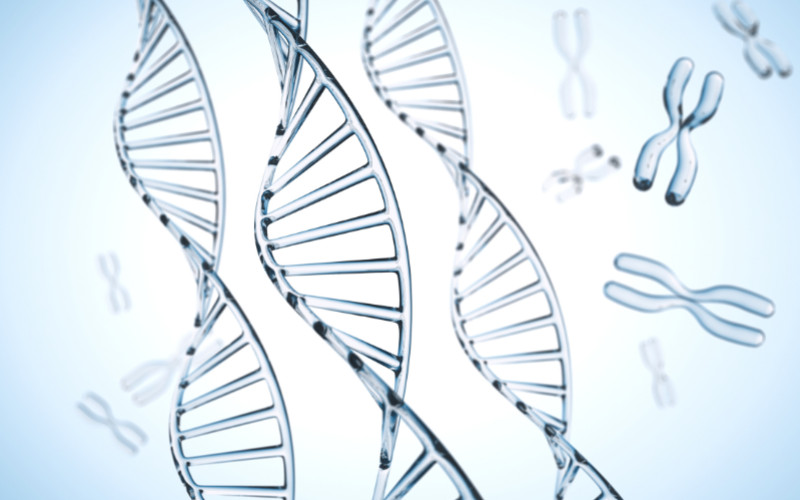
Imagine that your genes are like switches. Some are turned on, others are turned off. It is epigenetics that manages these switches, without changing the basic wiring (your DNA). It explains why a skin cell is different from a heart cell, even though they have the same genetic blueprint.1 Epigenetics orchestrates the reading or non-reading of genes, ensuring the specialization of your cells and the proper functioning of your body.1
The three epigenetic conductors:
These molecular mechanisms are like "conductors" that modify the expression of your genes without changing the sequence of your DNA.1They act like "labels" or some "markers"on your DNA and the accompanying proteins, deciding which genes are active or silent.
DNA Methylation: The Chemical "Switches" that Turn Genes On or Off
It's like adding or removing small chemical tags on your genes.1 These labels, called methyl groups, can "lock" a gene so that it is not read (it is "off"), or conversely "unlock" it so that it becomes active (it is "on").1 Think of a post-it that says "do not read" or "read now" on a page of your genetic recipe book. This methylation is often stable and can be passed on when your cells divide, ensuring that the state of a gene is preserved in the new cells.7
Histone modifications: The "compaction" of DNA that makes genes accessible or not
Your DNA is a very long string that is not free in the nucleus of your cells. It is intricately wrapped around small spools called Histones, , forming a compact structure known as chromatin.1 Access to your genes depends on how the DNA is wrapped around these histones. Small chemical "tags" can attach to these coils and influence the degree of DNA compaction. If the DNA is tightly wound, the genes become inaccessible and are silent. Conversely, if the DNA is unwound, the genes become accessible and can be read.1 These changes are very dynamic and can quickly shift in response to signals from your environment, such as what you eat or the Stress that you are undergoing.1 This flexibility allows your cells to quickly adapt to changes.
Non-coding RNAs: The "messengers" that regulate gene expression
In addition to RNAs that are used to make proteins, there are other RNA molecules called non-coding RNAs (ncRNAs). As their name suggests, they do not code for proteins, but they play an essential role in regulating the expression of your genes.10 These RNAs influence the way genes are expressed, sometimes by interacting with DNA or other RNAs.1 Their production and action are very dynamic, allowing for quick responses to environmental stimuli.1 The entirety of these non-coding RNAs, DNA methylation, and histone modifications form a complex and interconnected regulatory network, where all these epigenetic mechanisms collaborate to control the expression of your genes.10
The Secret of the Hive: A Lesson in Epigenetics by Nature
The Fascinating Story of the Queen and the Workers: A Destiny Dictated by Royal Jelly
The example of the beehive is one of the easy-to-understand demonstrations of the power of epigenetics in the Nature. All bee larvae, whether destined to become queens or workers, share exactly the same genetic heritage.1 However, their development and destiny are radically different. The Workers are small, sterile, and live only a few weeks., while the only one The queen is large, extremely fertile, and can live for several years..1 This dramatic divergence is entirely determined by their diet during the first days of their larval life. Larvae fed exclusively with royal jelly become queens, while those that receive honey and pollen become workers.1
The key mechanism in bees: How royal jelly deactivates a crucial gene (DNMT3) to create a fertile and long-lived queen
Science has uncovered the secret of this transformation. Research has shown that royal jelly works by specifically inhibiting an essential gene called DNMT3(DNA methyltransferase 3).14 DNMT3 is a Enzyme Responsible for the addition of methyl groups to DNA, a key process in methylation.8 By inhibiting this Enzyme, royal jelly reduces the overall level of DNA methylation in the developing larva.14 This "hypomethylation" (reduction of methylation) then allows the expression of crucial genes for the development of the queen, particularly those related to fertility and increased longevity, which would normally remain silent in worker bees.14
This precise mechanism highlights that epigenetics is a delicate process where the activation or deactivation of genes, through the addition or removal of chemical marks, can lead to radically different phenotypes.
The scope of this example: If diet can transform a bee, what impact does it have on us ?
The story of the queen bee is much more than just a biological curiosity: itExternal factors, particularly diet, can profoundly alter an organism's biology, even when its genetic code remains unchanged. This observation naturally leads us to question the impact of our own choices and lifestyle habits. on our health.If a simple dietary difference can radically transform a bee, what influence your diet and your environment have on your own epigenome and, by extension, on your health and your aging biological - and your longevity.
Your lifestyle, your epigenome: The keys to your health
Your genes are not an unchangeable fate. Epigenetics reveals that your body is in constant interaction with its environment, and that your lifestyle choices are powerful modulators of the expression of your genes.
Nutrition: The Fuel for Your Epigenetics
Your diet is much more than a source of calories; it provides the nutrients and the metabolites that act as substrates or essential cofactors for the enzymes and proteins that modify your epigenome.19 There is a direct biochemical connection between what you eat and how your genes are read.
Essential Nutrients: Folates, B Vitamins, Fatty Acids (Omega-3), Polyphenols – Their Concrete Roles
Some nutrients are key players in epigenetic regulation. The folates (vitamin B9), vitamin B12, choline, and betaine are "methyl donors" crucial, providing the chemical groups necessary for DNA methylation.1 A deficiency in these nutrients can lead to undesirable hypomethylation and increase the risk of certain cancers.3 The example of "agouti" mice is striking: maternal supplementation with these nutrients transformed yellow, obese, and disease-prone offspring into healthy and brown individuals, and this effect persisted over several generations.3
The polyunsaturated fatty acids, including Omega-3s, are also recognized modulators of DNA methylation and micro-RNAs.4 Studies have shown a correlation between high omega-3 consumption and beneficial methylation levels in immune cells. It has even been observed that DHA supplementation in pregnant women smokers could mitigate the deleterious epigenetic effects of smoking on their offspring.4
Many plant compounds natural elements exert powerful epigenetic effects. This is where the superfoods can make all the difference for your epigenome:
The Sulforaphane, abundant in the sprouted broccoli seeds (a superfood easy to integrate into your daily life) is an excellent example. It acts as a "gene unlocker," helping to restore healthy expression and make cells more resilient.1
The seaweed, the spirulina and the Chlorella are true treasures of micronutrients. They are full of B vitamins (notably B9 and B12), minerals, and antioxidants, all essential for providing the "building blocks" necessary for epigenetic processes and supporting DNA methylation.1
Thesea water, rich in Trace elements like zinc, is also valuable. These minerals are essential cofactors for enzymes who orchestrate the epigenetic modifications.1
The fresh pollen, a concentrate of life, provides a synergy of vitamins, minerals, and enzymes that nourish your epigenome.
The Tiger nut, with its richness in fiber, is an ally for your gut microbiota. A healthy microbiota produces Butyrate, a short-chain fatty acid that has very positive epigenetic effects.1
The activated almonds (soaked and sprouted) are a source of healthy fats and micronutrients with improved bioavailability, providing valuable support to your epigenetic mechanisms.
The Curcumin (from turmeric) and the resveratrol (Dark berries and grapes) are other bioactive compounds capable of regulating microRNAs and influencing DNA methylation patterns and histone modifications.3 The knowledge of these specific compounds and their precise mechanistic actions provides concrete avenues for making informed dietary choices.
Impact of Diets: Comparison of the Effects of a Balanced Diet (e.g., Mediterranean) vs. Unbalanced Diet
Impact of your overall diet on the epigenome is also significant. The Western diet, characterized by a high consumption of saturated fats, red meats, and refined carbohydrates, and a low consumption of fruits and vegetables, is strongly linked to various chronic diseases, including hypertension, heart diseases, the diabetes, obesity and an increased risk of cancer.3 A maternal Western diet can even lead to "in utero somatic reprogramming" and deleterious DNA modifications in the offspring, affecting their long-term health.3
On the contrary, the Mediterranean diet, rich in fruits, vegetables, and healthy fats, is consistently associated with a reduced risk of heart disease, cardiovascular mortality, and overall cancer incidence. It can also positively influence the neurobehavioral outcomes of offspring.3
Emerging research suggests that the caloric restriction controlled (without malnutrition) and intermittent fasting can extend lifespan in various models, partly by activating sirtuin 1 (a type of HDAC), which delays or even reverses age-related physiological changes through epigenetic effects.3
The role of the gut microbiota: How our bacteria influence our genes through butyrate
The trillions of bacteria that reside in your intestine, your gut microbiota, play an essential role in your health, partly through epigenetic mechanisms.4 The Butyrate, a short-chain fatty acid produced when dietary fibers are fermented by these beneficial bacteria, has particularly positive epigenetic effects.4 This highlights the importance of a fiber-rich diet to maintain a healthy epigenome and promote good health. gut health. The microbiota is therefore another crucial environmental factor influencing your epigenetics.
Table 1: Plant Compounds and Their Epigenetic Effects
Plant Compound
Food Source(s)
Main Epigenetic Effect
Apigenin
Parsley, Rosemary, Chamomile
Histone tail modification, DNA methylation
Curcumin
Turmeric
Histone tail modification, DNA methylation, microRNA regulation
Epicatechins
Cocoa, Tea, Coffee, Berries
DNA methylation, microRNA regulation
Lycopene
Tomatoes
Modification of histone tails
Indole-3-carbinol and Diindolylmethane
Broccoli
DNA methylation
Sulforaphane
Broccoli
Modification of histone tails
Resveratrol
Dark berries, Grapes
Histone tail modification, DNA methylation, microRNA regulation
Allyl disulfide
Garlic
Modification of histone tails
Luteolin
Celery, Thyme, Dandelion
Regulation of micro-RNAs
The environment in a broad sense: Beyond the plate
The impact of your environment on epigenetics goes far beyond the contents of your plate. The concept ofExposome encompasses the entirety of environmental exposures you experience from conception to the end of your life.4This includes not only thefood, but also thephysical activity, the management stress, the Quality of sleep, the exhibitionto pollutants, and even your thoughts.2
Stress and Emotions: How They "Mark" Our DNA
The Stress Chronic conditions and the way you manage your emotions are powerful epigenetic levers.2 For example, depression or theanxiety kindergarten during the pregnancy can lead to abnormal epigenetic marking on the glucocorticoid receptor gene in the baby, influencing its response to stress later in life.2 Childhood trauma is strongly linked to altered epigenetic profiles and an increased risk of premature mortality, as well as various chronic diseases such as depression, substance abuse, obesity, diabetes, and cardiovascular diseases.2 These observations highlight the profound connection between your mental state and your molecular biology.
Physical Activity: A Powerful Modulator for Better Gene Expression
Thephysical activity Regular exercise is not only beneficial for your overall physical condition; it actively modulates the three main epigenetic mechanisms, playing a crucial role in the prevention of many lifestyle-related diseases.4 Exercise can reduce global methylation of immune cells in older adults, inhibit specific cancer-promoting genes, and modulate microRNAs involved in carcinogenesis and metabolic diseases.4 Studies have shown that even moderate physical activity can alter the activity of thousands of genes, including those directly involved in type 2 diabetes and obesity.4 Physical activity is therefore a powerful tool for optimizing the expression of your genes.
Sleep: The Importance of Recovery for the Epigenome
A sleep Adequate and restorative sleep is an essential epigenetic factor, often underestimated. Chronic sleep debt is a major epigenetic disruptor, closely linked to a wide range of health issues, including obesity, diabetes, autoimmune diseases, cardiovascular diseases, hypertension, and disorders of the memory, neurodegenerative diseases and depression.1 This demonstrates that even seemingly passive activities have profound molecular consequences on your epigenome.
Pollutants and Toxins: The Epigenetic "Disruptors"
Heavy metals and various environmental contaminants (such as arsenic, chromium, bisphenol A (BPA), dioxins, polycyclic aromatic hydrocarbons (PAHs), DDT, as well as smoking and alcohol consumption) are significant disruptors of epigenetic processes.2 These substances can lead to deleterious epigenetic marks through mechanisms such as increased oxidative stress, altered availability of methyl groups, and endocrine disruption.4 Examples include BPA, which promotes breast cancer and obesity, and prenatal exposure to maternal smoking linked to respiratory diseases and immune dysregulation in children.3 Minimizing exposure to these disruptors is crucial for epigenetic health.
Concrete examples of impact on human health: Chronic diseases, development, immunity
Epigenetic alterations are increasingly associated with a wide range of "civilization diseases," including cardiovascular diseases, neurodegenerative disorders, autoimmune conditions, metabolic syndromes (such as obesity and diabetes), chronic inflammatory diseases, and various cancers.1 The study of the Dutch famine cohort is a compelling example: prenatal exposure to famine led to transgenerational effects on health, including increased risks of type II diabetes and cardiovascular diseases, directly linked to specific methylation changes.3 Epigenetic changes can also contribute to developmental issues, such as memory and learning defects, malformations, and abnormal fetal development.3
However, unlike genetic mutations, which are generally permanent, epigenetic modifications are dynamic and not irreversible. They can be modulated and, in many cases, even reversed.1 This plasticity offers immense potential for the prevention, mitigation, and even treatment of various health conditions through lifestyle-targeted interventions.
Epigenetics and the Passage of Time: Redefining Your Age Biological
Chronological Age vs. Biological Age: Why You Might Be Younger (or Older) Than Your ID Card
We have all experienced meeting someone who "doesn't look their age," or on the contrary, who seems to have "aged significantly."10 This intuitive observation reflects a profound biological reality: Your chronological age, the number of years since your birth, does not always correspond to your biological age, which is the actual age of your cells and tissues.10 Biological age is a measure of your true health status and your rate of aging at the cellular level.
"Epigenetic clocks": How science measures our true cellular age
Science has developed revolutionary tools to measure this biological age: "epigenetic clocks." These cutting-edge biomarkers assess the age of your cells and tissues by analyzing specific DNA methylation patterns across your genome.19
The clock of Horvath (2013): The first multi-tissue measurement
In 2013, Steve Horvath marked a major turning point in aging research by developing the first multi-tissue epigenetic clock. This pioneering tool has demonstrated its ability to estimate the age of various human tissues and cell types with remarkable accuracy.22 The clock of Horvath is considered an estimator of internal cellular age, reflecting an inherent aging process in cells.23
The DNAm PhenoAge Clock by Morgan Levine (2018): A More Predictive Measure of Health
Building on the foundations laid by Horvath, , Morgan Levine, under his mentorship, developed the DNAm PhenoAge Clock in 2018. This clock represents a significant advancement as it surpasses previous measures in predicting a wide range of aging-related outcomes, including all-cause mortality, various cancers, physical function, and even the risk of Alzheimer's disease. The DNAm PhenoAge Clock was developed by integrating composite clinical measures of phenotypic age, reflecting a person's overall health status. An accelerated epigenetic age measured by this clock is associated with increased activation of pro-inflammatory pathways and interferon pathways, as well as decreased activation of DNA damage response mechanisms. This establishes a crucial mechanistic link between accelerated epigenetic aging and the inflammatory processes underlying many chronic diseases. The ability of this clock to superiorly predict actual health outcomes makes it a valuable tool for assessing disease risk and longevity.
The Potential of Reversibility: Acting on Our Epigenome for Healthy Aging
One of the most encouraging discoveries in epigenetics is that, unlike genetic mutations which are generally permanent, epigenetic modifications are dynamic and not irreversible. They can be modulated and, in many cases, even reversed.1 This means that your lifestyle choices – including your diet, physical activity, stress management, and sleep quality – can directly influence these epigenetic clocks. By adopting healthy habits, it is potentially possible to slow down, or even "rejuvenate," your biological age.4 This understanding gives you considerable power over your own aging process and overall health.
Conclusion: Take control of your health
Epigenetics reveals a fundamental truth to you: your genes are not your unchangeable destiny. The tale of the queen bee, whose destiny is shaped solely by her diet, is a powerful metaphor for your own potential. It demonstrates that although you inherit a certain genetic heritage, the way these genes are expressed is profoundly influenced by your environment and life choices.
Epigenetic mechanisms – DNA methylation, histone modifications, and the action of non-coding RNAs – form a complex orchestra that determines the activity of your genes. These processes are sensitive to a multitude of factors: the specific nutrients you consume (and superfoods like broccoli sprouts, algae, spirulina, chlorella, seawater, fresh pollen, tiger nuts, and activated almonds), the composition of your gut microbiota, your level of physical activity, how you manage stress, the quality of your sleep, and even your exposure to pollutants.
Scientific advancements, particularly the development epigenetic clocks like the DNAm PhenoAge Clock, now allow you to measure the impact of these factors on your actual biological age, beyond your chronological age. They confirm that healthy lifestyle choices can not only improve your current health but also potentially slow down cellular aging and reduce the risk of chronic diseases.
Epigenetics is a science of hope and responsibility. It gives you the keys to understand that you are not mere spectators of your genetic heritage, but powerful actors of your well-being. By adopting a balanced diet, incorporating physical activity into your daily routine, learning to manage your emotions, and prioritizing restorative sleep, you can actively modulate the expression of your genes for a healthier and longer life. It's time to take control of your epigenetic health!
FAQ: Frequently Asked Questions about Epigenetics
What is epigenetics?
Epigenetics is a field of biology that studies how the expression of our genes is modified without altering the DNA sequence itself. It explains how environmental factors and our lifestyle choices can turn certain genes on or off, thereby influencing our health and characteristics.
How does diet influence epigenetics?
Nutrition provides essential nutrients (such as folates, B vitamins, Omega-3 fatty acids, and polyphenols) that act as "methyl donors" or chemical modulators. These compounds can directly influence the epigenetic marks on our DNA and histones, determining which genes are active or silent. Superfoods like broccoli sprouts, algae, spirulina, chlorella, seawater, fresh pollen, tiger nuts, and activated almonds are particularly rich in these essential nutrients.
Can lifestyle choices reverse epigenetic changes?
Yes, unlike genetic mutations which are permanent, epigenetic modifications are dynamic and potentially reversible. Healthy lifestyle choices, including a balanced diet, regular physical activity, good stress management, and sufficient sleep, can positively modulate our epigenome.
What is biological age and how is it measured?
Biological age is a measure of the actual age of our cells and tissues, which can differ from our chronological age. It is measured using "epigenetic clocks," scientific tools that analyze specific DNA methylation patterns to assess health and aging at the cellular level.
What are the main epigenetic mechanisms?
The three main epigenetic mechanisms are DNA methylation (the addition of methyl groups that activate or deactivate genes), histone modifications (which influence DNA compaction and gene accessibility), and the action of non-coding RNAs (which regulate gene expression without coding for proteins).
References
Horvath, S. (2013). DNA methylation age of human tissues and cell types. Genome Biology, 14(10), R115.
Kucharski, R., Maleszka, J., Foret, S., & Maleszka, R. (2008). Nutritional control of reproductive status in honeybees via DNA methylation. Science, 319(5865), 1827-1830.
Levine, M. E., Lu, A. T., Quach, A., Chen, B. H., Edgar, T. D., Tanaka, A.,... & Horvath, S. (2018). An epigenetic biomarker of aging for lifespan and healthspan. Aging (Albany NY), 10(4), 573–591.