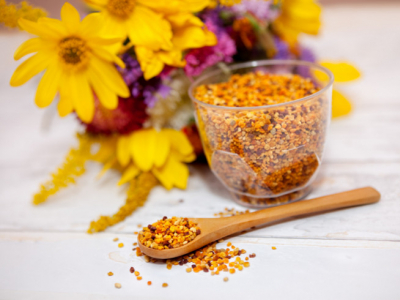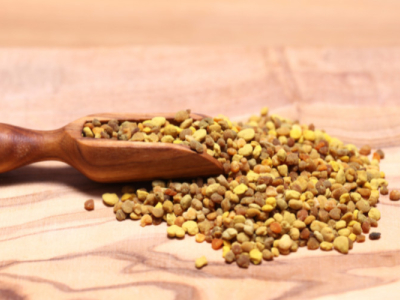


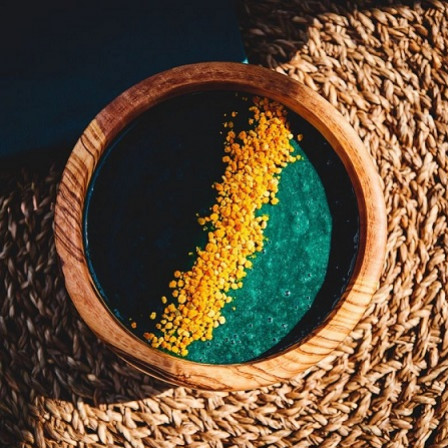

Flower pollen is a very versatile and fascinating element at the same time. It is much more than just a yellowish dust carried by the wind; it is the essence of plant reproduction. Pollen is collected by bees, who store it on their hind legs when transporting it from the flower to the hive to feed their colony, as it is the main source of protein for bees. It is also essential for feeding developing larvae due to its richness in nutrients, just like royal jelly.
In the world of floral pollens, there are several types that we will discuss in this article, each type holds a unique richness and offers a diversity of properties and uses. These tiny pollinating particles have benefits, and their uses extend far beyond simple reproductive processes. Together, we will uncover the unexpected treasures of the different types of flower pollen and their incredible range of uses.
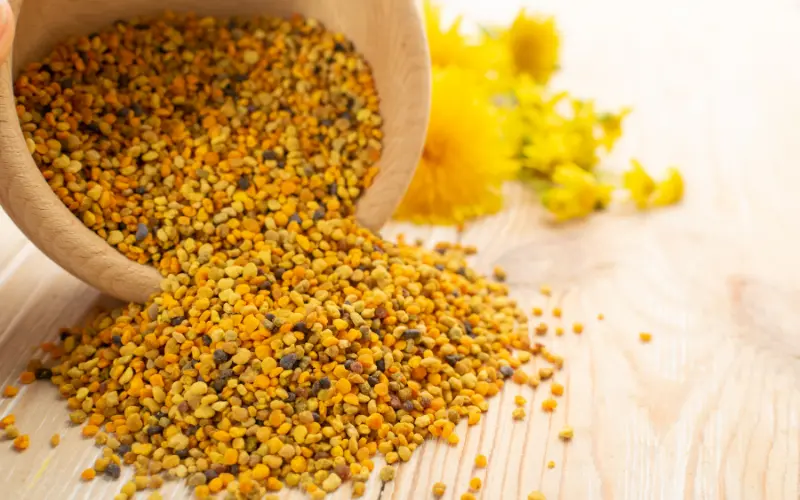
The different types of flower pollen
In the kingdom of flowers, each pollen is defined as a unique botanical signature. Here is a brief overview of the different types of flower pollen that populate our environment:
- Rose Pollen: Renowned for its finesse and softness, it is highly valued in cosmetics for its soothing and moisturizing properties.
- Hawthorn Pollen : It is often used for its benefits on cardiovascular health and blood circulation.
- Cistus pollen : Cistus pollen is valued for its antibacterial and anti-inflammatory properties, and it is often used to strengthen the immune system.
- Chestnut pollen : It is recognizable by its brown hue and grainy texture. It is rich in essential nutrients and is often used to soothe emotional states.
- Sunflower Pollen: It stands out from other pollens due to its brightness and vibrant yellow hue. Sunflower pollen is rich in vitamins and antioxidants, which help neutralize free radicals and protect cells against oxidative damage.
- Lavender Pollen: With its captivating fragrance, lavender pollen is renowned for its relaxing and soothing properties. It is particularly used in aromatherapy and infusions to promote sleep and relieve stress.
- Willow pollen: Known for its allergenic potential, this pollen is often associated with seasonal allergies. However, it is also used in phytotherapy for its anti-inflammatory properties.
- Orange Blossom Pollen: It comes from orange blossoms, it is delicate and highly valued for its subtle fragrance and toning properties. It is often used in cooking to flavor desserts and infusions.
- Lotus Pollen: Lotus pollen is used in traditional medicine for its anti-aging and regenerative properties.
There are, of course, other varieties of pollen, thousands, or even tens of thousands of different plant species, each producing their own type of pollen.
Here is now an overview of the different forms of pollen available on the market:
- Fresh pollen:
Fresh pollen is collected directly from flowers and consumed without undergoing any processing. This form of pollen is valued for its intact nutritional richness as it contains a full range of nutrients, including proteins, vitamins, and minerals. It has antioxidant properties and is considered a Anti-inflammatory and it protects and restructures the mucous membrane while limiting the harmful effects of stress on your body.
Moreover, fresh pollen retains its active enzymes, which can facilitate digestion, increase its effectiveness, and promote the proper functioning of the intestinal flora. This is why fresh pollen is considered the most beneficial form of pollen because it is the purest.
Fresh pollen is 100 times more concentrated in lactobacillus ferments than dried pollen and much richer in vitamins !
- Frozen pollen:
It is the most interesting form to consume pollen if fresh pollen is not available.Freezing after harvest stabilizes pollen in its fresh state and allows it to retain its nutritional benefits while extending its shelf life. Among the advantages of frozen pollen, it remains available. throughout the year and retains its ability to maintain its health benefits. However, freezing can slightly alter the texture of the pollen and slightly reduce its enzymatic activity.
- Dry pollen:
Dry pollen is obtained through a low-temperature drying process of fresh pollen. This method allows the pollen to be preserved for long periods, just like the freezing method, but at room temperature. It is used in the food industry, cosmetics, and natural medicine, and has the advantage of being easier to transport than fresh or frozen pollen. However, as with all processes involving heat, it loses some of its vitamins, ferments, and enzymes, and its texture becomes more rigid.
Difference between fresh pollen and allergenic pollen
Fresh pollen and allergenic pollen both come from plants, but they differ significantly in their composition and effects on the body:
Fresh pollen:
- Fresh pollen is the natural pollen collected directly from flowers by bees or other pollinators, and it is typically consumed as dietary supplements or added to certain food products. It is not the pollen that is in the air.
- Fresh pollen is rich in essential nutrients such as proteins, vitamins, minerals, and antioxidants. It is beneficial for health when consumed in moderation.
- Fresh pollen has many health benefits, notably by strengthening the immune system, improving energy, and providing antioxidants.
Allergic pollen:
- Allergic pollen is produced by plants for reproduction purposes. When pollen grains are released into the air, they can be inhaled by sensitive individuals, triggering allergic reactions, the severity of which depends on the amount of pollen present in the environment.
- Allergenic pollens contain allergenic proteins that trigger immune responses in sensitive individuals. These immune responses can cause allergy symptoms such as allergic rhinitis, watery eyes, headaches, sneezing, itching, sometimes requiring medical advice to assess and treat the symptoms.
- People with pollen allergies often need to take extra precautions during months of high pollination.
Here is an example of birch pollen, which is pollen released into the air during the pollination period, usually in spring. Medically, it is often associated with allergic reactions in sensitive individuals, as birch pollen contains allergenic proteins that can trigger immune responses, such as itchy eyes and sneezing, in these individuals.

How to choose the right type of pollen
To choose the right type of pollen, you should know your nutritional needs and individual health goals because each flower pollen offers unique benefits, so the choice depends on each person's individual needs.
Here is a comparison of our three products sold in our store and their various benefits:
1. Cistus Pollen:
- It is renowned for its antibacterial and anti-inflammatory properties.
- It is recommended to strengthen the immune system.
- It can help fight infections and relieve the symptoms of seasonal allergies thanks to its bioactive compounds.
- It is perfectly suited for people wanting to improve their respiratory health.
2. Hawthorn Pollen:
- It is rich in flavonoids and antioxidants, making it a valuable ally for heart and blood vessel health.
- It can help regulate blood pressure, improve blood circulation, and reduce the risk of cardiovascular diseases.
- It is rich in vitamin B2 and B1, which contribute to the reduction of fatigue and to a normal energy metabolism.
€26.90
Organic Hawthorn Pollen
3. Chestnut Pollen:
- It is renowned for its richness in essential nutrients, particularly B vitamins and minerals such as zinc and magnesium, and it is a good source of protein.
- It contributes to the proper functioning of the nervous system.
- It brings calm and serenity, is very rich in antioxidants, and protects cells against oxidative stress while helping you stay zen. You can use it in case of the blues, fatigue, professional burnout, or simply to take care of your health !
Each pollen is a true gem of nature, revealing its secrets and benefits to those who know how to discover them.
How to use flower pollen daily?
Here are some practical tips for incorporating flower pollen into your daily routine and fully enjoying all its health benefits:
- You can add flower pollen to your diet by putting a small amount in your yogurt, cereals, toast, or salad, or by sprinkling it into your smoothies and fruit juices.
- You can use it as a nutritional supplement by taking it in the form of a pollen-based dietary supplement or by taking a tablespoon every day upon waking.
- Integrating pollen into your beauty routine might seem like a somewhat absurd idea, but it is very effective for beauty care. You can use it as a nourishing face mask by mixing pollen with honey or olive oil, or as a hair mask to strengthen and hydrate the hair.
- You can incorporate it into your wellness rituals by adding flower pollen to your daily tea or infusion to promote relaxation and well-being.
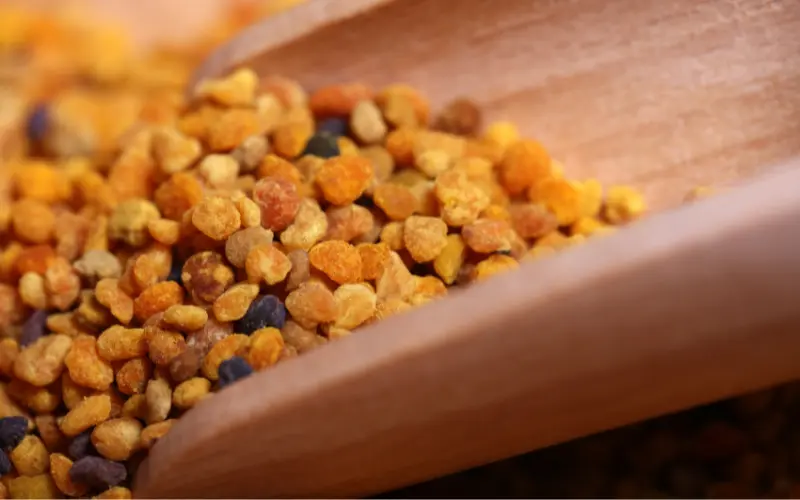
Effective conservation of flower pollen
- Store the flower pollen in an airtight container to protect it from moisture and air.
- Preferably use a dark glass or opaque plastic container to reduce exposure to light, which can subsequently alter the quality of the pollen.
- Keep a small amount of fresh pollen in your refrigerator if you plan to consume it in the following days, to prevent any spoilage.
- Store it in the freezer if you do not plan to consume the pollen quickly and wish to preserve it for a longer period. You can very well consume frozen pollen directly, without prior thawing.
Conclusion
Flower pollen offers a multitude of benefits for health and well-being, and effective preservation is essential to maintain the freshness and quality of the pollen. By incorporating pollen into your diet, beauty care, and wellness rituals, you can enjoy its numerous benefits, whether it's boosting your immune system, improving your cardiovascular health, or providing relief during periods of stress and anxiety to help you stay calm.
By following our proper storage advice and choosing the right type of pollen according to your personal needs, you can incorporate this valuable substance into your daily life in a sustainable and beneficial way.