


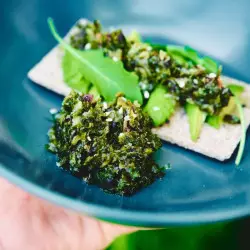

This generous bowl brings together spiralised raw vegetables, massaged kale, lacto-fermented sauerkraut and a creamy tahini and miso sauce lifted with garlic and basil. Inspired by macrobiotic cooking, it delivers crunch, freshness and a fermented note that is kind to digestion. Add half an avocado for extra creaminess and you are done.
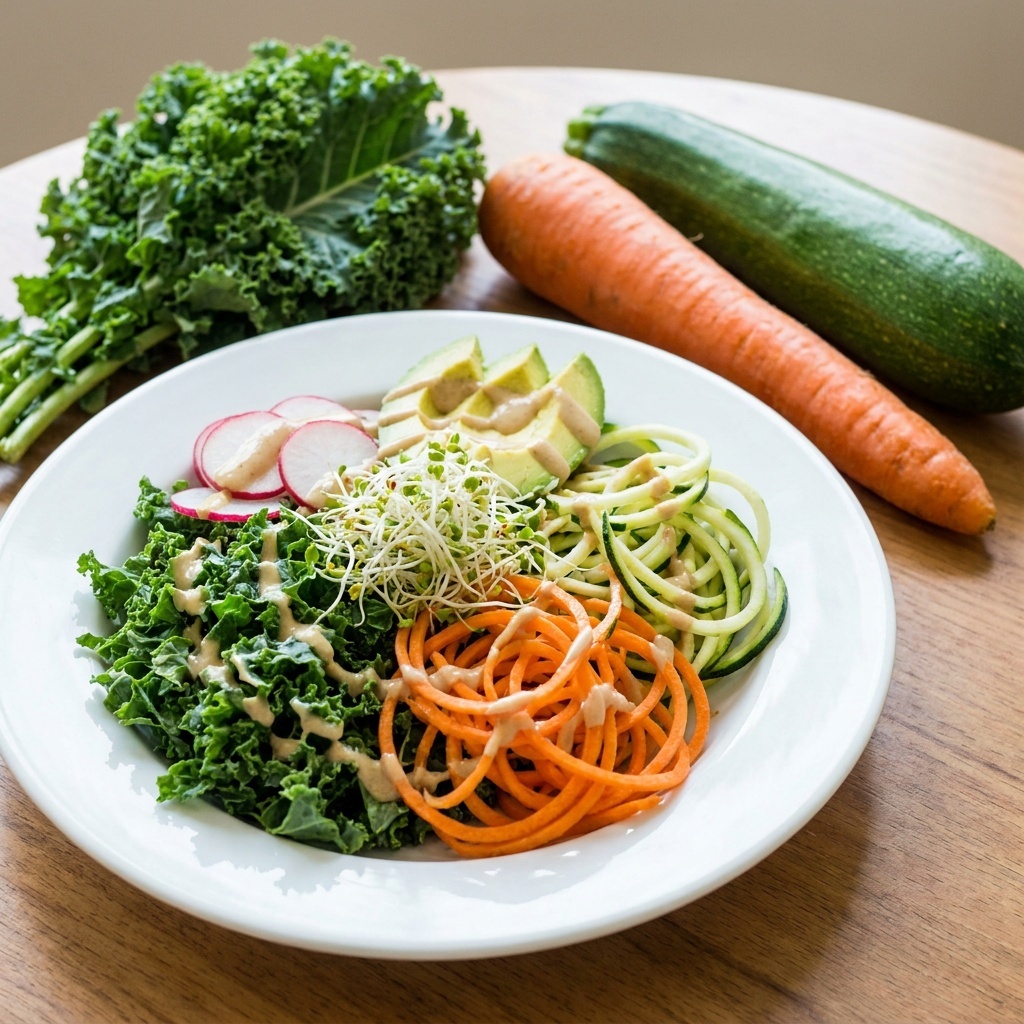
Raw Macrobiotic Bowl with Crunchy Vegetables and Tahini-Miso Sauce

Share this article
Ingredients
For the bowl
- 1 bunch of kale
- 1 large carrot
- 1 large courgette
- 1/2 cup raw sauerkraut
- 1 handful of sunflower sprouts
- 1/2 cup cherry tomatoes
- 2 to 3 spring onions
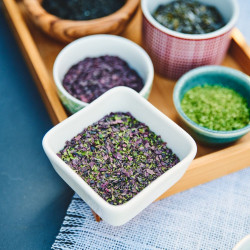
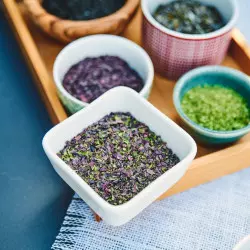
- 1 handful of dried seaweed
- 1/2 lemon (for the kale)
For the sauce
- 1 tablespoon raw tahini
- 1 tablespoon raw miso paste
- 1 clove of garlic
- 1 handful of fresh basil
- 2 to 3 tablespoons water
Preparation
- Peel the courgette and run it through the spiraliser to make noodles, then let them rest on kitchen paper to release their water.
- Soak the dried seaweed in water for 15 to 20 minutes, then rinse it in a colander to remove any grit.
- Wash and de-stem the kale, dry it and tear it into small pieces.
- Squeeze the half lemon over the kale and massage it by hand until it softens and shrinks in volume.
- Peel the carrot and run it through the spiraliser.
- Halve the cherry tomatoes.
- Gather all the bowl components in a large salad bowl.
- For the sauce, blend all the ingredients in a small food processor until smooth, then pour over the bowl before serving.
Tip
No spiraliser? A vegetable peeler is quite enough to cut the courgette and the carrot into fine ribbons.
The full range Dry algae
10 products
FAQ: your questions about the raw macrobiotic bowl
Should you massage kale?
Yes, when you eat it raw. Massaging — a few minutes by hand, with a squeeze of lemon or a little oil — breaks down the fibres, halves the volume and clearly softens the bitterness. The leaves go from a matt, stiff green to a glossy, supple one. Without that step the salad stays tough and the dressing slides off instead of sinking in.
Is kale better raw or cooked?
Both have their merits, and they do not give the same dish. Raw and massaged, it keeps its crunch and a clean vegetal flavour, and its vitamin C is not affected by heat. Quickly steamed, it becomes milder and often easier on sensitive stomachs. For a bowl like this one, raw is the obvious choice: it is what gives the dish its body.
How do you prepare kale for a salad?
Wash the leaves, dry them, remove the central stem — it stays tough even when massaged — and tear the green into small pieces. Squeeze lemon over them, add a pinch of salt and massage with both hands until the leaves soften. Then dress them: at that point they absorb the sauce instead of repelling it.
Should miso be cooked?
It is always added off the heat. Unpasteurised miso is a living food: above around 60 °C its ferments are destroyed and its aroma flattens out. In a soup, you dissolve it in a little broth once the pan is off the heat. In a raw sauce like this one the question does not arise: it is simply blended with the tahini, the garlic and the basil.
Share this article