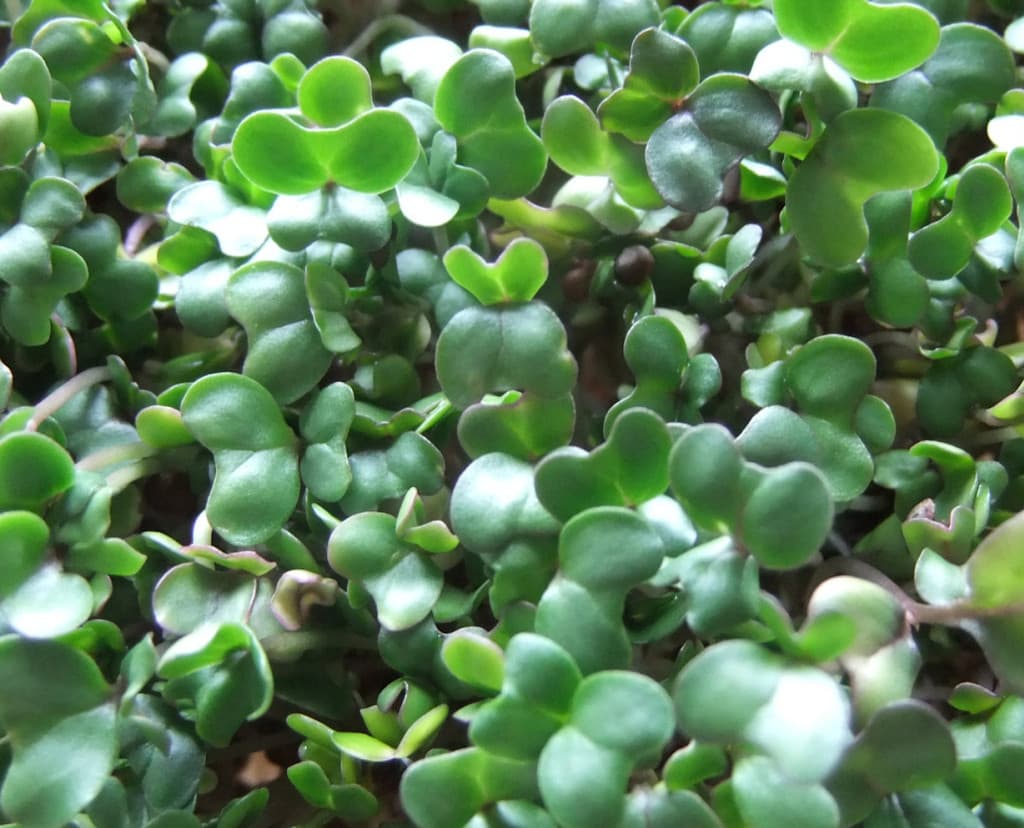
Broccoli, a common cabbage of the Brassicaceae family (also known as the Cruciferae family), is the subject of a great deal of scientific research, especially in the form of sprouted seeds. Quite simply, it has a very good nutritional profile, in particular because of its very high content of glucoraphanin, the precursor of sulforaphane, which we will discuss below.
It is found above all in sprouts eaten raw, because the enzyme myrosinase, which is responsible for forming sulforaphane from glucoraphanin, is destroyed by heat (as are all enzymes, for that matter). If you prefer your broccoli cooked, a cooking tip however is to sprinkle it with freshly ground mustard seeds to reintroduce myrosinase after cooking.
The seeds we offer through our supplier have been tested for their germination capacity.
Here are a few studies that we are happy to share with you so that you can get an idea of what research has looked at on this subject, as part of a varied and balanced diet.
What is the nutritional value of broccoli sprouts?
According to the International Sprout Growers Association, an 85-gram serving of broccoli sprouts ( 2 ):
- Calories: 35
- Carbohydrates: 5 grams
- Fibre: 4 grams
- Protein: 2 grams
- Fat: 0.5 grams
- Vitamin C: 60% of the daily value (DV)
- Vitamin A: 10% of the DV
- Calcium: 6% of the DV
A single serving of these sprouts provides large amounts of vitamin C , which contributes to the normal function of the immune system and to the protection of cells from oxidative stress.
In addition, they contain a first-rate phytonutrient called sulforaphane, which has been widely studied by researchers ( Source 1 , Source 2 ).
Furthermore, studies show that sulforaphane has a bioavailability of 82%, which is considered high ( Source 3 , Source 4 ).
Compared with the broccoli vegetable, broccoli sprouts contain about 100 times more glucoraphanin, the precursor of sulforaphane ( Source 5 , Source 6 ). In practice, it really is sprouted broccoli seeds that concentrate this wealth of glucoraphanin.
What are the benefits of broccoli sprouts?
Sulforaphane studied on cancer cells
Various studies, mainly in the laboratory (in vitro) and in animals, have observed that sulforaphane could ( Source 7 , Source 8 , Source 9 ):
- promote apoptosis, or programmed cell death, of cancer cells
- inhibit angiogenesis, the growth of new blood vessels that feed malignant cells
- reduce inflammatory processes
- lower sensitivity to carcinogenic substances
- reduce the invasion and spread of cancer cells
Researchers have observed that sulforaphane stimulates certain liver enzymes, known as phase 2 enzymes, which transform compounds foreign to the body. These enzymes are studied for their role in neutralising potentially carcinogenic compounds from food and the environment ( Source 10 ).
Research also suggests that this plant chemical could play a role in epigenetic modulation, meaning it could influence the activity of certain genes involved in the development of cancers ( Source 11 , Source 12 , Source 13 , Source 14 ).
Other studies, carried out mostly in the laboratory and in animals, have also looked at the sulforaphane contained in the sprouted seeds of young broccoli shoots, in connection with breast, prostate, colon, liver and lung cancers ( Source 15 , Source 16 ) .
Share this article
Organic Broccoli Seeds
€121.80 Last items in stock
Sulforaphane and the brain: what research is exploring
The sulforaphane contained in broccoli sprouts has been studied in connection with certain brain disorders, including stroke, Alzheimer's disease and Parkinson's disease, as well as certain symptoms of autism spectrum disorders ( Source 17 ).
In animal models of stroke, sulforaphane has been associated with less brain cell death and reduced loss of brain tissue ( Source 18 ).
Regarding Alzheimer's disease, laboratory and animal studies have observed a protective effect of sulforaphane on brain cells exposed to the beta-amyloid protein. The build-up of beta-amyloid in the brain is linked to the onset of the disease ( Source 19 ).
In addition, studies, mainly in animals, have observed effects of sulforaphane on the protection of brain cells and on certain disorders such as memory loss ( Source 20 , Source 21 ).
Parkinson's disease is caused by damage to or the death of the brain cells that produce dopamine, a chemical messenger that affects your mood, concentration and memory. Laboratory studies have observed that sulforaphane protected these cells from oxidative stress caused by free radicals ( Source 22 , Source 23 ).
Finally, sulforaphane has been studied in relation to the behavioural characteristics of autism spectrum disorders, which may also be linked to oxidative damage.
For example, in a small 18-week study of 29 adults with autism spectrum disorders, those who received sulforaphane derived from broccoli sprouts showed significant improvements in social interaction, repetitive behaviours and verbal communication skills compared with a control group (Source 24).
Other areas studied on broccoli sprouts
Finally, here are a few other areas explored in the scientific literature:
- Cardiovascular health. Studies have looked at the effect of the sprouts on certain cardiovascular markers, such as triglycerides and LDL cholesterol. They also contain coenzyme Q10, a compound studied for its link with blood pressure (Source 29, Source 30).
- Blood sugar. Test-tube and animal studies have observed that broccoli sprout extract could improve insulin sensitivity (Source 31, Source 32).
- Joints. Laboratory studies have observed that the sulforaphane contained in broccoli sprouts reduced certain inflammatory markers linked to arthritis, a disease that can cause painful inflammation of the joints (Source 33, Source 34).
Broccoli sprouts and gut health
Because of its antioxidant and antibacterial properties observed in the laboratory, the sulforaphane in young broccoli shoots is also studied in connection with gut health (source 25) .
Researchers have suggested a link between chronic oxidative stress and constipation. The antioxidant effects of sulforaphane on intestinal cells are therefore being studied, particularly in relation to transit (Source 26).
In addition, studies have observed that the antibacterial effect of sulforaphane could influence the composition of the gut microbiota, in connection with stool consistency (Source 27).
Furthermore, laboratory studies have observed an antibacterial effect of sulforaphane against Helicobacter pylori, a bacterium that can cause digestive tract infections, gastritis and stomach ulcers.
A 16-week study of 50 people with gastritis caused by H. pylori observed that eating 70 grams of 3-day-old broccoli sprouts daily was associated with a drop in markers of H. pylori infection and gastric inflammation ( Source 28 ) .
Other research has studied sulforaphane in combination with conventional drug treatments against antibiotic-resistant strains ( Source 28 ).
Precautions with broccoli sprouts
As with any sprouting of seeds, it is important to wash your broccoli sprouts thoroughly before eating them.
For people undergoing medical treatment for water retention, high blood pressure or arthritis, it is important to bear in mind that sulforaphane may interact with certain medications and limit their effectiveness. These medications include furosemide, verapamil and ketoprofen ( Source 35 , Source 36 ).
How to eat sprouted broccoli?
Eating broccoli sprouts is an interesting way to enjoy all the nutrients found in this plant. They can be eaten in many ways; here are a few ideas:
In a salad: You can add broccoli sprouts to a vegetable salad for a crunchy texture and a slightly peppery flavour.
In a smoothie: Add a handful of broccoli sprouts to your smoothie for an extra dose of nutrients.
In an omelette: To add flavour and texture to your omelette.
As a garnish: Broccoli sprouts can be used as a garnish for soups or main dishes.
In a sandwich: Add broccoli sprouts to your sandwich for extra texture and flavour.
What foods go well with broccoli seeds?
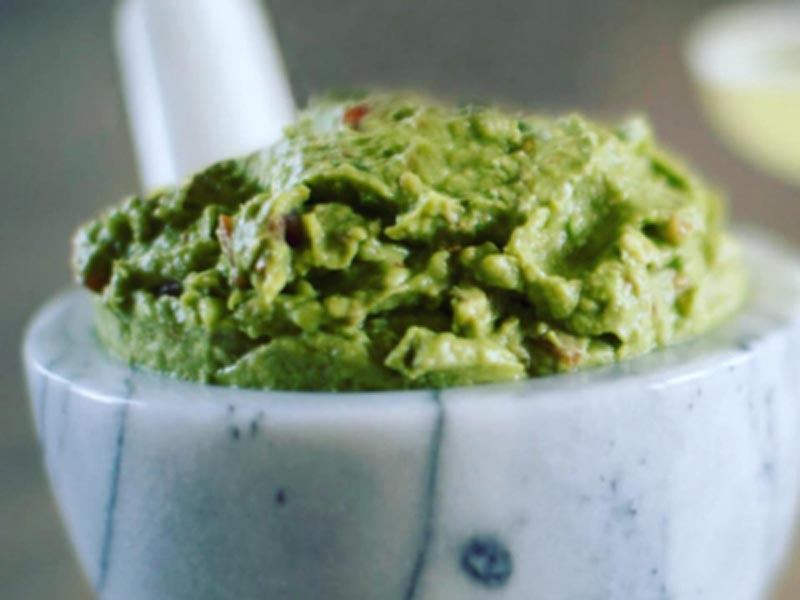
Broccoli seeds are very nutritious and versatile, and can be combined with a wide variety of foods. They can be quite bitter, so it is important to balance their taste and flavour by combining them with other ingredients such as: salads, smoothies, fruit and vegetables, main dishes as a garnish, your snacks by toasting them and mixing them with other nuts or seeds for an energising snack, and finally they can be turned into a healthy, nutritious sauce or dip.
The full range Sprouted seeds
46 products
Discover the full range
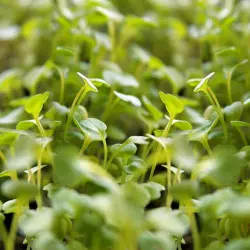
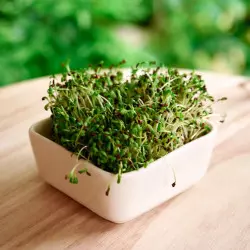
How to make broccoli sprouts?
Here are the steps for making broccoli sprouts:
Rinsing: Start by carefully rinsing the broccoli seeds under running water to remove any impurities and dirt.
Soaking: Place the broccoli seeds in a glass jar or a sprouter and cover them with water. Leave them to soak for about 4 to 6 hours.
Rinsing and draining: After soaking, drain the water and rinse the broccoli seeds in clean water. Drain well.
Sprouting: Place the broccoli seeds in a sprouter or a tilted glass jar so that the water can drain off. Rinse them twice a day for about 4 to 6 days. Keep the sprouter in a cool, dark place. For easier growing, you can use our automatic Easygreen sprouter, available from BIOVIE to buy or to rent.
Harvesting: After 4 to 6 days of sprouting, the broccoli seeds should have germinated and produced green shoots. Rinse them one last time and store them in an airtight container in the fridge until you are ready to eat them. It is important to note that sprouts should be eaten quickly to prevent bacteria and mould from growing.