Vegan Pesto Recipe with Sesame and Basil: Cheese-Free, Full of Vitality
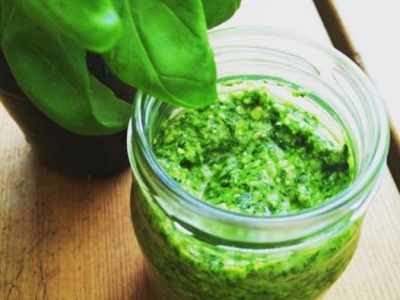
Traditional pesto contains parmesan - but what if you could achieve the same creaminess without any dairy? This vegan pesto recipe with sesame oil and tahini is the answer: an intensely green sauce, full of nutrients, ready in less than 5 minutes, perfect for pesto pasta, wraps, toast, or salads. No cooking, no cheese, no compromise on taste.
Why is this pesto different from traditional pesto?
Cheese-free pesto often loses creaminess. Here, the duo of sesame oil + tahini (sesame paste) perfectly replaces parmesan: it brings creaminess, umami, and a very characteristic roasted note. And since it is prepared entirely raw, all the enzymes and vitamins of fresh basil are preserved. A fundamental principle of living food that we have been practicing at Biovie for nearly twenty years.
The difference with other vegan pestos? Most use nutritional yeast as a cheese substitute. Our version focuses on sesame - an ingredient that, frankly, none of the major French vegan cooking blogs have yet explored in pesto. Sometimes the best ideas are where no one is looking.
For about 6 servings (200 g of pesto) you will need:
40 g of fresh basil - choose shiny, spotless leaves; fresh basil is exceptionally rich in vitamin K and β-carotene (provitamin A), according to USDA data
30 g of pecans - milder than pine nuts, with an excellent oleic acid profile; can be replaced with regular walnuts or raw almonds
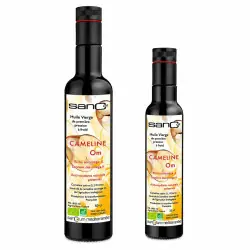
2 tablespoons of virgin sesame oil - cold-pressed, rich in sesamol and sesamolin (antioxidant lignans) according to Ciqual ANSES analysis
1 tablespoon of tahini (sesame paste) - the secret to creaminess without dairy products
1 clove of garlic
2 teaspoons of extra virgin olive oil
½ teaspoon of organic lemon juice
1 teaspoon of marine plasma (or ¼ tsp of unrefined sea salt)
⚠️ Allergens: this recipe contains sesame and tree nuts (pecans), mandatory allergens according to EU Regulation 1169/2011. People allergic to these ingredients should adapt the recipe or avoid it.
Step-by-Step Preparation - 5-Minute Pesto Recipe
Prepare the ingredients: wash and thoroughly dry the basil leaves. Peel the garlic.
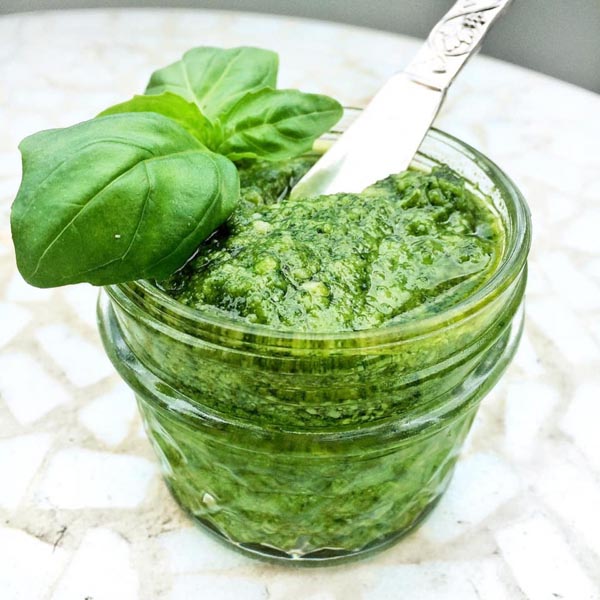
Blend everything together: place the basil, pecans, sesame oil, tahini, garlic, olive oil, lemon juice, and marine plasma in the bowl of an immersion blender or food processor.
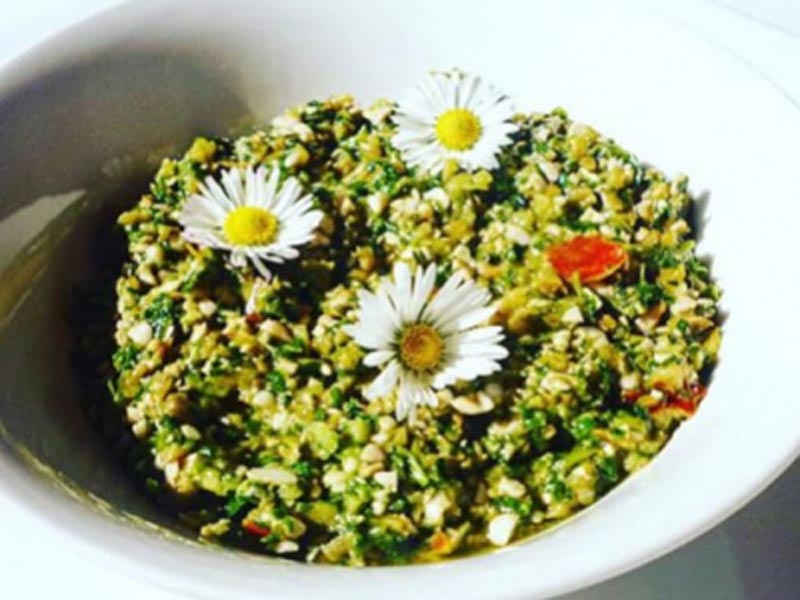
Blend: mix at medium speed until you obtain a slightly grainy cream. Do not blend for too long - an artisanal pesto has texture, it is not a smooth puree.
Adjust: if it's too thick, add a few drops of cold water or a bit more lemon juice. Taste and adjust the salt with a bit more marine plasma.
Basil (Ocimum basilicum) is much more than just an herb. According to the nutritional data from USDA FoodData Central, 100 g of fresh basil contains:
Vitamin K: 177 µg - which is 222% of the daily reference intake; contributes to the maintenance of normal blood clotting and bone structure, as part of a varied and balanced diet
Calcium: 18 mg per 100 g - an interesting contribution for a simple aromatic herb
Its essential oil, rich in eugenol, is responsible for the digestive and soothing properties attributed to it by popular medicine since antiquity. By consuming it raw (without cooking), these bioactive compounds are fully preserved. This is another argument for fans of raw food. To learn more, you can explore our article on alkalizing foods that we usually work with at Biovie.
Marine Plasma in Cooking: More Than Just Salt
In this recipe, ordinary salt is replaced with ultra-filtered marine plasma. The difference is not just in taste: where table salt only provides sodium chloride, marine plasma contains the full spectrum of over 78 trace elements and marine minerals in proportions close to those of human blood plasma.
A teaspoon in the pesto is enough to season without overwhelming, while providing a gentle mineralization that enhances the nutritional value of the dish. The taste is rounder and less aggressive than refined salt. A small detail that truly changes the experience.
What is marine plasma ?
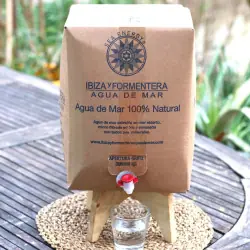
So-called hypertonic marine plasma is simply seawater harvested and filtered under very specific conditions.
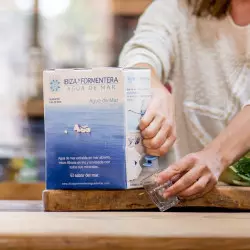
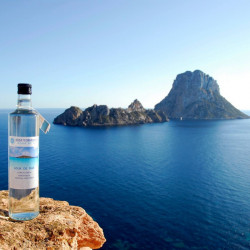
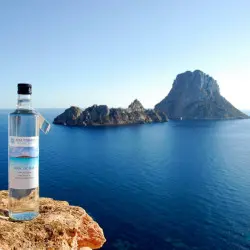
Our supplier Ibiza Agua de Mar collects sea water from a depth of 25 meters off the coast of Ibiza in a UNESCO listed area.
Concerning the harvest, here are the different physico-chemical parameters measured during the search for an optimal place for the harvest of hypertonic marine plasma, first on the radar with reading of the currents and according to the marine weather (wind, swell, rain. ..) and then by local measurement of these different parameters: taste of seawater, dissolved O2 level, PH level, redox level (ORP), salinity level (TDS), conductivity level ( PSU), alkalimetric title (TA), Pressure. It is the empirical practice of the harvesters and the reading of the various measuring instruments that makes it possible to decide on the best complex combination of these measures together to decide whether the harvest is triggered on the site or whether another location is sought.
Where does marine plasma come from ?
The marine plasma is collected in the high seas, off the coast of Ibiza, in a specific area classified as UNESCO with high planktonic activity and with a presence of tens of square kilometers of Posidonia. It is indeed in this specific area that lives the largest living organism listed on Earth, a posidonia herbarium of 80,000 to 200,000 years extending over 15 kilometers in length.
Source: Sophie Arnaud-Haond, Carlos M. Duarte, Elena Diaz-Almela, Núria Marbà, Tomas Sintes, Ester A. Serrão: Implications of Extreme Life Span in Clonal Organisms: Millenary Clones in Meadows of the Threatened Seagrass Posidonia oceanica
When is it best to take marine plasma ?
The ideal is to consume marine plasma, which contains, let's remember, all the elements that make up Mendeleev's periodic table, in the morning when you get up, on an empty stomach. take 1/4 of hypertonic marine plasma to mix 3/4 of spring water or filtered water.
What are the benefits of marine plasma ?
Minerals are the "fuel" used primarily by our body, which is necessary for our cells to perform their functions optimally. They are also essential for the absorption of vitamins and are responsible for enzymatic processes in cells. Cells perform all their functions with maximum vitality and the precise capacity for organic, bioavailable, alkaline cellular nutrition. Thus, sea water becomes the best mineral drink since it contains all the elements of Mendeleev's periodic table.
Another of the great benefits of seawater is its pH. As Otto Warbürg, father of cellular respiration and two-time Nobel laureate, said, “all diseases are acidic and where there is oxygen and alkalinity there can be no disease”. Due to the quality of our raw material, the hyper-oxygenated waters of Posidonia meadows (recognized by UNESCO as a World Heritage Site in 1999) and sea currents providing purity and clarity: Ibiza and Formentera Agua de Mar have an alkaline pH , between 8.1 and 8.4, which will help the body maintain a neutral pH through homeostasis. The ingestion of sea water is advised to control and maintain our PH, as well as an exceptional supplement for alkaline diets.
The antioxidant and anti-acidity power produced by seawater is due to the alkalinity provided by the minerals.
Drinking filtered seawater in a direct and controlled way is very beneficial for your health, because seawater is an excellent nutrient, containing most of the minerals of the periodic table and all of them dissolved in the best universal solvent available: l 'water.
Seawater contains all the minerals of the periodic table of elements in a bioavailable way. It is thanks to this that foods cooked in seawater are rehydrated and remineralized to make foods with high nutritional power. The problem today is that our intake of minerals through food has dropped dramatically and what is causing this? The answer is very simple: pollution, soil depletion due to intensive agricultural production and our stressful pace of life have considerably reduced the quality of food and its mineral intake, drastically reducing the minimum contribution necessary for the proper functioning of the body.
Seawater also helps us stay young, for a simple reason: the body regularly and cyclically regenerates all its cells, because their lifespan is limited in time. As we age, one of the first faculties the cell loses is the ability to hydrate. We know that the older we get, the less we drink, so drinking and ingesting seawater can help us "wake up" this ability to hydrate ourselves., 4
products
Transfer the pesto into an airtight glass jar and add a thin layer of olive oil on the surface: it acts as an antioxidant barrier and prevents the pesto from losing its intense green color. Stored this way in the refrigerator, it stays in perfect condition for between 5 and 7 days.
To keep it longer, freeze it in an ice cube tray: you'll get individual portions ready to use. Add a few drops of lemon juice before freezing to preserve the color.
Uses and Variations: Beyond Just Pasta
This vegan sesame pesto works much better than you might imagine beyond a plate of pasta. At home, we use it in many ways:
In vegetable wraps with sprouted seeds, tomatoes, and spinach
Thinned with a bit of hot water for a creamy basil soup base
Variations: try replacing half of the basil with arugula, carrot tops, or seasonal wild plants. For a marine touch, add 1 tablespoon of finely chopped nori seaweed flakes: they bring umami and minerals from the sea. A truly surprising combination.
Frequently Asked Questions About Vegan Sesame Pesto
What makes this pesto vegan?
Traditional pesto contains parmesan or pecorino cheese. In this recipe, tahini (sesame paste) and sesame oil provide the same creaminess and depth of flavor without any animal-derived ingredients. The result is a 100% plant-based pesto, suitable for vegans and lactose-intolerant individuals.
Does traditional pesto contain cheese?
Yes. Classic Genoese pesto (PDO) includes parmesan reggiano and/or pecorino romano. That's why standard industrial pesto is not vegan. In this recipe, cheese is replaced with tahini to achieve the same creaminess in a completely plant-based way.
Can I replace pecans with other nuts?
Yes. Pecans can be replaced with regular walnuts, raw almonds, cashews, or pine nuts (closer to classic pesto). If you have a nut allergy, you can use sunflower or pumpkin seeds soaked for 4 hours beforehand.
How long does vegan pesto last in the refrigerator?
Stored in an airtight glass jar with a thin layer of olive oil on the surface, homemade vegan pesto stays in good condition for between 5 and 7 days in the refrigerator. You can also freeze it in individual portions (ice cube tray) for up to 3 months.
Is marine plasma essential in this recipe?
It is not essential, but we highly recommend it. Marine plasma provides a rounder flavor than refined salt and enriches the recipe with more than 78 bioavailable marine trace elements and minerals. If you don't have it, replace it with ¼ teaspoon of unrefined sea salt.
Disclaimer: The information presented in this article is provided for informational purposes only and does not constitute medical advice. Consult a qualified healthcare professional before making any changes to your diet or supplementation. As part of a varied and balanced diet and a healthy lifestyle.