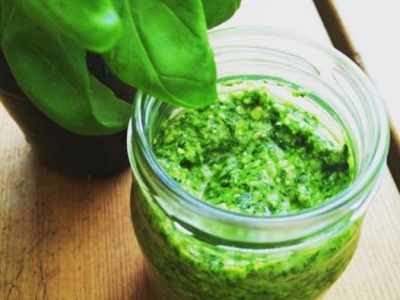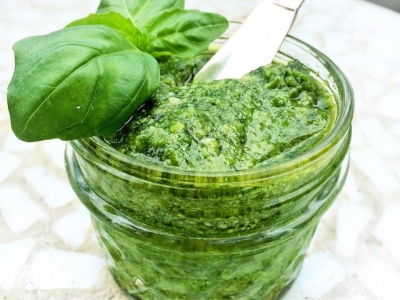



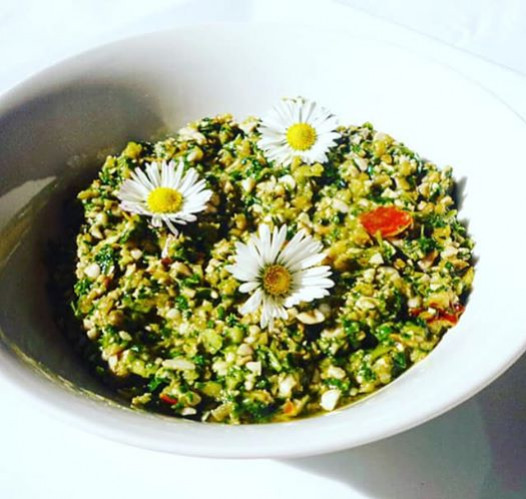
Each spring, from March to May, the undergrowth is covered with vegetation of an intense green and an inimitable scent: wild garlic. This wild plant is the star ingredient of a wild garlic pesto raw, vegan, without pine nuts, ready in five minutes flat. A wild and springtime variation of the Genovese pesto Classic Italian, the Biovie recipe uses sunflower seeds instead of pine nuts - a more economical, local, and equally tasty choice. The result: a vibrant, 100% raw spring spread, rich in allicin and vitamin C, which you can store in the refrigerator or freeze in portions. Here is everything you need to know to pick, identify, prepare, and use this wild pesto daily.
Wild garlic: the spring wild plant to pick now
Where and when to find wild garlic ?
Bear's garlic (also known as wild garlic or ramsons)Allium ursinumIt grows in dense colonies in humid and shaded undergrowth, near streams and in valley bottoms. Its season is short and intense: from March to May, before the forest cover closes the canopy and deprives the plants of light. It is now - in April - that the leaves are at their best in terms of flavor, before the opening of the white flowers which marks the beginning of the decline.
Responsible harvesting : only pick the leaves you need, without uprooting the bulbs. Wild garlic takes several years to recolonize an area. Limit your harvest to a handful per clump and never pick in protected areas or within 50 meters of heavily trafficked trails.
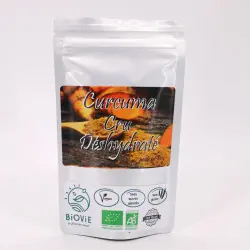
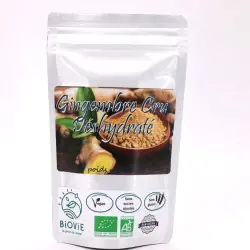
If you do not have access to an undergrowth, low-temperature dried wild garlic is available in organic stores and on biovie.fr. This dried version retains a large portion of the active sulfur compounds and remains usable throughout the year to prepare a wild pesto out of season.
To learn more about the principles of raw food and the nutritional value of unheated foods, check out our article. What is raw food ?
How to recognize wild garlic and avoid deadly confusion ?
⚠️ Warning - life-threatening risk in case of confusion. Wild garlic can be confused with lily of the valley, arum, or, especially, the autumn crocus (Colchicum autumnale), an extremely toxic plant. TheANSES recorded 28 cases of severe poisoning in France between 2020 and 2022, including 2 fatal cases. Half of the poisoned individuals had prepared a pesto with colchicum leaves mistakenly collected.
The identification rule is simple and foolproof:
- Crush a leaf between your fingers.
- If she exudes a a strong smell of garlic : it's wild garlic ✅
- If the smell is vegetal, neutral, or indescribable: do not consume - it could be the autumn crocus ❌
Other visual criteria: wild garlic leaves are oval-lanceolate, shiny on the upper side, matte underneath, with a well-defined central vein. The flowers are star-shaped with 6 white petals. Never pick without certain identification, especially if you are a beginner. When in doubt, buy organic wild garlic from a store or online.
The ingredients of Biovie wild garlic pesto
Fresh or low-temperature dried wild garlic
For an optimal raw pesto, use fresh wild garlic picked (or bought) between March and May. Count about 80 to 100 g of fresh leaves for a 200 ml jar. If you use wild garlic dried at low temperature, reduce the amount to 15–20 g and slightly rehydrate in a bit of lemon water before blending. Low-temperature drying (below 42 °C) preserves the enzymes and the majority of aromatic volatile compounds.
Sunflower seeds: the vegan alternative to pine nuts
This is the major differentiating choice of the Biovie recipe: the sunflower seeds completely replace pine nuts. Why this choice ?
- Economy : pine nuts cost 5 to 10 times more than sunflower seeds.
- Nutritional profile : Sunflower seeds are exceptionally rich in vitamin E (tocopherol, antioxidant), zinc, and magnesium. According to the data Ciqual ANSES, 30 g of sunflower seeds provide about 10 mg of vitamin E, which is the majority of the recommended daily intake.
- Creamy texture : sunflower seeds provide a smooth texture very similar to pine nuts, or even smoother.
- Nut-free : ideal for people sensitive to nuts, almonds, or hazelnuts.
Use raw sunflower seeds, preferably sprouted organic sunflower seeds - germination further enhances their digestibility and nutritional profile. To learn more about the Benefits of sprouted seeds, consult our complete guide. Count 50 to 60 g for a 200 ml jar.
To discover more recipes using sunflower seeds, check out our article. homemade sunflower hummus.
Éric Viard also discusses the use of sunflower seeds in the form of raw spreadable in this episode of the Biovie series:
The rest of the topping
The complete list of ingredients for approximately 200 ml of pesto:
- 80–100 g of fresh wild garlic leaves (stems removed)
- 50–60 g of raw sunflower seeds (ideally sprouted)
- 6 cl of organic extra virgin olive oil (and an additional drizzle for preservation)
- The juice of half a lemon (about 2 cl)
- ½ teaspoon of sea salt
- Freshly ground black pepper (optional)
Almond variant : If you prefer a milder flavor and a richer texture, you can replace the sunflower seeds with 50 g of raw almonds soaked overnight. The result is a smooth, slightly sweet wild garlic pesto, perfect as a spread.
Variant with diverse wild plants The original Biovie recipe also includes young nettle leaves (with the sting removed), dandelion, and plantain. These wild spring plants provide a complex vegetal bitterness and additional mineral richness. Replace up to 30% of the wild garlic with this plant mixture.
For a lighter and different version, also discover our classic fresh basil pesto.
Step-by-step recipe - wild garlic pesto in 5 minutes (no cooking)
Step 1 - Prepare the wild garlic
Rinse the wild garlic leaves thoroughly under cold water, in several baths if necessary (as they grow close to the ground). Drain, then dry carefully with a clean cloth or a salad spinner. Systematically remove the stems : they are more fibrous and more bitter than the leaves, and can make the pesto unpleasantly acidic. Only keep the blades (the flat leaves).
Step 2 - Mixing
Pour the ingredients in the following order into a blender or food processor:
- Olive oil and lemon juice first (to facilitate the start of the blender)
- Wild garlic leaves
- Sunflower seeds
- Salt (and pepper if desired)
Mix by short impulses (3 to 4 seconds) to maintain a rustic texture with chunks, or continuously for 30 seconds for a smooth pesto. Scrape the sides between each pulse. Taste and adjust the seasoning: add lemon if too mild, salt if bland, a splash of water if too thick.
Biovie Advice: never run the blender for more than 30 seconds at a time - friction can increase the temperature and denature the enzymes. The goal is a living pesto, raw at heart.
Step 3 - Potting and Finishing
Immediately pour the pesto into a sterilized glass jar. Smooth the surface with a spoon. Cover with a drizzle of olive oil (2 to 3 mm) to create an anti-oxidation barrier: this oil film prevents contact with air and maintains the beautiful green color. Seal tightly. The pesto is ready to enjoy immediately.
How to use wild garlic pesto in everyday life ?
On raw pasta (zucchini spaghetti)
The ultimate use of wild garlic pesto in raw food: raw zucchini noodles, also known as zoodles. Spiralize 2 zucchinis, add 2 to 3 tablespoons of wild garlic pesto, and mix gently. Sprinkle with a few sunflower seeds and a fresh wild garlic leaf. A complete meal in less than 10 minutes, 100% raw, 100% vegan.
Find the complete recipe in our article. zucchini spaghetti with basil cream - replace the basil cream with wild garlic pesto for a spring variation.
As a spread on raw bread or crackers
Spread generously on sprouted seed crackers, Essene bread slices, or raw zucchini rounds. It's a fresh, vibrant, and flavorful appetizer. Add a few cherry tomato slices for color and a drizzle of lemon. For another creamy sunflower-based spread, check out our recipe for a delicious pesto recipe for your pasta.
In vinaigrette or marinade for vegetables
Mix 1 tablespoon of pesto with 3 tablespoons of olive oil and 1 tablespoon of cider vinegar. You will get an intensely green dressing, flavored with wild garlic, perfect for a spring salad (lamb's lettuce, arugula, radishes) or as a marinade for mushrooms.
As a dip for crudités and cold soup
Use pesto as a dipping sauce for raw vegetable sticks (carrot, celery, cucumber, zucchini). Or incorporate 1 tablespoon into a zucchini gazpacho or a raw soup to give it aromatic depth. Wild garlic pairs perfectly with the mild and fresh flavors of summer vegetables.
In a raw bowl or spring Buddha bowl
Compose a spring bowl: a base of arugula and baby greens, zucchini noodles, sliced radishes, sprouted sunflower seeds, sliced avocado, and 2 generous tablespoons of wild garlic pesto. Drizzle with a squeeze of lemon. This spring condiment transforms a simple bowl of raw vegetables into a complete meal. If you wish starting with raw food diet, this type of bowl is the ideal starting point.
To go further on the Benefits of raw foods, see our dedicated article.
Preservation of homemade wild garlic pesto
Conservation is simple, provided that two fundamental rules are followed:
- In the refrigerator : always cover the surface with a film of olive oil. Consume within the 5 to 7 days. The green color may darken slightly over the days - this is normal (oxidation of chlorophyll); the flavor remains intact.
- In the freezer : wild garlic pesto freezes very well, up to 3 months. The ideal method: pour into silicone ice cube trays, freeze for 24 hours, then transfer the cubes into an airtight freezer bag. Take out one cube at a time as needed.
⚠️ Never heat the pesto. : heat destroys allicin (the main active compound in wild garlic) as well as vitamin C. If you incorporate it into a hot dish, add it off the heat, at the last moment. Similarly, Avoid long-term storage in oil at room temperature without acidification - risk of development of Clostridium botulinum. Prefer short-term refrigeration or freezing.
The benefits of wild garlic
Antimicrobial and cardiovascular properties
Wild garlic is one of the most studied medicinal plants in the Allium family. Consumed Raw, he delivers all his Allicin - the organosulfur compound formed during the cutting or grinding of the leaves. The data from the scientific literature, including research referenced on PubMed (Allium ursinum), show that allicin helps support cardiovascular health and has antimicrobial properties. A review published in 2025 on PubMed confirms the anti-inflammatory properties of wild garlic, particularly through the inhibition of TNF-α and interleukins. These effects have been known to traditional users for centuries - wild garlic was also used as a vermifuge and blood purifier in European folk medicine.
A study published in PMC (2021) also highlighted the cardioprotective effects of wild garlic extract in an experimental model of myocardial ischemia-reperfusion, confirming the potential of this plant for vascular health.
As part of a varied and balanced diet, wild garlic helps to enrich the diet with active compounds of plant origin. This information is intended for regular consumption within a diverse diet, and not as a medical treatment.
Rich in vitamin C, allicin, and minerals
According to the available data on Ciqual ANSES, fresh wild garlic is a notable source of:
- Vitamin C : contributes to the protection of cells against oxidative stress and to the normal functioning of the immune system.
- Sulfur compounds (allicin, allyl cysteine sulfoxide): responsible for the aroma and many studied biological properties. According to a Study published in Antioxidants (2024), The wild garlic flowers contain between 622 and 1,442 μg/g of dry matter of allicin, while the leaves are richer in carotenoids.
- Flavonoids and polyphenols : natural plant antioxidants.
- Minerals : potassium, calcium, phosphorus, iron.
Raw consumption - as in this pesto - is essential for preserving vitamin C (thermolabile) and allicin (degraded by cooking). This is the whole point of a living, unheated pesto.
Note: Pregnant or breastfeeding women should consume wild garlic in moderation as a precaution (due to its high allicin content). People on anticoagulants should also consult their doctor, as wild garlic has an antiplatelet effect. Individuals allergic to garlic or onions may experience a cross-reaction.
Frequently Asked Questions
How to recognize wild garlic and avoid confusion with autumn crocus ?
The infallible rule: crush a leaf between your fingers. If it emits a characteristic garlic smell, it's wild garlic. If the smell is vegetal and neutral, do not consume it - it could be autumn crocus, a toxic plant. ANSES recorded 28 serious poisonings in France between 2020 and 2022, including 2 fatal cases, all due to this confusion. Never pick without certain identification.
Can you make wild garlic pesto without pine nuts ?
Yes, and that is even the approach taken by the Biovie recipe. Sunflower seeds are a great substitute for pine nuts: they are less expensive, more accessible, rich in vitamin E and zinc, and provide a very similar creamy texture. For a 100% vegan pesto free from nut allergens, sunflower seeds are the best substitute. Other alternatives exist, such as soaked almonds or cashews.
How to store homemade wild garlic pesto ?
Pour the pesto into a sterilized glass jar and cover with a drizzle of olive oil to prevent oxidation. Store in the refrigerator and consume within 5 to 7 days. For longer storage, pour the pesto into ice cube trays and freeze: you will get individual portions that can be used directly, for up to 3 months.
Can wild garlic pesto be frozen ?
Yes, wild garlic pesto freezes very well, for up to 3 months. The ideal method: pour it into silicone ice cube trays, freeze for 24 hours, then transfer the cubes into a freezer bag. Take out one cube at a time as needed, without defrosting everything.
Why is my wild garlic pesto bitter ?
Bitterness generally comes from leaves that are too mature (end of season, after flowering) or from stems that have not been removed, which are naturally more bitter than the leaves. Choose young leaves harvested between March and early May, systematically remove the stems, and pick before the flowers open for a milder taste.
Is wild garlic good for health ?
When consumed raw, wild garlic retains all its allicin, its main active compound studied for its antimicrobial properties and positive effects on cardiovascular health. It is also rich in vitamin C and minerals. As part of a varied and balanced diet, it helps support the immune system and vascular health, according to available data on plants from the Allium family.
Why shouldn't wild garlic pesto be heated ?
Heat destroys allicin, the main active compound in wild garlic, as well as vitamin C, which is thermolabile. Additionally, fresh herbs turn black and lose their flavor when cooked. If you add pesto to a hot dish, incorporate it off the heat, at the last moment, to preserve its benefits and vibrant green color.
Can wild garlic stems be used in pesto ?
It is not recommended to use the stems in pesto. They are more fibrous and more bitter than the leaves, and can make the pesto unpleasantly acidic. Keep only the blades, meaning the flat leaves, to achieve a smooth and flavorful pesto. However, the stems can be used in broth or lacto-fermentation.
In practice: the opinion of Eric Viard, ISTOM
"Wild garlic pesto has been one of my favorite spring recipes for decades. Every year, between March and May, I pick wild garlic in the Breton undergrowth and transform it into raw pesto in less than five minutes. Using sunflower seeds instead of pine nuts is an idea born from the Biovie philosophy: living, accessible, nutritious ingredients. This pesto is raw, vegan, uncooked - all the enzymes and vitamin C are preserved." - Eric Viard, founder of Biovie.
Update: April 2026. Article approved by Éric Viard, founder of Biovie and engineer ISTOM, co-author of " Seaweed in everyday life "(Gallimard, 2024) -" Best cookbook in the world, Gourmand Cookbook Awards 2025, and Best cookbook in France, National Academy of Cuisine 2025.
Warning: The information presented in this article is provided for informational purposes only and does not constitute medical advice. Consult a qualified healthcare professional before making any significant changes to your diet or supplementation. As part of a varied and balanced diet and a healthy lifestyle.
Find all our organic ingredients for raw food on https://www.biovie.fr/en/