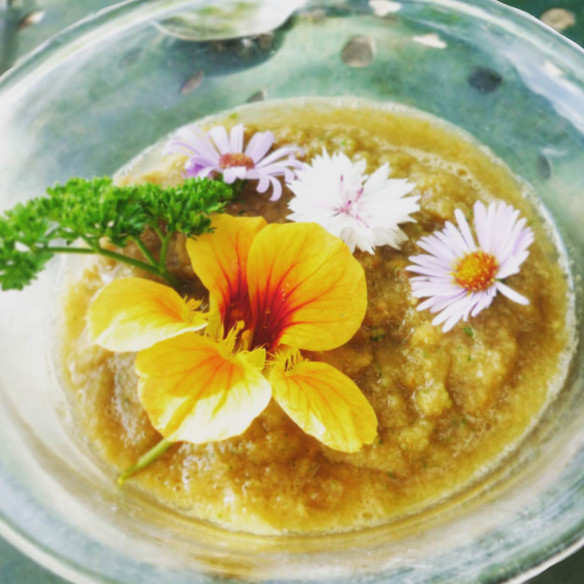
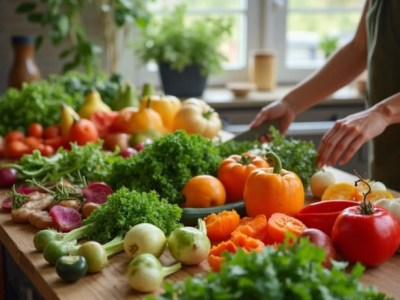
The gazpacho is one of the great classics of raw and summer cuisine. Fresh, hydrating, light, it naturally supports the body during periods of heat, digestive fatigue, or inflammatory overload. In this original version, nasturtium enhances the recipe both in terms of taste and therapeutic benefits.
Often relegated to the status of a mere decorative flower, the nasturtium is actually a medicinal plant in its own right. Used for centuries to support immunity, the breathing and the vitality of the skin, it finds a noble place here in a vibrant, remineralizing, and deeply revitalizing recipe.
Why include nasturtium in your diet ?
Nasturtium (Tropaeolum majus) is an edible plant rich in natural sulfur compounds, similar to those found in garlic or black radish. These substances give it properties:
antibacterial and antiviral
respiratory fluidifiers
purifying and detoxifying
protective of the skin and mucous membranes
It is also interesting for supporting organizations. tired, exposed to pollution, recurrent winter infections, or chronic skin disorders.
Its peppery, slightly spicy taste is reminiscent of that of the watercress or the rocket, making it an ideal plant to enhance a raw recipe while boosting its therapeutic properties.
The benefits of a raw gazpacho in summer
Gazpacho is one of the flagship recipes of theliving food because it combines several valuable effects:
Deep hydration thanks to its richness in structured water
Gentle remineralization without burdening digestion
It is particularly recommended during periods of heat, detox, chronic fatigue, digestive troubles, or during a dietary transition towards more plant-based foods.
Ingredients for 4 people
12 nasturtium flowers
A dozen nasturtium leaves
2 small fennel bulbs
1 green bell pepper
4 ripe tomatoes
1 red onion
1 apple
1 tablespoon of unpasteurized apple cider vinegar
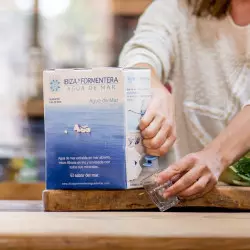
1 tablespoon of marine plasma (or filtered seawater)
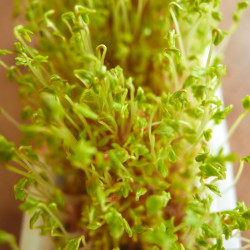
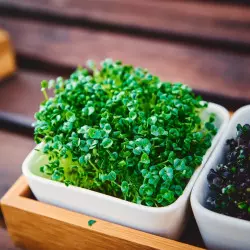
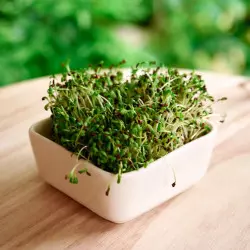
Biovie offers 24 varieties of organic sprouting seeds, produced since 1896 by our Italian supplier Geo Bavicchi, and every batch is tested before it goes on sale (germination rate above 95% required). Radish, fenugreek, sunflower and alfalfa sprout the fastest and most easily for beginners, in 3 to 5 days on a windowsill. To discover several varieties without making a mistake, the packs (The 3 Radishes, The Essentials, The Pep's Seeds...) are a good starting point, before choosing your varieties individually. The range also covers microgreen seeds to grow on a substrate, and sprouters to get started without unnecessary equipment., 46
products
Add a hint of fresh ginger to boost the immunity effect.
For an "ultra-detox" version, add a few dandelion or young nettle leaves.
When to consume this gazpacho ?
As a starter for a light meal
A light summer dinner
On a gentle detox regimen
During times of respiratory distress
In cases of skin fatigue or dull complexion
A recipe that nourishes the body and the living
This gazpacho is not just a cold soup: it is a true vegetable elixir, rich in vital forces, marine minerals, medicinal plants, and living enzymes.
It supports breathing, cleanses the body, deeply hydrates, and provides an immediate sensation of freshness, clarity, and inner lightness.
An invitation to reconnect with simple, vibrant, deeply nourishing cuisine - and to restore the forgotten plants of our gardens to their rightful place.