Fast delivery
.png)
 Fair prices



Summary
The Psoriasis causes discomfort on a daily basis for between 2 and 3 million French people — or 3 to 5% of the population — and yet, a large majority of those affected do not know that the intestine plays a central role in their flare-ups. This is a reality that conventional medicine is only beginning to take seriously, but that holistic approaches have long advocated. If you suffer from recurring patches, itching, and that exhausting feeling of "living inside skin that no longer feels like your own," then this article is for you. I am not going to promise you a miraculous cure. What I will do is explain what is really happening in your body — and show you how marine actives can, according to science, help rebalance the inflammatory terrain that manifests on your skin.
This article is part of a few articles in our series on the Skin health through the marine approach, an angle completely absent from the Biovie blog until now — and, frankly, absent from almost all online resources on psoriasis. We wanted to delve deeply into the subject rather than offering you a list of plants or creams. The approach I present here is fundamentally systemic, coherent — and supported by recent scientific data.
What is psoriasis really? (and not what we think)
An autoimmune disease, not just a simple skin condition
Frankly, the most widespread — and most incorrect — idea about psoriasis is that it is a skin problem. A superficial condition. Something that can be treated with a cream. It is precisely this type of reasoning that explains why so many people go around in circles for years without lasting results, going through cycles of corticosteroid treatments and rebound effects.
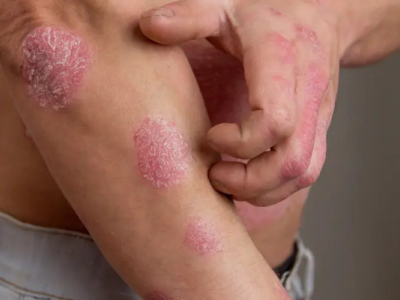
In reality, psoriasis is a systemic autoimmune disease. Specifically, this means that it is your immune system that is at fault — not the skin itself. Your immune system, when malfunctioning, produces a signal ofpsoriasis inflammation a chronic condition that abnormally accelerates the renewal of skin cells. While a normal regeneration cycle takes about 28 days, in a person with psoriasis, it can be reduced to 3 or 4 days. The cells accumulate on the surface and form those red and scaly patches that you know all too well.
It is not the skin that is sick. The skin is merely the alarm signal — the visible symptom of a deep and systemic imbalance. It is this understanding that opens the door to truly effective long-term approaches. To delve further into the autoimmune diseases and their common ground, I invite you to read our dedicated article.
The 3 biological mechanisms to understand in 5 minutes
To fully understand why marine solutions work, it is necessary to grasp the three central mechanisms that drive the causes of psoriasis.
The overreaction of the immune system: Certain immune cells (T lymphocytes) are aberrantly activated and produce pro-inflammatory cytokines — notably interleukin-17 and TNF-α. These chemical messengers trigger the inflammatory cascade that results in visible plaques.
Increased intestinal permeability: The intestine, when healthy, acts as a selective customs between the digestive contents and the bloodstream. In people with psoriasis, this barrier is often compromised — referred to as "leaky gut" or intestinal permeability. Pro-inflammatory molecules then pass into the blood and continuously fuel systemic inflammatory fire. This is the gut-skin axis, and it is now scientifically validated. Our article on the restoration of intestinal mucosal integrity will give you the practical keys to this fundamental lever.
Mineral imbalance: The skin is a demanding organ — zinc, selenium, magnesium, and silica are essential for it. A demineralized condition results in skin that is less capable of regenerating normally and modulating local inflammatory responses.
Here are the three areas that will need to be worked on. And you will see that marine assets respond to each of these levels with remarkable precision.
What are the real causes of psoriasis ?
The central role of chronic inflammation
Psoriasis is part of what are called diseases of psoriasis inflammation low-grade chronic. "Low-grade" does not mean benign — it means that the inflammation is permanent, diffuse, and often silent elsewhere than on the skin. It tires the immune system, depletes the body's resources, and maintains a condition conducive to recurrent flare-ups.
What worsens this inflammation? A pro-inflammatory diet (we'll come back to this), sedentary lifestyle, chronic stress, and an imbalanced gut microbiome. These factors accumulate and enhance each other. This is why an approach targeting only one lever rarely achieves lasting results over time.
What I have observed in many people who contact us at Biovie is that the best improvements occur when we work simultaneously on several of these factors. Not one after the other. Together. The excretory organs — skin, liver, kidney, intestine — function as a network: understanding how to support them jointly changes everything in the approach.
The gut-skin axis: the scientific revolution of 2024
For decades, naturalist doctors and naturopaths have discussed the link between the gut and the skin. For a long time, this idea was considered "alternative" by conventional medicine. That time is over.
In 2023, a study published on PubMed established that 73% of psoriasis patients present a significant intestinal dysbiosis — that is, an imbalance of their gut microbiota. This is not an anecdotal correlation: the causal link is now seriously documented. A disrupted microbiome generates increased intestinal permeability, which releases pro-inflammatory molecules into the bloodstream, activating immune responses... which manifest on the skin.
I want you to measure the importance of what this concretely means: If you only treat your plaques on the surface without addressing your gut microbiota, you are addressing the symptoms while ignoring the cause. The approach of restoring the integrity of the intestinal mucosa and rebalancing the microbiome is therefore not a fad — it is biology validated by research.
The new scientific consensus for 2024-2025 is clear: the Psoriasis and gut microbiome are closely linked. And it is precisely here that marine algae and marine plasma come into play, with a relevance that few other solutions can claim.
To better understand the role of microalgae in immune and digestive support, here is an enlightening discussion on the 5 essential living foods to incorporate daily:
Stress, environmental triggers, and terrain
You have probably noticed that your flare-ups occur more readily after a period of psoriasis stress intense, an emotional shock, an infectious episode, or great fatigue. It's not in your head.
Chronic stress raises cortisol levels, which disrupts immune regulation and amplifies inflammatory responses. The neuro-cutaneous axis — this link between the nervous system and the skin — is scientifically established. Neuropeptides released under stress directly modulate skin immune responses. It is concrete, it is biological, and it is treatable.
Other well-documented triggers include:
- Alcohol — particularly documented as an aggravating factor for flare-ups, should be avoided during active periods.
- Certain medications (beta-blockers, lithium, non-steroidal anti-inflammatory drugs)
- Infections, particularly streptococcal
- Skin trauma (Koebner phenomenon — a scratch can trigger a plaque)
- Tobacco and chronic sleep deprivation
30 to 40% of people with psoriasis develop psoriatic arthritis within 10 years. according to the French Society of Dermatology — a fact that highlights how important it is to act on the global level, not just on skin symptoms. This is the whole challenge of a coherent systemic approach.
Diet and Psoriasis: Which Foods Worsen It, Which Ones Relieve It ?
Pro-inflammatory foods to avoid
I will be direct: the question of the psoriasis diet has a clear and documented impact on systemic inflammation and intestinal permeability. Some foods worsen the condition — eliminating them is not a matter of deprivation, it's a matter of biology. If you are wondering which foods to avoid with psoriasis, here are the established priorities.
To avoid or significantly reduce:
- Gluten — it worsens intestinal permeability in many people with psoriasis, even without a diagnosed celiac disease. The psoriasis and gluten form an association that many patients spontaneously identify: an elimination period of 6 to 8 weeks often allows observation of whether your condition responds positively to it
- Refined sugars and high glycemic index carbohydrates — directly pro-inflammatory, they fuel the immune cascade
- Alcohol — particularly documented as a trigger for flare-ups, to be eliminated as a priority during active phases
- Industrial-origin saturated fats and trans fatty acids — promote systemic inflammation
- Ultra-processed products — major disruptors of the microbiome, loaded with pro-inflammatory additives and preservatives
- Conventional dairy products — often identified as aggravating factors by many patients
The anti-inflammatory diet suitable for psoriasis
On the contrary, the psoriasis anti-inflammatory diet constitutes a real lever. Certain foods are true allies for your body and can help reduce the frequency and intensity of flare-ups.
To prioritize:
- Colorful vegetables and leafy green vegetables — rich in antioxidants and inflammation-modulating phytonutrients
- Fruits with a low glycemic index (berries, citrus fruits, apples, kiwis)
- Well-prepared legumes — soaked for at least 4 hours, ideally sprouted for 24/48 hours, or fermented for better digestibility.
- Quality fats — first-press olive oil, avocados, nuts, chia seeds, and flax seeds rich in plant-based omega-3 psoriasis
- Fermented foods — plant-based kefir, kimchi, raw sauerkraut — that actively nourish the microbiome
- Anti-inflammatory spices — turmeric with black pepper, fresh ginger
- Seaweed — and this is where it gets really interesting
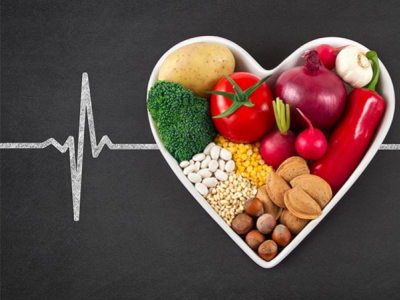
Regarding the Omega-3 and psoriasis, the scientific data is particularly robust. A meta-analysis in agreement with the EFSA data showed a reduction of 30 to 45% in the PASI score (the standard measure of psoriasis severity) in 12 weeks in patients supplemented with omega-3. Plant sources — chia seeds, ground flaxseeds, hemp oil, algae — therefore deserve a central place in your daily diet.
Why seaweed is a game changer
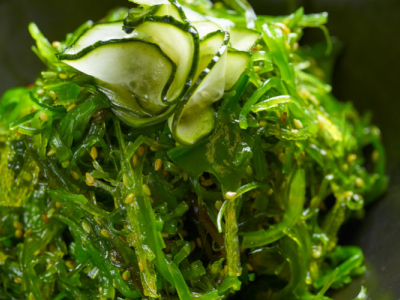
The Benefits of algae and microalgae for the skin are often misunderstood — and yet, they are concentrated sources of bioavailable minerals, vitamins, antioxidants, and unique sulfated polysaccharides that you won't find anywhere else in terrestrial food. It is precisely this unparalleled nutritional profile that makes them so relevant in an approach to psoriasis.
Several elements play an important role:
- Their wealth in zinc and selenium — these two trace elements contribute to the normal functioning of the immune system and to cellular protection against oxidative stress*
- Their content in Iodine — contributes to proper thyroid function, which is often suboptimal in individuals with an autoimmune condition*
- Their Sulfated polysaccharides (fucoidan, carrageenans) — their role in modulating immune responses is documented in vitro
Our report on the Breton fresh seaweed industry will give you a concrete idea of the nutritional richness of these exceptional marine plants:
By regularly integrating Seaweed and skin in your diet — even in small quantities — you provide your body with nutrients that nothing else can offer. This is a perspective completely absent from conventional approaches to psoriasis.
Marine natural solutions that really make a difference
Spirulina: Immune Support and Phycocyanin Supply
Spirulina is probably the most studied microalgae in the world. And the available data on its Spirulina psoriasis mechanism of action are particularly relevant. How to naturally relieve psoriasis ?It is often the first question — and spirulina is one of the most scientifically supported answers.
Spirulina is rich in phycocyanin, this blue-green pigment with documented antioxidant and immunomodulatory properties. In vitro studies show that phycocyanin can inhibit two central inflammatory pathways in psoriasis: COX-2 and NF-κB. These are not anecdotal pathways — they are precisely the pathways targeted by certain conventional immunosuppressive drugs.
Spirulina also contributes to the normal functioning of the immune system* thanks to its richness in bioavailable iron, B vitamins (notably B12), and essential amino acids in a directly assimilable form.
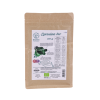
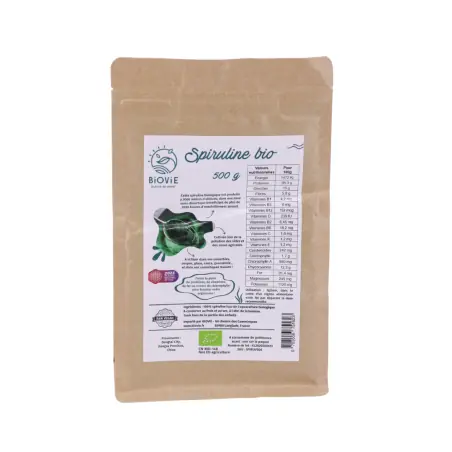
How to use it? For significant action, it is generally recommended to consume between 3 and 5 g of spirulina per day, ideally in powder form mixed with vegetable juices or smoothies. Quality is absolutely crucial here: poorly dried or poorly preserved spirulina loses a large part of its active ingredients. This is why at Biovie we have selected an organic spirulina dried at low temperatures to preserve the entirety of its active principles.
"I have been ordering from the Biovie website for years: the products sold are particularly interesting. Spirulina, dehydrated algae... A real Aladdin's cave."
— Jeanne, Trustpilot ⭐⭐⭐⭐⭐
"Perfect for ordering quality spirulina and algae. I completely trust Biovie!"
— Magali O., Trustpilot ⭐⭐⭐⭐⭐
Isotonic marine plasma: remineralize and rebalance the body
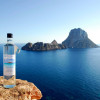
Here is an asset that most people with psoriasis are not aware of — and yet it deserves special attention. The marine plasma (also known as René Quinton's plasma ®) Quinton, also a registered trademark, is cold microfiltered seawater collected in the open sea from protected areas, diluted to the isotonic level of human blood plasma.
Its composition is exceptional: all the elements of the periodic table in ionic and bioavailable form. It is a complete remineralization, directly assimilable at the cellular level. This is the whole point of the "internal marine terrain" concept — our body is made up of 70% water, and this water should ideally be as mineral-balanced as diluted seawater.
Why is it relevant in the context of a natural treatment for psoriasis ?Because psoriatic skin is often deeply demineralized. The skin of a person with psoriasis continuously loses minerals—such as zinc, magnesium, and silica—through scales and accelerated cell renewal. Remineralizing this skin deeply means providing it with the biological tools it needs to function normally.
Isotonic marine plasma also supports the functioning of the excretory organs — kidney, liver, skin — which are involved in the body's natural elimination functions. Skin that "overflows" because the other elimination pathways are overloaded is skin that manifests insistently.
[p2b_QUINTON]"I have been drinking a glass of Quinton water on an empty stomach in the morning for 2 months. I am very satisfied."
— Mr. Grewis, Trustpilot ⭐⭐⭐⭐⭐
"Marine Plasma, recommended and prescribed by a naturopath, has amazing effects and really boosts health!"
— Cécile B., Google ⭐⭐⭐⭐⭐
Chlorella: Support for Natural Elimination Functions
The chlorella detox skin psoriasis — this is an association that many naturopaths have recommended for years, and for good reasons. Chlorella is a green freshwater microalga, one of its most remarkable characteristics being its chlorophyll content — the highest of all known plants and algae. It also contains the CGF (Chlorella Growth Factor), a complex of nucleic acids and peptides that support the natural mechanisms of cellular renewal*.
In a terrain-oriented approach to psoriasis, chlorella plays an important role on several levels:
- It supports the body's natural elimination functions, particularly at the hepatic level.*
- Its richness in chlorophyll contributes to cellular protection against oxidative stress.*
- It contributes to the diversity of the gut microbiome and the restoration of a favorable environment.
To understand in detail the mechanisms of action of chlorella and its exceptional nutritional profile:
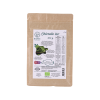
A crucial point: the cell wall of chlorella must be mechanically broken (a process known as "cell cracking") for its nutrients to be bioavailable. Without this process, the benefits are significantly reduced. This is a fundamental quality criterion to check before any purchase.
[p2b_CHLORELLA]Fucoidan from brown algae: the immunomodulatory ally
The Fucoidan and inflammation — this sulfated polysaccharide, primarily extracted from brown algae (wakame, kombu, kelp) — is the subject of increasing scientific research, and the results are particularly relevant for chronic inflammatory diseases.
A Korean study published in 2024 demonstrated that the fucoidan brown algae inflammation acted by inhibiting the NF-κB pathway in vitro, one of the main inflammatory signaling pathways involved in psoriasis. NF-κB is a transcription factor that, when overactivated, triggers the massive production of pro-inflammatory cytokines. Its inhibition, documented in vitro, represents a potentially very relevant mechanism of action in the context of psoriasis.
It is important to be precise here: these data are essentially in vitro. This is not a medical treatment — and large-scale clinical studies still need to be developed. However, as part of a comprehensive nutritional approach, regularly incorporating brown seaweeds rich in fucoidan — wakame, kombu, dulse — helps provide these unique sulfated polysaccharides that are not found elsewhere in ordinary diets*.
How to build your natural protocol against psoriasis ?
I want to be transparent about an essential point: the natural remedies for psoriasis are not switches that one can flip for an immediate result. Psoriasis is a chronic disease, and natural approaches are part of a long-term process. The first improvements—reduction of itching, fewer new patches—are generally felt after 3 to 6 weeks of a 30-day natural psoriasis protocol coherent. A visible and lasting improvement generally requires a minimum of 3 months.
That said, here is how to structure a gradual and sensible approach over 30 days.
Phase 1 (Day 1-Day 10): Intestinal support and terrain rebalancing
The first priority is the intestine. Everything else relies on it.
- Isotonic marine plasma: 30ml on an empty stomach in the morning, 15 minutes before eating. The goal is to remineralize and support elimination functions from the start.
- Elimination of trigger foods: gluten, refined sugars, alcohol, ultra-processed products. No half-measures during this phase.
- Gradual introduction of fermented foods: Plant kefir, raw sauerkraut, kimchi — a small amount each day to support microbiome diversity.
- Chlorella: 2 to 3 g per day, preferably in the morning with marine plasma. Start gradually if you have never taken it before.
Phase 2 (D11-D20): intensive anti-inflammatory nutrition
Once the foundations are laid, we intensify the input of assets to relieve psoriasis naturally.
- Spirulina: Gradually increase from 2 to 5 g per day. If you are new to microalgae, start slowly — one week at 1 g, then gradually increase. They are powerful.
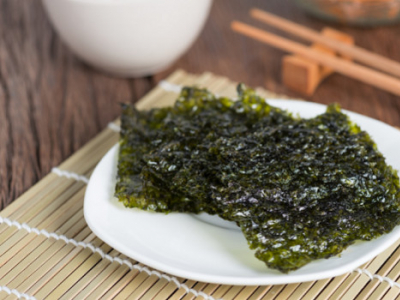
- Integration of edible seaweed: 2 to 3 times a week, wakame in salad, crumbled dulse on vegetables, kombu in a broth. These seaweeds contribute to the intake of minerals and sulfated polysaccharides*.
- Plant-based Omega-3: 1 to 2 tablespoons of ground chia or flax seeds each day, flaxseed or hemp oil as a cold seasoning.
- Stress management: Ideally, introduce a practice of cardiac coherence (5 minutes, 3 times a day). This technique helps regulate the neuro-immune axis involved in flare-ups and represents one of the most well-documented ways to how to prevent psoriasis flare-ups in the long term.
Phase 3 (D21-D30): consolidation and prevention of flare-ups
This phase establishes long-term habits, without cortisone or aggressive treatments — a true alternative. psoriasis without cortisone which relies on the gradual regulation of the terrain.
- Maintain the intake of spirulina, chlorella, and isotonic marine plasma.
- Evaluate the results: Have the itchiness decreased? Have new patches appeared less frequently? Has the quality of sleep improved ?
- Identify your personal triggers — noting the correlations between stress, dietary deviations, and flare-ups will allow you to gradually refine your protocol.
- If positive results are observed, consider consulting with a naturopathic doctor to personalize the approach.
Here, this structure is a starting framework, not a dogma. Each psoriatic condition is unique — listening to your body remains the best guide.
FAQ — Your questions about natural psoriasis
What are the real causes of psoriasis that doctors do not always mention ?
Psoriasis results from an immune system disorder exacerbated by three often overlooked factors: intestinal dysbiosis, low-grade chronic inflammation, and mineral imbalance. A 2023 PubMed study establishes that a disrupted gut microbiome is present in 73% of psoriasis patients. Restoring intestinal balance is a central therapeutic lever that conventional management still mentions too little.
Which food should be eliminated first to soothe psoriasis ?
Priority: gluten (which worsens intestinal permeability), refined sugars (pro-inflammatory), and alcohol (particularly documented as a trigger for flare-ups). On the beneficial side, seaweed, plant-based omega-3s, and fermented foods actively support immune regulation and microbiome health.
Are seaweeds really effective against psoriasis ?
Seaweeds contain sulfated polysaccharides (fucoidan, carrageenans) whose immunomodulatory properties are documented in vitro and in vivo. Spirulina, rich in phycocyanin, helps support the natural mechanisms of immune regulation (COX-2, NF-κB pathways). It is not a medical treatment, but a powerful nutritional support for the body's terrain that has no equivalent in terrestrial food.
What is the link between the gut and psoriasis ?
The gut-skin axis is a scientifically validated concept: an imbalanced microbiome leads to increased intestinal permeability, releasing pro-inflammatory molecules into the bloodstream. These molecules activate immune responses that manifest on the skin. Restoring intestinal integrity is a key lever in a holistic approach to psoriasis.
How to naturally get rid of a psoriasis flare-up ?
For an acute flare-up: lukewarm baths with bicarbonate or sea salt (to soothe itching), application of nourishing vegetable oil (apricot kernel, shea) topically, and internally: Quinton Isotonic to quickly rebalance the mineral terrain. The practice of cardiac coherence is also documented as an immediate adjunct in managing pro-inflammatory stress.
How long does it take to see results with natural solutions ?
The first signs of improvement (reduction of itching, fewer new patches) are generally felt after 3 to 6 weeks of a consistent protocol. A visible and lasting improvement usually requires a minimum of 3 months. Psoriasis is a chronic disease: natural solutions are part of a long-term approach, not a quick symptomatic one.
Does stress really worsen psoriasis ?
Yes, it is scientifically established. Chronic stress raises cortisol, which disrupts immune regulation and amplifies inflammatory responses. The neuro-cutaneous axis explains why flare-ups often occur after periods of high tension. Stress management techniques (such as heart coherence and meditation) are documented as adjuncts in overall management.
* A varied and balanced diet and a healthy lifestyle are important. The beneficial effect is achieved with regular consumption of the active ingredients mentioned as part of a comprehensive and consistent nutritional approach. This information does not constitute medical advice and does not replace a consultation with a qualified healthcare professional. If in doubt, consult your doctor.
Update: April 2026. Article approved by Éric Viard, founder of Biovie and engineer ISTOM, co-author of " Seaweed in everyday life "(Gallimard, 2024) —" Best cookbook in the world, Gourmand Cookbook Awards 2025, and Best cookbook in France, National Academy of Cuisine 2025.