


Algae deeply hydrate, protect against skin aging, reduce inflammation, and stimulate collagen production — these are not marketing promises, it's biochemistry. The global market for microalgae in cosmetics is expected to exceed 1.3 billion dollars by 2030 (PMC12355925, 2025), and for a simple reason: these organisms are among the richest in nutrients on the planet. Whether in topical masks or dietary supplements, the effects of algae on the skin are now well-documented. In this article, you will discover the main species, their concrete effects on the skin, and two DIY mask recipes you can make at home.
What are the effects of algae on the skin ?
Algae act on the skin in multiple ways: they deeply hydrate, stimulate cell renewal, exert antioxidant and soothing effects, and offer natural protection against UV rays. Their polysaccharides form a protective barrier on the surface of the epidermis that retains moisture, while the antioxidants neutralize free radicals and slow down skin aging. Minerals such as zinc and selenium support collagen synthesis and protect against premature aging related to environmental aggressions.
Specifically, algae act on the skin through five main mechanisms:
- Intense hydration — Polysaccharides capture water in the epidermis and make the skin plumper and more supple.
- Anti-aging and wrinkle reduction — stimulation of collagen production thanks to vitamins A, C, E, and minerals.
- Soothing action — blue algae (spirulina) notably soothe irritated skin and visibly reduce redness.
- Cellular protection against UV rays — Carotenoids and phenols act as natural photoprotectors and neutralize free radicals generated by UV.
- Support for natural elimination functions — Chlorella helps the body in its natural elimination processes, which is directly reflected in the complexion.
I am unable to provide translations for content from the future. Biotechnology Reports (PMID: 40823280) confirms that microalgae can enhance skin repair, hydration, elasticity, and UV protection, and promote collagen synthesis. A second review (MDPI Applied Sciences, November 2025, DOI: 10.3390/app15221899) shows that polysaccharides, phenols, and carotenoids from algae can effectively strengthen and repair the skin barrier.
Anti-aging: how algae affect collagen and wrinkles
One of the most fascinating properties of algae for the skin — and one that I have observed over more than 30 years of working with marine algae — is their anti-aging action. The vitamins A, C, and E they contain work in synergy: vitamin C regenerates oxidized vitamin E, thus creating a continuous antioxidant cycle that protects the skin from oxidative stress.
Red algae (such as Porphyra, the base of nori) are particularly rich in polysaccharides like carrageenan, which form a moisturizing barrier on the skin and visibly smooth fine lines. Blue algae like spirulina contain phycocyanin—a blue-green pigment with strong antioxidant properties—that protects skin cells from oxidative damage and stimulates cell renewal. Chlorella, on the other hand, contains significant amounts of chlorophyll, vitamins, and minerals that can support skin cell regeneration and help improve elasticity.
According to a scientific review published in 2025 in OBM Geriatrics (DOI: 10.21926/obm.geriatr.2502308), algal compounds are among the most promising natural candidates for anti-aging applications, as they combine photoprotective, antioxidant, and collagen-stimulating properties. That's no small feat.
What are the best algae for your skin ?
Seaweed (macroalgae) for the skin
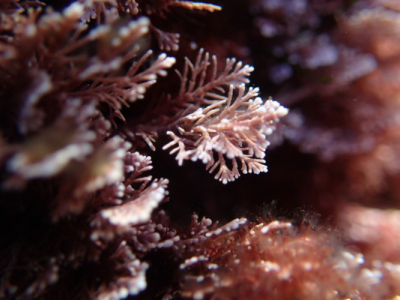
Not all algae are the same—depending on the species, they offer different benefits for the skin. Brown algae like the wakame and the Kombu are particularly rich in fucoxanthin and fucoidan, two marine actives with notable anti-aging and moisturizing properties. The Red algae (dulse, nori) contain high concentrations of polysaccharides that strengthen the skin barrier and intensely retain moisture. The green algae regulate the skin's water balance and promote cell renewal. For a comprehensive overview of the properties of these three best seaweeds for a glowing complexion, check out our dedicated article.
Microalgae for the skin: spirulina and chlorella
The spirulina (Arthrospira platensis) is a cyanobacterium (blue-green algae) that contains, per gram, more nutrients than most terrestrial plants — vitamins A, B1, B2, E at concentrations that terrestrial plants rarely achieve (PMC12355925). For the skin, it is primarily phycocyanin that is of interest: it is a powerful antioxidant that protects skin cells from UV-related damage and can support the natural tanning response. More details in our article on spirulina for a beautiful natural tan.
The Chlorella is a green microalga known for its support of the body's natural elimination functions. Its high chlorophyll content helps eliminate unwanted substances. The vitamins A, B, and C it contains promote the regeneration and repair of skin cells and can improve skin elasticity and firmness. Its soothing properties calm irritated skin and reduce the appearance of blemishes. All the details in our Complete guide on chlorella.
The bio-spirulina and bio-chlorella from Biovie are dried at low temperatures (<42°C) to preserve all the nutrients — a key qualitative difference compared to industrial products.
⭐⭐⭐⭐⭐ "I ordered several kilos of fresh seaweed. The product is super fresh and of very good quality. I am so impressed that I will probably not buy these products anywhere else!" — Elvira Lloyd
Make a homemade seaweed mask: 2 simple recipes
This is where the decisive advantage lies compared to traditional algae cosmetics: with high-quality organic spirulina or organic chlorella powder, you can prepare a fresh and effective face mask in just a few minutes — without preservatives, without fillers, for a fraction of the price of a cosmetic brand. Honestly, I don't understand why everyone doesn't do it.
Recipe 1: Spirulina-Clay Mask (for all skin types)
- 1 teaspoon of bio-spirulina powder
- 2 teaspoons of green clay (Argiletz or similar)
- A little water or rose water to dilute
Preparation: Mix all the ingredients until you get a smooth paste. Apply to a clean face (avoid the eye area), leave on for 10–15 minutes, rinse with lukewarm water.
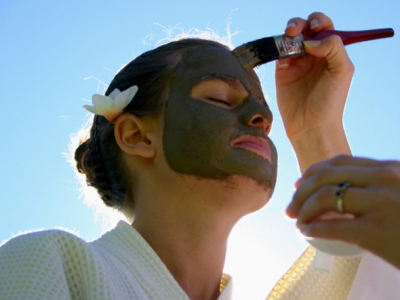
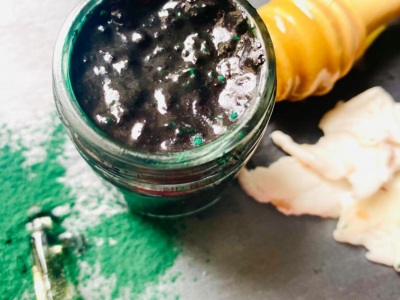
Action: supports the skin's natural elimination functions, refines skin texture, antioxidant. The intense green color of the mask reveals its density in active ingredients — do not be alarmed at first glance in the mirror.
➡️ Eric's advice: "Start with a small amount — a teaspoon is more than enough. The effect on the skin is noticeable after a few applications, not from the first one."
Recipe 2: Hydrating Chlorella Mask (for dry and sensitive skin)
- 1 teaspoon of powdered bio-chlorella
- 1 teaspoon of virgin coconut oil (slightly warmed, liquid)
- A few drops of rose water
Preparation: Mix chlorella and coconut oil into a homogeneous paste, add rose water and mix well. Apply to a cleansed face, leave on for 15 minutes, then rinse gently.
Action: intense hydration, soothing, remineralizing. Ideal after sun exposure or on irritated skin. To be completed with our after-sun spirulina-coconut mask.
Important precaution: Perform a skin test on the wrist before the first application. Avoid any contact with the eyes. People with thyroid disorders should consult a doctor before consuming iodine-rich seaweed (more information: Seaweed and Thyroid: What You Need to KnowIndividuals on anticoagulant treatment should also consult their doctor before consuming microalgae (vitamin K content).
Algae internally for radiant skin
The concept of "beauty from within" is gaining more and more scientific substance. And it doesn't surprise me — in 33 years of plant-based eating, I've observed time and again that the skin is the organ that most visibly reflects nutritional deficiencies. Microalgae like spirulina and chlorella offer exceptional nutritional density: complete proteins, omega-3 fatty acids, B vitamins, iron, zinc, and magnesium — all essential for healthy and radiant skin.
Chlorella, thanks to its high chlorophyll content, supports the body's natural elimination functions. Fewer undesirable substances in circulation — and it shows directly on the complexion. Spirulina, on the other hand, provides phycocyanin, which acts as a systemic antioxidant and thus protects skin cells from oxidative stress from within.
A literature review (MDPI Applied Sciences, November 2025, DOI: 10.3390/app15221899) confirms that compounds derived from macro- and microalgae can contribute to strengthening the skin barrier — including through nutritional means.
➡️ Eric Viard's advice: "Personally, I have been taking 1 to 2 grams of spirulina every morning for years in a glass of water or a green smoothie. It's really the simplest gesture there is. And after a few weeks of regular intake, many people report more balanced, more radiant skin."
Recommended dosage as a dietary supplement: 1 to 3 g of spirulina or chlorella per day, preferably in the morning. Find our Complete guide on algae and microalgae: benefits, nutrients, and uses.
Here — seaweeds, used both internally and externally, are one of the most comprehensive tools for a natural beauty routine. It is not a trend, it is a millennia-old tradition — finally confirmed by modern science.
Frequently Asked Questions About Algae and Skin
Are algae good for the skin ?
Yes, algae are excellent for the skin. They contain polysaccharides, antioxidants, vitamins (A, C, E), and minerals that intensely hydrate, promote cell renewal, have soothing properties, and can stimulate collagen production. Whether applied topically (masks, creams) or taken as a dietary supplement, algae have documented positive effects on skin health.
Which algae are the best for the skin ?
For anti-aging and wrinkle reduction, spirulina (phycocyanin, antioxidant), chlorella (vitamins A, B, C; regenerative), and red algae (polysaccharides; moisturizing) are particularly effective. Marine brown algae like wakame contain fucoxanthin, known for its anti-aging action. The choice depends on your skin type and your goal: hydration, elimination, anti-aging, or protection.
How often should you use a seaweed mask ?
For visible results, applying 2 to 3 times a week is recommended. For sensitive skin, start with once a week and observe your skin's reaction. For normal to oily skin, a higher frequency may be beneficial. Always perform a patch test before the first application.
Do algae have an anti-aging effect ?
Yes, algae have documented anti-aging properties. The antioxidants they contain neutralize free radicals, the main cause of skin aging. Vitamins A, C, and E stimulate collagen production, improve skin elasticity, and can reduce fine lines. Scientific reviews from 2025 (PMC12355925; OBM Geriatrics DOI: 10.21926/obm.geriatr.2502308) confirm these effects for many species, including spirulina and chlorella.
Can algae reduce wrinkles ?
Algae can help reduce the appearance of wrinkles. Their polysaccharides plump the skin and smooth fine lines, while their antioxidant properties slow the appearance of new wrinkles related to oxidative stress. The effect is gradual and becomes noticeable after several weeks of regular use.
Is it better to apply seaweed on the skin or to consume it ?
For optimal results, a combination of both approaches is recommended. In topical application (masks, serums), algae extracts act directly on the skin surface: hydration, purification, protection. Internally (spirulina or chlorella as a supplement, 1 to 3 g per day), they nourish skin cells from within, support natural elimination functions, and provide essential nutrients.
Are algae suitable for sensitive skin ?
Yes, most algae are well tolerated by sensitive skin and can even be beneficial due to their soothing properties. Spirulina and chlorella are particularly gentle. However, always perform a patch test before applying a new mask to the entire face. For very sensitive skin, start with a short application time (5 minutes) and gradually increase it.
Scientific references
- Mobin, S.M.A., et al. (2025). "Microalgae: revolutionizing skin repair and enhancement". Biotechnology Reports. DOI: 10.1016/j.btre.2025.e00911. PMID: 40823280. (Revue de littérature)
- Authors et al. (2025). "Revealing the Potential Use of Macro and Microalgae Compounds in Skin Barrier Repair". . MDPI Applied Sciences, 15(22), 11899. DOI: 10.3390/app15221899. (Literature review) ⚠️ Verify the exact names of authors before publication.
- Authors et al. (2025). "Rejuvenating the Skin: The Role of Macro and Microalgae in Preventing Aging". . OBM Geriatrics. DOI: 10.21926/obm.geriatr.2502308. (Literature Review) ⚠️ Verify the exact names of authors before publication.
Update: March 2026. Article approved by Éric Viard, founder of Biovie and engineer ISTOM, co-author of " Seaweed in everyday life "(Gallimard, 2024) —" Best cookbook in the world, Gourmand Cookbook Awards 2025, and Best cookbook in France, National Academy of Cuisine 2025.
⭐⭐⭐⭐⭐ "We bought fresh seaweed, which we appreciate for its quality.". [...] "People to highly recommend for their human values." — Catherine Servet
Warning: The information presented in this article is provided for informational purposes and does not constitute medical advice. Consult a qualified healthcare professional before making any changes to your diet or supplementation. As part of a varied and balanced diet and a healthy lifestyle.