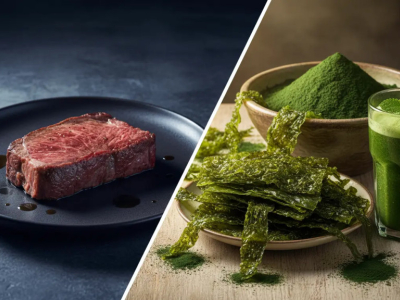




30 people search for "marine collagen hair" on the internet every day in France., and searches have jumped by +126% in one year. And almost all of them are unaware that the product being offered to them is only "marine" in name. The "marine collagen" sold in pharmacies or parapharmacies is actually extracted by enzymatic hydrolysis from skin, bones, fish bones, and cartilage from farmed fish — often tilapia, cod, or salmon. This is not a solution derived from algae.
It is not a plant-based formula. Moreover, your body cannot absorb this collagen intact: it completely breaks it down into amino acids before reconstructing it itself. What seaweeds provide are precisely these precursors — silica, zinc, sulfur amino acids, fucoidan — as well as the essential cofactors for this endogenous hair biosynthesis. It is scientifically more coherent. And it deserves to be discussed honestly.
What the term "marine" really hides on collagen labels
Here is an article that I was really passionate about writing, because it's a topic on which I see a lot of confusion and especially a kind of use of the ocean to mask a reality about the origin of marine collagen—and honestly, this confusion is not accidental.
When you see "marine collagen"on a box, your brain probably visualizes the sea, seaweed, something living and vegetal. This is precisely the image that marketing seeks to construct. In reality, the vast majority of "marine collagen" supplements available on the market are derived from an industrial process called enzymatic hydrolysis, applied to" aquaculture slaughter waste : skin, bones, fish bones, and cartilage from farmed fish. The most commonly used species? Tilapia, cod, farmed salmon. This is the real origin of fish collagen hair that you find in a pharmacy.
The term "marine" is technically accurate (it comes from aquatic animals), but it is profoundly misleading in its evocation. It suggests the ocean, purity, the vegetal. In reality, it refers to a by-product of intensive aquaculture. The The global marine collagen market is estimated to be 900 million euros in 2024., with a projected growth of +7% per year until 2030 (Grand View Research). The laboratories benefiting from this — Granions, D-Lab, Nat&Form, Arkopharma — obviously have no interest in clarifying this point.
There is a second dimension that I must also mention: the issue of potential contaminants. Farmed fish accumulate in their tissues the residues from their feed, veterinary treatments, and heavy metals. Hydrolysis processes reduce some of these risks, but not all. This is a reality that pharmaceutical companies selling these products obviously cannot highlight in their advertisements.
I am not saying that these products are dangerous. I am saying that there is a severe lack of transparency about what they really are — and that marine plant-based alternatives exist, which are both more ethically consistent and more biologically justified.

Why your body doesn't "absorb" marine collagen as you're told
This may be the most important point of the entire article, and it is rarely explained clearly.
Collagen is a protein. When you ingest a protein, your digestive system breaks it down into small units: amino acids. This is true for meat, for legumes, for eggs — and it is also true for collagen. hydrolyzed fish collagen. . Your body cannot absorb an intact collagen molecule and send it directly to your hair. This is not how digestion works.
What you are actually absorbing are amino acids — mainly glycine, proline, and hydroxyproline. Your body then uses them, according to its own metabolic priorities, to build collagen where it is needed. Or for something else.
The crucial distinction is therefore the following:
- Provide exogenous collagen (fish-based supplement pathway): your body breaks it down, reuses the basic building blocks, with varying efficiency depending on your overall nutritional status.
- Stimulate the endogenous biosynthesis of collagen (marine plant precursor pathway): you directly provide your body with sulfur-containing amino acids, mineral cofactors, and bioactive compounds it needs to produce its own collagen, including the natural keratin Capillary.
Concretely: the seaweed, spirulina and Quinton marine plasma do not "give" collagen to your hair. They provide the raw materials and tools that your body uses to produce it itself. This is biologically more accurate. And in many cases, more effective. If you are wondering if the Marine collagen promotes hair growth., The honest answer is: indirectly, through the amino acids it provides — and algae do exactly the same thing, without the ethical and traceability issues associated with intensive aquaculture.
Seaweed for hair: the real plant-based solutions
At Biovie, we have been working since 2007 with seaweed certified organic and Quinton marine plasma. And if I tell you that these products contribute to hair health, it's not marketing — it's biochemistry.
Let me detail what each solution specifically provides, nutrient by nutrient.
Spirulina: sulfur-containing amino acids and natural keratin for hair
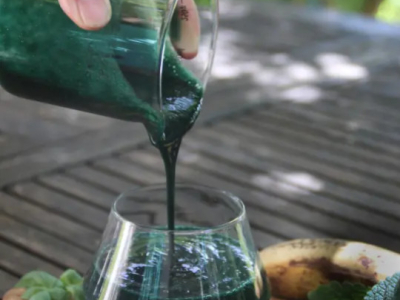
Spirulina is a freshwater microalgae composed of more than 60% protein. Among its amino acids, two are of particular interest for hair health: the methionine and the cysteine.
These sulfur-containing amino acids are the direct precursors of the natural keratin, protein that makes up the structure of your hair. Without sufficient intake of methionine and cysteine, your body cannot synthesize enough keratin — resulting in weakened, dull, and breakage-prone hair. The spirulina for hair thus acts at the very source of their protein architecture.
Spirulina also contains zinc, a trace element that participates in the normal functioning of essential fatty acid metabolism and contributes to the maintenance of normal skin — a mechanism directly linked to scalp health*.
She also brings some Plant-based iron highly bioavailable, associated with its phycocyanin — which contributes to the proper functioning of the immune system and the reduction of fatigue*, two factors directly linked to the quality of hair regrowth. Iron deficiency, along with thyroid imbalance, is one of the most common causes of hair loss — and it is often overlooked until a blood test. Our article on the plant-based iron from algae It details why microalgae often surpass meat as a source of absorbable iron.
Our complete guide on spirulina and hair details all these mechanisms with supporting studies—I really encourage you to read it if you want to delve deeper into the subject.
Wakame and brown algae: when fucoidan stimulates the follicle
Wakame is a seaweed brunette that particularly excites me because she combines several distinct hair advantages.
First, the question Thyroid. The iodine contained in wakame contributes to the normal functioning of thyroid hormone production*. The thyroid is a central regulator of hair health: a thyroid imbalance (even subclinical) is one of the most common and underdiagnosed causes of hair issues. hair loss. The Marine collagen and hair loss is often linked in advertisements, but if your thyroid lacks iodine, no protein supplement will solve the problem at its source.
Then, the fucoidan. This sulfated polysaccharide specific to brown algae (wakame, kombu, fucus) is the subject of particularly interesting scientific studies. The work of Fitton J.H. et al. (2015, Marine Drugs) indicate that fucoidan is involved in several biological processes related to cell growth. More recent studies (2022-2023) specifically explore its action on follicular vascularization — this is one of the most promising avenues for individuals seeking to support hair growth through a marine plant-based approach.
Wakame also contains zinc and the Marine silica natural — two elements that respectively contribute to the regulation of sebum and the strength of the hair shaft. The Marine silica for hair is often overlooked in discussions about hair health, even though it plays a crucial structural role in keratinization.
You will find our detailed article on the blog about the fucoidan from brown algae — I really encourage you to read it, it's a fascinating and too little-known subject.
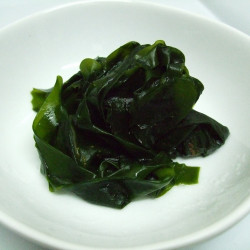
Organic Fresh Wakame Seaweed
€17.30
Chlorella and Klamath AFA: two complementary microalgae
Chlorella is a freshwater microalga rich in chlorophyll, zinc, and iron. It contributes to the normal functioning of cellular metabolism* — a fundamental process for the activity of hair follicles, which are among the fastest renewing cells in the human body.
The Klamath AFA (Aphanizomenon flos-aquae) is a wild microalgae harvested from Klamath Lake in Oregon. It contains phycocyanin, complete amino acids, and antioxidant pigments. People who use it regularly report improvements in their overall vitality, with observed effects particularly on the quality of their skin, nails, and hair (testimony from harvester T. Campbell, video at the end of the article).
Discover also Seaweed for radiant skin and hair — a comprehensive blog article that discusses the nutritional mechanisms of each type of algae.
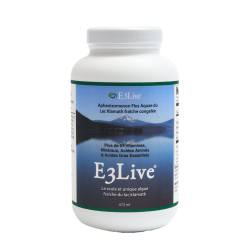
Wild Algae from Klamath Lake
€39.90
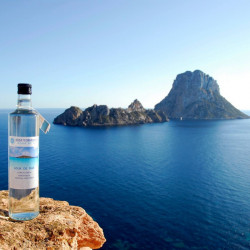
Marine plasma: 78 trace elements to nourish the bulb and scalp
It is one of the subjects that I care about the most at Biovie, because it is at the intersection of marine science and quite ancient wisdom.
Quinton® plasma is cold microfiltered seawater, harvested from planktonic vortex areas. Its particularity? It contains 78 trace elements in proportions very close to the human internal environment — sodium, magnesium, potassium, silicon, zinc, copper, manganese, and many others. This is what we call the marine minerals for healthy hair : a full spectrum, in a directly assimilable form.
These trace elements are in a naturally bioavailable ionic form. This means that your body can absorb them directly, without prior transformation — unlike synthetic mineral supplements. The Benefits of seawater for hair and scalp are thus linked to this complete and biocompatible mineral wealth.
For hair health specifically:
- The zinc contributes to the maintenance of normal skin and plays a role in the regulation of scalp seborrhea*
- The Copper contributes to the normal pigmentation of hair* — a copper deficiency is often associated with premature graying
- The Magnesium participates in the maintenance of normal muscle function* and helps reduce fatigue*, an indirect but real factor in the quality of hair regrowth
- The Marine silica plays a role in the resistance of the hair shaft and normal keratinization
We offer Quinton in two forms, with slightly different uses:
- Hypertonic plasma (3.3g of salt per liter): used in intensive treatment, it provides maximum mineral concentration. This is the form I recommend for seasonal remineralization treatments — particularly in autumn and spring, periods of greater hair vulnerability.
- Isotonic plasma (9g of salt per liter): balanced like blood plasma, it is easy to drink daily. It is the ideal form for regular integration into your routine, including as a daily treatment for the scalp.
To better understand the difference between these two forms, I invite you to read our article on the Hypertonic vs. Isotonic Difference.
The Benefits of Quinton marine plasma for hair are also detailed in a dedicated article on the blog — I encourage you to check it out, as it lists the practical uses that our clients have been favoring for years.
Camelina oil: the forgotten lipid asset for follicular nutrition
We talk a lot about proteins and marine minerals for hair, and it's legitimate. But we often forget the lipid dimension — which is essential.
The hair follicle requires complete nutrition to function normally. This includes essential omega-3, omega-6, and omega-9 fatty acids, as well as vitamin E — an antioxidant that helps protect cells against oxidative stress* (Rinnerthaler M. et al., 2015, Biomolecules).
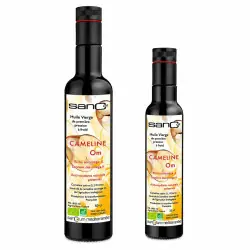
Organic camelina oil is, to my knowledge, one of the few vegetable oils to combine all these elements in remarkably balanced proportions. It contains approximately:
- 38% omega-3 fatty acids (alpha-linolenic)
- 20% omega-6 (linoleic)
- 15% omega-9 (oleic)
- A naturally high vitamin E content among vegetable oils
With Aurélie, we regularly incorporate it into our meals — as a fillet on vegetables, in dressings, or simply by the spoonful in the morning. It's a simple gesture that fits perfectly into a consistent nutritional beauty routine — much more so than searching for the "best collagen for hair" in a pill box.
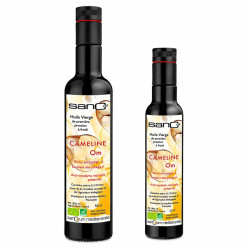
Organic camelina oil
€15.00
A consistent alternative for vegans: plant-based collagen and hair
I must also mention an angle that this article very rightly raises.
35% of French consumers now identify as flexitarians or vegetarians (Observatoire Cetelem 2025). For all these people, "marine collagen" derived from fish farming by-products directly contradicts their dietary values. The search for a vegan collagen alternative for hair is therefore legitimate and experiencing strong growth.
There is no "plant-based collagen" in the chemical sense of the term—it is a structural protein specific to animals. However, there are many marine plant-based solutions for stimulate the natural production of keratin by your body. This is precisely what algae, marine plasma, and camelina oil allow you to achieve. Specifically: you do not "take" collagen, you provide your body with everything it needs to produce it on its own.
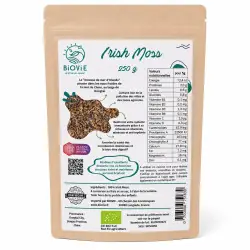
TheIrish Moss, the plant-based alternative to bone broth, is another interesting option for those looking to maximize their intake of plant-based marine polysaccharides. And to enhance your hair care routine beyond diet, our article on the natural hair mask recipes offers homemade preparations based on marine and plant ingredients.
Practical daily protocol: how to integrate marine plant solutions
Here is the question that consistently comes up in our discussions with you: "Specifically, how do I do it?"
Here is a simple protocol that I developed with Aurélie by combining the most complementary marine plant solutions. It is not a strict diet — it is a gradual habit that adapts to your daily life:
In the morning on an empty stomach:
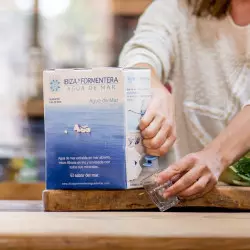
- 1 to 2 ampoules of isotonic seawater (or a tablespoon of hypertonic Quinton diluted in a glass of water)
- It takes 30 seconds and provides the complete mineral base for the day — it's the equivalent of what marine collagen hair ads promise you, in a plant-based and traceable version.
At breakfast or lunch:
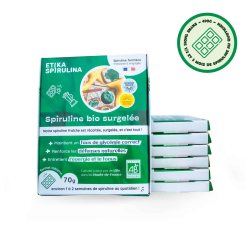
- 1 tablespoon of spirulina powder or 5 to 6 tablets — provides sulfur-containing amino acids precursors of the natural keratin
- A drizzle of organic camelina oil on your salad or cereal
During the week:
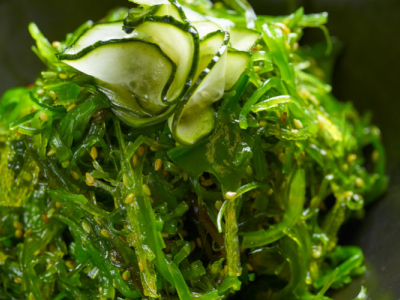
- 2 to 3 servings of wakame or others seaweed bio (dulse, kombu, nori) — source of fucoidan, iodine, zinc, marine silica
- Our Complete guide on spirulina and hair Detail the dosages and forms according to your goals.
In a seasonal treatment (autumn/spring):
- Hypertonic seawater in a 3-week treatment: deep remineralization, preparation of the follicular environment
- Klamath AFA: 1 to 2 teaspoons of powder or the equivalent in tablets, for 4 to 6 weeks
This protocol is not binding. It is part of a varied and balanced diet, which is — and I emphasize this because it is important — the primary condition for these contributions to be fully beneficial*.
What our clients say
Honestly, what touches me the most about our work at Biovie is what our clients tell us after a few weeks of regular practice.
"I mainly order seaweed, but also spices and marine plasma. I am completely satisfied with the quality of the seaweed and always impressed by the speed of delivery. Excellent value for money that makes me order regularly."
— Julie F., Trustpilot ⭐⭐⭐⭐⭐
"I get my sprouted seeds, my Quinton® water, my algae there. Thank you for existing and for making essential educational content and the best of living food accessible."
— Jonathan Tabutin, Google ⭐⭐⭐⭐⭐
"We are delighted with all the orders placed with Biovie. Whether it's the blender, spirulina, pollen, Quinton plasma, or fresh algae, the delivery always goes smoothly, and the products are of excellent quality!"
— Jean Tau, Google ⭐⭐⭐⭐⭐
A video to go further
The harvester T. Campbell, who works directly on Klamath Lake, shares in this video concrete observations on the effects of Klamath AFA: improvement of the immune system, digestive system, skin quality, nails, and hair. I invite you to watch it — it's a very informative field testimony to understand how the seaweed for hair act at the cellular level.
AFA Klamath Lake Algae — Interview with Harvester T. Campbell
FAQ — Frequently Asked Questions about Marine Collagen and Hair
Is marine collagen good for hair ?
Yes, with an essential nuance to understand. The "marine collagen" marketed in supplements is extracted from the bones, skin, and bones of farmed fish — it is not a plant-based product. Biologically, your body breaks it down into amino acids before reusing them to synthesize its own keratin. Marine plant-based solutions (algae, marine plasma) provide these same precursors directly, without going through an aquaculture by-product.
What is the best collagen for hair ?
Rather than searching for "the best collagen for hair," the real question is: what natural precursors promote your body's biosynthesis of keratin? The answer: sulfur-containing amino acids (spirulina), mineral cofactors like zinc, marine silica, and iron (algae and Quinton marine plasma), and essential fatty acids (camelina oil). A holistic, plant-based, and marine approach.
Does marine collagen promote hair growth ?
Studies on fish collagen peptides (notably PubMed PMC9569759, 2022) show interesting results on hair growth, to be taken with caution as methodologies vary. What is known for certain: spirulina (amino acids), marine plasma (zinc, marine silica), and brown algae (fucoidan) contribute to the biological functions necessary for normal follicular growth*, which is biologically coherent. A varied and balanced diet remains the primary condition.*
Can marine collagen have adverse effects on hair ?
The main risk associated with fish collagen supplements is the presence of potential contaminants (heavy metals, residues from veterinary treatments) linked to intensive aquaculture. This is not a systematic risk, but it is a factor to consider in your choice. Certified organic marine plant solutions — algae, marine plasma — generally offer a more robust traceability profile.
Can seaweed and Quinton® marine plasma be combined for daily hair care ?
Yes, and it is even the combination we recommend. Algae provide protein and organic precursors (amino acids, fucoidan, B vitamins), while Quinton marine plasma provides ionic mineral cofactors. Both are complementary and naturally integrate into a varied and balanced diet — a necessary condition to fully benefit from them.*
Is marine plasma useful for hair and scalp ?
Marine plasma contains 78 trace elements in an ionically directly bioavailable form, including zinc (which contributes to the maintenance of normal skin*), copper (which contributes to normal hair pigmentation*), and magnesium. The marine minerals for healthy hair thus providing a complete foundation to nourish the follicular environment and the scalp on a daily basis. It is a natural approach to thesea water for hair which far exceeds what fish collagen can offer.
In summary
The market for "marine collagen hair"is experiencing significant growth (+126% in searches in one year in France). However, the majority of products marketed under this label are based on a by-product of intensive aquaculture, with a biological promise that does not hold up to an honest examination of digestive physiology.
The bio seaweed — spirulina, wakame, dulse, chlorella, Klamath AFA — as well as Quinton marine plasma offer a coherent, traceable, and biologically more precise plant-based alternative in their mechanism of action. They do not "give" collagen to your hair: they provide your body with the tools to produce it itself — including the natural keratin what your hair needs.
Here it is, it's a simple distinction, but it changes everything in the way you approach your hair health.
Discover also seaweed as superfoods — an in-depth article that places all of this in a broader nutritional perspective.
* A varied and balanced diet and a healthy lifestyle are important for maintaining good hair health. The beneficial effect of the mentioned nutrients is achieved as part of appropriate daily intake. This information does not constitute medical advice. References: EFSA Panel on Nutrition (2016) — silica and health of keratinous tissues; Fitton J.H. et al. (2015) — Marine Drugs; Rinnerthaler M. et al. (2015) — Biomolecules; EU Regulation 432/2012.
Update: April 2026. Article approved by Éric Viard, founder of Biovie and engineer ISTOM, co-author of " Seaweed in everyday life "(Gallimard, 2024) —" Best cookbook in the world, Gourmand Cookbook Awards 2025, and Best cookbook in France, National Academy of Cuisine 2025.