
Summary
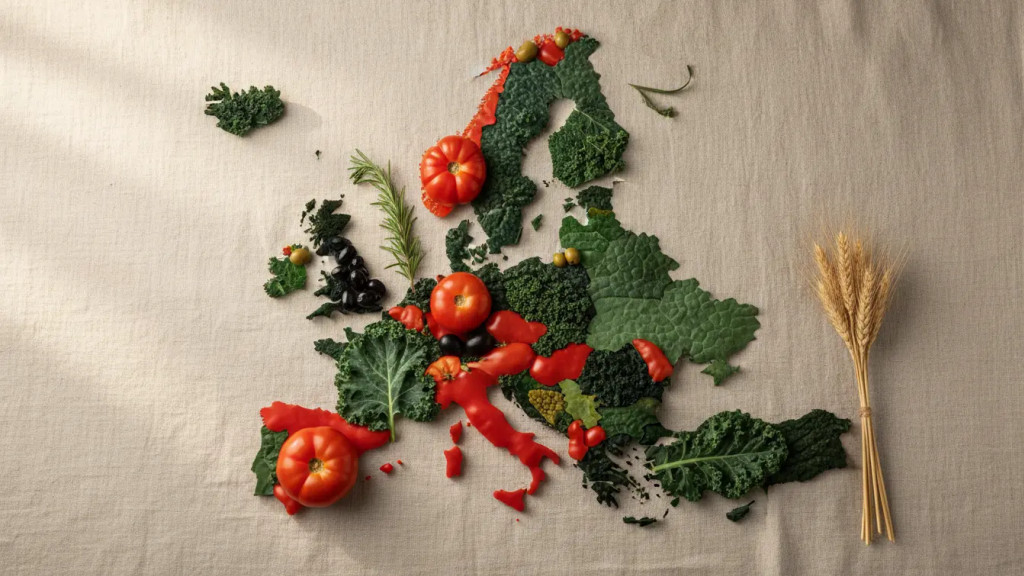
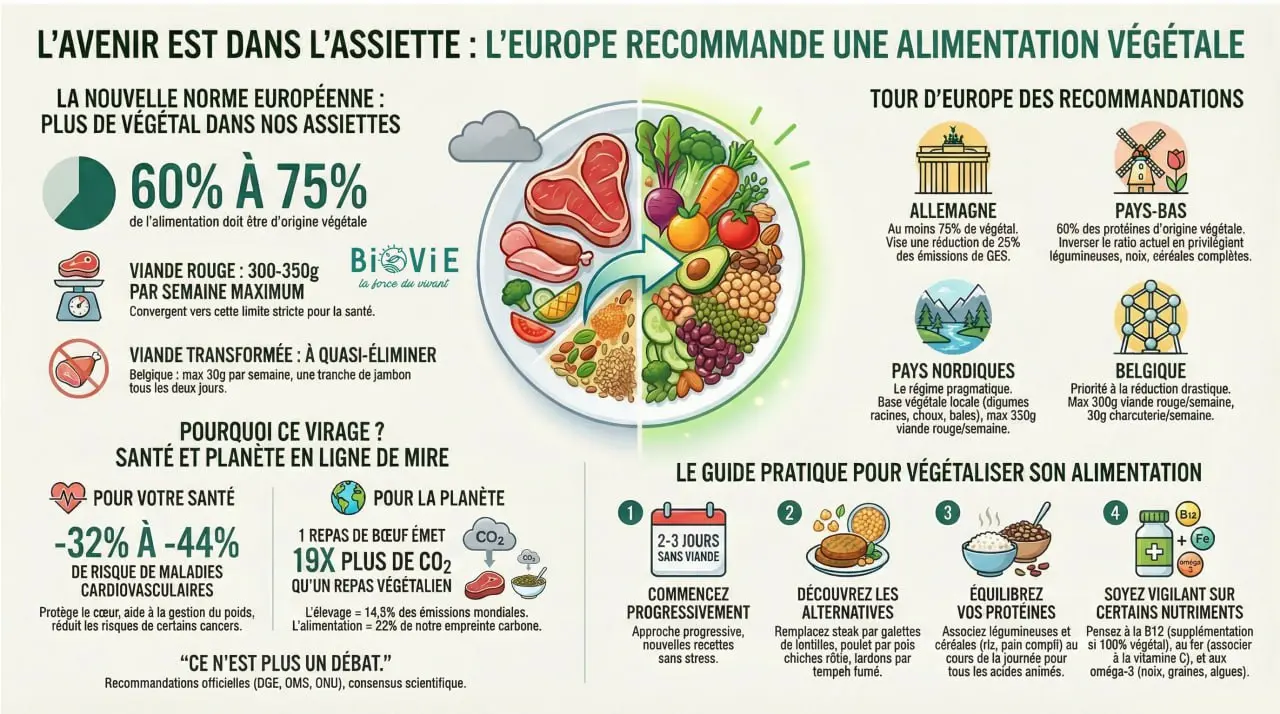
It's incredible but true: European health authorities now recommend that 60 to 75% of our diet should come from plant-based sources, with a significant reduction in red meat to a maximum of 300-350g per week. These recommendations, published between 2019 and 2025 by Germany, the Netherlands, Norway, and Belgium, incorporate environmental criteria alongside health benefits for the first time.
Since 2007, we at Biovie have been supporting the transition to plant-based and raw food (and not plant-based and ultra-processed), we have often been perceived as somewhat marginal pioneers. And now, in 2024-2025, the most reputable health authorities in Europe confirm what we have advocated from the start: eating more plant-based is not a trend, it's a necessity for our health and for the planet.
It is no longer a debate: official institutions now recommend that 60 to 75% of our diet should be plant-based. I suggest we decipher together what Germany, the Netherlands, Norway, and Belgium are exactly saying — and more importantly, how to take concrete action with living foods.
What European health authorities really recommend
Germany (DGE): at least 75% plant-based
The German Nutrition Society (DGE) published its new dietary recommendations in March 2024, and frankly, they are unambiguous: At least 75% of our diet should come from plant-based sources..
Concretely, this means:
- Vegetables and fruits at every meal, in generous quantities
- Whole grains as a daily dietary staple
- Legumes several times a week
- Maximum 300g of meat per week (including fish)
- A drastic reduction of processed meat
What is remarkable about these new guidelines is that they officially incorporate, for the first time, the environmental impact into the criteria for nutritional recommendations. The DGE states that a diet that is 75% plant-based can reduce greenhouse gas emissions related to our diet by 25%, while significantly improving our health.
The Netherlands: 60% of proteins from plant sources
The Health Council of the Netherlands was even more precise in its December 2024 recommendations regarding proteins. Their conclusion is clear: 60% of our protein intake should come from plant sources..
Currently, the Dutch consume about 40% plant-based proteins compared to 60% animal proteins. The goal is to completely reverse this ratio. To achieve this, the Council recommends:
- Gradually replace meat with legumes and nuts.
- Increase the consumption of whole grains
- Regularly integrate sprouting seeds and protein-rich vegetables
- Limit dairy products in favor of plant-based alternatives
The scientific data supporting these recommendations are solid: according to theANSES, With up to 50% plant proteins, the balance of amino acids is satisfactory without even needing specific combinations. Beyond that, simply combining legumes and cereals is enough to obtain all the essential amino acids.
Norway and the Nordic countries: the Scandinavian regime
The Nordic Nutritional Recommendations 2023-2024 represent a particularly interesting model as they are the result of a collaboration between several countries (Norway, Sweden, Denmark, Finland, Iceland).
The recommended "Nordic diet" is characterized by:
- An important plant-based foundation with root vegetables, cabbages, and local berries
- Maximum 350g of red meat per week
- A preference for fatty fish and seafood
- Whole grains like rye and oats
- A near-elimination of processed meat
What particularly impresses me about the Nordic approach is their pragmatism: they do not advocate for the total elimination of animal products, but rather a drastic reduction in favor of high-quality, local, and seasonal plant-based foods. This is exactly the philosophy we have been promoting at Biovie from the beginning.
Belgium: The 5 Priorities of the Food Sector
The Belgian Superior Health Council updated its "food pyramid" with very concrete recommendations:
The 5 Belgian priorities:
- Eat more vegetables, fruits, legumes, and whole grains.
- Limit red meat to a maximum of 300g per week
- Drastically reduce deli meats (maximum 30g per week)
- Favor vegetable fats
- Reduce added sugar and salt
The recommendation on deli meats is particularly striking: a maximum of 30g per week, which is equivalent to a single slice of ham every two days. Clearly, this is a call to almost eliminate processed meats from our diet.
Why this shift towards plant-based ?
Scientific evidence on health
The scientific data underpinning these recommendations are impressive. The NutriNet-Santé study conducted by theINRAE a study involving over 100,000 French participants shows that a more plant-based diet reduces 32 to 44% risk of cardiovascular diseases.
The EAT-Lancet Commission, which brought together 37 world-renowned scientists, estimates that the transition to a predominantly plant-based diet could prevent up to 15 million premature deaths per year in the world.
These figures are not theoretical projections. They are based on decades of nutritional research and large-scale cohort studies. In reality, nutritional science has made its decision: eating more plant-based is beneficial for health, period.
The environmental emergency
But the European recommendations are not limited to health benefits. For the first time, they massively incorporate environmental criteria.
The figures are enlightening:
- According to the FAO, livestock farming represents 14.5% of global greenhouse gas emissions
- According to theADEME via its Agribalyse database, a beef-based meal emits 19 times more CO2 "than an equivalent vegan meal"
- TheINSEE estimates that food represents 22% of our carbon footprint Individual
- According to I4CE (Institute for Climate Economics), 63% of French agricultural emissions come from farming
Specifically, if every French person followed the German recommendations (75% plant-based), we would collectively reduce our greenhouse gas emissions by several million tons per year. It is a powerful and immediate individual action lever.
An international scientific consensus
What is remarkable is that these recommendations do not come from activist groups or vegetarian lobbies. They originate from official health authorities, the most serious and conservative institutions there are.
TheWHO She herself recommends reducing the consumption of red meat and increasing that of plant-based foods. The United Nations integrate the greening of diets into their climate recommendations.
Frankly, when institutions as cautious as the German DGE or the Dutch Health Council speak so clearly, it means the scientific debate is over. The question is no longer "should we eat more plant-based?" but "how can we achieve this practically?".
Plant Proteins: Quality and Quantity
Demonstrated nutritional equivalence
One of the main concerns regarding reducing meat consumption is protein intake. This is legitimate, but scientific data is reassuring.
Plant proteins, when properly combined, provide all the essential amino acids that our body needs. ANSES confirms that with up to 50% plant proteins in the diet, there is no risk of deficiency, even without paying attention to combinations.
To go beyond, the principle is simple: legumes + grains = complete proteins. A lentil dhal with rice, hummus with bread, red beans with corn... These traditional combinations from many cultures provide all the essential amino acids.
The best sources of plant-based proteins
Here are the foods that will easily help you meet your plant-based protein needs:
Legumes (champions in all categories)
- Red, green, or brown lentils: 25g of protein/100g (dry)
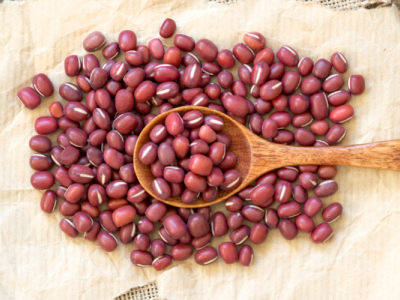
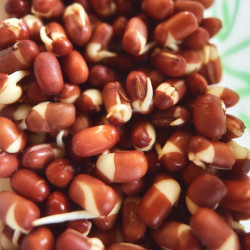
- Azuki beans : excellent digestibility and rich in protein, highly appreciated in vegetarian and vegan diets
- Chickpeas: 20g of protein/100g (dry)
- Black, red, white beans: 21-23g of protein/100g (dry)
- Edamame (soybeans): 11g of protein/100g (cooked)
Seeds and oilseeds
- Hemp seeds: 25g of protein/100g (and complete proteins)
- Pumpkin seeds: 30g of protein/100g
- Almonds: 21g of protein/100g
- Sunflower seeds: 21g of protein/100g
Whole grains
- Quinoa: 14g of protein/100g (dry) — and complete proteins
- Oats: 17g of protein/100g
- Buckwheat: 13g of protein/100g — and complete proteins
- Spelt: 15g of protein/100g
Superfoods to facilitate dietary transition
Spirulina: the champion of plant-based proteins
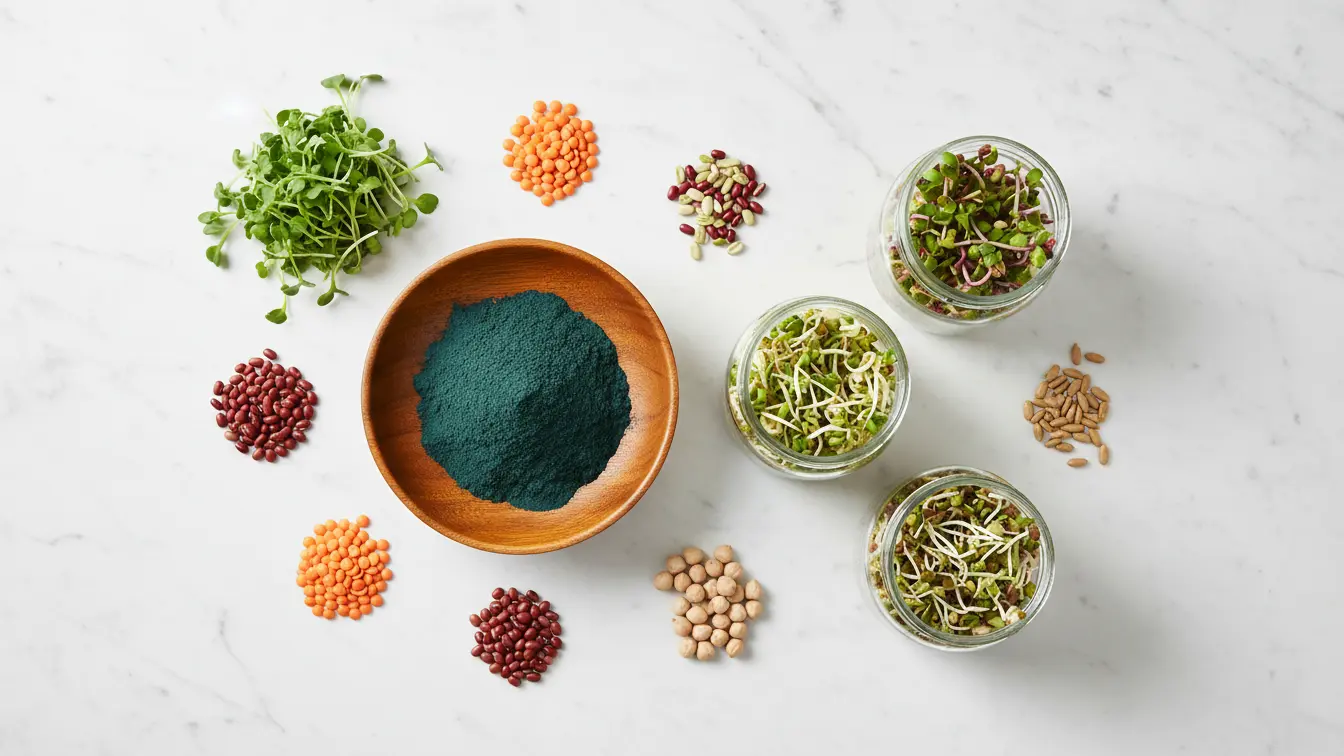
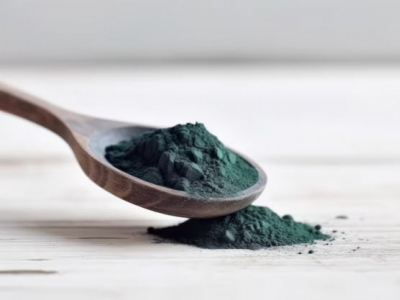
The organic spirulina powder is undoubtedly the most complete superfood to support a transition to a plant-based diet. With 60 to 70% complete proteins, it far surpasses all animal sources.
But that's not all. Spirulina also provides:
- Highly bioavailable iron (the bioavailability of iron from spirulina is comparable to that of iron provided by meat according to our sources)
- Powerful antioxidants, including phycocyanin (5695 mg per 100g of fresh spirulina)
- Essential B group vitamins
- Essential fatty acids
To learn more about the quality of this superfood, I invite you to read our article: Spirulina and microcystins: check the quality !
Sprouted seeds: the ultimate living food
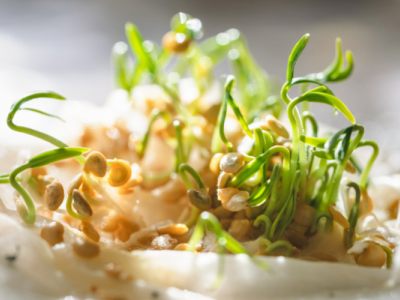
Germination is a truly magical process. By sprouting seeds, you increase their vitamin content by 3 to 10 times, enhance the bioavailability of minerals, and pre-digest proteins and carbohydrates. The sprouted seeds (alfalfa, lentils, mung beans, sunflower) are living foods par excellence.
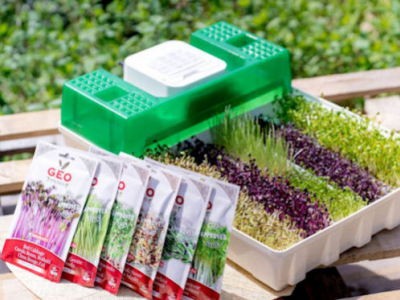
At Biovie, we have been working for years with our supplier Géo Bavicchi, an Italian company founded in 1896, which guarantees a germination rate of over 95%. It is this quality that makes all the difference for successfully growing your sprouted seeds at home.
To discover all the benefits of these little nutritional powerhouses, check out our full article: What are the benefits of sprouted seeds ?
Chlorella: The Detox Ally
The organic chlorella is particularly interesting for supporting the dietary transition. This freshwater microalga helps eliminate toxins thanks to its lysed cell wall and provides a complete nutritional profile: proteins, chlorophyll, vitamins, and minerals.
It is often recommended as a complement to spirulina for optimal synergistic action.
Organic legumes: the foundation of plant-based nutrition
The azuki bean, red lentils, chickpeas... These legumes are the foundation of a balanced plant-based diet. Rich in proteins, fibers, and minerals, they can be cooked in a thousand ways.
Azuki is particularly appreciated in vegetarian and vegan diets because it is very digestible, in addition to being rich in protein. Once sprouted, its taste is similar to that of white beans. You can easily sprout it in a Easygreen sprouter.

Take action: practical first steps, transition
The rule of 2-3 days without meat per week
The transition to a 60-75% plant-based diet does not happen overnight. And that's perfectly fine. A gradual approach is the most sustainable. We have always advocated for discovery, substitution, and joy instead of deprivation and exclusion. Do not remove but include, include, and substitute. The less healthy foods will naturally leave your table in the medium term without you even noticing.
My recommendation: start slowly with just 2-3 days without meat per week. No stress, no deprivation, just an exploration of new flavors and new recipes.
- Monday: A red lentil dhal with coconut milk and spices
- Wednesday: A complete salad with quinoa, chickpeas, crunchy vegetables, and sprouted seeds
- Friday: A Buddha bowl with brown rice, marinated tofu, roasted vegetables, and tahini sauce
In a few weeks, you will have developed a repertoire of delicious plant-based recipes. And naturally, the proportion of plant-based foods in your diet will increase effortlessly.
Everyday protein alternatives
Here is how to practically replace meat in your usual meals:
- Ground beef → Lentil or black bean patties
- Chicken in salads → Roasted chickpeas or crispy tofu
- Bacon bits → Sliced smoked tempeh
- The meat of the Bolognese → Green lentils or textured soy protein
- Shrimps → Shiitake mushrooms or hearts of palm
The idea is not to exactly replicate the taste of meat, but to discover new flavors that are just as satisfying. With Aurélie, we have been exploring these alternatives for years, and honestly, we don't feel like we're missing anything.
Living food: going further
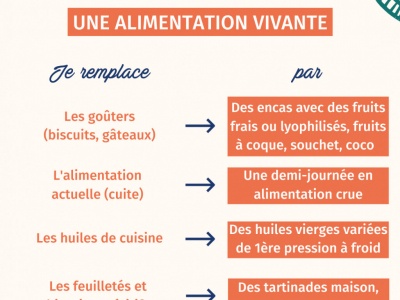
For those who wish to optimize the benefits of this transition, living food represents the next step. The principle is simple: consume a significant portion of raw or minimally processed foods, which retain their enzymes and vitality.
Sprouted seeds are the archetype of living food. By sprouting seeds at home with a sprouter like theEasygreen Sol (manufactured by us in France), you get fresh, ultra-nutritious, and economical food. It's food autonomy at your fingertips.
The main advantage of the Easygreen Sol: no need to pre-soak the seeds, no daily rinsing. You can leave for 3 to 4 days and find your seeds perfectly sprouted upon your return. Additionally, its eco-friendly design with bio-based materials ensures it has a very low environmental impact.
To discover all types of sprouters and choose the one that suits you, check out our complete guide: What is the best sprouter for sprouting seeds ?
Since 2007, at Biovie, we have been supporting this transition towards living food. The current European recommendations confirm what we have advocated from the beginning: the future of our diet is plant-based, living, and flavorful.
Frequently Asked Questions
What amount of plant-based protein do European authorities recommend ?
Netherlands recommends that 60% of daily protein intake should come from plant-based sources (compared to the current 40%). Germany goes further with at least 75% of the diet being plant-based. These recommendations are based on decades of nutritional research and now also incorporate environmental impact. The sprouted seeds and the organic spirulina are excellent sources for achieving these objectives.
What is the maximum amount of red meat recommended per week ?
European recommendations converge towards a maximum of 300-350g of red meat per week. Germany recommends 300g (including fish), Norway 350g, and Belgium 300g. Processed meat (cold cuts) should be almost eliminated according to the Belgian Superior Health Council (30g/week maximum).
Why are European governments recommending eating more plant-based foods ?
For two major reasons: health and the environment. Studies show a reduction of 32 to 44% in cardiovascular diseases with a more plant-based diet. Furthermore, livestock farming accounts for 14.5% of global greenhouse gas emissions according to the FAO, and a beef-based meal emits 19 times more CO2 than a vegan meal.
Is it possible to get enough protein with a plant-based diet ?
Yes, provided that the sources are varied. The combination of legumes and cereals provides all the essential amino acids. ANSES confirms that with up to 50% plant proteins, the balance of amino acids is satisfactory without any particular combination. Sprouted seeds, the spirulina and legumes such as the azuki bean are excellent sources.
What are the risks of deficiencies if one eats less meat ?
The main points of concern primarily involve vitamin B12 (supplementation necessary for 100% plant-based diets), iron (improve absorption with vitamin C), omega-3, and vitamin D. For flexitarian diets (60-75% plant-based), these risks are minimal with a varied diet that includes live foods and superfoods like algae.
What is the flexitarian diet recommended by institutions ?
Flexitarianism is a semi-vegetarian diet that reduces meat consumption without completely eliminating it. European recommendations are similar: eat plant-based most of the time (60-75%) while maintaining small amounts of quality animal products. According to nutritionists, this is the most realistic approach for most people.
Where to start to incorporate more plant-based foods into your diet ?
Start with 2-3 days a week without meat, replacing animal proteins with legumes, sprouted seeds, or superfoods like spirulina. Gradually increase the proportion of plant-based foods in your meals. The organic sprouting seeds and the legumes available in our organic bulk food section allow for the easy preparation of meals rich in bioavailable plant-based proteins.
How to easily germinate your seeds at home ?
The germination of seeds is very simple with the right equipment. A Easygreen automatic sprouter facilitates all the steps: soaking, rinsing, and watering. For beginners, our guide The best seeds for sprouting will help you choose your first varieties.
In summary
Here you go, the official European recommendations are now aligned with what we have been advocating at Biovie for nearly 18 years: plant-based nutrition is not a trend, it is the future of our health and our planet.
What changes today is that it is no longer a debate. The most reputable health authorities in Europe — Germany, the Netherlands, Norway, Belgium — officially recommend that 60 to 75% of our diet be plant-based. The benefits are documented, measured, proven: reduction in cardiovascular diseases, better weight management, protection against certain cancers, and an environmental impact reduced several times over.
The good news is that this transition is accessible to everyone. There's no need to become vegetarian overnight. Start gradually, discover new flavors, explore plant-based proteins. Sprouted seeds, spirulina, and legumes are your allies in this adventure.
Ready to follow European recommendations? Discover our organic sprouting seeds and our organic bulk food products to incorporate more plant-based foods into your diet with living proteins. Since 2007, we have been supporting this transition — and honestly, we have never been more excited to do so.