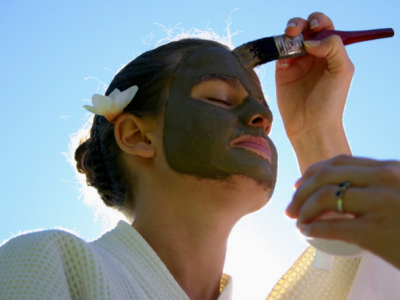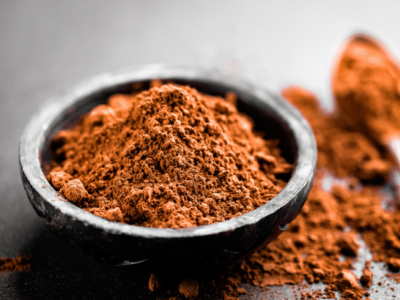




 Combination to oily skin (pimples, eczema) > Montmorillonite clay Sensitive skin > Morélie Clay Skin prone to mild acne > Illite clay Problem-free skin > Rhassoul clay
Making your own: the basic ingredients
Switching to natural cosmetics doesn't mean buying thirty different bottles. Five or six well-chosen raw materials cover most needs, from makeup removal to lip care, and cost noticeably less than the equivalent finished products.
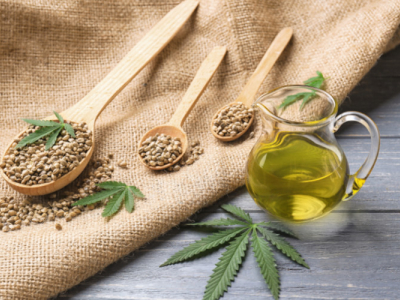
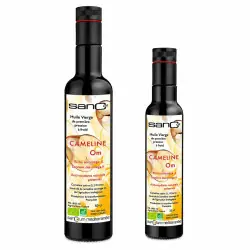
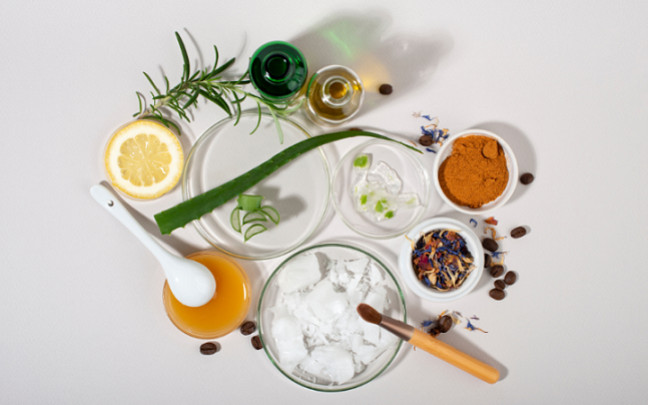
- Virgin vegetable oils form the oily base: jojoba for combination skin, sweet almond for sensitive skin, argan or avocado for dry skin. Store them away from light and heat.
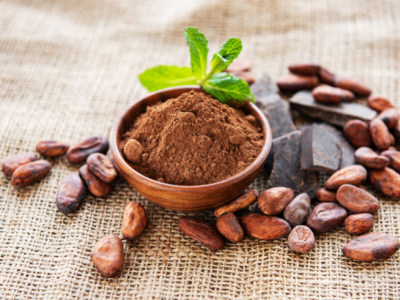
- Vegetable butters - shea, cocoa - provide the consistency: they're what turns an oil into a balm. Raw shea butter remains the most versatile.
- Hydrosols, or floral waters, form the water phase: rose for mature skin, chamomile for reactive skin, witch hazel for oily skin.
- Clays - white, green, pink - for masks, chosen according to skin sensitivity.
- Essential oils remain optional, and staying optional is a good choice when starting out: highly concentrated, they're not recommended for pregnant women and young children, and are never used undiluted on the skin.
Preparation hygiene: the step wrongly skipped
This is the point that separates a successful homemade preparation from one that turns within ten days. A homemade cosmetic contains no preservative: whatever gets into it multiplies in it. Three simple habits, though, rule out most of the risk.
- Sterilise containers: jars and bottles boiled for ten minutes, then fully air-dried. A poorly dried bottle contaminates the preparation before it's even finished.
- Work on a cleaned surface, with utensils wiped with 70° alcohol, and washed hands. Never scoop a balm out with your fingers: use a small spatula, every time.
- Always label and date. A preparation containing water or a hydrosol keeps one to two weeks in the fridge; an all-oil formula - balm, treatment oil - lasts several months at room temperature.
Two preparations to start with
It's worth starting with short formulas that need no special equipment or technique.
The white clay mask
Mix two tablespoons of white clay with a little hydrosol until you get a smooth paste, add half a teaspoon of vegetable oil if your skin feels tight. Apply in a thick layer avoiding the eye area, and rinse off before it dries completely - a clay that cracks on the skin dries it out. Once a week is enough. Prepare it just before use, in a non-metallic bowl.
The cocoa butter lip balm
Melt a teaspoon of cocoa butter and a teaspoon of sweet almond oil in a double boiler, mix, pour into a small pot and let set at room temperature. Two ingredients, five minutes, and a shelf life of several months since there's no water in the formula. This is the recipe that most often wins skeptics over, because the result holds up just as well as the store-bought product.