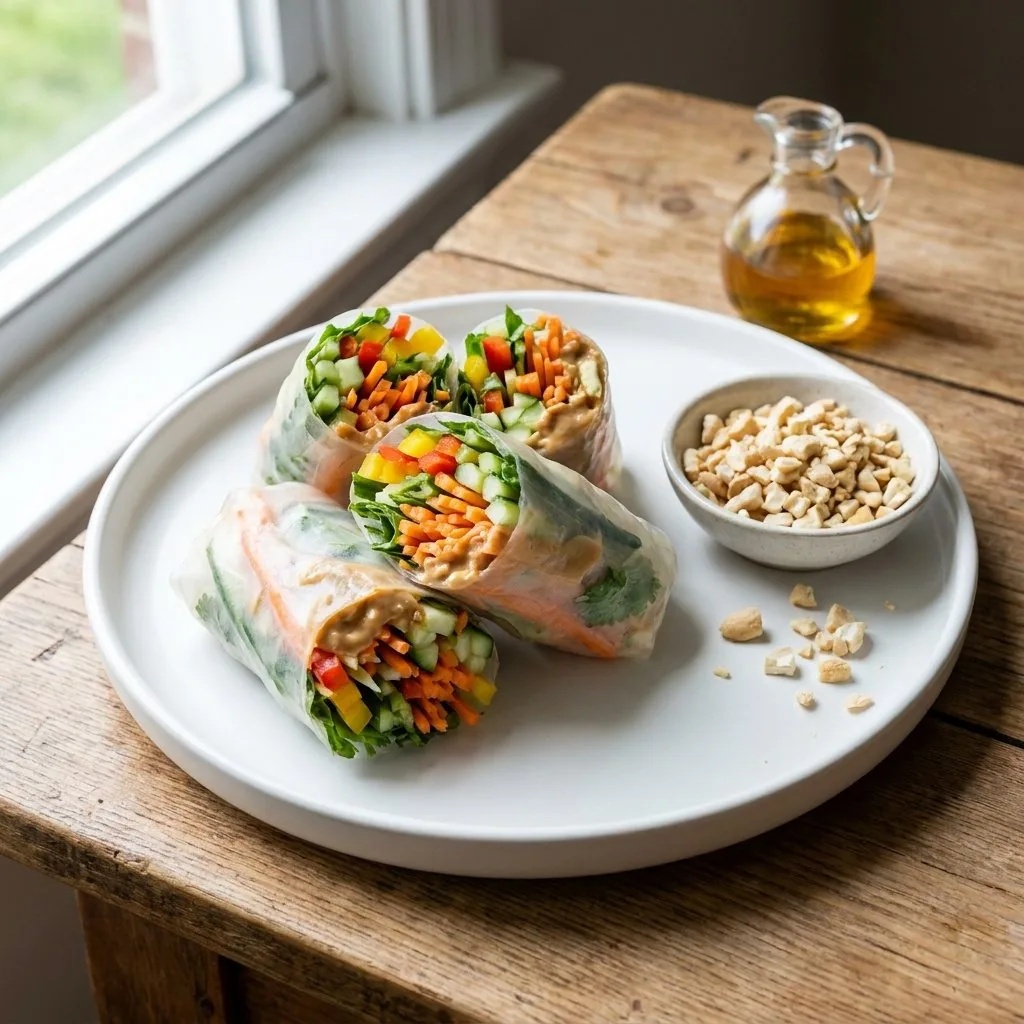
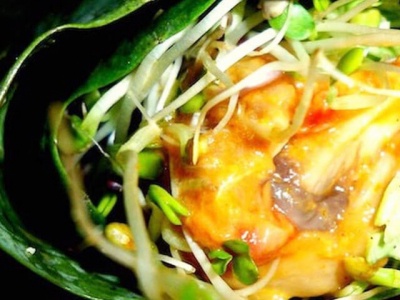
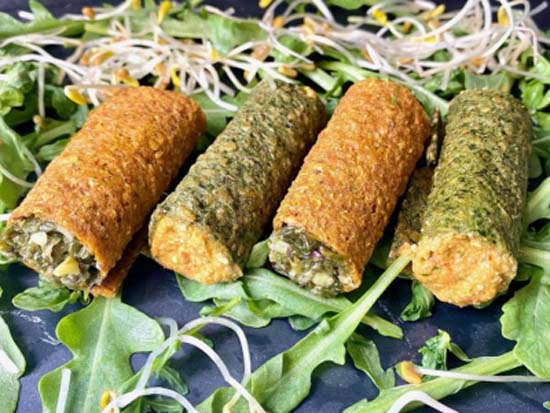
Chard leaves stand in for rice paper in these fresh, generously herbed wraps, built around a spiced almond and cashew filling and a base of shredded cabbage. The heat comes from fresh chilli and ginger rather than any cooking, and a tangy tamarind sauce served on the side balances everything between sweet, sour and spicy.
65 g raw cashew nuts, crushed (or dehydrated if you prefer)
1 tablespoon sesame oil
1/2 teaspoon sea salt
60 ml maple syrup
120 ml lemon juice
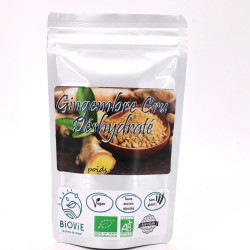
2 tablespoons chopped ginger
1 tablespoon chopped fresh red chilli, with seeds
1½ tablespoons raw tamari (unpasteurised soy sauce)
240 g raw almond butter
1/2 savoy cabbage, shredded
6 very large chard leaves
1 large carrot, cut into sticks
1 large ripe mango, cut lengthways into strips about 0.5 cm thick
200 g bean sprouts (mung bean)
1 handful coriander leaves
1 handful basil leaves, torn
1/2 handful mint leaves, torn if large
Tamarind sauce
240 g tamarind pulp, soaked and strained
3 tablespoons maple syrup
1 tablespoon raw tamari
1 tablespoon extra virgin olive oil
a pinch of sea salt
Method
Mix the cashews with the sesame oil and salt in a small bowl; set aside.
In a high-speed blender, blend the maple syrup, lemon juice, ginger, red chilli and raw tamari until smooth.
Add the almond butter and blend briefly on low speed, just to combine — add a little water if needed to reach a thick, paste-like consistency.
In a mixing bowl, combine the shredded cabbage with the almond mixture and mix thoroughly (hands work best here).
Remove the thick central rib from each chard leaf so that each leaf splits into two halves.
Lay a half-leaf on a chopping board, inner side facing up.
Spread a few tablespoons of the cabbage mixture over the bottom third of the leaf, leaving about 3-4 cm free at the bottom edge.
Scatter a little of the seasoned cashews over the cabbage.
Add a few carrot sticks, two or three strips of mango and a few bean sprouts.
Add a few coriander, basil and mint leaves.
Fold the bottom edge of the leaf over the filling, tuck it in firmly, then roll forward to close.
Place the finished wrap seam-side down on a serving plate; repeat with the remaining leaves and filling.
Serve with the tamarind sauce on the side.
For the sauce: blend the tamarind pulp, maple syrup, raw tamari and olive oil until smooth, then taste and add a pinch of salt if needed. This sauce keeps in the fridge for up to two days, or can be frozen for later.
Note: tamarind pulp usually comes in sun-dried blocks wrapped in cellophane, typically found in Asian, Latin American and Indian grocery stores. As it usually contains seeds, soak a portion in warm water for about 15 minutes, then pass it through a fine sieve over a bowl, discarding the remaining fibres and seeds.
Carrot, cucumber, red cabbage, pepper and sprouted greens are safe bets for their crunch and firmness — the trick is to cut them into thin sticks so they roll easily without tearing the leaf.
How do you keep a vegetable wrap crunchy?
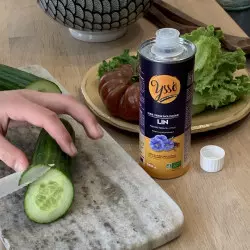
Drain or pat the vegetables dry well after cutting them, especially cucumber, which releases a lot of water — a wrap that's too wet quickly turns soggy and becomes hard to hold.
What can replace rice paper or tortillas in a raw wrap?
A large Chinese cabbage leaf, romaine lettuce leaf, or kale leaf blanched for a few seconds in hot water works well as an entirely raw wrapper, in place of a standard flatbread.