




Honestly, when I discovered the activated charcoal As a child, I initially found it completely crazy. I am of Dutch origin on my mother's side, and in the Netherlands, activated charcoal is found everywhere. Charcoal... for health? It seemed counterintuitive. And yet, after delving into the subject, I realized that it was probably one of the most powerful and underestimated natural tools that exist.
Today, the activated charcoal is part of our basic kit at home, and above all, we take it everywhere when traveling. It's simple, effective, and most importantly: it works. But be careful, as with everything, you need to know how to use it correctly, otherwise you might miss out on its benefits or even create problems for yourself.
In this article, I will concretely explain what activated charcoal is, how it works, why it is so effective, and especially how to use it intelligently in daily life. Whether in charcoal powder, in capsules, or in other forms, I will share with you everything I have learned through experience and research.
What is activated charcoal ?
Here we go, let's start with the basics: the activated charcoal, what exactly is it ?
Activated charcoal (also known as activated charcoal or activated charcoal), is pure carbon that has been transformed through an activation process. Specifically, it starts from a plant material - often wood, shells of coconut, or bamboo - which is heated to a very high temperature (between 800 and 1000°C) in the absence of oxygen. This is called pyrolysis.
But what truly makes this charcoal "active" is a second step: activation. The charcoal is exposed to steam or oxidizing gases at high temperatures. This process literally creates millions of tiny pores on the surface of the charcoal, somewhat like drilling billions of microscopic holes into a block of stone.
The unique structure of activated carbon
What fascinates scientists (and me too when I understood this) is the internal surface area of activated charcoal. A single gram of activated charcoal can have a surface area of 500 to 3000 m²! That's huge. To give you a concrete image: if you took one gram of activated charcoal and spread out all its internal surface, you could cover between half a football field and three entire football fields.
It is this microscopic porous structure that gives activated charcoal its exceptional adsorption properties (and yes, it is indeed "adsorption" with a "d", not "absorption" - I will come back to this).
Where does activated charcoal come from ?
The activated charcoal can be produced from different sources:
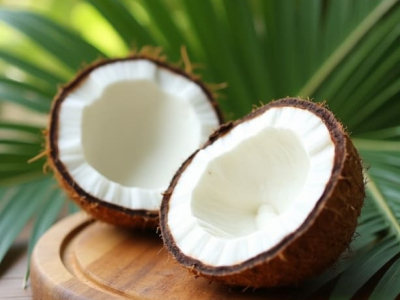
- Coconut shells It is probably the most common and eco-friendly source. The shells are a waste product of the coconut industry, so it's best to give them a second useful life.
- Wood : Primarily willow wood, poplar, or Birch.
- Bamboo : Increasingly used because it is a renewable and fast-growing resource.
- Peat : Less common today.
At Biovie, we prioritize the activated charcoal derived from shells of organic coconut, because it is not only effective but also ethical and sustainable. The quality of the raw material is really important because it directly influences the purity and effectiveness of the final product.
The different forms of activated carbon
The activated charcoal exists in several forms, and each has its advantages depending on the use you want to make of it. Personally, I have tested all these forms, and here is what I think.
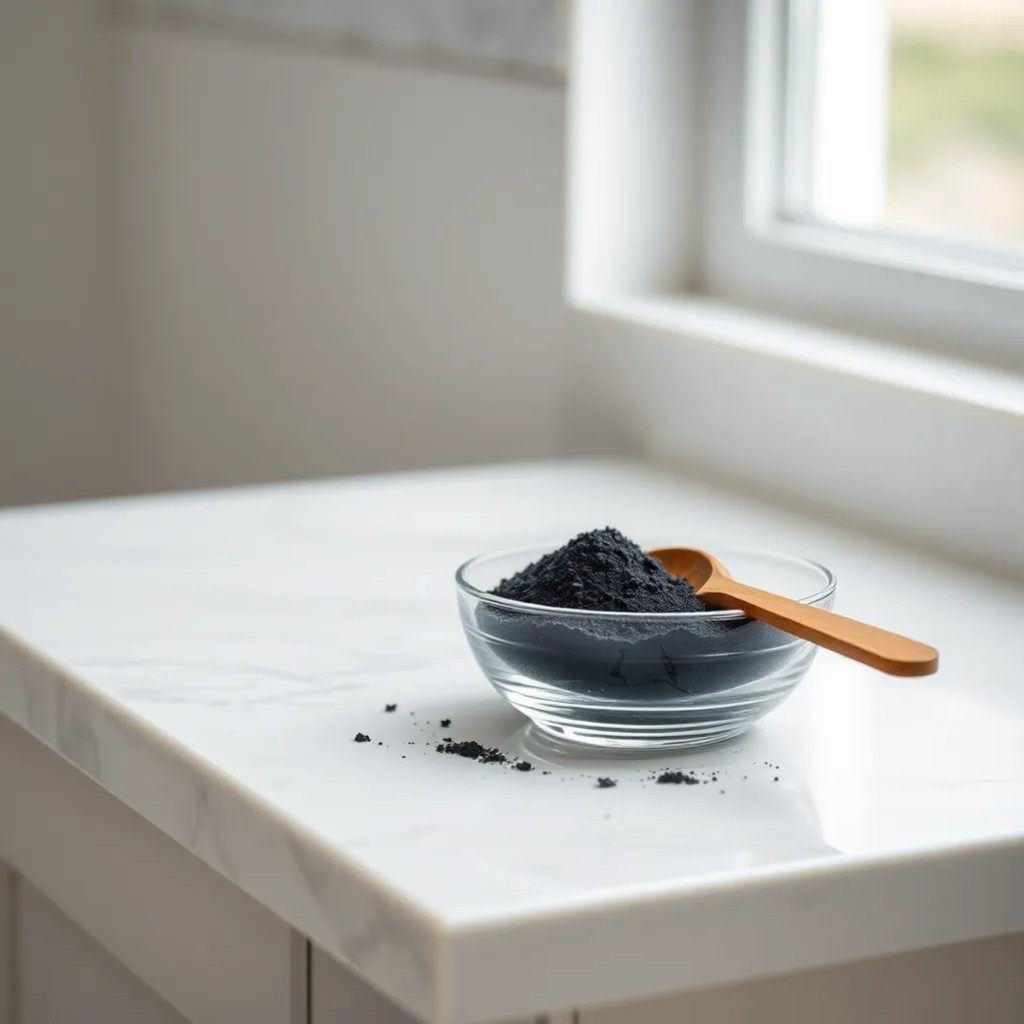
Powdered activated carbon
The charcoal powder is probably the purest and most versatile form. It is finely ground activated charcoal, without additives, without compression agents, nothing. Just pure and porous carbon.
Advantages:
- Very versatile : Usable internally (in water, smoothies) and externally (poultices, masks)
- Quick action : The fine powder disperses quickly and offers a large contact surface.
- Economic : Generally cheaper per gram than capsules
- Adjustable dosage : You control exactly the amount you take
Disadvantages:
- Not practical to carry : Risk of everything turning black in case of a leak
- Neutral taste but unusual texture : Some people do not like the "chalky" sensation in the mouth.
- Messy : Coal stains everything it touches
My usage: This is my favorite way to take it at home. I mix a level teaspoon (about 2-3g) in a large glass of water, shake it well, and drink it quickly. Important: I rinse my mouth and teeth right after because the charcoal can slightly stain the teeth temporarily if left.
Activated charcoal in capsules
The capsules contain charcoal powder enclosed in a plant-based or gelatinous capsule. It is the most convenient form for many people.
Advantages:
- Very practical : No preparation, easy to take anywhere
- Precise dosage : Each capsule contains a fixed dose (usually 200 to 500 mg)
- No taste : The capsule completely masks the charcoal
- Clean : No risk of blackening everything
Disadvantages:
- More expensive : The manufacturing cost of capsules increases the price
- Slightly slower action : The capsule must dissolve before the charcoal takes effect.
- Less versatile : Internal use only
- Possible additives : Some capsules may contain anti-caking agents or other additives.
My usage: I always have a bottle of capsules in my travel kit. It's perfect for trips or when I'm outdoors. I usually take 3 to 4 capsules (about 1 to 2g of charcoal) with a large glass of water.
Granular activated carbon
Pellets are medium-sized grains of activated charcoal (between powder and large pieces). They are mainly used for water filtration.
Advantages:
- Ideal for filtering water : Optimal contact surface for effective filtration
- Reusable : In some filtration systems, they can be "reactivated"
- No dust : Easier to handle than fine powder
Disadvantages:
- Limited use : Primarily for filtration, not really for direct consumption
- Less effective in ingestion : Less contact surface compared to powder
My usage: We use granular activated carbon in our system of water filtration at home. It significantly improves the taste of tap water by eliminating the Chlorine and certain organic compounds.
Activated charcoal in stick or tablet form
These are more recent forms, often marketed as "charcoal sticks" to be placed in a water carafe.
Advantages:
- Aesthetic : Pretty in a glass carafe
- Easy to use : No dosage, just let it soak.
- Reusable : Generally usable for 3 to 6 months
Disadvantages:
- Slow action : The water must be left in contact for several hours.
- Limited effectiveness : Less effective than a real charcoal filter
- High price : Often expensive for what it is
My opinion: It's a nice concept, but honestly, for filtering water, I prefer a real filtration system with granules. And for health/digestive use, powder or capsules are much more effective.

Powdered activated charcoal: uses and benefits
Since this is the form I use most often, I will go into a bit more detail about the charcoal powder and how to use it daily.
Internal use: Digestive comfort
Typical dosage: 1 to 2 level teaspoons (about 2 to 5 grams) in a large glass of water.
When to take it:
- Bloating : 2 hours after the meal that caused the discomfort
- Prevention (travel, dietary changes) : 1 hour before the risky meal
- General discomfort : In the evening at bedtime (away from any meals and medication)
If you suffer from chronic bloating rather than occasional bloating, discover 10 additional ways to achieve a calm stomach.
How to take it:
- Pour the charcoal powder in a glass
- Add lukewarm or room temperature water (not hot)
- Mix well with a spoon or shake in a closed shaker.
- Drink quickly (the powder settles to the bottom quickly)
- Rinse your mouth with water
- Drink another large glass of water within the next half hour.
Pro tip: I use a small plastic shaker with an airtight lid. I put in the charcoal and water, shake it hard, open it, and drink it in one go. It's much more effective than mixing with a spoon, where lumps always remain at the bottom.
External use: Skincare
Aurélie regularly uses the charcoal powder for some masks purifying. Here is its basic recipe:
Purifying mask with activated charcoal:
- 1 teaspoon of activated charcoal powder
- 1 teaspoon ofgreen clay (or white for sensitive skin)
- 1 teaspoon of rose water or hydrosol
- A few drops of vegetable oil (jojoba or hazelnut)
She mixes all of this in a glass bowl (never metal with charcoal), applies it to the face avoiding the eye area, leaves it on for 10-15 minutes, then rinses thoroughly with lukewarm water. Once or twice a week maximum.
Result: The skin is purified, the pores are tightened, and the complexion is clearer. However, be careful not to leave it on for too long (it dries out) and make sure to hydrate well afterward.
Specific precautions for powder
- Never inhale the powder : The particles are fine and can irritate the respiratory tract. Always handle it with care.
- Protect your surfaces : Coal stains everything (clothes, countertops, sinks). Work on a protected surface and clean up spills immediately.
- Keep dry Humidity can degrade charcoal. Keep the container tightly closed in a dry place.
- No prolonged contact with the teeth : Even though some charcoal toothpastes exist, avoid leaving the pure powder in contact with your teeth for too long (risk of abrasion).
Activated charcoal for consumption: benefits and precautions
When we talk about Activated charcoal for food use, we are talking about pharmaceutical or food-grade charcoal, meaning it is pure enough to be safely ingested.
What defines a "food-grade" charcoal ?
For activated charcoal to be considered food-grade, it must meet certain purity criteria:
- Absence of heavy metals : Lead, mercury, arsenic, cadmium in detectable quantities
- Absence of PAH (Polycyclic aromatic hydrocarbons): These carcinogenic compounds can form during carbonization if the process is not well controlled.
- Low ash content : Maximum 5% (the "ash" refers to the residual mineral impurities)
- Neutral pH : Between 6 and 8
- Certified plant-based origin : Preferably organic and pesticide-free
Important: Never confuse food-grade activated charcoal with:
- Barbecue charcoal (toxic!)
- Industrial activated carbon (for air filtration or industrial purification)
- Charcoal briquettes (contain binders and additives)
Only the activated charcoal Specifically labeled "food-grade," "pharmaceutical," or "USP" (United States Pharmacopeia) can be ingested.
Benefits of activated charcoal for digestive health
Here are the benefits I have personally observed and that are supported by scientific research:
1. Relief from bloating and intestinal gas
It is probably the most common and effective use of the activated charcoal. When you have bloating or gas, it is generally due to:
- The fermentation of certain foods (fibers, sugars) by intestinal bacteria
- Air ingestion during meals
- A slow or incomplete digestion
Charcoal will adsorb some of these gases (methane, hydrogen sulfide, CO2) and prevent them from creating that bloated feeling. The effect is generally felt within 2 to 4 hours after ingestion.
2. Reducing discomfort after a heavy meal
After a too rich meal (holidays, restaurants), the activated charcoal can help relieve the sensation of "overfullness" and digestive heaviness. It will adsorb certain compounds resulting from digestion that can cause discomfort.
My experience: When I know I'm going to have a heavy meal (like a family meal or a gourmet restaurant), I sometimes take 2-3 charcoal capsules 2 hours after the meal, before going to bed. It often prevents me from waking up with that "food hangover" feeling the next morning.
3. Occasional support for mild digestive issues
While traveling, when you change your diet, water, and routine, the digestive system can be disrupted. The activated charcoal can help manage these minor inconveniences by adsorbing certain bacterial toxins or irritating substances.
Attention: Activated charcoal is not not a treatment for serious digestive infections (viral gastroenteritis, bacterial food poisoning). In these cases, consult a doctor. Charcoal can relieve some symptoms, but it does not "cure" anything.
4. Adsorption of certain toxins and contaminants
The activated charcoal can theoretically adsorb:
- Some pesticide residues
- Bacterial toxins (not the bacteria themselves)
- Of food additives (colorants, preservatives)
- Certain heavy metals (but in a limited manner)
Realism: Honestly, the "general detox" effect of activated charcoal is often exaggerated in marketing. Yes, it can adsorb certain undesirable substances, but your body already has highly efficient detoxification systems (liver, kidneys, intestines) that do this work 24/7. Charcoal is a punctual complement, not a magical detox system.
Limits and reality of the benefits
Let's be clear about what the activated charcoal does not do not :
- It does not "deep clean" your body. : It acts only in the digestive tract during the time it transits there. Once it is expelled (in the stool), it's over.
- He does not address the causes of digestive problems. If you have chronic bloating, it is probably due to dysbiosis, food intolerances, an enzyme deficiency, or something else. Charcoal will temporarily relieve the symptoms, but it does not solve the underlying problem.
- It does not improve your microbiota. : On the contrary, excessive use could potentially disrupt the balance of your gut flora.
- It does not make you lose weight. Sorry, but no. No serious study shows any effect of activated charcoal on weight loss.
- It does not replace a healthy diet. : If you eat anything and rely on charcoal to "clean" afterwards, it won't work.
Uses of activated charcoal
Beyond its digestive use, the activated charcoal has many practical applications. Here are the ones I have tested or find relevant.
1. Water filtration
It is one of the main uses of activated charcoal on an industrial and domestic scale.
How it works: The water passes through a bed of activated carbon (powder or granules), which adsorbs:
- Chlorine and its derivatives (chloramines)
- Volatile organic compounds (VOCs)
- Some pesticides and herbicides
- Bad tastes and odors
- Certain heavy metals (copper, lead) in limited quantities
My setup: At home, we have a filtration system with granular activated carbon for tap water. It drastically improves the taste of the water (no more chlorine taste) and we feel more at ease regarding quality. We change the filter approximately every 6 months.
Attention: Activated charcoal does not filter not minerals (so no demineralization), viruses, or bacteria (for that, you need a UV filter or a 0.2-micron filter). It is primarily a chemical filter, not a biological one.
2. Air purification
Air purifiers often contain an activated carbon filter to capture:
- Volatile organic compounds (VOCs): Formaldehyde, benzene, toluene...
- Smells: Cooking, animals, smoke...
- Some irritating gases
Limit: Unlike HEPA filters, which capture particles (dust, pollen, fine particles PM2.5), activated carbon only filters gases and odors. The two types of filters are complementary.
3. Dental care
It has become very trendy: activated charcoal toothpastes, charcoal powders for whitening teeth...
My nuanced opinion:
- For fresh breath : Yes, charcoal can adsorb certain compounds responsible for bad breath. Temporary but real effect.
- To whiten teeth The "whitening" effect mainly comes from mechanical abrasion (charcoal is slightly abrasive). It can remove surface stains, but it does not change the natural color of the tooth. And be careful of excessive abrasion of the enamel if used too frequently.
My practice: Aurélie uses a charcoal toothpaste 2-3 times a week at most, alternating with her regular toothpaste. Not every day. And she is careful not to brush too hard.
4. Emergency treatment of poisoning (medical use)
It is the historical and medical use of the activated charcoal. In the emergency room, in case of toxic ingestion (medications, chemicals, poisonous plants), a very high dose of activated charcoal (50 to 100 grams) is administered to adsorb the toxin before it is absorbed by the body.
Conditions:
- Effective only in the first few hours after ingestion (ideally within the hour)
- Does not work for all toxins (alcohol, metals, lithium, cyanide, strong acids/bases...)
- Requires medical supervision (risk of bronchial inhalation if vomiting)
Important: Never self-medicate in case of poisoning. Call 15 or the poison control center. Only a doctor can decide if activated charcoal is appropriate or not depending on the substance ingested.
5. Skincare and cosmetics
We have already mentioned it, but the activated charcoal is used in:
- Purifying masks : To absorb excess sebum, unclog the pores
- Soaps : Cleansing and purifying effect
- Scrubs : Gentle exfoliating action
Results: Real purifying and mattifying effect, especially for combination to oily skin. However, be careful not to over-strip the skin (risk of rebound effect with overproduction of sebum).
6. Odor elimination
Activated charcoal is highly effective at absorbing odors. Practical uses:
- Refrigerator : A small bowl of activated charcoal in the fridge absorbs cooking odors.
- Cupboards and wardrobes : Small charcoal bags to maintain a neutral odor
- Shoes : Charcoal bags to absorb moisture and odors
- Bathroom : In the toilets or trash cans
Tip: You can "regenerate" the charcoal used for odors by placing it in the sun for a few hours (this helps to release some of the adsorbed molecules). However, for food use, never reuse charcoal that has been used for something else.
How to choose your activated charcoal ?
All the activated charcoal are not equal. Here are the criteria to check for choosing a quality product.
1. Origin and raw material
Favor:
- Organic coconut shells : It is the purest, most ecological, and efficient source
- Bamboo : Good alternative, renewable resource
- Quality wood (willow, poplar): Acceptable if the source is certified
Avoid:
- Coal of unspecified origin
- Peat coal (less environmentally friendly)
- Chemically activated charcoal (prefer steam activation)
Organic label: For food use, look for charcoal made from certified organic raw materials. This ensures the absence of pesticides, herbicides, and other chemical contaminants.
2. Activation method
There are two main methods for activating charcoal:
Physical activation (with steam):
- More natural process
- No use of chemicals
- Better purity of the final product
- This is what I recommend for food use.
Chemical activation (phosphoric acid, zinc chloride...) :
- Faster and less expensive
- Risk of chemical residues if rinsing is not thorough
- Acceptable for technical uses (filtration), but less recommended for ingestion.
Check: On the label or product sheet, look for the mention "steam activated" or "physical activation".
3. Specific surface area and adsorption capacity
The quality of the activated charcoal is measured by its specific surface area (in m²/g) and its adsorption capacity.
Quality indicators:
- Specific surface area : Minimum 500 m²/g, ideally 1000 to 1500 m²/g (sometimes up to 3000 m²/g for ultra-activated charcoals)
- Iodine index : Measurement of adsorption capacity. A good charcoal has an index > 800 mg/g (the higher, the better)
This information is not always indicated on consumer packaging, but reputable manufacturers should be able to provide it upon request or on their website.
4. Purity and Certifications
Search:
- "Food" or "pharmaceutical" certification (mandatory mention)
- USP Standard (United States Pharmacopeia) or BP (British Pharmacopoeia): Strict pharmaceutical standards
- Heavy metal analysis available : Serious manufacturers have their batches tested
- Low ash content : < 5% (purity indicator)
- Organic certification (AB, Ecocert, EU Organic...) for the raw material
Beware:
- Products without any certification
- Abnormally low prices (this can mean poor quality)
- Health claims too good to be true ("cleanses the whole body," "makes you lose weight," etc.)
5. Form and packaging
For internal use (digestive):
- Powder : If you like versatility and the best value for money
- Capsules : If you prioritize practicality and discretion
Check:
- Expiration date (charcoal keeps well, but check anyway)
- Hermetic packaging (the charcoal must not be exposed to moisture)
- Clear notice with dosage and contraindications
6. Manufacturer and traceability
Favor:
- European or French manufacturers (stricter standards)
- Brands specializing in natural supplements or phytotherapy
- Companies transparent about their sources and processes
7. Indicative prices
To give you an idea (prices observed in 2024-2025 in France):
- Powder : €15 to €30 for 100-200g of food-grade charcoal
- Capsules : €10 to €25 for a jar of 60 to 120 capsules
Very low prices (< €10 for 100g) should alert you to potentially poor quality. Very high prices (> €40 for 100g) are not necessarily justified, unless it is ultra-activated charcoal (>2000 m²/g) or a very niche product.

Contraindications and precautions
Here we are at the most important part: the precautions for use. Because yes, even if it's natural, the activated charcoal is not without risks if used carelessly.
Drug Interactions: Enemy Number 1
This is THE crucial point to remember: Activated charcoal can reduce the effectiveness of many medications..
Why? Because it does not differentiate between a "toxin" and a medication. If you take charcoal too close to a medication, it will adsorb part of the medication in your digestive tract before it is absorbed by your body. Result: the medication does not work (or works less effectively).
Medications particularly concerned:
- Contraceptive pill : It is critical. Charcoal can reduce the absorption of the pill and therefore its effectiveness. Use backup contraception if you are taking activated charcoal.
- Antibiotics : Coal can reduce their efficiency
- Antidepressants and anxiolytics
- Thyroid medications (levothyroxine)
- Heart medications (digitalis, beta-blockers)
- Anticoagulants (warfarin)
- Diabetes medications
- And practically all other oral medications...
Golden rule: If you are taking medication, take the activated charcoal at least 2 to 3 hours before or after the intake of the medication. Ideally, 4 hours. And in any case, talk to your doctor or pharmacist.
Interaction with nutrients
Activated charcoal does not only adsorb "bad" things. It can also trap nutrients: vitamins, minerals, essential fatty acids...
Golden rule number 2: Do not take never activated charcoal:
- During a meal
- Just after a meal
- At the same time as dietary supplements
Always wait at least 2 hours after eating or taking supplements. Ideally, take the charcoal in the morning on an empty stomach or in the evening at bedtime (if you have an early dinner).
Prolonged use: To be avoided
The activated charcoal is not meant to be taken every day in the long term. Why ?
- Risk of deficiency : If you take it daily, you risk gradually reducing the absorption of your dietary nutrients, even if you adhere to the timelines.
- Microbiota disturbance : Charcoal could potentially adsorb beneficial bacteria from your gut flora.
- Digestive habituation : Your digestive system could become "lazy" if you use it as a permanent crutch.
My recommendation: Use activated charcoal in a manner punctual, in short treatments (a few days at most) or occasionally (2-3 times a week at most). It is not a supplement to be taken long-term.
Constipation
It is a common side effect: the activated charcoal can slow down intestinal transit and cause constipation, especially if you do not drink enough water with it.
Solution: Drink plenty of water when you take charcoal (at least 2 large glasses), and continue to stay well-hydrated in the hours that follow.
If you are already prone to constipation, be cautious with activated charcoal and use it sparingly.
Black stools
Don't worry: the activated charcoal will color your stools black. It is completely normal and harmless. It can be surprising the first time, but it's just the charcoal passing through and coming out.
Absolute contraindications
Do not take never activated charcoal if you are in one of these cases:
- Intestinal obstruction or suspicion of occlusion
- Peritonitis or digestive perforation
- Pregnancy and breastfeeding : As a precaution, avoid (not enough studies on safety)
- Under 12 years old : Unless medically advised
- History of recent digestive surgery
Use in case of poisoning: Medical emergency
If you or someone around you has ingested a toxic substance, call 15 or the poison control center immediately. Do not give never activated charcoal without a doctor's advice in case of poisoning.
Why? Because:
- Some poisonings require specific treatment, not charcoal.
- Timing is crucial (charcoal is only effective in the first few hours).
- Certain substances (acids, bases, alcohol, cyanide) are not adsorbed by charcoal.
- There may be contraindications depending on the substance ingested.
Activated charcoal used in medical emergencies is administered in massive doses (50 to 100 grams) under medical supervision. It is not not self-medication.
FAQ: Your questions about activated charcoal
Does activated charcoal make you lose weight ?
No. Honestly, if that were the case, it would be well-known and everyone would be taking it. The activated charcoal has no proven effect on weight loss. It may potentially reduce bloating (which can give the impression of a flatter stomach), but it has nothing to do with fat loss.
If you are looking to lose weight, focus on diet, physical activity, and sleep. Charcoal will not help you.
Does activated charcoal detoxify the body ?
It's a trick question. The word "detoxify" is often used indiscriminately in marketing.
The truth: Your body already has a highly efficient detoxification system: the liver, kidneys, lungs, skin, lymphatic system... These organs work 24/7 to eliminate metabolic waste and toxins.
The activated charcoal does not "detoxify" your body globally. It acts locally, in your digestive tract, by adsorbing certain substances present at that moment. Once the charcoal has exited your body (in the stool), that's it. It has not "cleansed" your liver, your blood, your kidneys, or anything else.
So: Charcoal can occasionally help adsorb certain undesirable substances in the digestive tract, but it does not replace the natural work of your elimination organs.
Can activated charcoal be taken every day ?
No, it is not recommended. As explained above, prolonged daily use can lead to nutritional deficiencies and disrupt the gut microbiota.
The activated charcoal is a one-time tool, not a daily supplement. Use it when you need it (digestive discomfort, occasional bloating), but not as a permanent routine.
Activated charcoal and gut microbiota: is there a risk ?
It's a good question, and I agree with you, we still lack precise studies on this point. Theoretically, the activated charcoal could adsorb certain intestinal bacteria, both good and bad.
My opinion: If you take charcoal occasionally (a few times a month), the risk to your microbiota is probably minimal. Your gut bacteria are constantly renewing themselves. However, prolonged daily use could pose a problem.
Common sense: If you regularly take activated charcoal, consider consuming fermented foods (kefir, sauerkraut, kimchi, miso...) or probiotics from time to time to support your gut flora.
Is activated charcoal effective against pesticides and heavy metals ?
Pesticides: Yes, to a certain extent. The activated charcoal can adsorb certain organic pesticide residues present in the digestive tract. But be careful: this does not mean that it "cleans" your body of pesticides already absorbed and stored in your tissues. It only acts on what is passing through your intestines at the time you take it.
Heavy metals: It's more complicated. Activated charcoal is not very effective at adsorbing heavy metals like lead, mercury, or cadmium. There are other substances (such as certain algae, like chlorella, or medical chelators) that are much more effective for this purpose.
If you are exposed to heavy metals, consult a specialized healthcare professional. Activated charcoal will not be sufficient.
Activated charcoal and alcohol: does it work ?
Unfortunately not. It's a common misconception, but the activated charcoal does not adsorb alcohol (ethanol). The ethanol molecule is too small and too polar to be effectively trapped by charcoal.
So if you have drunk too much, charcoal will not prevent you from getting drunk and will not prevent a hangover. However, it may potentially help adsorb certain congeners (fermentation by-products present in alcohol) that contribute to the next day's headaches. But the effect will be marginal.
The real solution against a hangover: Drink in moderation, alternate with water, and get good sleep.
Can activated charcoal be used during pregnancy or breastfeeding ?
As a precaution, no. There are not enough studies on the safety of activated charcoal during pregnancy and breastfeeding. As it could potentially reduce the absorption of essential nutrients for the baby, it is better to avoid it.
If you are pregnant or breastfeeding and have a digestive problem, consult your doctor or midwife rather than self-medicating.
Does charcoal cleanse the intestines ?
Activated charcoal helps purify the digestive system by absorbing certain intestinal toxins, gases, and fermentation residues. However, it does not "cleanse" the intestines in the medical sense of the term. Its action is limited to the contents present in the digestive tract during its transit (about 4 to 12 hours). For a more complete and thorough intestinal detoxification than activated charcoal alone, Discover the ZenCleanz ONE kit and its 6 days of guided purification..
How long does activated charcoal take to work ?
The initial benefits can be felt as early as the first hour after intake, particularly for the absorption of intestinal gases. However, the full action extends over 4 to 12 hours, as the charcoal passes through the entire digestive tract and exerts its adsorption effect. For optimal detoxification, it is recommended to maintain significant hydration during this period.
Is activated charcoal a natural detoxifier ?
Yes, activated charcoal is recognized as a natural detoxifier by the World Health Organization and is used in hospitals for certain types of poisoning. It can capture bacterial toxins, certain heavy metals, pesticides, and drug residues present in the intestine. However, its action is limited to the digestive tract and does not involve deep cellular or liver detoxification. To understand why intestinal detoxification is important, Discover what mucoid plaque is and how it impacts your health..
When not to take activated charcoal ?
Avoid activated charcoal during pregnancy without medical advice, in children under 12 years old, in cases of intestinal obstruction, digestive bleeding, or if you are taking medications (must be spaced 2-3 hours apart, especially with oral contraception). It is also not recommended for prolonged use without medical supervision and in individuals suffering from severe chronic constipation.
Conclusion: Activated charcoal, a powerful tool but to be used with discernment
Here we are, reaching the end of this comprehensive guide on the activated charcoal. I hope this article has helped you better understand what this product really is, how it works, and especially how to use it intelligently.
What to remember:
- Activated charcoal is a powerful adsorbent. Thanks to its unique porous structure, but it is not a miracle product.
- He can help occasionally. For digestive comfort, in case of bloating or discomfort after a heavy meal, but it is not a permanent solution.
- Drug interactions are real and important. Always maintain a 2 to 4-hour interval with medications, and discuss it with your doctor or pharmacist.
- An occasional use, not daily. Activated charcoal is not a supplement to be taken every day in the long term. It is an emergency or supplementary tool.
- Prioritize quality: A Activated charcoal for food use of good quality (preferably made from organic coconut shells, steam-activated) will make all the difference.
- Essential hydration: Always drink plenty of water when you take charcoal to avoid constipation.
My personal use (summary)
At our place, the activated charcoal is part of the basic kit, but we don't use it every day. Here are our typical use cases:
- Occasional digestive discomfort : 1 teaspoon of powder in a large glass of water, 2-3 hours after the meal
- Travel to high-risk countries : Charcoal capsules in the travel kit, as a preventive measure or in case of need
- After a very hearty meal (parties, restaurants): A dose of charcoal in the evening before going to bed
- Tap water filtration : Permanent home system to improve the taste and quality of water
Aurélie also uses the charcoal powder for purifying face masks from time to time.
The limitations of activated charcoal
Let's be clear about what activated charcoal does NOT do:
- It does not "detoxify" your body in a global manner.
- It does not replace a healthy and balanced diet.
- It does not compensate for an unbalanced lifestyle.
- It does not make you lose weight.
- He does not treat diseases.
Activated charcoal is a punctual complement, not a long-term solution. If you have chronic digestive issues, food intolerances, or other health concerns, consult a competent healthcare professional. Charcoal may occasionally relieve symptoms, but it will not address the underlying cause.
To deepen your understanding of the crucial role of enzymes in digestion and metabolism, and to discover a complementary approach to activated charcoal, Check out our comprehensive guide on enzymes, these essential metabolic auxiliaries..
To go further
If you found this article interesting and want to delve deeper into the topic of digestive health and living foods, here are some additional resources I recommend:
- If you wish to explore other natural methods of intestinal cleansing beyond activated charcoal, Discover our comprehensive comparison of 8 natural approaches.
- For a more holistic approach to your digestive health, Discover practical and holistic tips to sustainably improve your digestion on a daily basis.
And as always, if you have any questions, feedback, or suggestions, feel free to share them on the forum. I love interacting with you and learning from your experiences.
See you soon on Biovie !
Eric
A varied and balanced diet and a healthy lifestyle are important for maintaining good overall health.


How does activated charcoal work ?
Well, now that we know what it is, the logical question is: how does it work? Because honestly, the first time someone explained to me that charcoal could "clean" my digestive system, I was skeptical.
The principle of adsorption (with a D)
Activated charcoal works through a process called Adsorption (attention, it is indeed a "d", not a "b"). The difference is important:
The activated charcoal It works by adsorption. Thanks to its millions of micro-pores, it has an enormous contact surface that attracts and traps unwanted molecules like a magnet.
To better understand the natural detoxification mechanisms of your body, discover how your emunctories work, these natural elimination organs.
What substances can activated charcoal trap ?
Activated charcoal is particularly effective at adsorbing:
On the other hand - and this is super important - the activated charcoal cannot trap everything. It is not effective against alcohol, electrolytes (sodium, potassium), alkali metals (lithium for example), iron, or strong acids/bases. It is important to know this to avoid false expectations.
The selectivity of activated carbon
Here's something that took me a while to understand: activated charcoal is not "intelligent," but it does have a certain selectivity. It will preferentially adsorb molecules:
That's why it works well against many organic toxins and drugs, which often have these characteristics. However, it will be less effective against very polar substances (like electrolytes) or very small ones.