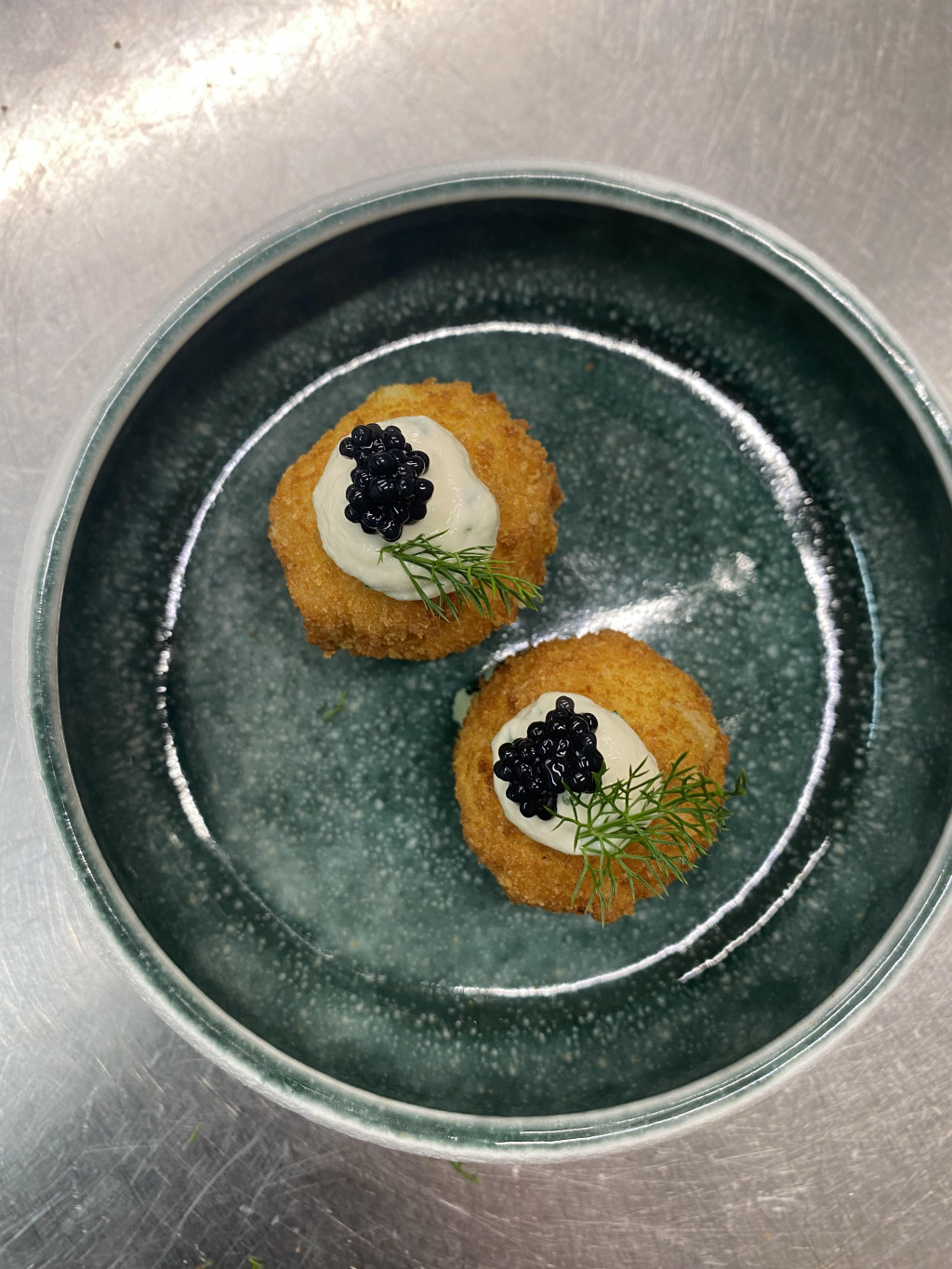
Imagine a golden, crispy ball that bursts under the tooth and releases a creamy heart of lemony potatoes dressed with a perfectly iodized Breton seaweed tartare. Here is the promise of this Recipe for seaweed cromesquis, co-signed by the plant-based chefs Angélique Henzel and Pauline Steiner. A homemade 100% vegan cromesquis recipe, gourmet, perfect for a refined appetizer, a festive starter, or a signature dish. Inspired by the explorations gathered in Seaweed in Everyday Life, co-signed by Eric Viard, it reconciles French technique and marine richness in a single bite.
The cromesquis, a croquette of Polish origin that has become a star on gastronomic tables
The Cromesquis (pronounced "chromeski") is a small croquette of Polish origin adoption by classic French cuisine in the 19th century, and then brought back into vogue by contemporary gastronomy. What distinguishes the cromesquis from a simple croquette is its spherical bite-sized format and, above all, its molten or fondant heart which is revealed at the first cut. Once filled with béchamel, ham, or cheese, it has been reinterpreted by Michelin-starred chefs in a refined version: heart of foie gras, porcini mushrooms, truffle... and today, in our marine latitudes, with seaweed tartare.
Overview in the brigades of Top Chef As in the Meilleur Ouvrier de France, the cromesquis has become the ideal format to showcase a signature garnish in a small, golden, elegant, and gourmet sphere. This Gourmet Cromesquis Recipe fully aligns with this tradition by replacing the animal stuffing with a plant-based marine tartare.
Why marry cromesquis, potatoes, and seaweed?
Seaweed, an umami condiment that enhances the potato
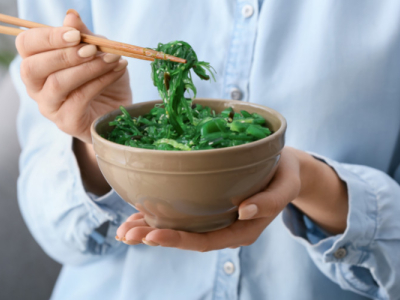
The edible seaweed - sea lettuce, dulse, nori - bring umami, that fifth flavor naturally present in foods rich in free glutamates. They dress the potato with a saline, iodized, mineral depth that no other plant-based condiment can provide. To delve deeper into this topic, our Complete guide to edible seaweeds Detail each species, its taste, and its culinary use.
The potato, an ideal neutral base to carry marine power
The boiled potato has a mild, slightly sweet, perfectly neutral profile: it serves as a blank canvas on which the seaweed can fully express itself, without aromatic competition. Its melting texture, once mashed, creates the perfect contrast with the breaded crust. Firm-fleshed varieties (Charlotte, Amandine, Roseval) are preferred to hold their shape during preparation.
The lemon, the touch of acidity that balances the iodine
A trait of fresh lemon juice (and ideally a bit of zest) cuts through the oil's richness, rounds out the iodine of the seaweed, and enlivens the puree. It's the detail that elevates the recipe from "pleasant" to "gourmet."
Nutritional value: what this recipe brings to your plate
Iodine and trace elements from seaweeds (sea lettuce, dulse, nori)
According to the data from the Ciqual table of ANSES, Dehydrated seaweeds are among the most nutrient-dense foods. Trace elements : iron, iodine, magnesium, calcium, potassium. As an illustration, 10 g of dried nori cover about 155% of the daily reference intake for iodine. in adults, according to data from the NIH Iodine Fact Sheet. Algae are also a source of non-heme iron : dried sea lettuce can contain up to 80 mg per 100 g - see our article on the plant-based iron from algae and spirulina. They are, finally, a source of plant proteins complete: nori contains nearly 40% protein by dry weight, as detailed in our analysis on nori and plant proteins.
A 100% vegan recipe, a source of natural vitamin B12 through nori
A study published in 2024 in Frontiers in Nutrition confirms that certain varieties of nori bring some bioactive vitamin B12, a major issue for vegan diets. We have synthesized the results in our article. Vitamin B12 and nori: 2024 study. A broader review published on PubMed Central Recall the nutritional benefits - and the precautions - associated with the consumption of edible seaweed.
Far from clichés, the boiled potato remains an interesting food: about 77 kcal per 100 g, 17 g of complex carbohydrates, 2 g of protein, 328 mg of potassium, and 2.2 mg of vitamin C (Ciqual data). When combined with seaweed, it becomes a nutritionally dense and sustainable base - confirming that this recipe contributes to a varied and balanced diet.
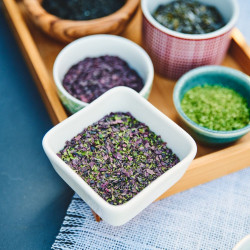
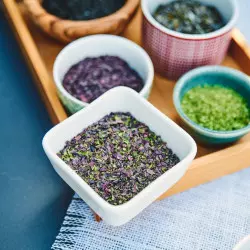
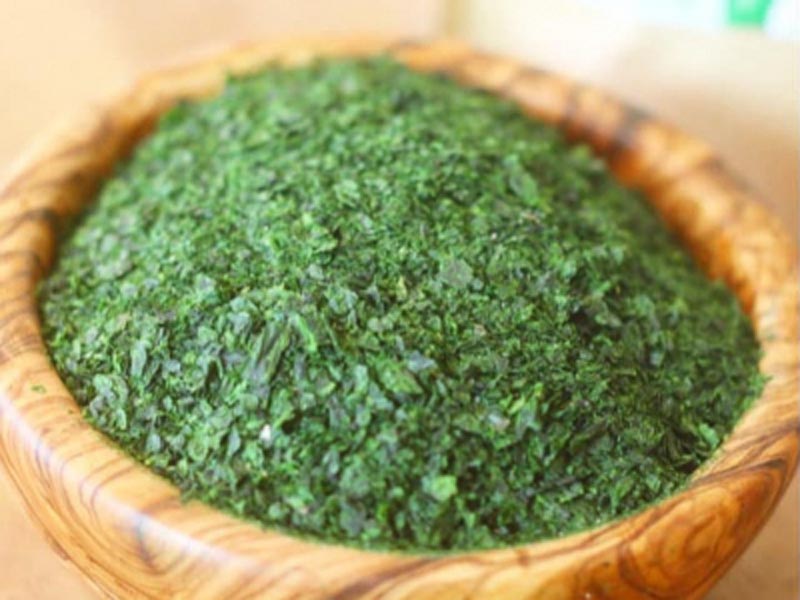
A signature Biovie blend of three moderately iodized Breton seaweeds, dried at low temperature to preserve vitamins and enzymes. Ideal for tartare, sauces, and vegetable fillings.
Step-by-step preparation
1. Prepare the lemon mashed potatoes
Peel and cut the potatoes into even cubes. Cook them for 15 to 20 minutes in boiling salted water (in water, not steamed, for a lighter texture) until they are tender when pierced with a knife. Drain, then mash with a potato masher (not a blender, which would make the mash elastic). Add the soy cream, olive oil, lemon juice and zest, seaweed salt, and pepper. The texture should be firm, almost a bit dry - this is essential for shaping the cromesquis.
2. Prepare the seaweed tartare
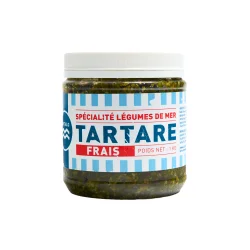
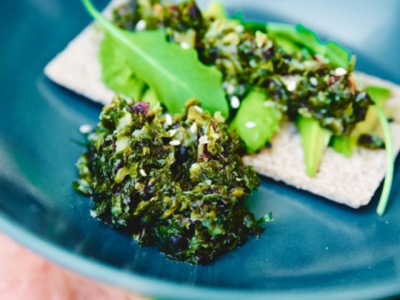
Rehydrate the 70 g of seaweed from the Gourmet Mix in a bowl of cold water for 5 minutes, then drain them thoroughly and finely chop with a knife. In a salad bowl, mix the seaweed, chopped shallot, olive oil, whole grain mustard, capers, and lemon juice. Taste and adjust the seasoning - the tartare should be bold, iodized, and flavorful without being overly salty (the seaweed naturally adds its salinity). Let it marinate for 10 minutes to allow the flavors to meld.
Lightly flour your palms. Take a heaping tablespoon of puree, flatten it in your hand, place half a teaspoon of seaweed tartare in the center, then close the puree into a ball around the tartare. Gently roll between your palms to obtain a regular ball the size of a ping-pong ball (or slightly smaller for an amuse-bouche format).
Place the formed balls on a baking sheet lined with parchment paper and refrigerate. 2 to 3 hours - a crucial step that allows the cromesquis to hold together during cooking. Then prepare three bowls: one with the flour + cornstarch mixture, another with the plant-based milk, and the last with the breadcrumbs. Roll each ball first in the flour, then dip it in the plant-based milk, and finally coat it generously with breadcrumbs. For a breading extra-crispy, repeat the milk + breadcrumbs process a second time (double English breading).
4. Cook the cromesquis
Classic version with the deep fryer : heat your oil to 180 °C. Dip the cromesquis 3 to 4 at a time to avoid lowering the temperature, and count 3 to 4 minutes Cook until uniformly golden brown. Drain on paper towels.
Version four (without interference) : brush the cromesquis with a drizzle of olive oil and bake 20 minutes at 200°C, turning them halfway through cooking.
Air fryer version : 12 to 15 minutes at 190°C, turning them once halfway through cooking. This method is ideal for a lighter cromesquis recipe, without losing any crispiness.
Pairings and Accompaniments: Three Ideas to Enhance Your Cromesquis
For a presentation arranged in a gastronomic style, plan for 3 cromesquis per plate and play with contrasts:
Soy cream sauce with chives - the original suggestion from the chefs: whipped soy cream, finely chopped chives, a dash of lemon olive oil.
Plant-based caviar - seaweed pearls or tapioca colored with seaweed ink: stunning visual effect and consistent marine reminder.
For the drink pairing, opt for a Muscadet sur lie, a dry Riesling, or homemade kombucha for a non-alcoholic version.
"I have been ordering from Biovie for years, my fresh seaweed for making my seaweed tartare, nori sheets for my sushi... I have always been delighted with the quality of the products and the service." - Florence, Google review ⭐⭐⭐⭐⭐
Variants and substitutions according to the seasons
Oil-free version: oven or air fryer
As detailed above, the Baked Cromesquis Recipe or at theair fryer gives excellent results while significantly lightening the dish. For optimal oven cooking, use a perforated rack so that the heat circulates around the cromesquis and the breadcrumbs brown on all sides.
Seaweed varieties according to your tastes
The Gourmet Mix can be replaced with individual seaweeds according to your preferences:
Dulse alone - sweet nutty flavor, ideal for guests who are new to seaweed.
Nori alone - more umami, with the advantage of providing natural B12.
Wakame - crunchy texture, more subtle taste.
Kombu - to be used sparingly (very iodized) and rather in small quantities as a supplement.
How to adapt the recipe to be gluten-free
For a Gluten-free cromesquis recipe, replace wheat flour with chickpea or rice flour, and use certified gluten-free breadcrumbs (rice breadcrumbs, finely grilled polenta, or crushed quinoa flakes). Cornstarch and potato starch are naturally gluten-free.
"I am always satisfied with all the products ordered.". […] The seaweed tartare recipe is excellent... a delight with avocados and pomegranates. Thanks to the whole team. - Mickael, Google review ⭐⭐⭐⭐⭐
Who are Angélique Henzel and Pauline Steiner, the plant-based chefs behind this recipe?
Angélique Henzel and Pauline Steiner are two renowned plant-based chefs known for their work on French gourmet vegan cuisine. Their approach: to prove that pastry and savory cooking without animal products have nothing to envy from the classics of the repertoire, as long as one works with textures, contrasts, and good ingredients. Their collaboration with Biovie around this Vegan cromesquis recipe fits into this logic: revisiting a great classic of the French brigade with seaweed from Brittany. A big thank you to them for this signature creation.
Conservation, reheating, and presentation on the table
The breaded raw cromesquis can be stored for up to 24 hours in the refrigerator (airtight container) and freeze perfectly for up to 2 months: plunge them directly frozen into oil at 180°C, extending the cooking time by one minute.
Once cooked, cromesquis are ideally enjoyed hot. To reheat them without losing their crispiness, pass them through 10 minutes in the oven at 180°C on a wire rack. Absolutely avoid the microwave, as it would soften them. The seaweed puree alone can be stored for 48 hours in the refrigerator, and the seaweed tartare for up to 72 hours.
Precautions and Recommendations: Properly Dosing Seaweed
The Seaweeds are concentrated sources of iodine., an essential mineral for the thyroid but to be consumed in moderation. In our recipe, 70 g of Gourmet Mix for 4 people represents 17.5 g per guest, which is an amount that remains below the Upper safety limit set by ANSES at 600 µg of iodine per day, based on moderately iodized seaweeds (sea lettuce, dulse, nori). A scientific review published on PubMed Central Confirm these orders of magnitude.
On the other hand, if you add some Kombu, seaweed very rich in iodine, significantly reduce the portion (5 to 10 g maximum for 4 people). The pregnant or breastfeeding women and the people with thyroid dysfunctions (hyper- or hypothyroidism) should seek medical advice before significantly increasing their consumption of seaweed.
Finally, regarding frying: choose a stable oil at high temperatures (oleic sunflower, peanut), and do not reuse it more than three to four times.
Frequently Asked Questions about Seaweed Cromesquis
What is a cromesquis in cooking ?
The cromesquis is a croquette of Polish origin, typically breaded and fried, consisting of a crispy outer layer and a soft or runny center. Adopted by classic French cuisine in the 19th century, it is now a staple of gourmet dining and an ideal format for presenting a refined filling.
What is the difference between a croquette and a cromesquis ?
The croquette and the cromesquis share the same principle of fried breading, but the cromesquis is distinguished by its often runny or melting center and its smaller, bite-sized form. It is often prepared using a half-sphere mold, giving it a chic appearance as a small golden sphere.
How do you pronounce cromesquis ?
Cromesquis is pronounced "chromeski," in the Polish manner, with an initial voiced "c" and a final "s" that remains silent. The plural is pronounced the same way.
Is it possible to make cromesquis without a deep fryer ?
Yes. You can bake your cromesquis in a preheated oven at 200°C for about 20 minutes, brushing them with a little oil to brown the breadcrumbs, or in an air fryer for 12 to 15 minutes at 190°C. The result is a bit less greasy and just as crispy.
How to store cromesquis before and after cooking ?
Uncooked breaded cromesquis can be stored in the refrigerator for up to 24 hours or frozen perfectly for up to 2 months. Once cooked, they are best enjoyed hot; you can reheat them in the oven at 180°C for 10 minutes to regain their crispiness, avoiding the microwave as it would make them soft.
Which seaweeds should be chosen for the tartare of a cromesquis ?
The Biovie gourmet mix (sea lettuce, dulse, and nori) is ideal because it balances mild, iodized, and umami flavors while remaining moderately dosed in iodine. Wakame can be added for its crunchy texture. Kombu, which is more concentrated in iodine, should be used sparingly or reserved for broths.
"The seaweed cromesquis are the perfect illustration of what I call everyday marine cuisine: a French gastronomic technique dressed with a heart of Breton seaweed, entirely plant-based and full of micronutrients. This is exactly the spirit I advocate in Seaweed Daily. Enjoy your meal!" - Eric Viard, founder of Biovie.
Warning: The information presented in this article is provided for informational purposes only and does not constitute medical advice. Consult a qualified healthcare professional before making any significant changes to your diet or supplementation. As part of a varied and balanced diet and a healthy lifestyle.