


This homemade oat milk takes just a few simple steps, for a mild, lightly vanilla-scented drink with no additives that costs far less than the carton version. Soaking overnight makes blending easier and gives a creamier milk. A drizzle of plant oil adds body, a hint of vanilla adds fragrance. Ideal with granola or in a smoothie.
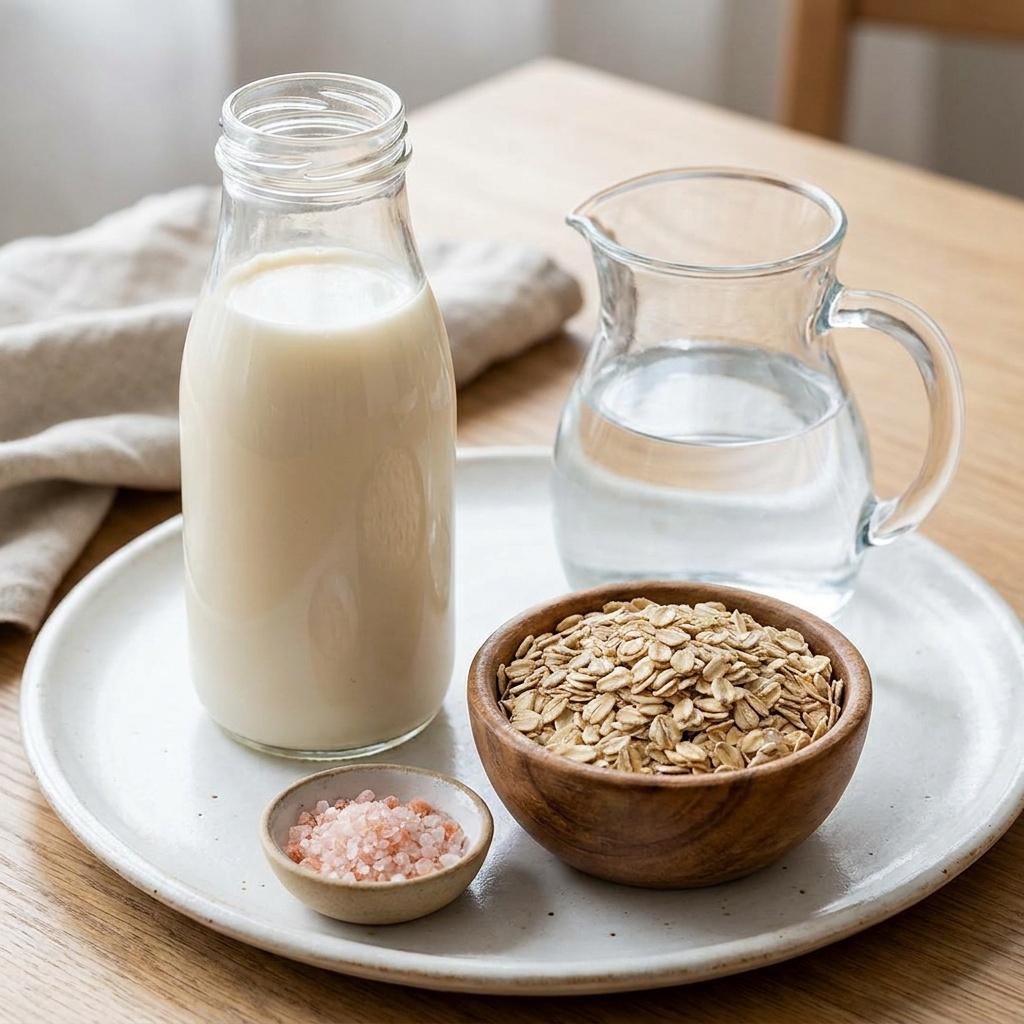
Homemade raw oat milk with vanilla

Share this article
Ingredients
- 45 g whole rolled oats
- 1 litre pure water
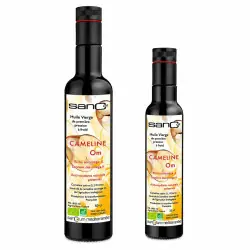
- 2 tablespoons almond oil, flaxseed oil or another oil of your choice
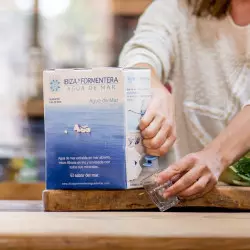
- 1 pinch of Himalayan salt (or the equivalent of 1 tablespoon - 15 ml - of seawater)
- 1/2 teaspoon powdered vanilla
- 3 drops of liquid stevia, or another sweetener
Method
- Soak the oats overnight, then rinse them thoroughly the next morning.
- Blend the oats with the water for thirty seconds, no longer, then strain through a muslin cloth or a nut milk bag.
- Return the milk to the blender with the rest of the ingredients and blend for a few seconds. Keep the oat pulp for another use.
- Pour into a bottle: the milk keeps for 5 days in the fridge. Shake before serving.
Tip
Do not blend the oats for too long: beyond half a minute, the starch is released and the milk turns slimy. Keep the strained pulp, it works very well in a porridge, a homemade granola or a raw cookie dough.
The full range Plant-based oils and spices
11 products

FAQ: your questions about homemade raw oat milk
Can you freeze oat milk?
Yes, in portions: an ice cube tray is ideal for adding it straight into a smoothie or a coffee. The texture separates a little as it thaws, and a quick whisk or a few seconds in the blender is enough to make it smooth again. Allow two to three months in the freezer.
Can you eat raw oats with milk?
Yes, that is the whole idea behind muesli and overnight oats. Soaking softens them and makes them more pleasant to chew. For this milk, the oats soaked overnight are then rinsed, which gives a milder, less thick drink.
How is oat milk made?
At home, you simply blend oats with water, then strain to remove the pulp. Industrial versions go through an enzymatic step that turns the starch into sugars, which is why they taste sweeter. The raw version stays more neutral, and it is up to you to adjust the sweetness.
Share this article