


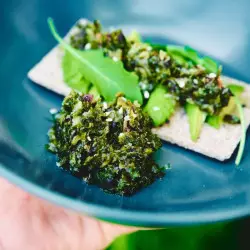

Fresh blackberries do all the work in this cobbler, split between a smooth purée that forms the base of the filling and whole berries pulsed in at the end so plenty of texture survives. That combination gives a filling with a jammy consistency that never turns to sauce, closer to a compote than a syrup. Underneath, a walnut and coconut crust - bound with dates rather than a baked-in fat - holds well enough to slice, with a texture somewhere between a macaroon and a granola bar. The same dough is split in two: half pressed down as the base, half reserved to crumble over the top, so the finished dessert has crust on both sides of the filling and echoes the look of a baked cobbler without ever seeing an oven. It comes together in a small round tin, which makes it a good size for two people to share rather than a whole gathering. Swap in peaches, mangoes or a mix of berries depending on the season, or use pecans in place of walnuts if that is what you have - the ratios hold up well either way.
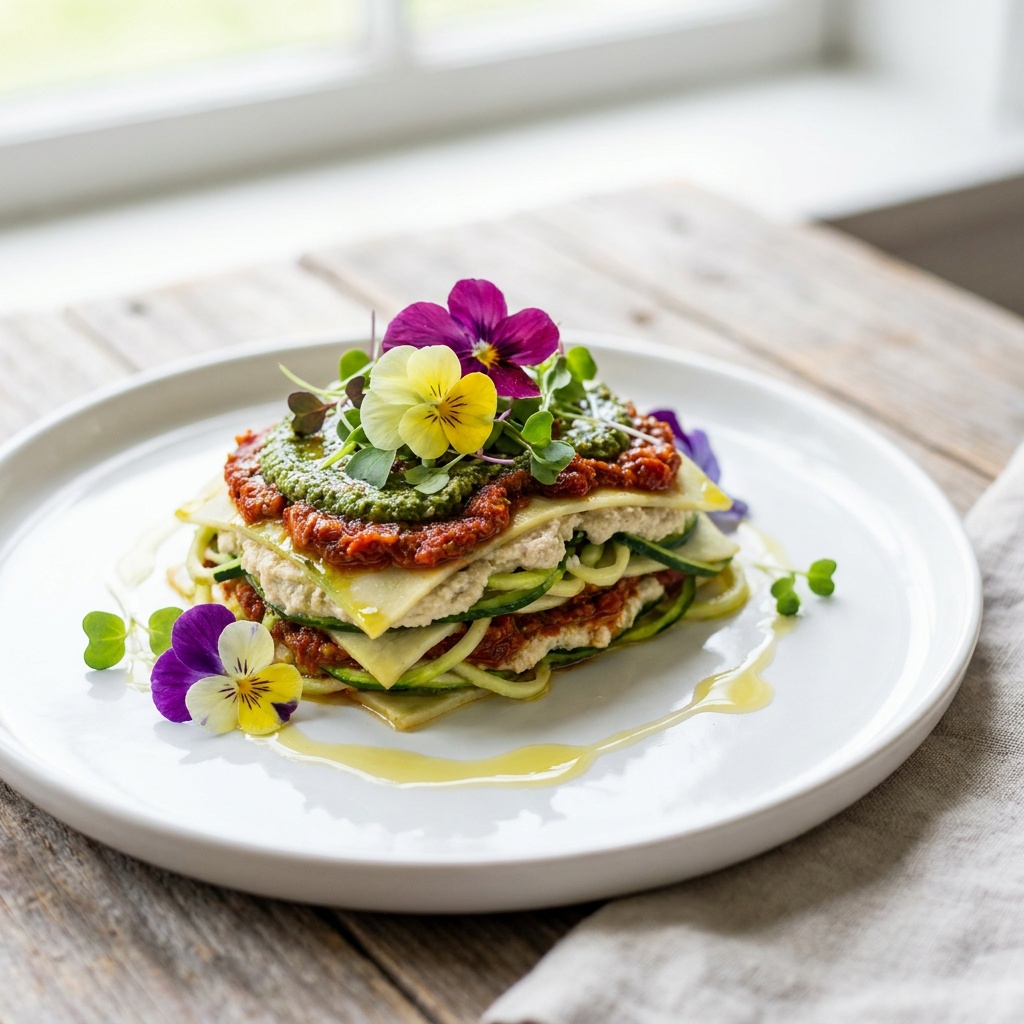
Raw blackberry cobbler with a walnut and coconut crust

Share this article
Ingredients
Crumble
- 1 cup walnuts, soaked overnight and dehydrated back to dry
- 1/4 cup coconut flakes
- 2 pitted dates
- 1/4 teaspoon vanilla extract or powder
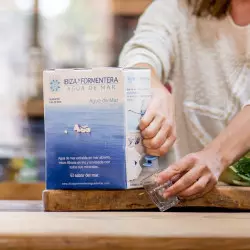
- A pinch of Himalayan salt (the equivalent of 1 tablespoon - 15 ml - of seawater)
Filling
- 1 cup fresh blackberries
- 2 pitted dates
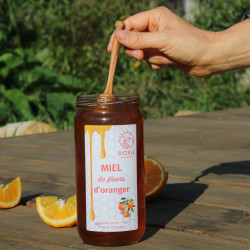
- 1 tablespoon raw honey
Preparation
- In a food processor, combine the walnuts, coconut and salt first, and process into a fine crumble - stop before it turns to paste.
- Add the dates and vanilla, and keep processing until the mixture starts to clump together into a dough.
- Set half of the mixture aside in a bowl. Press the other half into a 15 cm round cake tin to form the base crust.
- For the filling, add half the blackberries to the food processor along with the dates and honey, and process until smooth.
- Add the remaining blackberries and pulse just two or three times, so plenty of whole berry chunks remain.
- Spread the blackberry filling over the crust, then scatter the reserved crumble on top, pressing lightly in spots so some filling peeks through.
Tip
Chill the finished cobbler for at least an hour before slicing so the crust has time to firm up fully - cutting into it too soon can cause the base to crumble rather than hold a clean wedge. It also keeps well covered in the fridge for a few days, with the flavour deepening slightly overnight.
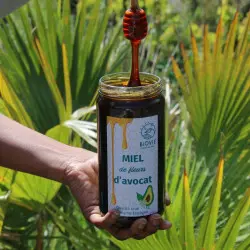
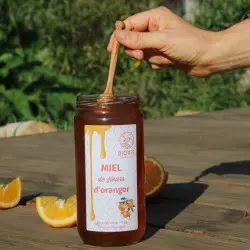
The full range Honey
3 products
Discover the full range
FAQ: your questions about raw blackberry cobbler
What is the secret of a good crumble?
Contrast. A successful crumble sets a soft filling against a crust that resists under the tooth, and loses all interest the moment the two start to resemble each other. In a raw version like this one, it plays out in two places: do not process the dough until it turns sticky, stop at the crumble stage; and do not purée all the fruit, keep half in pieces. The third factor is the cold, which firms up the crust that baking would otherwise firm.
How do you keep a crumble crisp?
Two rules apply, baked or raw. First, the moisture in the filling has to stay contained: overly juicy fruit soaks the crust from below within hours. Second, the topping should stay in irregular pieces rather than being spread into a compact layer, so air can circulate. In a raw version, add a third point: keep the cobbler in the fridge, never at room temperature, where the fat in the nuts softens and everything goes soft with it.
Can I make my crumble the day before?
Yes, and here it is even preferable. A raw cobbler benefits from a night in the fridge: the crust firms up, the flavours knit together and slicing becomes clean. The only thing that changes is the topping, which loses a little of its crunch in contact with the filling - if that bothers you, keep that half separately in a jar and scatter it just before serving.
What does the word crumble mean?
The English word comes from the verb to crumble, and describes exactly what covers the dessert: a sandy dough broken up by hand rather than rolled out. In French there is no established translation, and the word has passed into use as it is; people sometimes say croustade or émietté, without it being quite the same thing. In this raw recipe, the crumble is made not of butter and flour but of walnuts, coconut and dates.
Share this article