


This cheese gets its tang the slow way: it ferments on the counter for a day or two before any of the savoury ingredients are added. A blend of cashews and brazil nuts, thinned with water and started with acidophilus, thickens and sours in a cheesecloth-lined jar until it separates slightly and takes on a flavour closer to a mild goat's cheese than to a plain cashew spread. Once that base is ready, chopped leeks and a trio of fresh herbs - basil, mint and parsley - are folded in by hand along with nutritional yeast and garlic powder, which push the flavour further towards a savoury, cultured cheese and away from anything that might read as simply blended nuts. Packed into a ring mould and given a short spell in the freezer, it firms up enough to turn out cleanly and holds its shape on a plate the way a soft cheese round would. A finishing drizzle of olive oil and a scatter of fresh herbs on top brings it close to something from a cheese counter. Serve it on raw crackers or cucumber rounds as a starter, or eat it straight off a carrot stick between meals.
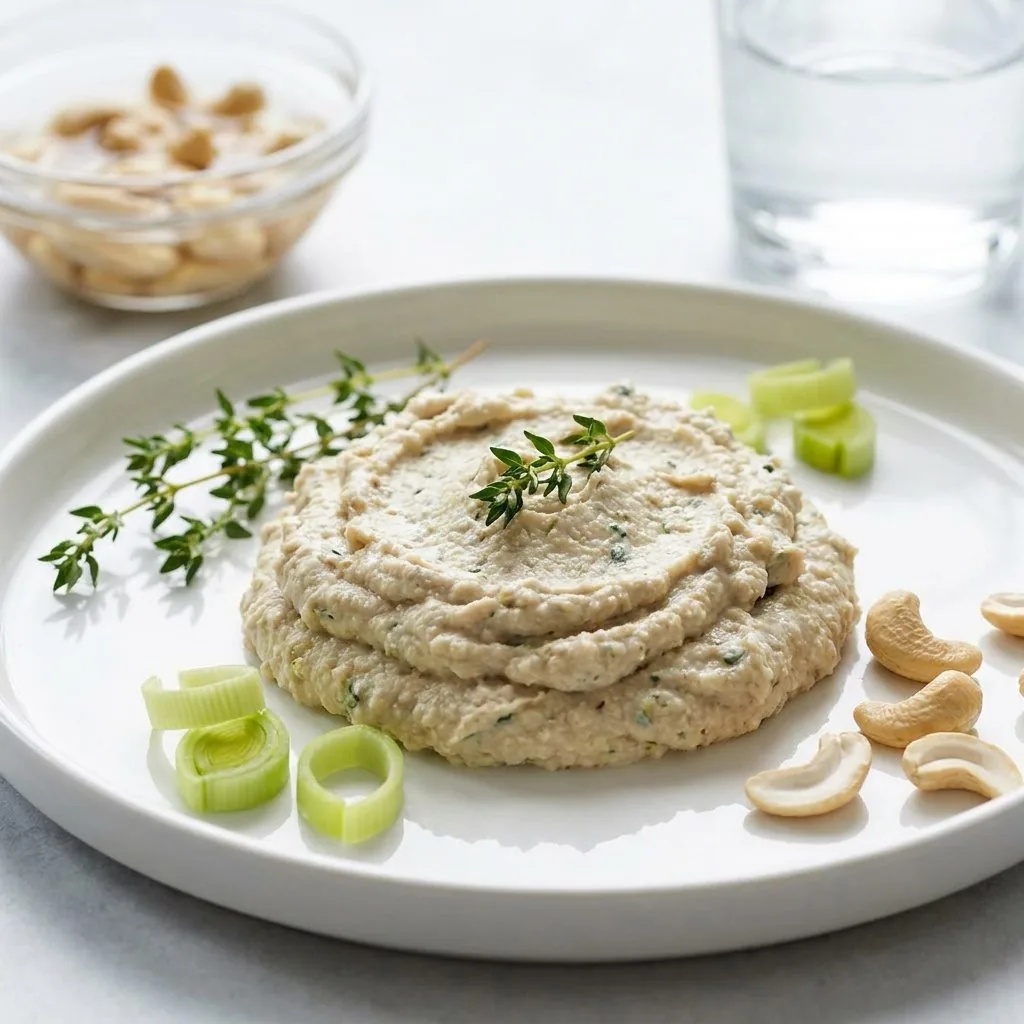
Fermented nut cheese with leek and fresh herbs

Share this article
Ingredients
Cheese base
- 1 cup cashews
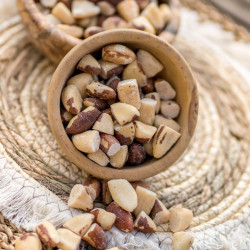
- 1 cup brazil nuts
- 2 acidophilus tablets (or the powder from capsules if you do not have a high-speed blender)
- 1 cup water
Leek and herb mix-in
- 1/2 cup chopped leeks
- 1 tablespoon fresh basil, chopped
- 1 tablespoon fresh mint, chopped
- 1 tablespoon fresh parsley, chopped
- 1/2 teaspoon sea salt
- 1/2 teaspoon lemon juice
- 1/2 teaspoon garlic powder
- 3 teaspoons nutritional yeast
Preparation
- Blend the cashews, brazil nuts, acidophilus and water in a high-speed blender until completely smooth.
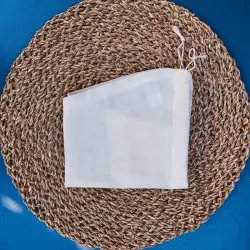
- Line a mason jar with cheesecloth, spoon in the mixture and secure the cheesecloth with the jar's outer ring. Set the jar somewhere warm and dark for 24 to 48 hours to ferment.
- Fermentation is done once the mixture has released liquid and shrunk down slightly.
- Scoop the fermented cheese out into a mixing bowl.
- Add the leeks, basil, mint, parsley, salt, lemon juice, garlic powder and nutritional yeast. Mix thoroughly by hand until evenly combined.
- Pack the mixture into a ring mould and freeze for about ten minutes to firm up.
- Turn out, drizzle with olive oil and finish with a scatter of fresh herbs before serving.
Tip
Fermentation speed depends heavily on room temperature: in a cooler kitchen, count on closer to 48 hours before the mixture visibly thickens and releases liquid - check daily rather than assuming 24 hours is always enough. Rinse the chopped leeks thoroughly before folding them in, since grit hides between the layers and often survives a first rinse.
The full range Oilseeds, nuts, seeds
20 products
Discover the full range

FAQ: your questions about fermented leek and herb nut cheese
What is vegan cheese made of, exactly?
It is the name plant-based cooking has given its cheeses made without animal milk. Behind the label sit very different preparations: simple lemon-sharpened nut creams on one side, and on the other genuinely fermented preparations, like this one, where cultures transform the base over a day or two. The latter come closest to a cheese, because the acidity and the aromas are born of bacterial work rather than of a squeeze of lemon.
What are the ingredients of a plant cheese?
The backbone is almost always the same: soaked nuts - cashew, almond, brazil, sunflower - blended with water into a smooth cream. From there, two paths. The quick path adds lemon juice, salt and nutritional yeast to imitate the cheesy flavour. The slow path, the one in this recipe, adds a culture - acidophilus, rejuvelac, a probiotic capsule - and lets time do the work. Herbs, garlic and pepper always come afterwards, never during fermentation.
What is the cheese with nuts called?
On the dairy side, several cheeses are matured or rolled in nuts, from Gaperon to walnut tommes, without a single name covering them. On the plant side, people simply say nut cheese, specifying which nut was used. Here the base combines cashews and brazil nuts: the first brings the creaminess, the second a density and a light bitterness that push the result closer to a pressed cheese than to a spread.
Share this article