Fast delivery
.png)
 Fair prices



Summary
Kefir is ideal if you are looking for maximum probiotic power (up to 60 different strains), while kombucha is better suited for its antioxidants and refreshing tangy taste. At Biovie, after 18 years of supporting enthusiasts of raw food, we find that the choice mainly depends on your health profile and your goals.
Frankly, this is THE question we have received most often for years. With Aurélie, we regularly consume both (even though we tend to make fruit kefir more in the summer, it's true), and we have learned to use them in a complementary way depending on the time of day and the body's needs. This guide will help you see clearly and make the choice that truly suits you.
Comparison at a glance: kefir vs kombucha
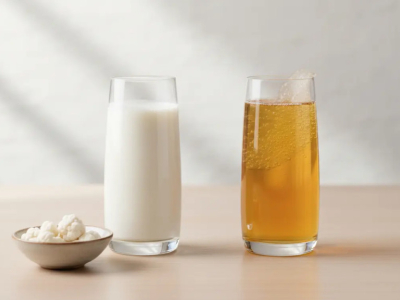
Before delving into the details, here is what you need to remember about these two stars of fermented beverages. The power of the fermented foods is no longer in question, but these two drinks have very distinct profiles.
- Probiotics: Kefir wins by a large margin with 40 to 60 strains of beneficial bacteria and yeasts, compared to only 5 to 10 for kombucha. By comparison, a regular yogurt contains only 2.
- Antioxidants: Kombucha advantage. The polyphenols in tea are preserved during fermentation, making it a valuable ally for athletes and anyone looking to combat oxidative stress.
- Preparation time: Kefir ferments in just 24 to 48 hours, while kombucha requires patience with 7 to 14 days of fermentation.
- Taste: Kefir is rather neutral to slightly tangy, while kombucha is distinctly tangy and naturally fizzy.
- Caffeine: Kefir does not contain it, kombucha does since it is made with tea.
- Calories: Kombucha is slightly less caloric (30 to 50 kcal for 250ml compared to 50 to 80 kcal for kefir).
Here is the summary. Now, let's explore each of these fermented beverages in detail.
.webp)
What is kefir? Origins and benefits
The different types of kefir
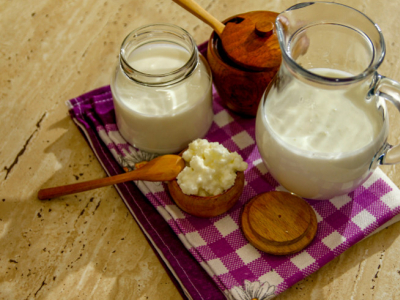
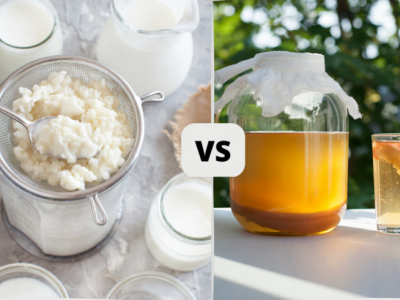
Kefir is primarily a story of grains. These small gelatinous masses resemble miniature cauliflower and contain a complex ecosystem of bacteria and yeasts that live in symbiosis. The origin of these grains dates back thousands of years in the Caucasus mountains, where shepherds used them to ferment the milk from their herds.
Milk kefir is the most traditional. It transforms milk (from cow, goat, or sheep) into a smooth, slightly sparkling, and tangy drink. It is the one that provides the most calcium and vitamin B12.
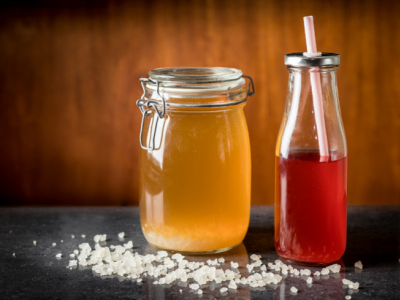
Water kefir, also called tibicos, is the lactose-free version. The same grains (or specific grains) are used to ferment sugary water with dried fruits. The result is a sparkling, refreshing beverage, ideal for those who do not consume dairy products.
Coconut water kefir is an exotic variant that we discovered during our travels in Asia. Coconut water brings its own minerals and gives a slightly sweet and tropical drink. To prepare a successful coconut water kefir, the technique is similar to that of classic fruit kefir.
To start, some water kefir grains Alive and active are essential. It's the foundation of everything.
The rapid fermentation process (24-48h)
What truly sets kefir apart from other fermented drinks is its quick preparation time. In just 24 to 48 hours, you have a drink ready to consume.
In practice, the process is surprisingly simple: you place your grains in the liquid (milk or sugared water), cover with a cloth, and wait at room temperature. The bacteria and yeasts do all the work. After 24 hours, you strain, retrieve your grains for the next batch, and that's it !
It is this simplicity that makes it an ideal introduction for those who want to prepare homemade fruit kefir without overthinking it. We often start there before moving on to longer fermentations.

What is kombucha? History and preparation
The SCOBY: the bacteria-yeast symbiosis
Kombucha is an ancient beverage of Asian origin, probably originating in China before spreading to Japan and Russia. Unlike kefir, which uses grains, kombucha is made with a SCOBY.
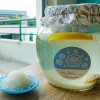
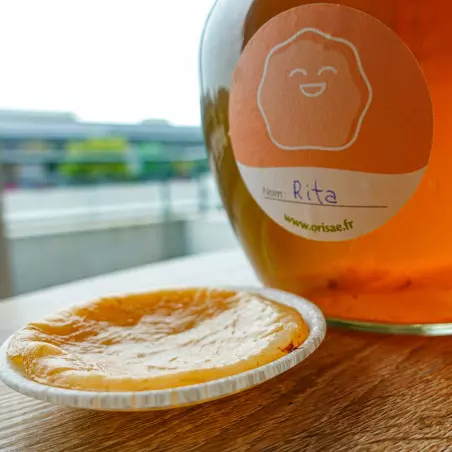
SCOBY stands for "Symbiotic Culture Of Bacteria and Yeast" - a symbiotic culture of bacteria and yeast. Visually, it is a kind of gelatinous disc that floats on the surface of sweetened tea. It is also called the "mother of kombucha" because it reproduces: with each fermentation, a new layer forms on top of the old one.
The Biovie kombucha mother, carefully cultivated, allows for a successful first fermentation. We have spent years selecting particularly vigorous and tolerant strains, with a 95% success rate on the first try for our customers.
You can also create your own kombucha mother from a store-bought bottle of kombucha, but the process is longer and more uncertain.
The slow fermentation process (1-2 weeks)
Kombucha requires patience. Allow 7 to 14 days for fermentation, depending on the ambient temperature and the desired acidity.
The process begins with the preparation of a sweet tea (black or green tea, preferably with white sugar - the SCOBY doesn't particularly like whole sugars). Once the tea has cooled, the SCOBY is added along with a bit of starter liquid (kombucha from a previous fermentation or apple cider vinegar).
Then, it's a matter of patience. The first fermentation lasts about a week. You can then do a second fermentation in the bottle with fruits or aromatics to achieve more fizz and varied flavors.
This patience is rewarded with a unique drink, impossible to replicate with kefir: a complex tangy taste, slightly vinegary, naturally sparkling, with notes that vary depending on the tea used and the added aromatics.

Comparative Benefits: Probiotics, Antioxidants, and Nutrition
Rich in probiotics: kefir advantage
This is where kefir really stands out. With 40 to 60 different strains of beneficial bacteria and yeasts, it breaks all records for natural probiotic drinks. Kombucha, in comparison, contains only 5 to 10.
To put these numbers into perspective: a typical supermarket yogurt usually contains 2 probiotic strains. Kefir, therefore, potentially has 30 times more microbial diversity.
This diversity is important. Our gut microbiota is a complex ecosystem that benefits from variety. The more different strains we provide it with, the more we boosts his/her immunity naturally and we promote a healthy balance.
Antioxidant power: benefits of kombucha
Kombucha has its own card to play. Because it is prepared with tea (black or green), it retains a large portion of polyphenols - those famous antioxidants that help fight against free radicals.
These polyphenols are particularly interesting for athletes. After intense exertion, the body produces a lot of free radicals. The antioxidants in kombucha help neutralize these molecules and can promote better recovery. This is indeed what some specialized magazines like Decathlon Sports Advice recommend for endurance athletes.
Detailed nutritional profile
Beyond probiotics and antioxidants, these two fermented drinks have distinct nutritional profiles.
Milk kefir provides calcium and vitamin B12, making it a valuable ally for vegetarians and those concerned about their bone health. The milk proteins are also present, partially predigested by fermentation.
Kombucha does not provide significant proteins but contains caffeine (about half of that in the original tea) and organic acids produced during fermentation.
Which profile, which drink? Personalized guide
This is the section I find most useful. Because beyond the theory, what really matters is knowing which drink suits YOUR needs.
For athletes
If you are an athlete, kombucha has a slight advantage due to its antioxidants that help with post-exercise recovery. However, milk kefir is not far behind with its proteins for muscle recovery.
My advice: kombucha after exercise for antioxidants, milk kefir in the morning for protein.
For pregnant or breastfeeding women
Here, caution is advised. Kombucha contains caffeine and a residual alcohol content (usually between 0.5% and 2%, according to UFC Que Choisir). For this reason, many pregnant women prefer fruit kefir, which contains neither caffeine nor significant alcohol.
Milk kefir can also be suitable, provided it is prepared with pasteurized milk and under impeccable hygienic conditions.
For seniors
Milk kefir is particularly beneficial for the elderly. The intake of calcium and vitamin B12 addresses needs that are often inadequately met after the age of 65. Additionally, fermentation makes lactose more digestible, even for those who usually have difficulty tolerating it.
For digestive problems
This is clearly the territory of kefir. Its exceptional richness in probiotics (let's remember: up to 60 strains) makes it the number one ally for rebalancing a disturbed gut flora.
For 18 years, we have been supporting thousands of enthusiasts of living foods. Our observation: those who incorporate kefir into their routine often see digestive improvements in 2 to 3 weeks.
However, be careful to start gradually. In the first few days, bloating may occur. This is normal: the microbiota is adapting. Start with 100ml per day and increase gradually.
For weight loss
Fruit kefir has a slight advantage: it is less caloric than milk kefir, also offering a natural appetite suppressant effect thanks to its probiotics and promoting good intestinal transit.
Kombucha can also help, especially as an alternative to sodas and sugary fruit juices. A cup of kombucha at 3 PM can curb sweet cravings without skyrocketing the calorie count.
For those who are lactose intolerant
Water kefir (tibicos) is the obvious solution: no milk, no lactose, no problem.
But did you know that milk kefir fermented for a long time (48 hours instead of 24 hours) is often well tolerated even by people sensitive to lactose? The prolonged fermentation allows the bacteria to predigest a large portion of the lactose.
.webp)
Daily consumption: recommended dosages and frequency
Can you drink kefir every day ?
Yes, absolutely. A daily consumption of 150 to 250ml of kefir is beneficial for most adults. In fact, that's what Aurélie and I have been doing for years.
The key is gradual progression. If you're starting out, begin with 100ml per day during the first week. Your microbiota needs time to adapt to this new population of friendly bacteria. Then, you can increase to 200-250ml without worry.
To learn everything about this topic, we have written a comprehensive article on how to consume kefir daily.
Can you drink kombucha every day ?
Yes, with some precautions. A consumption of 200 to 300ml per day is suitable for most adults.
Two points of attention:
Caffeine Kombucha contains about half the caffeine of the original tea. If you are sensitive to caffeine, avoid drinking it in the evening.
Residual sugar : Depending on the fermentation duration, kombucha may contain residual sugar. Longer fermentation = less sugar. For diabetics or people monitoring their blood sugar, opt for a well-fermented kombucha (at least 14 days).
Contraindications and precautions to be aware of
I prefer to be transparent about this subject. These fermented drinks are excellent for health, but they are not suitable for everyone.
Possible side effects
In the first few days, bloating, gas, or changes in bowel movements may occur. This is a normal adaptation reaction of the microbiota. These discomforts usually disappear within one to two weeks.
If the symptoms persist beyond three weeks, reduce the quantities or consult a healthcare professional.
Residual alcohol: what you need to know
The fermentation process of kombucha (and to a lesser extent of fruit kefir) naturally produces a small amount of alcohol. For kombucha, the levels generally range between 0.5% and 2% depending on the fermentation duration and preparation conditions.
This is information that UFC Que Choisir has highlighted and it is important to know, especially for pregnant women, people undergoing alcohol withdrawal, or those taking certain medications.
Who should avoid these drinks ?
Immunocompromised individuals should consult their doctor before consuming homemade fermented beverages. Bacteria that are beneficial for a healthy person may pose risks to a weakened immune system.
People on anticoagulant treatment should also seek medical advice, as kombucha can interact with certain medications.
Recipes and combinations for incorporating fermented drinks into daily life
Now, let's move on to practical things! Here are three exclusive recipes that we regularly use with Aurélie.
Kefir-spirulina smoothie: energy boost
It's our favorite breakfast when we have a busy day ahead of us.
- 200ml of homemade fruit kefir
- 1 teaspoon of organic spirulina
- 1 ripe banana
- 1 tablespoon of raw honey
Mix everything and enjoy immediately. The combination of kefir + spirulina is truly a nutritional powerhouse. Spirulina provides its proteins and iron, kefir its probiotics, and the banana its natural sugars for energy.
Kombucha immunity to pollen
This recipe is perfect in autumn or winter when you want to boost your natural defenses.
- 250ml of plain kombucha
- 1 teaspoon of fresh organic pollen
- A few fresh mint leaves
Let the pollen and mint steep in the kombucha for 10 minutes. The pollen does not dissolve completely, which is normal. Serve chilled.
Fresh pollen perfectly complements the nutritional profile of kombucha with its B vitamins and amino acids.
7-day detox protocol with fermented foods
For those who want to do a little fitness regimen, here is a protocol that we have tested and approved:
Days 1 to 3 : 150ml of kefir in the morning on an empty stomach. Let the microbiota settle.
Days 4 and 5 : 200ml of kombucha in the afternoon. Antioxidants are added.
Days 6 and 7 : Alternate - kefir in the morning, kombucha in the afternoon. The body benefits from both.
Bonus : Add some marine plasma to your routine to remineralize the body during detox.
FAQ: Your Questions About Kefir and Kombucha
Which is better for health, kefir or kombucha ?
Kefir is superior in the quantity of probiotics (40-60 strains compared to less than 10 for kombucha), while kombucha excels in antioxidants thanks to the polyphenols in tea. The "best" depends on your goal: for gut flora, prioritize kefir; for antioxidants and energy, opt for kombucha. Ideally, alternate between the two to benefit from their complementary strengths.
What is the difference between kefir and kombucha ?
Kefir is made from grains (bacteria and yeast) that ferment milk or sugary water in 24-48 hours. Kombucha uses a SCOBY to ferment sweetened tea for 7-14 days. Kefir is richer in probiotics, while kombucha is higher in antioxidants.
Can you drink kefir every day ?
Yes, a daily consumption of 150 to 250ml of kefir is beneficial for most adults. Start gradually (100ml/day the first week) to allow your microbiota to adapt.
Is it good to drink kombucha every day ?
Yes, in moderation. A consumption of 200 to 300ml per day is suitable for most adults. Note: kombucha contains caffeine (from tea) and a residual alcohol content (0.5-2%). Avoid it in the evening if you are sensitive to caffeine.
What are the contraindications of kefir ?
Kefir is not recommended for immunocompromised individuals (without medical advice), in cases of confirmed intolerance to fermented products, and at the beginning of pregnancy for unpasteurized milk kefir. People on anticoagulant treatment should consult their doctor before regular consumption.
Kefir or kombucha for weight loss ?
Fruit kefir is slightly more effective: it is lower in calories, has an appetite-suppressing effect thanks to probiotics, and improves digestion. Kombucha can also help due to its low-calorie profile. In both cases, they are advantageous replacements for sodas and sugary juices.
Does kefir cleanse the intestines ?
Yes, kefir helps to rebalance the intestinal flora thanks to its 40-60 probiotic strains. It promotes transit, reduces bloating, and can help eliminate certain pathogenic bacteria. For optimal effect, combine it with a fiber-rich diet.
What drink is similar to kombucha ?
Water kefir (or tibicos) is the closest alternative: sparkling, tangy, and rich in probiotics, but caffeine-free. Other options include jun (kombucha made with green tea and honey), ginger beer (fermented ginger beer), and kvass (bread fermentation).
Can children be given kefir or kombucha ?
Fruit kefir can be given to children from 1 year old, in small quantities (50-100ml). Kombucha is not recommended before the age of 12 due to caffeine and residual alcohol. Consult your pediatrician if in doubt.
How to store homemade kefir and kombucha ?
Kefir can be stored for 5-7 days in the refrigerator. Kombucha can be kept for 2-3 weeks when chilled. To stop fermentation, refrigerate immediately. Kefir grains and the kombucha mother can be stored in the refrigerator in their liquid for several weeks.
Conclusion: What if you tried both fermented drinks ?
There you go, you now have all the cards in hand to make your choice. But honestly, why choose ?
Kefir provides you with exceptional probiotic diversity with an ultra-quick preparation. Kombucha offers you its unique antioxidants and that tangy, sparkling taste that can advantageously replace any soda.
If you are a beginner, start with fruit kefir. It is the simplest, the quickest, and suitable for everyone. Once you have mastered the process, try kombucha to vary the pleasures.
Try it, and you'll love it !