Fast delivery
.png)
 Fair prices


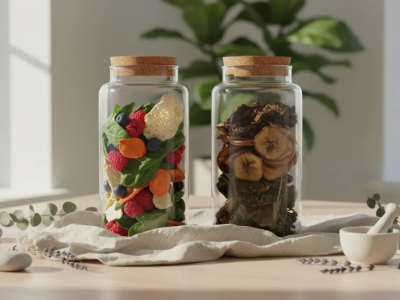

Freeze-drying preserves up to 97% of vitamins thanks to a cold process (-40°C to -80°C), compared to only 60-75% for traditional dehydration which uses heat (40-70°C). This fundamental temperature difference explains why freeze-dried fruits retain their vibrant color, intense taste, and especially their nutritional richness. At Biovie, after 18 years of expertise in living food, we have chosen freeze-drying for our range of exotic fruits — and here's why this distinction really matters for your health.
What exactly is lyophilization ?
The principle of sublimation
Honestly, freeze-drying is a fascinating process. Contrary to what one might think, it is not simply about "drying" a food. The principle is based on a physical phenomenon called sublimation : the water transitions directly from a solid state (ice) to a gaseous state (vapor), without ever passing through the liquid state.
Concretely, imagine a piece of ice that evaporates without melting. This is exactly what happens during freeze-drying. And this particularity changes everything for the preservation of nutrients.
The three steps of the process
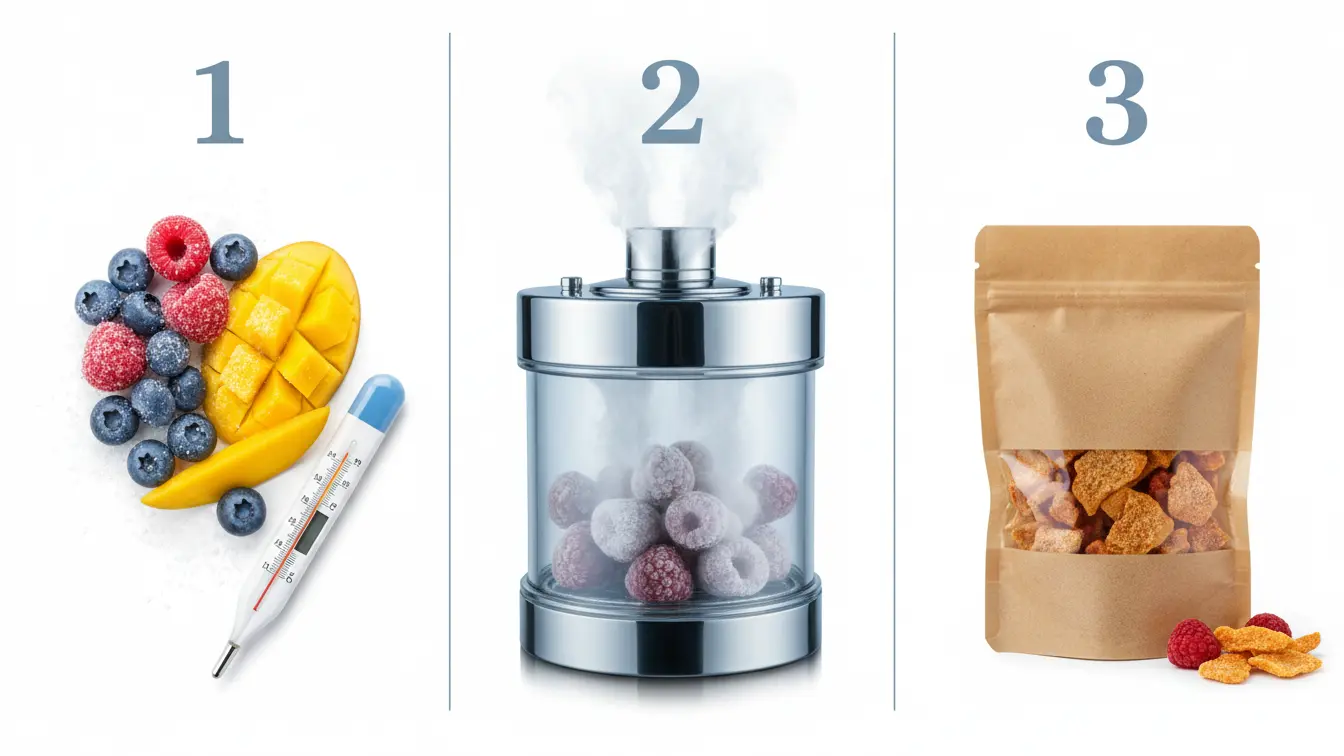
The freeze-drying process takes place in three distinct phases:
- Rapid freezing : The food is first frozen at a very low temperature, between -40°C and -80°C. This ultra-rapid freezing forms micro ice crystals that preserve the cellular structure of the food.
- Primary sublimation The frozen food is placed in a vacuum chamber. With the pressure being extremely low, the ice transforms directly into vapor without passing through the liquid state. This step removes about 95% of the water.
- Secondary desiccation : A slight increase in temperature (while remaining under vacuum) allows for the removal of the last water molecules bound to the molecular structures of the food.
The result? A food that has lost its water but retained its structure, colors, aromas, and — most importantly — its nutrients. NASA has been using this method since the 1960s to feed astronauts during space missions. When sending humans into space for months, there's no joking around with nutritional quality !
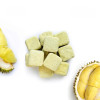
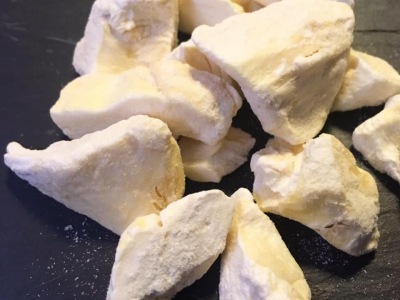
This is exactly the process we use for our freeze-dried durian from Thailand, harvested at maturity in the province of Chanthaburi — its production cradle — and processed on-site to preserve all its nutritional richness.
And dehydration, how does it work ?
The principle of evaporation by heat
Dehydration is the ancient method of food preservation. Our ancestors were already sun-drying their fruits thousands of years ago. The principle is simple: heat is used to evaporate the water contained in the food.
There you go, it's basic but effective. The food loses its water, which prevents the development of bacteria and mold. The problem is that the heat doesn't just remove the water...
Temperatures and drying times
In practice, dehydration is carried out at temperatures between 40°C and 70°C, for 8 to 24 hours depending on the food. The higher the temperature, the faster the drying process — but the greater the nutritional damage.
For those who practice raw food, the 42°C limit is crucial: beyond this temperature, food enzymes are destroyed. This is why the characteristics of a living food include the preservation of these valuable enzymes.
If you wish to practice home dehydration, Biovie offers professional dehydrators like the Sedona, with precise temperature control to preserve a maximum amount of nutrients.
The scientific comparison: lyophilization vs dehydration
Conservation of vitamins and minerals
This is where things get really interesting. Scientific studies are clear on this point.
For freeze-drying:
- Conservation of 90 to 97% of vitamins (source: Food Science & Technology International)
- Almost total preservation of antioxidants
- Maintenance of dietary enzymes (temperature never positive)
- Intact cellular structure = bioavailable minerals
For dehydration:
- Loss of 25 to 40% of heat-sensitive vitamins
- Vitamin C is particularly affected: up to 50% loss according to the Journal of Food Engineering.
- Enzymes destroyed beyond 42°C
- Concentration of natural sugars (which can be an advantage or a disadvantage depending on the use)
Let's be honest: the difference is significant. And it can be simply explained by physics. At -40°C, the molecules are "dormant," nothing degrades. At +60°C, heat-sensitive vitamins like vitamin C, B1, or B9 begin to break down.
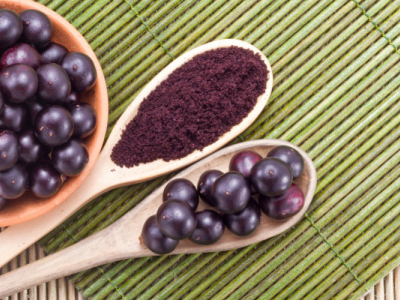
That's why Freeze-dried açaí preserves its powerful antioxidants., unlike dehydrated versions that lose some of their properties. Our organic freeze-dried açaí powder thus retains an exceptional antioxidant capacity — the highest among the fruits tested according to a study from the Journal of Agricultural and Food Chemistry.
Texture, taste, and rehydration
Beyond the nutrients, the sensory experience is very different:
Freeze-dried fruits:
- Crunchy and airy texture (like a little cloud!)
- Intense taste and true to the fresh fruit
- Rapid rehydration: 2-3 minutes in warm water to regain 95% of the original volume
- Bright colors preserved
Dehydrated fruits:
- Soft and dense texture
- Concentrated sweet taste (the sugars are concentrated)
- Slow and incomplete rehydration (the fruit remains flattened)
- Colors often darker (enzymatic browning)
Do the test yourself: immerse a freeze-dried fruit in water. In 2 minutes, it regains its original shape. A dehydrated fruit, on the other hand, remains flat and rubbery. This visible difference reflects what happens at the microscopic level: freeze-drying preserves the cellular structure, dehydration does not.
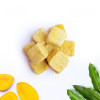
Our freeze-dried mangoes from Thailand, of the Nam Dok Mai variety — one of the most appreciated for its sweet and fiberless flesh — perfectly illustrates this difference. This variety does not handle transport well once ripe, but freeze-drying allows for the (re)discovery of its exceptional taste.
Shelf life
The difference is spectacular:
- Freeze-dried foods : 10 to 25 years of preservation in an airtight package (NASA and ANSES data)
- Dehydrated foods : 6 months to 2 years maximum
This exceptional longevity of freeze-dried products is explained by the elimination of 95-99% of water, compared to only 80% for dehydration. Less water = less risk of bacterial growth.
Cost and accessibility
Let's be transparent: freeze-drying is more expensive. The process is about 10 times more costly than traditional dehydration. Why ?
- Expensive industrial equipment (freezing at -80°C + vacuum pumps)
- Long process (24 to 48 hours)
- High energy consumption
- Difficult to achieve at home (unlike dehydration) -> that being said, it is possible as we have a small freeze dryer from the brand HarvestRight for our tests, but it is really a large, expensive device that requires maintenance.
This is why freeze-dried fruits are more expensive to buy. But the price reflects a reality: you are paying for real nutrients, not just concentrated sugar.
At Biovie, we freeze-dry our fruits directly on-site in Thailand and Vietnam, rather than importing and processing them in France. This ensures that the fruits are picked at optimal ripeness and processed immediately — and also helps to retain the economic added value in the producing countries.
Which method to choose according to your needs ?
For optimal nutrition: freeze-drying
If your goal is to maximize nutritional intake, freeze-drying is clearly superior. This is particularly true for:
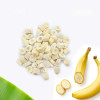
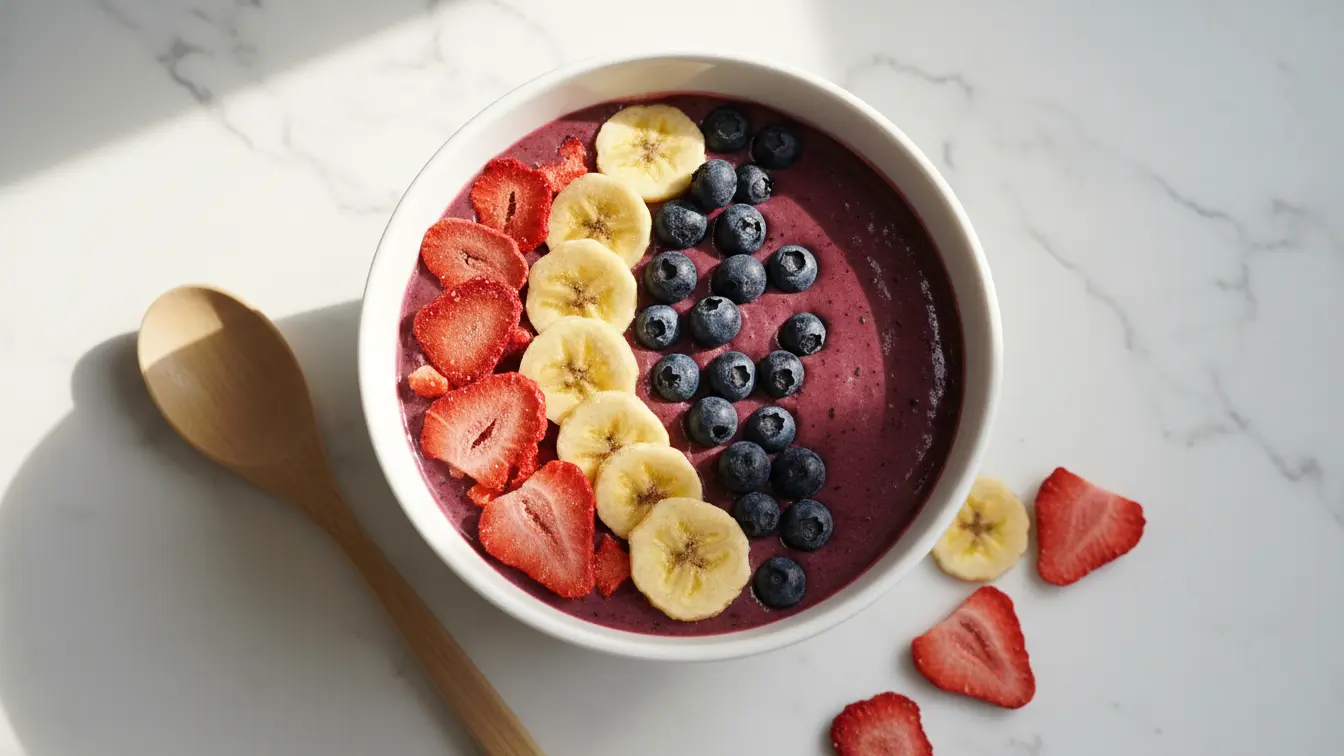
- Smoothies and bowls : Freeze-dried fruits release all their nutrients in just a few seconds. Add our freeze-dried bananas in your next smoothie, and you will understand the difference! Their comforting and concentrated taste transforms any preparation.
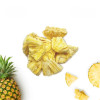
- Nutritional supplementation : When looking for the antioxidants in açaí or the vitamins in tropical fruits, it's best that they are truly present. Our freeze-dried pineapple retains its precious bromelain, an enzyme that supports digestion.
- Long-term stock : For a nutritious food reserve that lasts through the years without losing its qualities.
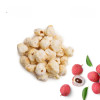
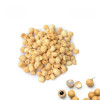
- Children and athletes : Freeze-dried fruits are a healthy alternative to candies and processed snacks. Our freeze-dried lychees and freeze-dried longans from Vietnam are real concentrates of vitamin C — children love them !
This is why at Biovie, we have chosen freeze-drying for our range of tropical fruits. For discover all the benefits of freeze-dried fruits, we have written a comprehensive article on the subject.
For home DIY: dehydration
Dehydration has its own advantages, especially for those who enjoy doing things themselves:
- Accessible to all A dehydrator costs between 50 and 300€, compared to several thousand for a freeze dryer.
- Versatile : Perfect for snacks, crackers, fruit leathers
- Satisfying : The pleasure of transforming your own garden fruits
Honestly, home dehydration remains an excellent option for certain uses. Dehydrators offer precise temperature control for optimal results — including below 42°C to preserve enzymes, these indispensable metabolic auxiliaries.
My personal recommendation
After years of testing and comparing, here is my advice: combine the two approaches.
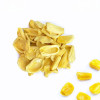
- Use freeze-dried fruits for anything related to pure nutrition: smoothies, supplementation, superfruits like freeze-dried durian — our best-selling product for years, considered the "king of fruits" in Asia — or even the freeze-dried jackfruit, the largest fruit in the world with its unique taste of banana and mango.
- Practice home dehydration for the pleasure of homemade goods and daily snacks.
This mixed approach allows you to enjoy the best of both worlds. To delve deeper into the subject of nutrient-preserving transformation methods, we have also published a comprehensive guide.
Frequently Asked Questions
Does freeze-drying destroy vitamins ?
No, freeze-drying preserves up to 97% of vitamins thanks to the cold process (-40°C). Unlike heat dehydration, which degrades heat-sensitive vitamins (C, B1, B9), freeze-drying uses sublimation: water goes directly from a solid to a gaseous state without heating the food. Studies show an almost total nutritional retention. That is why the Biovie freeze-dried fruits retain their richness in vitamins and antioxidants.
What is the shelf life of freeze-dried foods ?
Freeze-dried foods can be preserved for 10 to 25 years in airtight packaging, protected from moisture. This exceptional shelf life is due to the removal of 95-99% of water, preventing any bacterial growth. NASA has been using this method since the 1960s for space missions. In comparison, dehydrated foods last 6 months to a maximum of 2 years. Our freeze-dried fruits are packaged in resealable bags for optimal preservation — the only precaution being to reseal them properly after use to prevent moisture absorption.
Is it possible to freeze-dry food at home ?
No, freeze-drying requires expensive professional equipment (freezing at -40°C and a vacuum pump). The process involves three technical steps: rapid freezing, deep vacuum application, and then controlled sublimation. Domestic freeze-dryers exist but cost several thousand euros. For home DIY, dehydration remains the accessible alternative. To enjoy the benefits of freeze-drying without the investment, discover our range of freeze-dried fruits ready to consume.
Are dehydrated fruits good for health ?
Yes, dehydrated fruits remain nutritious but lose 25-40% of their heat-sensitive vitamins during drying. Dehydration concentrates natural sugars and certain minerals, making them an interesting energy snack. However, vitamins C, B1, and enzymes are partially destroyed by heat (40-70°C). For optimal nutrition, prioritize freeze-drying. Biovie offers both options: dehydrators for your homemade preparations and freeze-dried fruits for preserved nutrition.
How to rehydrate freeze-dried fruits ?
Soak the freeze-dried fruits in warm water for 2-3 minutes to restore 95% of their original volume and texture. Since the cellular structure is preserved through freeze-drying, the fruits quickly absorb water and regain their initial shape. You can also consume them dry for a crunchy snack, or add them directly to your smoothies where they will naturally rehydrate. Our freeze-dried mangoes add intense flavors to your homemade kefir and kombucha drinks !
What temperature to dehydrate fruits ?
The ideal temperature for dehydrating fruits is a maximum of 43°C, with a drying time of 8 to 24 hours depending on the fruits. At 43°C, you preserve the enzymes (raw food), but the drying process is very long. Beyond 60°C, you speed up the process but destroy more nutrients. We recommend a maximum of 43°C, however, the overwhelming majority of dried fruit vendors use temperatures from 60°C to 70°C.
Is freeze-drying dangerous ?
No, freeze-drying is a 100% natural and safe process that has been used for over 60 years in the food and pharmaceutical industries. The process does not use any chemical additives or preservatives: only water is removed through sublimation. Freeze-dried foods retain their nutritional value and are perfectly healthy. It is, in fact, the preferred method for food intended for astronauts and hospitals. All our freeze-dried fruits are certified to be free from pesticide residues, without any treatment or additives.
In summary
Here you go, now you know everything about the difference between freeze-drying and dehydration. To summarize in a few key points:
- Freeze-drying (-40°C, sublimation) preserves 97% of nutrients, enzymes, and cell structure. Ideal for optimal nutrition.
- Dehydration (40-70°C, evaporation) preserves 60-75% of the nutrients. More accessible for DIY at home.
- The choice depends on your priority: maximum nutrition or domestic practicality.
At Biovie, we have long chosen to offer high-quality freeze-dried fruits, picked at maturity in Thailand and Vietnam. It's a health investment that makes a difference, especially for superfruits like açaí, durian, Nam Dok Mai mango, or jackfruit, which are sought after for their exceptional nutritional properties.
And if you want to delve deeper into the topic of preservation methods, I invite you to consult our ranking of vegetable transformation methods, from worst to best for your health.
Living food is also about making the right transformation choices. And now, you have all the tools to make informed decisions !