Fast delivery
.png)
 Fair prices



Summary:
Do you feel bloated, tired, with that unpleasant sensation of having a clogged intestine? You have probably heard of two radically different approaches: thecolon hydrotherapy (also called colon irrigation) practiced in the office, and gentle methods of intestinal detox at home. But how do you choose between these two seemingly opposite worlds ?
Honestly, the question deserves better than a dogmatic debate between "pro-medical" and "pro-natural." What matters is understanding what each method of colon cleansing actually propose, its advantages, its limitations, and especially what corresponds to your personal situation. Because there is no universal miracle solution - there is the one that suits you.
In this article, we will explore these two approaches of intestinal cleansingNatural with objectivity, supported by scientific data, so that you can make an informed and calm decision. Without activism, without judgment, just clear and honest information.
What is colon hydrotherapy? (definition & protocol)
Thecolon hydrotherapy, also called Colonic irrigation, is a practice that involves introducing water into the colon via the anus to "cleanse" the large intestine. It is not a medical procedure in the strict sense - in fact, the National Council of the Order of Doctors clearly states: "Colon hydrotherapy is not a medical procedure and is not taught in medical school."
Principle and procedure of a colon irrigation session
Concretely, here is how a typical session unfolds ofColonic irrigation :
You go to a specialized clinic run by a practitioner trained in this technique. You lie down on a table designed for this purpose, and the practitioner inserts a rectal cannula (a small tube) connected to a machine. This machine will gradually inject warm water - between 3 and 4 liters in total - in your colon, through cycles of filling and emptying.
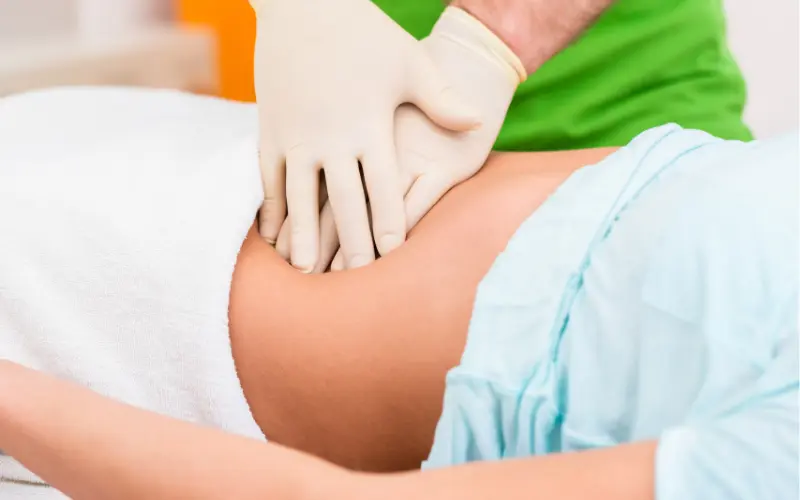
The session generally lasts between 1h and 1h15. Water circulates throughout the colon (which measures about 1.5 meters unfolded), with the aim of evacuating accumulated materials and waste. The practitioner may massage your abdomen to promote the detachment of materials.
Frankly, it's not the most comfortable experience in the world, it's not a mojito on the beach in Thailand, I assure you. Some people report abdominal discomfort, cramps, and sometimes even a quite pronounced feeling of discomfort during the session. Others, on the contrary, describe an immediate feeling of relief.
Difference between enema and colonic irrigation
Be careful not to confuse: the classic enema (to be done yourself with an enema bulb) only reaches the rectum and the lower part of the colon, with a maximum of 0.5 to 1 liter of water. Thecolon irrigation, it targets the entire large intestine with a significantly larger volume of water and a professional machine. It is not at all the same scale of intervention.
Prices and accessibility of colon hydrotherapy in France
The sessions ofcolon hydrotherapy cost between 90 to 120 euros per session in France. And generally, 2 to 3 sessions are recommended to achieve results, which can quickly amount to between 180 and 360 euros. Add to that the travel time, making appointments, and the need to find a trusted practitioner near you.
Colon hydrotherapy: What science (and doctors) say
Let's speak frankly about what the medical and scientific community says about this practice of colon cleansing.
Colon hydrotherapy: medical opinion and the position of the Medical Council
The National Council of the Order of Doctors is clear on the subject: it does not recognize thecolon hydrotherapy as a medical act, and warns against its practice without specific medical indication. This official position reflects the lack of rigorous scientific studies demonstrating its therapeutic effectiveness.
Claimed benefits vs scientific evidence
The practitioners of theColonic irrigation claim numerous benefits: improved digestion, reduction of bloating, renewed energy, improved skin, weight loss... But here is the problem: no conclusive scientific study confirms these effects in a systematic and reproducible manner.
It's not that positive testimonials don't exist - there are many. It's that the placebo effect can be very powerful, especially when one invests time, money, and hope into an approach. And scientifically, we cannot rely solely on testimonials to validate a practice.
Colon hydrotherapy dangers: documented risks and contraindications
And this is where it becomes more concerning. The Foundation for Medical Research and several medical publications have documented cases, albeit rare but real, of serious complications related to risks of colonic irrigation :
- Intestinal perforations : the introduction of pressurized water can cause damage to the intestinal wall
- Infections : if the equipment is not perfectly sterilized, there is a risk of bacterial infections
- Imbalance of the microbiota: massive irrigation can disrupt the delicate balance of the billions of bacteria that inhabit our colon (between 10 billion and 10 trillion bacteria per milliliter in the colon!)
- Electrolyte imbalances : the absorption of water can alter the balance of minerals in the body
The contraindications to colon hydrotherapy are numerous: pregnancy, , breastfeeding, inflammatory bowel diseases (such as Crohn's disease or ulcerative colitis), hemorrhoids, anal fissures, intestinal tumors, heart problems, severe hypertension...
Colon hydrotherapy: reviews from those who have tried it
The feedback is mixed. Some people report immediate relief, a feeling of lightness, and improved digestion. Others describe an uncomfortable or even painful experience, with no clear benefits. And in some cases, there are adverse effects: disrupted digestion for several days, increased bloating, fatigue...
What is striking in the testimonies is that the benefits of colon hydrotherapy often seem temporary. If the person does not change their eating habits after the session, the symptoms quickly return. TheColonic irrigation does not solve anything fundamentally - it just removes materials without addressing the cause of their accumulation.
Natural Intestinal Detox: Gentle (and Scientifically Proven) Methods
Now, let's talk about another approach: the natural intestinal detox, the one you can implement at home, at your own pace, without external intervention. And above all, an approach that relies on proven physiological mechanisms.
Why is a gentle intestinal detox necessary ?
Our intestine is not designed to indefinitely handle ultra-processed foods, additives, pesticide residues, the chronic stress, antibiotics. Approximately 40% of the French population suffers from digestive troubles Functional (bloating, constipation, diarrhea, irritable bowel). It's huge. And it's a signal that our digestive system is under pressure.
Over time, waste can accumulate, the microbiota can become imbalanced, and the intestinal wall can become porous (a condition known as intestinal hyperpermeability or "leaky gut"). The result: chronic fatigue, immune disorders, inflammations, skin problems, unstable mood...
A natural intestinal detox aims to support your body's natural elimination functions. Not to "cleanse" violently, but to provide your body with the right tools so it can do the work itself, gently.
The 4 Pillars of Effective Natural Intestinal Detox
1. Fibers: sweep gently
The fibers are your first ally. They absorb water, increase stool volume, stimulate transit, and most importantly, they nourish your microbiota. There are two types:
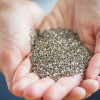
- Soluble fibers (psyllium, chia, flax, oats): they form a gel and soothe the intestinal lining.
- Insoluble fibers (bran, raw vegetables): they speed up transit and have a "sweeping" effect.
Organic blond psyllium is particularly effective: it swells up to 30 times its volume upon contact with water, forming a gentle gel that helps evacuate waste without irritating the intestinal lining.
2. Probiotics: Reseed Intelligently
Your colon hosts between 10 billion and 10 trillion bacteria per milliliter. It is a complex and essential ecosystem for your health. The probiotics (live beneficial bacteria) help to rebalance this ecosystem.
The most studied strains for gut health are Lactobacillus acidophilus, Bifidobacterium bifidum, Lactobacillus rhamnosus. They help strengthen the intestinal barrier, modulate inflammation, and improve transit. You will find them in quality probiotic supplements, but also in fermented foods (kefir, , Kombucha, lacto-fermented vegetables).
3. Digestive enzymes: optimizing assimilation
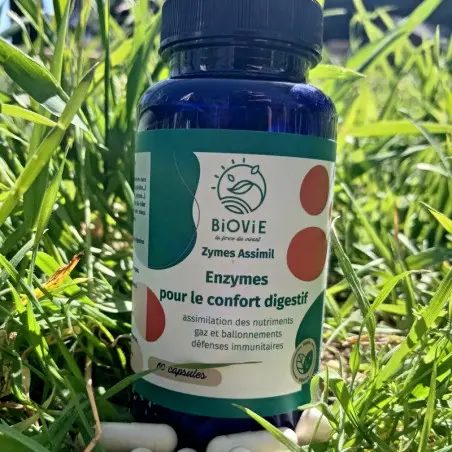
The digestive enzymes These are small proteins that break down food into absorbable nutrients. Your body naturally produces them (pancreas, stomach, small intestine), but sometimes, the production is insufficient: stress, age, unbalanced diet, taking antibiotics...
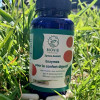
An enzyme supplement such as Assimilate helps to better digest proteins, carbohydrates, and fats, reduces bloating, and optimizes nutrient absorption. It is particularly useful during a detox, because this prevents poorly digested food residues from fermenting and clogging the intestine.
4. Hydration: dilute and eliminate
Water is essential. It dilutes toxins, facilitates transit, and helps the kidneys eliminate waste. During a intestinal detox, aim for at least 2 liters of water per day, ideally outside of meals to avoid diluting digestive juices.
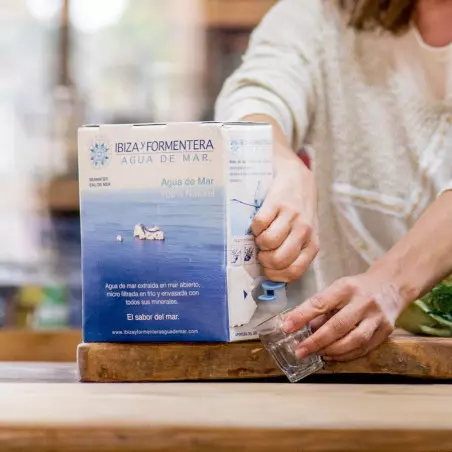
You can also incorporate draining herbal teas (rosemary, dandelion, nettle) orIsotonic seawater, exceptionally rich in bioavailable minerals that support cellular functions.
ZenCleanz ONE: The intensive and gentle alternative (for those who want to go further)
If you are looking for a more comprehensive and structured solution than simply adding fibers and probiotics, without going through theColonic irrigation, there is an intermediate option: the ZenCleanz ONE kit, which we now distribute in France and Europe.
What is ZenCleanz ONE ?
ZenCleanz is a New Zealand brand globally recognized for international excellence in cleaning of the Emunctories(intestines, liver, kidneys, lungs, skin). The kit ONE is their entry-level protocol, designed for a intensive intestinal detoxOver 7 days.
It is not just a simple addition - it is a true guided protocol, with:
- Herbal medicine tablets (psyllium, cascara sagrada, marshmallow root, flax seeds...) which stimulate intestinal peristalsis and help to loosen the matter
- A powder of fibers and probiotics to take morning and evening
- A detailed guide with dietary recommendations, hydration tips, and explanations of what happens in your body during detox

Why ZenCleanz ONE instead of colon hydrotherapy ?
Here is the real question. What is ZenCleanz ONE brings that theColonic irrigation does not bring ?
- Respect for the microbiota : Instead of evacuating everything indiscriminately, ZenCleanz nourishes and rebalances your intestinal flora.
- Progressivity : The protocol spans over 7 days, allowing your body to adapt smoothly.
- Autonomy : You do it at home, at your own pace, without relying on a practitioner.
- Cost : A ZenCleanz ONE kit costs a fraction of the price of 2-3 colonic irrigation sessions.
- Global action : The protocol targets not only evacuation but also the regeneration of the intestinal wall and the rebalancing of the terrain.
Thousands of people around the world have tested ZenCleanz with extremely positive feedback: improved transit, reduced bloating, increased energy, mental clarity, improved skin... And unlike theColonic irrigation, The results seem more sustainable because the approach includes an educational dimension on nutrition and lifestyle.
If you would like to know more about the ZenCleanz ONE kit, we provide comprehensive resources in our store, including testimonials, a detailed protocol, and support if needed.
Comparison: Hydrotherapy vs Natural Detox
To clarify, here is an objective comparison of the two approaches:
Colon hydrotherapy (colonic irrigation)
- Method: Water injection (3-4 liters) into the colon via a rectal cannula
- Location: Specialized cabinet
- Duration: 1h-1h15 per session (2-3 sessions recommended)
- Cost: 90-120€ per session (180-360€ total)
- Invasiveness: Elevated - introduction of a cannula, water pressure
- Action on the microbiota: Major disruption - massive evacuation of bacteria
- Scientific evidence: No rigorous study validating the effectiveness
- Documented risks: Perforations, infections, electrolyte imbalances
- Contraindications: Numerous (pregnancy, inflammatory diseases, hemorrhoids...)
- Autonomy: No dependency on the practitioner
- Sustainable results: No (if no dietary change)
- Educational dimension: Absent
Natural Intestinal Detox (Biovie/ZenCleanz Protocol)
- Method: Fibers + probiotics + enzymes + hydration
- Location: At home
- Duration: 7 to 21 days (progressive protocol)
- Cost: Variable depending on products (generally €50-150 total)
- Invasiveness: Null - oral intake only
- Action on the microbiota: Rebalancing and regeneration
- Scientific evidence: Numerous studies on fibers, probiotics, enzymes
- Documented risks: Minimal (possible mild detox symptoms)
- Contraindications: Limited (pregnancy, specific allergies)
- Autonomy: Total - protocol to do at home
- Sustainable results: Yes (if good habits are maintained)
- Educational dimension: Forte - learning about raw food
This comparison speaks for itself. TheColonic irrigation is a one-time, invasive, costly intervention, without a solid scientific basis, and that does not solve anything in the long term. The natural intestinal detox, It is a progressive approach, respectful of your body, scientifically based, and that makes you autonomous.
How to choose the method suited to your situation
Now, the practical question: which approach is right for you? Here are some points to consider to help you decide.
You are more into natural detox if...
- You prefer gentle and non-invasive methods.
- You want to understand and learn, not just delegate.
- You are looking for a sustainable solution, not a one-time "reset."
- You have time ahead of you (7 to 21 days of protocol)
- You are ready to modify your Eating habits
- You want to respect and strengthen your microbiome
- You have a limited budget
- You have contraindications to colonic irrigation.
Colon hydrotherapy could be considered if...
- You are looking for a quick and timely solution.
- You have no medical contraindications.
- You are ready to invest 200-300 euros.
- You are accompanied by a doctor who recommends this practice in a very specific context (which is rare).
- You accept the documented risks and the lack of solid scientific evidence.
Honestly, if you ask us for our opinion after 18 years of guiding thousands of people towards natural well-being at Biovie, we will always direct you towards the natural intestinal detox. Why? Because it respects your body, makes you autonomous, relies on proven physiological mechanisms, and is part of a comprehensive health approach.
TheColonic irrigation, it remains a one-time intervention, costly, potentially risky, and it doesn't solve anything if you don't change your underlying habits. It is not a solution - at best, it is a symptom of our disconnected relationship with our body and health.
Natural Intestinal Detox Protocol Biovie (7-21 days)
Here we are, getting to the concrete. How to implement a natural intestinal detox Effective, step by step, without hassle ?
Preparatory phase (3 days before):
- Gradually reduce processed foods, sugar, caffeine, alcohol.
- Increase your consumption of raw and cooked vegetables, and fresh fruits.
- Hydrate yourself more (1.5 to 2 liters of water per day)
- Start taking probiotics if you aren't already taking them.
Active phase (7 to 21 days):
Morning (fasting):
- 1 tablespoon of blond psyllium in a large glass of water (wait 10 minutes then drink)
- Followed by a second large glass of water
- Wait 30 minutes before eating
Breakfast:
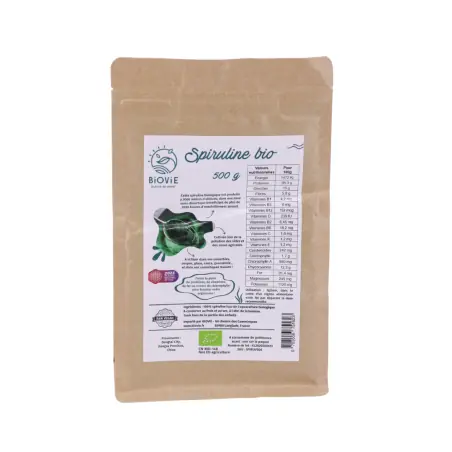
- Green smoothie with spinach, banana, chia seeds, , spirulina

- Or oatmeal with fresh fruits and ground flaxseeds
Lunch:
- Large salad of assorted raw vegetables (carrots, beetroot, cabbage, lawyer...)
- Plant proteins (sprouted legumes, tofu, tempeh)
- Whole grains (quinoa, brown rice)
- First cold-pressed olive oil
Snack (if hungry):
- Fresh vegetable juice
- Or activated almonds
Dinner:
- Homemade vegetable soup
- Steamed vegetables
- Light proteins
Before sleeping:
- Draining herbal tea (rosemary, dandelion, nettle)
- 1 capsule ofdigestive enzymes if needed
Recommended supplements during detox:
- Organic blond psyllium : 1 to 2 tablespoons per day (morning and/or evening)
- Multi-strain probiotics : 10 billion CFU minimum
- Assimil digestive enzymes : 1 capsule with each meal
- Isotonic seawater : 1 cap in 1 liter of water (remineralization)
- ZenCleanz ONE Kit (optional): for a more intensive and structured detox
Stabilization phase (after detox):
Do not abruptly return to your old habits! Take advantage of this detox to establish new practices:
- Maintain a diet rich in living foods (at least 50% raw)
- Continue the probiotics in a 3-month course.
- Maintain good daily hydration
- Regularly integrate fresh vegetable juice
- Practice intermittent fasting 1 to 2 times a week if it suits you.
Mistakes to Avoid During Your Gut Detox
Because a intestinal detox, if mishandled, can do more harm than good, here are the pitfalls to absolutely avoid:
1. Going too fast, too hard
Detox is not a race. If you switch from an ultra-processed diet to a drastic protocol overnight, your body will protest violently: headaches, intense fatigue, irritability, diarrhea... Take it gradually. Prepare your body for a few days before starting the active phase.
2. Not drinking enough water
Fibers (especially psyllium) need water to function. Without sufficient hydration, they can actually cause constipation and create discomfort. Aim for at least 2 liters of water per day throughout the entire duration of the detox.
3. Forget probiotics
If you clean without reseeding, you create an imbalance. The probiotics are essential for restoring a healthy microbiota after eliminating waste. It's like cleaning a garden and then replanting - both steps are essential.
4. Continuing an unbalanced diet during detox
It seems obvious, but some try to make a detox while continuing to eat pizzas, sodas, and processed foods... It doesn't work. During detox, the diet should be as natural, simple, and plant-based as possible.
5. Ignoring the signals from your body
Mild detoxification symptoms are normal (temporary fatigue, mild headaches, small skin rashes). But if you experience intense pain, significant dizziness, severe diarrhea, stop and consult a healthcare professional. Your body is speaking to you - listen to it.
6. Considering detox as a miracle solution
The intestinal detox is a tool, not a magic wand. It does not replace a balanced diet, regular physical activity, good stress management, and quality sleep.
FAQ: Your 10 Questions About Intestinal Detox
Q1: Is colon irrigation safe ?
No, thecolon hydrotherapy procedure is not without risk. Although serious complications are rare, they do exist: intestinal perforations, infections, electrolyte imbalances, disruption of the microbiota. The Medical Council does not recognize this practice as a medical act, and scientific studies are lacking to prove its effectiveness. If you have contraindications (pregnancy, inflammatory bowel diseases, hemorrhoids, tumors...), theColonic irrigation is strongly discouraged. In case of doubt, always consult a doctor before proceeding.
Q2: How long does it take to see the results of a natural detox ?
The first effects of a natural intestinal detox can be felt from the first few days: improved digestion, reduced bloating, feeling of lightness. However, the deeper benefits (rebalancing of the microbiome, increased energy, mental clarity) usually take 2 to 3 weeks to fully manifest. It is a gradual process, not a sudden "reset." Patience is required, and the results are all the more lasting because they are achieved gently.
Q3: Can I do a colon detox if I have irritable bowel syndrome ?
Yes, but with precautions. Irritable bowel syndrome (which affects approximately 20% of the world's population) requires a particularly gentle approach. Avoid overly aggressive insoluble fibers at first, favor gentle soluble fibers (psyllium, chia), introduce probiotics gradually, and adapt the protocol to your sensitivity. Ideally, you should be accompanied by a naturopath or a healthcare professional who is well-versed in functional intestinal disorders. On the other hand, theColonic irrigation is often discouraged in cases of irritable bowel syndrome as it can worsen the symptoms.
Q4: Are digestive enzymes really necessary ?
They are not mandatory, but they can significantly improve the efficiency of your intestinal detox. If you experience recurrent bloating, slow digestion, food intolerances, or if you are recovering from a period of intense stress or antibiotic use, your natural digestive enzymes may be insufficient. An enzyme supplement (such as Assimil) helps your body break down food more effectively, reduces intestinal fermentation, and optimizes nutrient absorption. It's a discreet but very effective boost, especially during and after a detox.
Q5: Can you lose weight with an intestinal detox ?
A intestinal detox is not a weight loss diet. However, it can lead to moderate and temporary weight loss (usually 1 to 3 kg) due to the elimination of stagnant waste and the reduction of bloating. If you then maintain a healthy diet, rich in live foods and fiber, this loss can stabilize. But the primary goal of a intestinal detox is to rebalance your digestive system, not to lose weight. If weight loss is your priority, a comprehensive approach (balanced diet, physical activity, stress management) will be more effective in the long term.
Q6: What is the ideal frequency for doing an intestinal detox ?
Once or twice a year is generally sufficient for most people. For example, a detox cure In the spring (to eliminate winter build-up) and in the fall (to prepare the body before winter). The rest of the time, simply maintain a healthy, fiber-rich diet. A permanent detox makes no sense - your body needs cycles of cleansing AND cycles of rebuilding. If you feel the need for more frequent detoxes, it may be a sign that your basic diet needs to be rebalanced.
Q7: Can you do an intestinal detox during pregnancy ?
No, absolutely not. Pregnancy is a formal contraindication to any intensive detox, whether it is aboutcolon hydrotherapy or natural detoxification protocols. During pregnancy, your body needs stability and nutrients, not elimination processes. The toxins released during a detox could potentially reach the fetus. If you experience digestive issues during pregnancy, consult your doctor or midwife for safe and appropriate solutions. Wait until after breastfeeding before considering any detox.
Q8: Are home enemas a good alternative to colonic irrigation ?
Home enemas (with an enema bulb or an enema bag) are less invasive than theColonic irrigation professional, as they only reach the rectum and the lower part of the colon with a limited volume of water (0.5 to 1 liter maximum). They can be useful in cases of occasional constipation. However, they do not replace thecolon irrigation (which targets the entire colon) nor a natural intestinal detox global. And they are not without risk: poor technique can cause rectal injuries or imbalances. If you choose this option, strictly adhere to hygiene rules and contraindications.
Q9: What should I do if I experience unpleasant symptoms during the detox ?
Detoxification process and consult a healthcare professional. detox and consult a healthcare professional. Your body is speaking to you - listen to it.
Q10: Does intestinal detox really improve energy and mental clarity ?
Yes, and it makes sense. Your gut is not just a digestive tube - it's your "second brain." It houses millions of neurons and produces the majority of your serotonin (the well-being hormone). A congested, inflamed gut with an imbalanced microbiota sends stress signals to your brain, disrupting your mood, energy, and mental clarity. By rebalancing your gut, you also rebalance your mind. Many people report after a well-conducted detox : better energy, more restorative sleep, more stable mood, improved concentration. It's not magic - it's simply your body functioning better.
Conclusion: Your gut deserves your attention (and your gentleness)
Here you go, you now have all the keys to make an informed choice between thecolon hydrotherapy and the natural intestinal detox.
Honestly, to sum it up: theColonic irrigation is an invasive, costly procedure, without solid scientific evidence, with documented risks, and it does not solve anything in the long term if you do not change your diet. The natural intestinal detox, It is gentle, gradual, respectful of your microbiota, based on proven physiological mechanisms, and makes you self-sufficient.
Our belief at Biovie, after 18 years of guiding thousands of people towards living foods and natural well-being, is that your body knows how to heal itself when given the right tools. And the right tools are primarily: a diet rich in living foods and fiber, sufficient hydration, probiotics, digestive enzymes if necessary, and time.
You do not need violence. You do not need external intervention. You just need to listen to your body, provide it with what it needs, and trust it.
If you want to test a natural intestinal detox, our kit ZenCleanz ONE was designed precisely for that: to accompany you gently, at your own pace, with quality ingredients and a clear protocol. It is the international excellence in terms of cleansing of the emunctories, now accessible in France.
And don't forget: a intestinal detox is just a starting point. True change, the kind that lasts, is a daily living diet, rich in nutrients, enzymes, fiber, and mindfulness.
Take care of your gut. It takes care of you.
A varied and balanced diet and a healthy lifestyle are important. Dietary supplements do not replace a balanced diet. In case of persistent digestive issues, consult a healthcare professional.