 Fast delivery
.png)
 Fair prices




Do you wake up already feeling tired? Do you carry this sensation of lacking energy throughout the day? You are not alone. The Fatigue chronic affects nearly 20% of French people, and many are seeking natural solutions to regain their vitality without resorting to artificial stimulants.
Honestly, we all know this feeling: the difficult wake-up, the 11 a.m. slump, the urge to collapse by 3 p.m... And yet, you get your recommended 7-8 hours of sleep. So why this persistent lack of energy ? ?
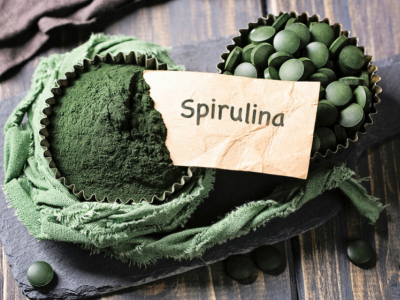
This is where the spirulina This blue-green microalga, used for centuries by Aztec and African civilizations, is now recognized by the World Health Organization as one of the superfoods the most comprehensive on the planet. And for good reason: its richness in iron, proteins, vitamin B12, and antioxidants actually makes it an ideal ally to combat fatigue and naturally regain your energy.
In this article, we will explore together why you are tired, how spirulina can concretely help you, and most importantly, how to use it effectively for visible results. No miracle promises: only scientific facts, a clear understanding of the body's mechanisms, and practical advice that will allow you to take action today.
Why are you always tired? The causes you might not know
Nutritional Deficiencies: The Silent Culprit
You eat a balanced diet, you don't skip meals, and yet... this fatigue persists. The problem doesn't necessarily come from the quantity of food, but from its nutritional quality.
Here are the most common deficiencies responsible for chronic fatigue:
Iron deficiency affects 25% of women of childbearing age and 2% of adult men. Iron is essential for the transport of oxygen in the blood. Without it, your cells lack oxygen, which causes guaranteed fatigue. If you are vegetarian or have heavy periods, you are particularly at risk. Moreover, if you follow a vegetarian or vegan diet, spirulina can really naturally fill this deficiency.
Vitamin B12 deficiency is particularly common among the vegetarians and vegans. It causes intense fatigue, concentration issues, and even anemia. This vitamin is almost exclusively found in animal products, which is why it is important to supplement when following a plant-based diet.
Magnesium deficiency would concern about 70% of the French population, according to the study SU.VI.MAX. Magnesium is involved in more than 300 enzymatic reactions in your body. Without it, there is a guarantee of muscle fatigue, stress and of sleep disorders.
Protein deficiency is also a major factor of fatigue. Proteins are the building blocks of your body. Without them, it is impossible to maintain your muscle mass and energy levels. If you regularly skip meals or have an unbalanced diet, you are likely lacking in proteins.
Concretely, if you are vegetarian, vegan, or simply have an unbalanced diet, you are likely accumulating several of these deficiencies. And this is exactly where spirulina for energy becomes interesting: it contains all these nutrients in significant amounts.
Oxidative stress: when your body rusts from the inside
Have you ever seen a bicycle rust in the rain? That's exactly what happens in your body with the oxidative stress. Pollution, industrial food, chronic stress, lack of sleep... All these factors produce free radicals, these unstable molecules that attack your cells.
Result? Your cells age prematurely, your immune system weakens, and your cellular energy production (via the mitochondria) decreases. You feel tired, even without any particular effort.
To combat this phenomenon, your body needsantioxidants. And guess what? Spirulina is packed with it: phycocyanin, Beta-carotene, vitamin E, zinc, selenium... A true anti-oxidation shield.
Sleep disorders and the vicious cycle of fatigue
You sleep 8 hours but wake up exhausted? The problem might not be the quantity of sleep, but his Quality.
The most common sleep disruptors are:
Sleep apnea affects 5 to 7% of the adult population. Your brain lacks oxygen throughout the night, which causes difficult waking and chronic fatigue.
Magnesium deficiency, once again, plays a major role. Magnesium regulates your sleep-wake cycle. Without it, you wake up several times a night without understanding why.
The stress and anxiety also disrupt your sleep. It is impossible to recover if your cortisol (stress hormone) remains elevated throughout the night.
The good news? The spirulinaRich in magnesium and tryptophan (precursor of serotonin and melatonin) can help regulate your sleep cycle and improve its quality.
Underlying pathologies not to be overlooked
Attention, chronic fatigue can also be a symptom of a more serious condition. If your fatigue persists despite supplementation and a balanced diet, consult a doctor to rule out:
Hypothyroidism: Your gland thyroid operates at a slow pace, which slows down your metabolism and causes intense fatigue.
Diabetes: Your Blood sugar is malfunctioning, which leads to energy spikes followed by sudden drops.
Chronic fatigue syndrome: A complex pathology that requires specialized medical monitoring.
Depression: Fatigue is one of the main symptoms of depression and requires medical support.
Spirulina is not a medication and does not replace a medical diagnosis. However, it can be an excellent natural supplement to support your body, alongside medical supervision if necessary.

Spirulina: a nutritional composition that restores energy
Iron: The Key Element Against Anemia and Fatigue
Iron is somewhat like the fuel for your red blood cells. Without it, transporting oxygen to your cells is impossible. The result? Fatigue, shortness of breath, paleness, difficulty concentrating...
Spirulina contains between 50 and 100 mg of iron per 100g., which is much more than most iron-rich foods (spinach contains only 2.7 mg per 100g, to give you an idea).
But be careful, there is iron and iron. The iron in spirulina is of the non-heme iron, that is to say, it is less well absorbed than heme iron (found in meat). However, its bioavailability remains excellent thanks to the presence of natural vitamin C in spirulina, which facilitates its absorption.
A study conducted on anemic women showed that supplementation with spirulina for 12 weeks significantly increased their hemoglobin levels and reduced their fatigue. Specifically, if you are iron deficient (which is likely if you are vegetarian or have heavy periods), the spirulina iron can really make a difference.
Complete proteins: 60 to 70% bioavailable proteins
Did you think that meat was the only source of complete proteins? Think again. Spirulina contains between 60 and 70% protein., more than any other animal or plant food.
And that's not all: these proteins are complete, meaning they contain the 9 essential amino acids that your body cannot produce. In other words, spirulina is a protein of a quality equivalent to that of egg or meat.
Why is it important for your energy? Because proteins are essential for cellular energy production, muscle repair, and the synthesis of neurotransmitters (serotonin, dopamine) that regulate your mood and motivation.
If you are an athlete, vegetarian, or simply lacking energy, a spirulina protein treatment can help you regain your vitality. Moreover, if you are wondering how spirulina can improve the health of your hair, it is thanks to these complete proteins that also nourish your hair from the inside.
Vitamin B12: Essential for the Proper Functioning of the Nervous System
Vitamin B12 is the The ultimate anti-fatigue vitamin. It is essential for the formation of red blood cells, the proper functioning of the nervous system, and the production of cellular energy.
Spirulina contains vitamin B12, but (and it's a big but), it is mainly about pseudo-vitamin B12 (inactive analogs) which are not really directly usable by the human body at the level of scientific research to date. So, do not rely on spirulina as the sole source of B12 if you are vegan. You will need to supplement on the side.
Phycocyanin: the star antioxidant that boosts your immunity
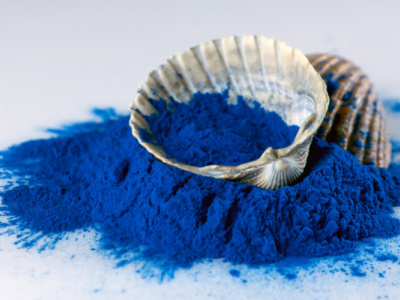
The phycocyanin, it is the blue pigment of spirulina. And it is also one of its most powerful compounds.
This super-antioxidant has anti-inflammatory, immune-stimulating, and protective properties for the liver. But above all, Phycocyanin increases the production of erythropoietin (EPO)., this hormone that stimulates the production of red blood cells.
Result? More red blood cells = better oxygen transport = more energy. This is why some high-level athletes use spirulina phycocyanin as a natural supplement to improve their performance.
In addition, phycocyanin protects your cells from oxidative stress (as mentioned earlier), which slows down cellular aging and improves your recovery.
Magnesium and trace elements: essential cofactors
We talked about it above: 70% of French people are deficient in magnesium.. And magnesium is somewhat the conductor of your body. It is involved in more than 300 enzymatic reactions, particularly those related to energy production (ATP).
The spirulina contains magnesium, but also zinc, selenium, manganese... All these trace elements are some Enzyme cofactors, that is to say, they allow your enzymes to function properly.
Without them, it is impossible to convert nutrients into energy. With them, your metabolism runs at full capacity.
How spirulina acts against fatigue: the scientific mechanisms
Improvement of oxygen transport in the blood
Imagine that your cells are cars. Oxygen is the fuel. Red blood cells are the tankers that deliver the fuel. And iron is the fuel for the tankers.
If you lack iron, your trucks cannot run. If your trucks do not run, your cells have no fuel. And without fuel, it is impossible to produce energy.
Specifically, Spirulina, rich in iron, helps increase your hemoglobin levels. (the protein that carries oxygen in the blood). More hemoglobin = better oxygen transport = more energy at the cellular level.
A study published in the Journal of Medicinal Food showed that Spirulina supplementation significantly increased hemoglobin levels in anemic individuals., and significantly reduced their fatigue.
Reduction of oxidative stress and cellular protection
Do you remember the oxidative stress we talked about earlier? Those free radicals that attack your cells and prematurely tire you out ?
Well, Spirulina is one of the most antioxidant-rich foods on the planet.. Its ORAC index (Oxygen Radical Absorbance Capacity, which measures antioxidant power) is 24,000, compared to 4,600 for blueberries (which are known for their antioxidants).
Thanks to its richness in phycocyanin, beta-carotene, vitamin E, zinc, and selenium, Spirulina neutralizes free radicals and protects your cells from oxidation. The result? Your cells function better, produce more energy, and age more slowly.
A study conducted on athletes showed that spirulina reduced markers of oxidative stress after exercise, and improved muscle recovery. If you feel tired after the slightest effort, it is probably because your body is undergoing significant oxidative stress. The spirulina antioxidants can help you.
Immune system support to prevent infectious fatigue
Do you get sick as soon as someone coughs next to you? Do you keep getting colds, sore throats, infections? It exhausts your body and makes you tired.
Spirulina is a natural immunostimulant. It increases the production of T lymphocytes and Natural Killer cells (the "killers" of infected cells), strengthens your immune system, and helps you resist infections.
A study published in the European Journal of Applied Physiology showed that Spirulina increased the activity of immune cells by 40%. after only 6 weeks of supplementation.
Specifically, if you are often sick and tired, a spirulina treatment to strengthen your immune system can really make a difference.
Regulation of blood sugar and stabilization of energy throughout the day
You know that feeling: a burst of energy after a meal, followed by a monumental crash two hours later? It's a sign of a blood sugar that is on a rollercoaster.
When your blood sugar rises too quickly (after a meal rich in fast sugars), your pancreas secretes insulin to lower the blood sugar level. But sometimes, it secretes too much, and your blood sugar drops sharply. The result? Fatigue, irritability, difficulty concentrating.
Several studies have shown that Spirulina helps regulate blood sugar levels., by improving insulin sensitivity and slowing down carbohydrate absorption. The result? More stable energy throughout the day, without those crashes that force you to reach for sugar.
A study conducted on people with type 2 diabetes showed that spirulina reduced fasting blood sugar by 10 to 15% after 12 weeks of supplementation. If you are prone to reactive hypoglycemia or want to stabilize your energy, the spirulinaCan help you. Moreover, if you are also looking to lose weight with spirulina, this regulation of blood sugar plays a key role.
How to consume spirulina to effectively combat fatigue
Precautions for use and important contraindications
Is spirulina safe ?
Yes, Spirulina is considered safe by the World Health Organization.. It has been consumed for centuries without notable side effects, and toxicological studies have confirmed its safety.
However, like any dietary supplement, there are some precautions to be taken.
Contraindications to know
Phenylketonuria: Spirulina contains phenylalanine, an amino acid that people with phenylketonuria cannot metabolize. If you suffer from this rare genetic disorder, avoid spirulina.
Autoimmune diseases: Spirulina stimulates the immune system. If you suffer from an autoimmune disease (multiple sclerosis, lupus, rheumatoid arthritis…), consult your doctor before taking spirulina.
Hemochromatosis (excess iron): If you suffer from hemochromatosis (a genetic disease that causes an accumulation of iron in the body), avoid spirulina, which is rich in iron.
Allergies to algae: Rare, but possible. If you are allergic to seaweed or seafood, do a test with a small dose before starting a treatment.
Possible side effects (and how to avoid them)
Spirulina is generally very well tolerated, but some people may experience detox effects at the beginning of the treatment:
Nausea, headaches, mild digestive disorders: This is a sign that your body is eliminating toxins. Reduce the dose (1 gram per day) and gradually increase it.
Skin allergic reactions: Very rare, but if you develop itching or redness, stop taking spirulina and consult a doctor.
To avoid these side effects, always start with a small dose (1 to 2 grams per day) and gradually increase over a week.
Which spirulina to buy? Quality criteria to check
Not all spirulinas are created equal. Here are the quality criteria to check before buying:
Origin: Favor a spirulina cultivated in France or Europe, in controlled basins. Asian spirulinas (China, India) are often cheaper, but they can be contaminated with heavy metals or toxins (microcystins).
Organic certification: The AB label (Organic Agriculture) guarantees spirulina grown without pesticides, without chemical fertilizers, and under controlled conditions. At Biovie, all our spirulina is certified organic by Ecocert.
Drying method: Dried spirulina should be dried at a low temperature (less than 42°C) to preserve its nutrients, particularly phycocyanin. Avoid spirulina that has been sun-dried or dried at high temperatures.
Control analyses: Ensure that the producer conducts regular analyses (heavy metals, microcystins, pesticides).
Our recommendation: If you want to be sure of the quality, choose Biovie spirulina. We work with French producers, we check each batch, and we guarantee you pure, organic, and optimal quality spirulina.
Frequently Asked Questions
Does spirulina really give energy ?
Yes, spirulina helps combat fatigue in a natural and sustainable way. Unlike stimulants like coffee that provide a temporary boost, spirulina works deeply by correcting deficiencies (iron, proteins, B vitamins) and supporting cellular energy production. The effects are usually felt gradually, generally after 2 to 4 weeks of regular use.
How long does it take to see results on fatigue from taking spirulina ?
The initial effects are generally felt after 2 to 4 weeks of regular intake. However, for lasting results, we recommend a minimum 3-month course. Spirulina is not a quick stimulant, but a superfood that deeply nourishes your body.
What dose of spirulina should be taken for chronic fatigue ?
For chronic fatigue, we recommend 5 to 10 grams of spirulina per day (about 1 to 2 teaspoons of spirulina powder). If you are just starting, begin with 1 to 2 grams per day and gradually increase to avoid detox effects.
Can spirulina replace an iron supplement ?
Spirulina is very rich in iron (50 to 100 mg per 100g) and can help correct a mild iron deficiency. However, in cases of severe anemia, it does not replace medical treatment with heme iron. Consult your doctor for a proper diagnosis and treatment.
Can you take spirulina if you are pregnant or breastfeeding ?
Spirulina is a natural food rich in iron, proteins, and vitamins, making it an interesting supplement during pregnancy and breastfeeding. However, we recommend consulting your doctor or midwife before starting a course, to ensure it is suitable for your situation.
Are there any side effects to taking spirulina ?
Spirulina is generally very well tolerated. Some mild detox effects (headaches, nausea, digestive issues) may occur at the beginning of the treatment, especially if you start with a dose that is too high. To avoid these inconveniences, start with 1 to 2 grams per day and increase gradually.
What is the best form of spirulina for combating fatigue: fresh, powder, or tablets ?
Fresh spirulina is the most bioavailable form and the richest in phycocyanin (the star antioxidant of spirulina). If you're looking for maximum effectiveness, this is the form to prioritize. Spirulina powder is more convenient and has a longer shelf life. Tablets are convenient for those who don't like the taste, but make sure they don't contain additives.
Is spirulina suitable for vegetarians and vegans ?
Absolutely! Spirulina is a source of complete proteins (60 to 70%), iron, and many nutrients often lacking in vegetarian and vegan diets. However, be careful: the vitamin B12 in spirulina is not usable by the human body. If you are vegan, you need to supplement with B12 separately.
Conclusion: spirulina, a natural ally against fatigue
You got it, chronic fatigue is not a fatality. In the majority of cases, it is a sign of a nutritional imbalance (deficiencies in iron, proteins, vitamins), oxidative stress, or a weakened immune system.
Spirulina combats fatigue by addressing all these causes simultaneously. Thanks to its exceptional richness in iron, proteins, phycocyanin, antioxidants, and trace elements, it deeply nourishes your body, corrects your deficiencies, and helps you regain your energy naturally.
It is not a miracle cure that works overnight. But if you are consistent (at least a 3-month course), if you choose a quality spirulina (organic, French, controlled), and if you combine it with a healthy lifestyle (sleep, balanced diet, stress management), you will see the difference.
At Biovie, Aurélie and I have been consuming spirulina every day for years. It's our "energy insurance," especially when our days are intense (and believe me, they often are with the kids, the business, the travels…).
If you want to test it, start with a small dose (2 to 3 grams per day), listen to your body, and gradually increase. And above all, choose a quality spirulina. Our Biovie spirulina is grown in France, certified organic, and regularly inspected. You have our word.


Which form of spirulina to choose? Powder, flakes, tablets, or fresh ?
Have you decided to start a spirulina regimen? Excellent idea. But now, you're wondering: which form should you choose ?
At Biovie, we offer several forms of spirulina — all selected for their purity, traceability, and effectiveness. And each form has its advantages.
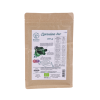
Spirulina powder
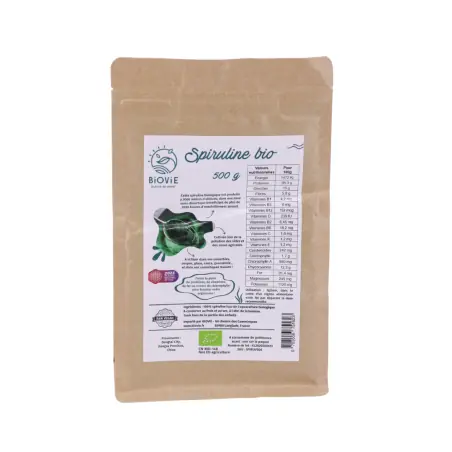
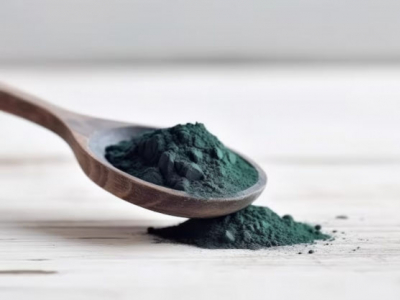
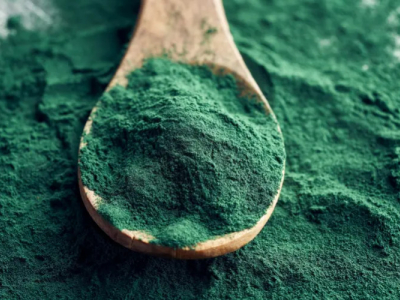
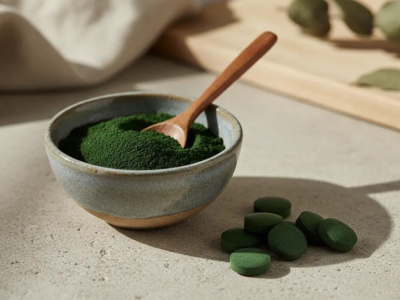
The spirulina powder is the most practical and versatile form. You can mix it into your smoothies, juices, soups, dressings... It has a long shelf life and is easy to measure.
On the other hand, it has a more pronounced taste than fresh spirulina (some say "ofalgae"or "sea"), so you have to like it or know how to camouflage it.
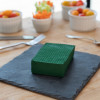
Organic fresh spirulina in block form
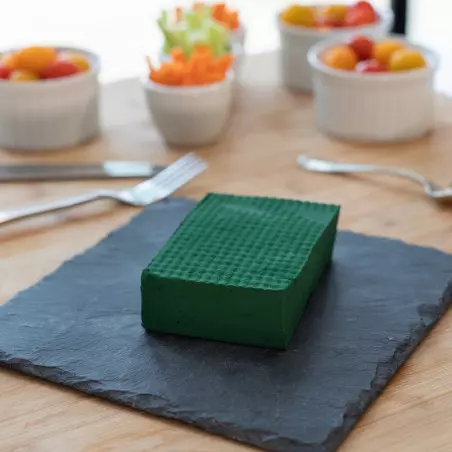
Fresh spirulina in the form of cobblestone is an ultra-natural form to be considered as a true food to be consumed as such, and not just a simple supplement. This 400 g "block" (certified organic, made in France) is obtained by harvesting, gentle pressing to remove excess water, and then cutting into a compact block.
Its creamy texture makes it very pleasant: it can be spread, cut with a knife, or mixed into cold recipes. Its taste is neutral, and it adds a beautiful green color and a subtle "umami" to your dishes.
In practice: it is stored in the refrigerator (short shelf life, as it is fresh), can be measured according to your needs (e.g., a spoonful in the morning), and is incorporated into cold or warm dishes rather than hot ones.
To be preferred if:
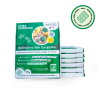
Organic frozen fresh spirulina
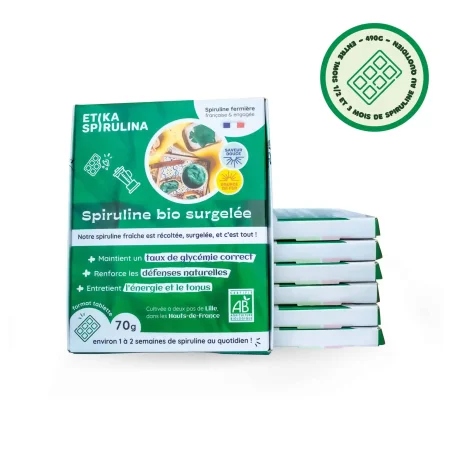
Made in France from algae grown in biological ponds, this spirulina is harvested, pressed to remove excess water, then immediately frozen to preserve 100% of its nutrients, enzymes, and active pigments (including phycocyanin).
It comes in the form of 6 tablets of 70 g each, which is approximately a 3-month course.
Neutral taste: Thanks to its freshness and lack of dehydration, it blends into your juices, smoothies, yogurts, or sauces without altering the taste.
Optimal bioavailability: Compared to dry spirulina, this version retains its active enzymes, which enhances the absorption of nutrients by your body.
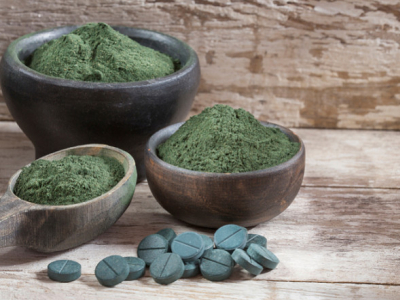
Spirulina tablets
It is the most convenient form for those who do not like the taste. You swallow your tablets with a glass of water, and that's it. However, attention to quality. Many tablets contain additives (binders, fillers) that reduce the pure spirulina content.
Our opinion at Biovie: We do not offer tablets, as we prioritize the purest and most natural forms (powder, flakes, fresh). If you really prefer tablets, make sure to check the composition: 100% spirulina, without additives.
What dose of spirulina should be taken for fatigue ?
The recommended dose of spirulina varies according to your profile and goals. To combat fatigue, here are our recommendations:
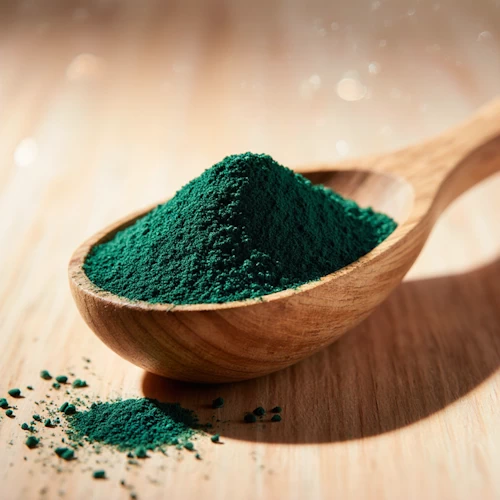
For mild fatigue or prevention: 3 to 5 grams per day (about 1 teaspoon of spirulina powder).
For chronic fatigue or proven deficiencies: 5 to 10 grams per day (about 1 to 2 teaspoons).
For athletes or very active people: 10 to 15 grams per day.
Important: If you are a beginner, start gradually (1 to 2 grams per day) to allow your body to adjust. Spirulina is a detoxifying food, and a dose that is too strong at once can cause nausea or headaches (detox effect).
At what time of the day should you take spirulina ?
To maximize the effects of spirulina against fatigue, take it in the morning on an empty stomach or at breakfast. Why ?
In the morning, your body needs energy. to start the day. Spirulina provides him with all the necessary nutrients.
On an empty stomach, absorption is better. (no competition with other foods).
Spirulina contains proteins and amino acids. that provide you with lasting energy (without a sugar spike followed by a crash like with a croissant).
You can also take it before physical exertion (1 hour before training) to optimize your performance and recovery.
How long does a spirulina treatment last ?
For visible results, we recommend a minimum 3-month treatment. Why? Because spirulina works deeply on your deficiencies and metabolism. It is not a stimulant that acts in 5 minutes (like coffee), it is a superfood that nourishes your body and corrects the imbalances.
The first effects are generally felt after 2 to 4 weeks (better energy, better recovery), but for sustainable results, you need to give your body time to replenish its reserves of iron, proteins, antioxidants...
You can do occasional courses (3 months of treatment, 1 month break), or incorporate spirulina into your daily diet in the long term. At Biovie, Aurélie and I have been consuming spirulina every day for years.
What can be combined with spirulina to maximize its effectiveness ?
To boost the absorption of iron from spirulina, pair it with vitamin C (lemon juice, orange, kiwi, parsley…). Vitamin C increases the absorption of non-heme iron by 3 to 4 times.
For example, you can prepare a energy smoothie the morning with a banana (potassium for energy), an orange (vitamin C for iron absorption), a teaspoon of spirulina powder, a teaspoon of almond puree (magnesium and proteins), and a bit of plant milk or water. Blend, and you have a complete, energizing, and anti-fatigue breakfast.
Activated almond puree
View the productAnother tip: Avoid taking spirulina at the same time as tea or coffee. The tannins in tea and coffee inhibit iron absorption. If you are a heavy coffee drinker, space out your spirulina intake by at least 2 hours.