Chemical composition of castor oil
Castor oil is distinguished by its unique chemical composition. At the heart of this remarkable oil is Ricinoleic acid, a rare fatty acid that makes up 89 to 92% of its composition according to Nitbani et al. (2022), published in the Journal of Oleo Science. This fatty acid is the main contributor to the beneficial effects of castor oil.
Ricinoleic acid has a unique molecular structure, with an additional hydroxyl group on the 12th carbon atom. This characteristic gives it anti-inflammatory and analgesic properties. Studies published in Mediators of Inflammation showed that ricinoleic acid acts by inhibiting the production of prostaglandins, molecules involved in inflammatory processes (Vieira et al., 2000)., https://www.ncbi.nlm.nih.gov/pmc/articles/PMC1781768/).
Besides ricinoleic acid, castor oil contains other beneficial components:
- Unsaturated fatty acids: Castor oil contains small amounts of oleic acid and linoleic acid, known for their moisturizing and nourishing properties, which are particularly beneficial for sensitive skin.
- Vitamin E: This powerful antioxidant protects cells against oxidative damage and contributes to the health of the skin.
- Phenolic compounds: These natural antioxidants enhance the anti-inflammatory properties of the oil.
- Minerals: traces of magnesium and zinc, which play a role in various metabolic processes.
The quality of castor oil can vary significantly depending on its production method. An organic castor oil, cold-pressed like the one we offer at Biovie, ensures optimal preservation of these beneficial compounds, thereby maximizing its effectiveness. It is a criterion that is non-negotiable in our eyes.
Action of castor oil on the body
Castor oil, also called castor oil, has a remarkable effect. Here are the mechanisms that explain its effectiveness:
- The anti-inflammatory effect is the most scientifically documented. Ricinoleic acid works by inhibiting the production of pro-inflammatory prostaglandins, which can relieve joint and muscle pain, as well as certain skin conditions. Vieira et al. demonstrated in 2000 that repeated applications over 8 days induce a marked inhibition of inflammatory edema and a reduction in tissue tachykinins by approximately 75 to 80%.
- The antioxidants present in castor oil play a role in protecting cells against oxidative damage. This action contributes to skin health and the prevention of premature tissue aging.
- When applied locally, castor oil promotes better circulation in the treated area, which can contribute to the natural recovery processes.
- In naturopathic tradition, the castor oil poultice is reputed to support the lymphatic system. The precise mechanisms of transdermal penetration remain partially elucidated by current science - an honest nuance that I find important to mention, even though field experience remains very positive.
The action of castor oil is therefore multi-faceted. Whether it's to relieve pain, improve skin condition, or support the body's natural functions, castor oil offers a holistic and natural approach.
Castor Oil Poultices: Principles and Preparation
The Poultices Castor oil is an ancient method of natural care, rediscovered and popularized by naturopaths such as Irène Grosjean. Used externally, this technique involves applying castor oil to a specific area of the body using a suitable support, often combined with heat. The goal: to allow the oil to exert its effects on the local tissues.
A poultice generally consists of a cloth soaked in castor oil, applied directly to the skin. The anti-inflammatory properties of this oil make it an interesting treatment for various conditions, ranging from muscle pain to abdominal discomfort.
To make a poultice, you will need a few essential elements: high-quality castor oil (organic and cold-pressed), an absorbent piece of fabric such as cotton flannel or gauze, and a gentle heat source - hot water bottle, heating pad, or warm towel. Heat plays a key role in promoting the absorption of the oil and enhancing its local effects.
Steps for preparing a poultice
Here are the detailed steps to make your poultice:
- Choice of support: opt for a natural and absorbent fabric such as flannel, gauze, or organic cotton. These materials allow for better oil retention and a comfortable application on the skin. Avoid synthetic fabrics that could cause irritation.
- Application of oil: Pour the organic castor oil generously onto the chosen fabric. Make sure the fabric is well soaked without being dripping. The oil should be at room temperature for better absorption.
- Use of heat: Prepare a hot water bottle filled with warm (but not scalding) water or a heating pad. The application of gentle heat promotes the penetration of oil into the superficial layers of the tissues.
Setting up the wrap and poultice
Setting up is a crucial step to maximize the benefits. Here's how to proceed:
Choice of materials:
- Opt for a soft and absorbent organic cotton towel, which will serve as the basis for your application.
- Use a high-quality food-grade plastic wrap, BPA-free, to keep the oil in place and preserve the heat.
- Prepare an old towel or a sheet that you are not afraid to stain, to protect your bedding.
Step-by-step setup:
- Start by carefully cleaning the area to be treated with warm water and a mild soap.
- Generously pour the organic castor oil onto the cotton towel. It should be well soaked but not dripping.
- Apply the soaked towel directly to the skin, positioning it on the targeted area.
- Wrap with plastic wrap, making several turns to hold it in place. Be careful not to wrap too tightly to avoid restricting circulation.
- Add a hot water bottle or a heating pad to the wrap. The gentle heat will promote the absorption of the oil.
- Cover everything with the old towel to protect your bedding.
- Make yourself comfortable. If the wrapping does not bother your sleep, you can keep it all night.
For a day wrap, plan for a duration of 1 to 3 hours, ensuring that you are in a comfortable position. After the wrap, gently remove the materials and gently massage the skin to help the excess oil absorb. You can lightly rinse with warm water if necessary.
The regular use of castor oil poultices can provide many benefits. As with any natural treatment, it is recommended to consult a healthcare professional before starting, especially if you have pre-existing medical conditions.
Recommended duration and frequency
The duration and frequency of application are essential factors for achieving optimal results. For most applications, a duration of 30 to 60 minutes is generally recommended. Some more sensitive areas may require shorter durations.
Here are some recommendations according to the areas of the body:
- Joints (knees, elbows, wrists): 30 to 45 minutes
- Abdominal area and liver: 45 to 60 minutes, or all night
- Back: 45 to 60 minutes
- Scalp: 20 to 30 minutes
Regarding frequency, it depends on the intensity of the issue being addressed and the individual reaction. For optimal results, it is often recommended to start with a daily application for a week, then gradually reduce to 3-4 times per week.
Some people may experience benefits from the first applications, while others may require a more prolonged treatment. Listening to one's body is essential to adjust the duration and frequency of the poultices.

Castor oil wraps: technique and benefits
Castor oil wraps represent a more intensive natural care method than poultices, offering prolonged and deep benefits. This technique involves applying castor oil to a larger area of the body and keeping it in place for a longer duration, often overnight.
Unlike poultices, which are generally applied to localized areas for a limited time, wraps cover a larger surface area. This method is particularly recommended for chronic care or for deeper detoxification.
One of the main advantages of overnight wraps is the prolonged action of castor oil. During the sleep, the body enters a state of rest and repair. Additionally, the body's natural heat during the night maintains the oil at a favorable temperature.
Castor oil wraps are particularly recommended for:
- Deep detoxification: Prolonged application supports the lymphatic system, promoting the elimination of toxins accumulated in the tissues.
- Relief of chronic pain: The anti-inflammatory properties of ricinoleic acid (Vieira et al., 2000) can act deeply on painful joints and muscles.
- Improving skin health: prolonged exposure to castor oil intensely hydrates the skin, promotes scar reduction and improves skin elasticity.
- Support for the digestive system: Abdominal wraps can contribute to digestive comfort and support liver functions (see dedicated section below).
Body areas suitable for wraps
Castor oil wraps can be applied to various parts of the body to target specific issues.
1. Joints (knees, elbows, wrists)
The application of wraps on the joints can be beneficial for:
- Relieve arthritic pain,
- Reduce inflammation,
- Improve mobility,
- Reduce joint stiffness and muscle contractures.
Tip : for the knees, wrap the entire joint, covering the area above and below for a more comprehensive action.
2. Abdominal area
Abdominal wraps are known for their beneficial effects on the digestive system:
- Relief from Bloating,
- Improvement of Intestinal Comfort - A Clinical Study (Arslan & Eser, 2011), https://pubmed.ncbi.nlm.nih.gov/21168117/) showed an improvement in defecation comfort in people suffering from chronic constipation,
- Stimulation of liver and gallbladder function.
Application : cover the entire abdominal area, from the bottom of the ribs to the lower abdomen, for a comprehensive action on the digestive organs.
3. Dorsal zone
- Relief of chronic lower back pain,
- Relaxation of tense muscles,
- Improvement of traffic flow in this area.
Advice : cover the entire lumbar region, ensuring that the wrap extends on both sides of the spine.
4. Chest and throat
For respiratory discomfort or congestion, a wrap can help to:
- Reduce local inflammation,
- Facilitate respiratory comfort.
Attention : be careful not to apply the wrap too tightly to avoid obstructing breathing.
5. Feet and ankles
- Improve traffic,
- Reduce swelling,
- Relieve fatigue,
- Contribute to the quality of sleep.
6. Scalp
Scalp wrapping with castor oil can be an excellent hair care treatment for:
- Stimulate hair growth by promoting microcirculation at the hair follicles.
- Improve hair health by strengthening the hair fiber and deeply nourishing the scalp.
Application : apply the oil directly to dry hair and wrap the head with a shower cap or a cotton towel.
Note: Castor oil is known for promoting eyelash growth while strengthening brittle nails due to its richness in nourishing fatty acids and vitamin E.
Optimization of effects
To maximize the benefits of wraps:
- Keep them in place for at least 1 to 2 hours,
- For certain areas (abdomen, back), leave them on overnight.
- The natural body heat during sleep can increase the effectiveness of the oil.
Precautions
- Each person may react differently to wraps.
- Start with short sessions and gradually increase the duration.
- Always consult a healthcare professional before starting a regular treatment, especially if you have pre-existing medical conditions.
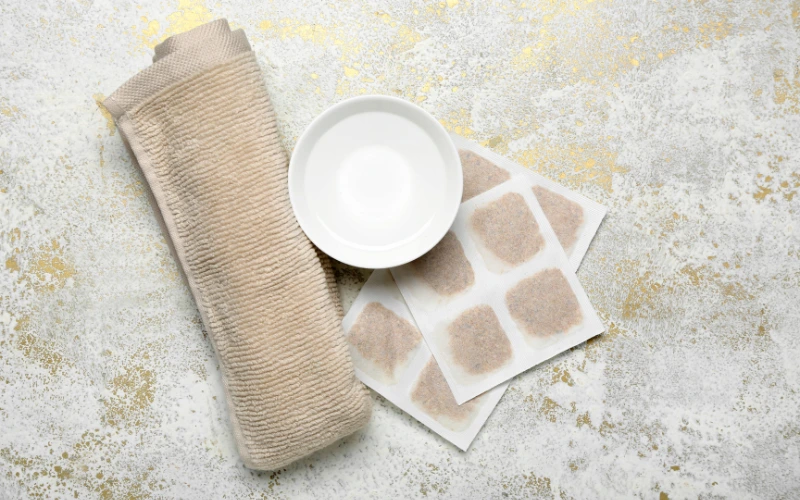
Castor oil poultice on the liver: hepatic support and detoxification
It is probably the application that raises the most questions in my inbox. And frankly, I understand: the liver is the central organ of our metabolism, and the idea of supporting it naturally resonates with many of you. Specifically, how do you position a castor oil poultice on the liver, and what can it really bring ?
The liver is located in the right side of the abdomen, under the ribs. It is precisely in this area - the right side of the abdomen, under the right costal margin - that you will apply the poultice. A towel well soaked in organic castor oil, held in place by plastic wrap, with a hot water bottle on top. The recommended duration is 45 to 60 minutes minimum, ideally in the evening to take advantage of the nighttime regeneration period. Some natural health practitioners even recommend keeping it on all night.
What is the naturopathic mechanism involved ? In the tradition of naturopathy, this practice is known for stimulating the production and flow of bile, supporting the liver's elimination functions, and promoting circulation in this area. It logically fits into an approach of liver cleanse Global.
However, I want to be honest with you: the specific hepatic effects of castor oil poultices are primarily based on naturopathic tradition. Clinical studies directly focused on this specific aspect remain limited to date. What science does confirm, however, is the local anti-inflammatory effect of ricinoleic acid (Vieira et al., 2000) - which can certainly contribute to improved comfort in the hepatic area.
For a comprehensive approach, this poultice ideally pairs with a diet focused on liver support. I recommend finding out what the best foods and drinks to support liver health - The synergies between external care and internal nutrition are always the most powerful, this is what Aurélie and I have observed for years.
Practical protocol for castor oil poultice on the liver:
- Generously soak a cotton flannel towel with organic castor oil.
- Position on the right side of the abdomen, under the costal margin.
- Maintain with BPA-free plastic wrap.
- Place a hot water bottle on top.
- Leave on for 45 to 60 minutes in the evening, lying down and relaxed.
- Practice 3 to 5 times a week for 3 to 6 weeks.
Here is a simple, inexpensive practice that you can easily integrate into your routine. To try it is to adopt it !
Castor oil and green clay poultice: the natural synergy
Combining castor oil and green clay in a single poultice is one of my favorite formulas for inflammatory or joint areas. Each of these two ingredients is already remarkable on its own - together, they form a particularly effective synergy.
The principle is simple: Green clay absorbs toxins locally and provides its remineralizing and purifying properties, while castor oil penetrates the superficial layers of tissues and exerts its anti-inflammatory action. The two complement each other perfectly.
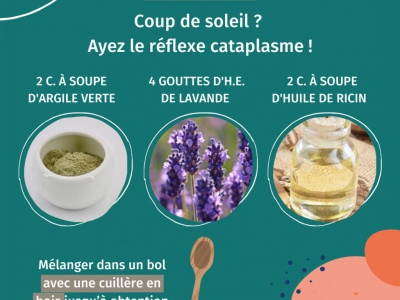
The recipe for the castor oil and green clay poultice:
- 2 tablespoons of green clay powder,
- 2 tablespoons of organic castor oil,
- 4 drops of true lavender essential oil (optional, for its soothing effect),
- Mix in a glass or ceramic container until a smooth paste is obtained.
⚠️ Important precaution: Never use metal utensils or containers with green clay - metal neutralizes its active properties. A simple glass bowl and a wooden spoon are sufficient.
Application: Spread the paste directly on the skin or on a cotton cloth, then apply it to the targeted area. Secure with plastic wrap or a cotton band. Let it work. 30 to 45 minutes, then rinse with lukewarm water. This combination is particularly recommended for:
- Acute or chronic inflammatory areas,
- Painful joints (knees, ankles, wrists),
- The stomach in case of bloating or digestive discomfort.
To deepen your knowledge about green clay and its multiple cosmetic applications, I also recommend our article on the green clay masks for radiant skin.
Specific benefits of poultices and wraps
Castor oil poultices and wraps offer a multitude of benefits, making this practice a valuable tool for natural health. These techniques allow for the full utilization of the properties of castor oil, targeting specific areas of the body.
Relief of joint and muscle pain
Castor oil poultices and wraps are particularly effective for relieving joint and muscle pain. This natural technique provides a local anti-inflammatory action while contributing to the improvement of mobility in the treated areas.
Ricin oil, rich in ricinoleic acid, penetrates the superficial layers of tissues when applied as a poultice. Ricinoleic acid acts as a natural anti-inflammatory - studies published in Naunyn-Schmiedeberg's Archives of Pharmacology (Vieira et al., 2001, PMID: 11534859) showed that it reduces tissue tachykinins by 75 to 80% after repeated applications, which explains its analgesic effect.
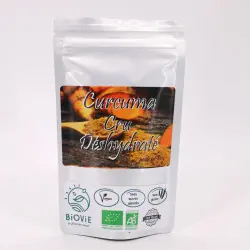
For painful joints such as knees, elbows, or wrists, a castor oil poultice can provide significant relief. Regular application can help reduce joint stiffness and improve flexibility. A natural synergy against pain Joint health can also be enhanced by combining it with other natural ingredients such as turmeric.
Regarding muscle pain, whether due to intense effort or chronic tension, castor oil wraps can be beneficial. The heat combined with the properties of the oil helps to relax muscle fibers, reducing spasms and soreness. This can be particularly useful for athletes or individuals suffering from chronic muscle tension.
Detoxification and lymphatic drainage
Castor oil poultices and wraps are renowned for their beneficial effects on the lymphatic system in naturopathic tradition. Integrated into a regular care routine, this technique offers a gentle approach to stimulate lymphatic drainage and promote the elimination of toxins.
The lymphatic system: our internal cleaning network
The lymphatic system is essential for:
- Maintain a healthy fluid balance,
- Strengthen our immunity (see our article on the immune system),
- Eliminate toxins and metabolic waste.
How castor oil supports lymphatic function
- The heat of the poultice stimulates local circulation and promotes the movement of stagnant lymphatic fluids.
- The anti-inflammatory properties of ricinoleic acid (Vieira et al., 2000) help reduce tissue swelling, facilitating the passage of lymph.
- The elimination of toxins is thus facilitated thanks to this better-supported lymphatic flow.
Recommended application areas for drainage: Abdomen, armpits, groin, neck. Several times a week for noticeable results.
To optimize the effects, combine the poultices with:
Improvement of digestive health
Castor oil poultices and wraps can play a significant role in improving digestive health. Popularized by Irène Grosjean, this technique offers particular benefits for the liver, gallbladder, and intestines.
For the liver:
- Support for natural detoxification,
- Improvement of comfort in the hepatic area,
- Support for fat metabolism.
For the gallbladder:
- Support for the production and flow of bile,
- Relief from discomforts related to gallbladder disorders.
Effects on gut health:
- Reduction of intestinal inflammations,
- Improvement of intestinal comfort - the study by Arslan & Eser (2011) showed an improvement in defecation comfort in people suffering from Chronic constipation, without an increase in the frequency of bowel movements (an important distinction),
- Relief from cramps and bloating.
Additional recommendations:
- Adopt a healthy and balanced diet,
- Ensure adequate hydration,
- Practice regular exercise.
Benefits for the skin and hair
Castor oil poultices and wraps offer remarkable benefits for the health and beauty of the skin and hair. This natural oil has exceptional properties that make it a valuable ally for skincare and hair care.
For the skin, castor oil acts as a powerful natural moisturizer. Thanks to its thick texture and rich composition of fatty acids, it forms a protective barrier that helps retain moisture in the skin. Poultices provide intense and long-lasting hydration, which is particularly beneficial for dry or dehydrated skin.
Beyond hydration, castor oil stimulates the production of collagen and elastin. two essential proteins for maintaining the firmness and elasticity of the skin. A study published in the Journal of Cosmetic Dermatology (Parvizi et al., 2023) showed encouraging results on the improvement of hyperpigmentation, while emphasizing the need for further studies to confirm these effects.
The anti-inflammatory action of castor oil is also beneficial for treating various skin issues. Poultices can help soothe irritations, reduce redness, and relieve certain conditions such as eczema or psoriasis. Furthermore, its documented properties in Lipid Insights (Ogunniyi, 2016) confirms its interest as a broad-spectrum cosmetic raw material.
For hair, castor oil is known for stimulating growth and improving overall health. Scalp wraps promote better circulation in hair follicles. To optimize the benefits for the hair, an overnight wrap is particularly effective: generously apply castor oil to the scalp and lengths, cover with a shower cap, and leave it on overnight.

Irène Grosjean's Method: Features and Advice
Her approach, rooted in a holistic vision of health, emphasizes the healing power of nature and the importance of living food. Irène Grosjean, an iconic figure in naturopathy in France, popularized the use of poultices and castor oil wraps as a natural healing method.
Irène Grosjean, born in 1930, has dedicated her life to the study and practice of natural methods for maintaining and restoring health. Her approach is distinguished by a deep understanding of the interactions between the body, mind, and environment. She considers castor oil as a therapeutic tool capable of supporting the body's natural self-regulation processes.
Irène Grosjean's method is characterized by its simplicity and coherence. It advocates for regular and targeted application, based on the specific needs of each individual. His technique emphasizes the quality of the oil used, always recommending organic, cold-pressed castor oil to ensure optimal effectiveness.
One of the particularities of Irène Grosjean's method is the integration of poultices into a broader health approach. She associates them with dietary changes, notably the adoption of a living food and raw, rich in organic fruits and vegetables. This synergy between external care and internal nutrition is at the heart of its philosophy.
Irène Grosjean also emphasizes the importance of mindset when applying poultices. She encourages a meditative and mindful approach, inviting individuals to connect with their bodies during the treatment.
To delve deeper into Irène Grosjean's method, her book "Life in abundance" is a valuable resource. This book provides practical instructions and a broad perspective on natural health and living foods.
Specific techniques recommended by Irène Grosjean
Irène Grosjean has developed specific techniques for the use of poultices and castor oil wraps. Her holistic approach emphasizes natural methods to support the body's well-being.
Preferred application areas
According to Irène Grosjean, certain areas of the body are particularly receptive to the benefits of castor oil:
- The liver: to support the natural detoxification functions.
- The abdomen: to relieve digestive disorders and promote intestinal comfort.
- Joints: to reduce inflammation and pain.
- The spine: to improve circulation in this area.
- Lymph nodes: to stimulate lymphatic drainage.
Optimal timing
Irène Grosjean recommends applying poultices in the evening, before bedtime, allowing the oil to work during the night, a period of body regeneration.
Complementary practices
To maximize the effects of poultices, Irène Grosjean recommends combining them with:
- a living diet rich in raw and organic foods,
- regular intermittent mini-fasts,
- deep breathing exercises during the application,
- a meditative practice during the application,
- sufficient hydration with pure water.
Frequency and duration
- Recommended daily usage,
- Periods of 3 to 6 weeks,
- Followed by breaks.
It is always recommended to consult a healthcare professional before starting a new care regimen, especially in the case of pre-existing medical conditions.
Testimonials and feedback
The feedback from our customers on the use of castor oil as a poultice is numerous and positive. Here are some genuine reviews left on our pages:
This testimony reflects what we regularly hear: the practice of using poultices, when applied consistently, yields results that speak for themselves.
Sheherazade De la Forêt ★★★★★ (Trustpilot)
"I found the castor oil I was looking for... Excellent product with nice packaging protected from light."
The quality of oil preservation is indeed a crucial point - that is why we package our organic castor oil in opaque bottles, which preserve the integrity of the ricinoleic acid.
The long-term results reported by users often include:
- A sustainable reduction in joint and muscle pain,
- An improvement in skin quality, with better hydration,
- Improved digestive comfort and a general feeling of well-being,
- Increased energy and vitality on a daily basis.
It is important to remember that these feedbacks reflect personal experiences and may vary from one individual to another. The effects depend on many factors: regularity of application, overall health condition, lifestyle.
Precautions and contraindications
The use of castor oil poultices and wraps, although generally well tolerated, requires certain precautions. It is crucial to approach this practice in an informed manner to maximize its benefits while minimizing potential risks.
Castor oil, despite its many virtues, may not be suitable for everyone. Some people may be more sensitive to its effects or have specific contraindications. Therefore, it is essential to be well-informed and, if possible, consult a healthcare professional before starting a regular treatment.
Particular attention must be paid to the quality of the oil used. Always opt for organic, cold-pressed castor oil to ensure the purity of the product and avoid any risks associated with additives or contaminants.
Amrita ★★★★★ (Trustpilot)
"The ordered product (5L castor oil) is of high quality with a very good value for money."
It is also important to note that castor oil poultices and wraps do not replace conventional medical treatment. They should be considered as a complementary approach, integrating into an overall health and wellness strategy.
It is recommended to perform a patch test on a small area of skin before applying the oil to a larger surface. In case of redness, itching, or irritation, discontinue use and consult a doctor.
People at risk
Although castor oil poultices and wraps are generally considered safe, some people should exercise particular caution or avoid this practice.
- Pregnant and breastfeeding women: Pregnant women need to be particularly vigilant. Ricinoleic acid can stimulate the EP3 receptors of prostaglandins, potentially inducing uterine contractions. (Vieira et al., 2000) - this mechanism is also documented in the context of labor induction. Therefore, application on the abdomen is strongly discouraged during pregnancy. For breastfeeding women, consult a healthcare professional before any use.
- People suffering from certain skin conditions: Individuals with active skin conditions, such as eczema or psoriasis, should be cautious. Although the oil may have beneficial effects on certain skin conditions, it can exacerbate symptoms in some people. A preliminary test is recommended.
- People suffering from severe liver or kidney problems should consult their doctor before regularly using poultices on large areas of the body.
- Individuals with a history of allergies or skin sensitivities must be vigilant. Although allergic reactions to castor oil are rare, they can occur - a prior skin test is highly recommended.
- People undergoing medication treatment should discuss with their doctor before incorporating castor oil poultices into their routine, especially for topical treatments.
Castor oil poultice side effects: what science says
Let's be clear on this point, because honest information is better than excessive promises. Here is what science actually tells us about the possible side effects.
For external use, castor oil is generally very well tolerated. The CIR Expert Panel (2007, PMID: 18080873) concluded in its safety report that castor oil is safe under normal cosmetic and topical use conditions. Sensitization reactions are possible but rare.
Possible side effects include:
- Mild skin reactions: Redness or mild itching at the application site, which usually disappears within 24 hours. Always perform a preliminary skin test.
- Local dehydration: If the application is prolonged too long without rinsing, slight skin dehydration may occur. Be sure to hydrate the treated area well after each application.
- Drug interactions: Castor oil can potentially alter the transcutaneous absorption of other molecules applied to the same area. Consult your doctor if you are using topical medications concurrently.
- Contraindication pregnancy (scientifically confirmed): As mentioned above, ricinoleic acid stimulates the EP3 receptors of prostaglandins, which can induce uterine contractions (Vieira et al., 2000). Strongly advised against on the abdomen during pregnancy.
- Severe allergic reactions: rare but possible - in case of swelling, widespread rash, or breathing difficulties, stop immediately and consult a doctor.
Important note: this oil is for external cosmetic use only; do not swallow it. Keep it out of reach of children and avoid any contact with the mouth or eyes during applications.
Conclusion
Castor oil poultices and wraps represent a natural healing method with multiple benefits, offering a holistic approach to improving our health and well-being. This ancient technique, revived by naturopaths like Irène Grosjean, proves to be a valuable tool in our quest for a healthier and more balanced life.
From detoxification to aiding joint comfort, improving digestive comfort, and skin hydration, castor oil reveals its full potential when applied as a poultice or wrap. Its action is confirmed by serious scientific studies on ricinoleic acid (Vieira et al., 2000 and 2001; Nitbani et al., 2022; CIR Expert Panel, 2007) - which sets it apart from many undocumented practices.
However, the use of castor oil is part of a broader approach to overall health. To achieve optimal results, it is recommended to adopt a holistic approach, incorporating a healthy diet rich in raw and organic foods, adequate hydration, and a balanced lifestyle.
For those who wish to explore the benefits of castor oil poultices, choosing a quality product is non-negotiable. Organic castor oil offered by Biovie meets these criteria of excellence. Cold-pressed and sourced from organic farming, it ensures optimal purity and effectiveness. We have been offering it since 2007 - and the trust of our clients is, for Aurélie and me, the most beautiful validation. If you want to know more about how to choose your oil, check out our guide for buy organic quality castor oil in France.
Remember that each journey towards better health is unique. Listen to your body, adapt these techniques to your specific needs, and don't hesitate to consult a healthcare professional for personalized advice.
Stay informed about the latest trends in natural health and discover more tips for incorporating organic products into your daily life, we encourage you to subscribe to our newsletter. You will regularly find advice, recipes, and valuable information to support your journey towards a healthier life.
Take care of yourself naturally, and let castor oil reveal its full potential for your health and well-being.
Your questions and our answers (FAQ)
What is the best way to apply a castor oil poultice ?
Pour generously theorganic castor oil on a cotton or flannel fabric. Place the soaked fabric on the area to be treated, cover with BPA-free plastic wrap, then apply a hot water bottle. Leave it on for 30 to 60 minutes (or overnight for the abdomen). Opt for a cold-pressed organic oil for maximum effectiveness.
What are the benefits of castor oil wraps for digestive health ?
Abdominal wraps with castor oil can relieve bloating, improve intestinal comfort, and support liver and gallbladder functions. A clinical study (Arslan & Eser, 2011, PMID 21168117) showed an improvement in defecation comfort in people suffering from chronic constipation - without an increase in stool frequency, which is an important nuance to remember.
Why apply castor oil on the belly ?
Applying a castor oil poultice on the abdomen is a naturopathic practice to support the digestive organs (liver, intestines, gallbladder). The heat combined with the anti-inflammatory properties of ricinoleic acid can relieve bloating, cramps, and improve digestive comfort. Application on the right side of the abdomen specifically targets the hepatic area.
What are the disadvantages and side effects of a castor oil poultice ?
Castor oil is generally well tolerated for external use (CIR Expert Panel, 2007, PMID 18080873). Possible side effects include mild redness or local dehydration if the application is too prolonged. Rare allergic reactions may occur - a prior skin test is recommended. Its use is strictly discouraged on the abdomen of pregnant women (risk of uterine contractions via EP3 receptors). Consult a doctor if you are undergoing topical medication treatment.
What is the recipe for a castor oil and green clay poultice ?
Mix 2 tablespoons of green clay powder with 2 tablespoons of organic castor oil in a glass container (never metal). Optionally, add 4 drops of true lavender essential oil. Spread the paste on a cloth or directly on the skin, leave for 30 to 45 minutes, rinse with lukewarm water. Particularly effective on inflammatory and joint areas.
Why massage your navel with castor oil ?
Navel massage with castor oil is a practice derived from Ayurvedic tradition. It is used in naturopathy to relieve digestive disorders, cramps, and menstrual pain. This practice has not yet been validated by clinical studies, but it is part of a holistic approach to abdominal well-being.
How long should castor oil poultices be used to see results ?
For chronic issues (joint pain, digestive disorders), it is recommended to use poultices regularly for 3 to 6 weeks. Some people notice improvements from the first applications, while others may need a longer treatment. Consistency is key for lasting results.
Are there any contraindications to using castor oil poultices ?
Poultices are strongly discouraged for pregnant women on the abdomen, as ricinoleic acid can stimulate uterine contractions. People who are allergic, suffering from active skin diseases (eczema, psoriasis), severe liver or kidney conditions, or those under local medication treatment should consult a healthcare professional before use.
How does castor oil affect the lymphatic system ?
The application of castor oil poultices is renowned in naturopathy for stimulating local lymphatic circulation. The heat from the poultice promotes the movement of fluids within the tissues. The anti-inflammatory properties of ricinoleic acid (Vieira et al., 2000) reduce swelling, facilitating the passage of lymph. This effect is particularly sought after in areas rich in lymph nodes (abdomen, armpits).