Can Bull's Blood beetroot really lower your blood pressure?
In France, 17 million adults live with a Arterial hypertension, and nearly one in three does not know it - it is the most common chronic disease in the country. However, among the vegetable juices that science has been seriously studying for fifteen years, the beet juice occupies a special place: its benefits on blood pressure are now documented by a meta-analysis of 11 clinical trials published in 2024, which reports an average reduction in systolic pressure of about 5 mmHg in 2 to 4 weeks in hypertensive patients. That is the central data. The variety Bull's Blood, consumed as young shoots, further concentrates the dietary nitrates and betalains - pigments with scientifically studied antioxidant properties. In this article, I share with you what the research really says, what it doesn't say, and how to incorporate this somewhat unique beet into your daily life to lower your blood pressure naturally, as part of a varied and balanced diet and a healthy lifestyle - without falling for miracle promises, you know me.
Why does your blood pressure rise silently ?
High blood pressure is what is known as a silent killer. No pain, no apparent symptoms, nothing - and yet, it damages the arteries day after day. This is why one in three French people with hypertension is unaware of their condition. According to Santé Publique France, 22% of adults aged 18 to 79 reported having hypertension in 2024, while the Esteban study (2015) measured an actual prevalence of 30.6%. The gap between reported and measured figures is telling.
Specifically, what happens in your body? The arteries lose their flexibility, the heart pumps against increased resistance, and the target organs - heart, brain, kidneys, eyes - eventually pay the price. The BEH No. 12 of 2025 attributes more than 55,000 deaths and approximately 500,000 years of life lost each year to hypertension in France, based on 2021 data. Not to mention the 400,000 annual hospitalizations directly linked to this condition. To understand how atherosclerosis develops which runs in the background, I dedicated an entire article to the mechanics at play.
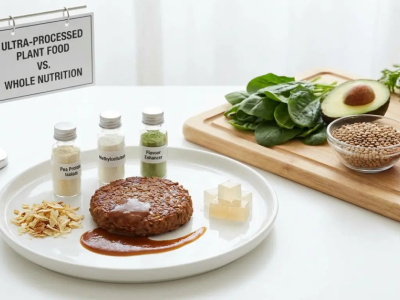
I want to clarify this right away because it is rarely well explained: Hypertension (HTA) is officially defined as a systolic pressure ≥ 140 mmHg and/or diastolic pressure ≥ 90 mmHg, measured on two separate occasions (according to ESH/ESC and WHO recommendations). Many people think that a single measurement at the doctor's office is enough to draw a conclusion. Not at all. And beyond the measurement, theImpact of ultra-processed foods on the heart or the benefits of cardiac coherence are levers of action that I detail elsewhere on the blog.
My goal, in what follows, is not to scare you. On the contrary - it is to explain to you what science has observed about nutrition, and more specifically about this purple root that your grandparents already knew.
A small regulatory point worth noting before going further: beetroot is also naturally rich in potassium. And EFSA - the European Food Safety Authority - has approved an official claim about this nutrient: Potassium contributes to the maintenance of normal blood pressure.*. (*The beneficial effect is obtained by the daily consumption of 2,000 mg of potassium, as part of a varied and balanced diet and a healthy lifestyle.) This is already a solid scientific foundation. But what makes beetroot unique is also its richness in nitrates - and this is where research over the past fifteen years has become exciting.
How does beetroot lower blood pressure? The nitrate-NO mechanism decoded
Before discussing clinical studies, it is important to understand the mechanism. Honestly, once you have it in mind, everything else becomes logical - and above all, you will know why certain seemingly harmless actions (like using an antiseptic mouthwash) can negate some of the effects observed in research.
From dietary nitrate to nitric oxide: the 4-step cascade
It all begins with a simple molecule: nitrate (NO₃⁻), naturally present in beets at varying concentrations-between 4,179 and 20,489 mg/kg of dry matter depending on the varieties, according to a study by Frommherz et al. (2021, PMC8230214) conducted on 36 genotypes grown organically. This represents a fivefold difference between the least concentrated and the most concentrated. Bull's Blood, an old variety selected for its pigments rather than its yield, falls in the high range for betalains and medium-high for nitrates.
Here is the waterfall:
Ingestion - You drink your juice, the nitrate enters your mouth.
Mouth - on the back of your tongue, specific bacteria (called nitrate-reducing bacteria) convert nitrate into nitrite (NO₂⁻).
Hypoxic tissues - in areas of the body where oxygen is scarcer (acidic stomach, capillaries under strain, certain vascular regions), nitrite is converted into nitric oxide (NO), Natural nitrogen monoxide at the heart of vascular regulation.
Vasodilation - NO relaxes the smooth muscles of the arterial walls, the vascular lumen widens, peripheral resistance decreases, and blood pressure follows suit.
No magic. Just physiology. And above all, a cascade that depends on an actor we almost always overlook.
Why are your oral bacteria essential? (Andrew Jones 2025)
Here is the angle that no French article has seriously explored, and it changes quite a few things.
In September 2025, the team of Andrew Jones from the University of Exeter - which has been leading global research on dietary nitrate for fifteen years - published in Free Radical Biology and Medicine a study on 75 participants: 39 young adults under 30 years old, and 36 seniors aged 60 to 70 years. Beetroot juice significantly alters the composition of the oral microbiota in both groups. However, the effect on blood pressure is much more pronounced in seniors - a population whose endogenous production of NO naturally declines with age.
The scientific message is clear: without nitrate-reducing bacteria, there is no conversion. Without conversion, there is no nitric oxide. Without nitric oxide, there is no effect on blood pressure. This is why researchers from Exeter now refer to "oral microbiome health" as a full-fledged cardiovascular determinant. Personally, I have been following this team for a long time - it is one of the most rigorous laboratories on the subject.
Is antiseptic mouthwash undermining your efforts ?
A direct consequence of what we have just seen: antibacterial mouthwashes - Listerine, chlorhexidine, and the like - actually eliminate the nitrate-reducing bacteria that you are trying to nurture.
If you drink your beet juice in the morning and rinse your mouth with an antiseptic mouthwash two hours later, you are likely canceling out a significant part of the effect observed in studies. It's paradoxical, but it's documented.
My practical recommendation, based on current knowledge: do not use an antibacterial mouthwash within 3 to 4 hours after consuming beet juice. If oral hygiene is important (and it is), prioritize mechanical brushing and a non-antiseptic mouthwash.
Now that we understand the "how," let's look at what clinical trials really measure.
What do clinical studies really say? The 2024 meta-analysis decoded
On this subject, we don't have just one isolated study. We have dozens. And since 2013, several meta-analyses have consolidated the results. The most recent and most rigorous one deserves our attention.
−5.31 mmHg of systolic pressure over 11 trials (Grönroos 2024)
Publication: Clinical Nutrition ESPEN, June 2024 - Grönroos R., Eggertsen R., Bernhardsson S., Praetorius Björk M. (https://pubmed.ncbi.nlm.nih.gov/39069465/Type: meta-analysis, which is the highest level of evidence that can be utilized on the subject of the beetroot hypertension to date.
The numbers:
11 randomized controlled trials included
349 hypertensive patients (BP ≥ 140/90 mmHg)
Average reduction in systolic pressure: -5.31 mmHg (95% confidence interval: −7.46 to −3.16)
Effective dose: 200 to 800 mg of nitrate per day
GRADE quality of evidence ⊕⊕○○ - moderate
Heterogeneity I² = 64% (moderate to strong)
No significant effect on diastolic pressure or on 24-hour ABPM.
Let's be honest for a moment: a heterogeneity of 64% is not insignificant. This means that the effect varies from one trial to another, probably because the varieties, doses, durations, and patient profiles differ. However, the direction of the effect - a decrease in systolic pressure in hypertensive patients - is consistent across the studies.
On a population scale, what does this decrease represent in terms of cardiovascular risk ?
This is where the figure takes on its full weight. Lewington et al. (2002), in a meta-analysis published in The Lancet regarding one million adults from 61 prospective cohorts, established that a decrease of only 2 mmHg systolic pressure is associated with:
-7% mortality from ischemic heart disease
-10% stroke mortality
If we extrapolate: a 5 mmHg decrease would correspond, on a population scale, to a potential reduction of 15 to 20% in cardiovascular and stroke mortality.
Important clarification, because I especially do not want to overinterpret: this calculation is valid on the scale of a Population, not of an individual. The variability between people is real. No one can guarantee "your" risk reduction. But on the scale of millions of people, the public health issue is massive - and the associated dietary lever remains very accessible, as it involves a vegetable that can be found on any market stall.
How long does it take to see the effect ?
A question I am often asked. Here is what the pharmacokinetics of dietary nitrate (summarized by the review by Jones AM et al. 2021), Med Sci Sports Exerc, , https://pubmed.ncbi.nlm.nih.gov/32735111/) teaches us:
Time of onset: 30 minutes to 3 hours after ingestion
Peak effect: 3 to 6 hours
Duration of action: approximately 24 hours
Maximum observable effect: after 2 to 4 weeks daily consumption
Reversible effect upon stopping - the pressure gradually returns to its baseline value.
In practice, if you start a regimen today, do not draw conclusions after three days. Give yourself at least a month to evaluate. To reach the dose validated by studies - 200 to 800 mg of nitrate per day - about 250 ml of fresh beet juice from a juicer is sufficient. We will return to this in detail in the recipe section.
But not all beets are created equal. And the variety that has caught my attention for a few years now is Bull's Blood.
Bull's Blood: Why This Specific Variety is a Game Changer
An ancient variety, forgotten and rediscovered
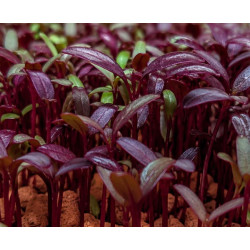
Bull's Blood - literally "bull's blood," referring to the color of its leaves - is a Bull's Blood variety ancient, selected in the mid-19th centuryand century in the United States and then introduced to Europe. Originally, it was not cultivated for its root, but for its leaves, which were consumed in salads or cooked like spinach. The root, smaller and more fibrous than modern varieties optimized for yield, played a secondary role.
What characterizes Bull's Blood is its extreme pigmentation. Very dark purple-reddish leaves, rich in Betalains - the red pigments (betanin) and yellow pigments (vulgaxanthin) which are found at much higher concentrations than in modern hybrid varieties.
Non-hybrid variety, reproducible from one generation to the next. And this is consistent with the philosophy we have been advocating at Biovie since 2007: preserving food biodiversity, favoring ancient, rustic, robust varieties - those that have proven themselves over several centuries rather than those optimized over a few decades for industrial yield.
Why do young shoots outperform the mature root ?
Here is the angle that caught my attention when I started to delve into the subject. The young shoots (also known as microgreens) of Bull's Blood beet concentrate up to 40% more phytochemicals compared to the mature root. More vitamin C, vitamin K, vitamin E, beta-carotene - this is what Lee et al.'s team documented in 2025. More total polyphenols. And betalains at equivalent or higher concentrations.
It is exactly the same logic as with sprouted broccoli: the young shoot concentrates the biochemical defenses of the plant because, at this stage, it is vulnerable and must protect itself from predators and environmental stresses. It is a concentrated nutritional treasure. In fact, it is exactly the same scientific mechanism that we have been advocating for years at Biovie - see our article on sprouted broccoli and sulforaphane. Bull's Blood applies the same principle but with a different nutritional profile-focused on antioxidants and plant pigments studied by research, rather than glucosinolates.
What does the first human study on Bull's Blood sprouts say ?
In January 2025, Lee SY, Michell KA, Butler MM, Smith BT, and collaborators published in Nutrients (17(3):467, https://doi.org/10.3390/nu17030467) the first human study specifically dedicated to Bull's Blood microgreens. Randomized controlled crossover trial conducted at Colorado State University.
The numbers:
24 finalized adults, aged 45 to 70, in good health
Protocol: approximately 80 to 100 g (or two American "cups") of Bull's Blood microgreens per day for 2 weeks
Adherence to the protocol: 95.6% (remarkable rate, which speaks volumes about the ease of integration)
Main conclusion: validated digestive tolerance
No measurable hemodynamic effect on this population
Here, I want to be very clear, because this is exactly the kind of point that an article that oversells would gloss over. This study focuses on healthy subjects with already normal blood pressure at the outset. The absence of a measurable hemodynamic effect in these individuals is entirely consistent with physiology: the effect of dietary nitrate on blood pressure is significantly more pronounced in hypertensive individuals, as observed in the Andrew Jones 2025 study on seniors. Therefore, we cannot conclude that Bull's Blood sprouts "do not work" on blood pressure. We can conclude that the first human study validates their tolerance - and that clinical trials on hypertensive populations remain to be conducted.
It is a nuance that seems fundamental to me. It is also what sets me apart from quite a few commercial communications on the subject.
If all this makes you want to put it into practice, let's see concretely how to prepare a juice that preserves nitrates - and further, how to grow your own Bull's Blood sprouts.
How to prepare beet juice that preserves nitrates ?
Why does the extractor preserve nitrates better than the centrifuge ?
Technical subject, but important. Not all juices are created equal, and the equipment used makes a real difference in preserving nutrients.
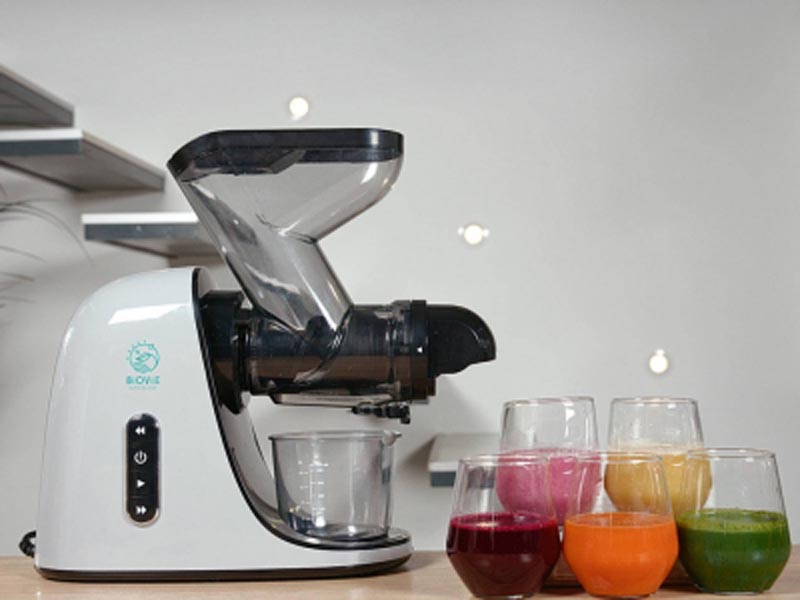
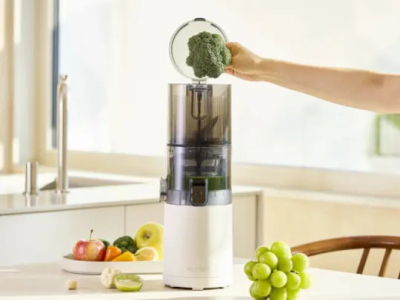
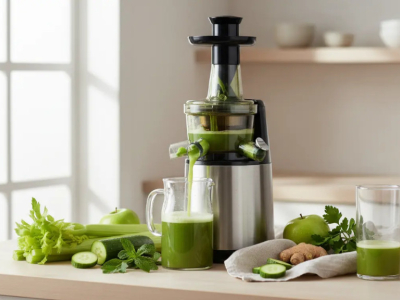
The extractor operates at low speed - typically 40 to 80 revolutions per minute - and uses an auger that gently presses the plant fibers. No violent friction, no heat generated, minimal oxidation. Nitrates and betalains, which are rather thermolabile and sensitive to oxygen, are preserved in significantly higher proportions.
In contrast, a traditional centrifuge spins at more than 10,000 revolutions per minute. The friction generates heat, air mixes massively with the juice, and oxidation accelerates. The juice produced tends to foam, brown quickly, and its content of sensitive compounds decreases more rapidly. This is exactly the topic I address in why we prefer the extractor to the juicer.
For my part, I use a Hurom - the Korean brand with which Biovie has a historical partnership. The E30ST model, in its current version, is the one we have at home with Aurélie. It's a simple, robust tool that we use almost every day. To help you choose, I have also written Our comparison of the best extractors 2026 and a guide to decide between Vertical or horizontal extractor ?
Our daily recipe: beetroot, ginger, lemon
Simple, balanced recipe - that's our beetroot and ginger juice a reference dish that I regularly prepare at home.
For a glass, approximately 250 ml:
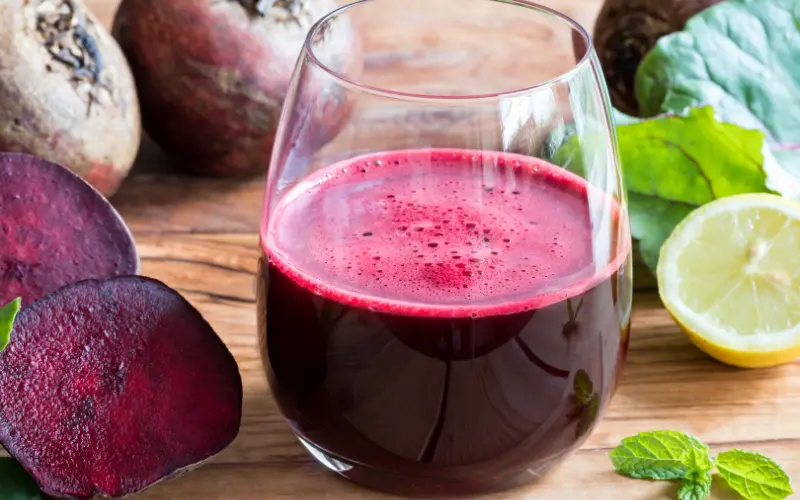
1 large raw beetroot (~250 g - ideally Bull's Blood or a highly pigmented variety)
1 to 2 cm of fresh ginger
1/2 squeezed lemon
1 green apple (to balance the sugar and acidity)
Preparation:
If the beetroot is not organic, peel it - the skin concentrates nitrates, as well as any residual pesticides.
Pass all the ingredients through the juicer.
Drink within the hour (the oxidation of nitrates and betalains begins upon prolonged contact with air).
Possible variants:
With a stalk of celery to boost the intake of nitrates and potassium.
With a carrot to soften the taste when starting out (the earthy beetroot can be surprising the first few times).
Taste: earthy/spicy/acidic balance. Initially, some people find it confusing. After a few days, you get used to it perfectly-and many even end up really enjoying it. If you want to go further, you will find other ideas in 50 recipes for your juicer, as well as in our energizing juice.
What dosage: how many ml per day, at what time ?
Effective dose for an effect on blood pressure: 250 ml per day.
For sports: 280 to 500 ml, 2 to 3 hours before exercise (we will return to this in the dedicated section).
On an empty stomach in the morning, preferably - the enzymatic capacity of the mouth and stomach is optimal, and you benefit from the effect throughout the day.
Minimum duration to observe a noticeable effect: 2 to 4 weeks daily consumption.
Possible cycle: 2 months of treatment, then a break of 2 to 4 weeks.
All within the context of a varied and balanced diet and a healthy lifestyle - it's important to remember that. With Aurélie, we've been incorporating this juice into our morning routine for quite a few years - not every day, but several times a week, depending on the seasons and what we find at the market. What strikes me is its simplicity: 5 minutes to prepare, 30 seconds to drink, and it's done.
Juice is the foundation. But there is another path that particularly interests me: sprouts.
Bull's Blood microgreens: the next evolution of Biovie
How to grow them at home in 14 days ?
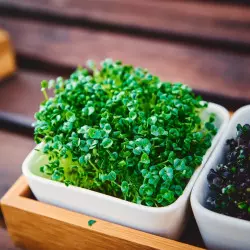
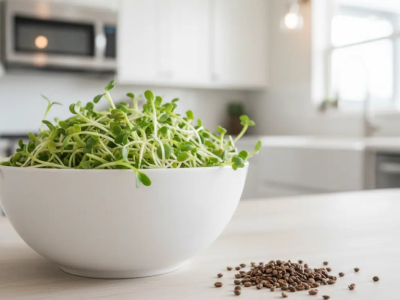
The beet sprouts Bull's Blood is one of the easiest microgreens to grow at home. Here is the process:
Soaking : 4 to 6 hours (12 hours max) in cold water, to initiate germination.
Germination : 4 à 7 jours en obscurité partielle, sur un plateau humide ou dans le germoir Bavicchi spécial jeunes pousses..
Growth : 10 to 14 days in light, at an ideal temperature of 15 to 25 °C, with hydration in the morning and evening.
Harvest : with scissors, just above the root, at the level of the substrate.
Conservation : 7 to 10 days in the refrigerator, in an airtight container.
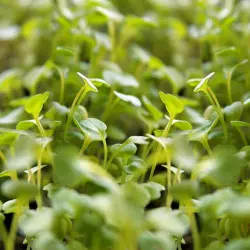
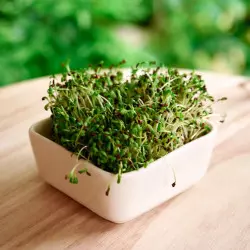
Biovie offers 24 varieties of organic sprouting seeds, produced since 1896 by our Italian supplier Geo Bavicchi, and every batch is tested before it goes on sale (germination rate above 95% required). Radish, fenugreek, sunflower and alfalfa sprout the fastest and most easily for beginners, in 3 to 5 days on a windowsill. To discover several varieties without making a mistake, the packs (The 3 Radishes, The Essentials, The Pep's Seeds...) are a good starting point, before choosing your varieties individually. The range also covers microgreen seeds to grow on a substrate, and sprouters to get started without unnecessary equipment., 46
products
Once harvested, they still need to be eaten! Here are the simplest uses, the ones we practice at home:
Mixed salad topping - the most immediate, a guaranteed visual effect with these purplish-violet leaves.
Green smoothie - 10 to 20 g per smoothie, for a subtle earthy note.
Raw wrap with hummus or vegetable spread.
Avocado toast or pesto - color and crunch.
Hot bowl - always finished after cooking, never cooked directly (heat degrades the thermosensitive compounds).
Recommended daily amount: 20 to 40 g per day. Taste profile: subtly earthy, sweet, never sharp like sprouted mustard, for example. Very accessible, even for palates that don't like beetroot in a classic salad.
Why combine sprouts + classic beet juice ?
A question I'm often asked: do you have to choose between the two? For me, the answer is no.
The juice provides concentrated nitrates at a high dose - this is what clinical meta-analyses have studied regarding blood pressure. The sprouts, on the other hand, provide hyper-concentrated betalains, vitamins C, K, E, and polyphenols. A broader nutritional profile that complements that of the juice. Note: the Vitamin C helps protect cells against oxidative stress.* (* as part of a varied and balanced diet and a healthy lifestyle) - this is an officially recognized claim by the EFSA.
It's complementary, not exclusive. Each at their own pace and according to their preferences.
Beyond the tension, there is another angle that has interested me for a long time: athletic performance.
Sports performance: Is it really necessary to drink beetroot juice before exercising ?
Andrew Jones and the Exeter School: 15 Years of Research
On this subject, Andrew Jones's team at the University of Exeter (United Kingdom) has been the global reference since 2009. With over a hundred publications, standardized protocols, and results reproduced in several independent laboratories. The Beet juice benefits for running were particularly studied by this team.
The muscular mechanism is distinct from the effect observed on blood pressure - it's important to clarify this. Nitric oxide contributes to mitochondrial efficiency, meaning the ability of muscle cells to produce energy for the same oxygen intake. Specifically, studies report a reduction in O₂ cost for a given sub-maximal effort. More endurance for the same perceived respiratory effort.
Documented benefits by discipline:
Endurance (long-distance running, road cycling, long-distance swimming): most pronounced effect.
Intermittent sports (football, rugby, tennis, team sports): moderate benefit, documented notably by Wylie LJ et al. (2013) among 14 team sport athletes.
Pure sprint, maximum force : limited effect - other energy mechanisms dominate at these intensities.
Timing: 2 to 3 hours before exertion (peak plasma nitrite level)
Volumetric equivalent: 280 to 500 ml of beet juice from the extractor
A little practical advice for athletes: test in training before competition. Some people experience transient gas or bloating, especially at the beginning of the treatment. The earthy taste can also be bothersome; feel free to mix it with a bit of fresh apple or orange juice - it won't affect the effectiveness.
All of that is very well. But beet juice is not a magic potion. Let's look at the precautions to be aware of.
Precautions, dangers, and contraindications of beet juice
Oxalates and the risk of kidney stones: who should be careful ?
Beetroot contains oxalates - about 50 mg per 200 ml of juice, which is roughly 25% of the recommended daily limit for a person at risk. When combined with urinary calcium, oxalates can form calcium oxalate crystals, which are responsible for the majority of kidney stones.
Differentiated recommendations based on the profile:
Person without history : free consumption within the limit of 250 ml per day.
History of calcium oxalate stones : moderation + hydration +++ (at least 2 liters of water per day) + prior medical advice recommended.
Chronic kidney failure : imperative medical advice before any regular treatment.
Known hypercalciuria : mandatory medical advice.
What drug interactions should be monitored ?
Here are the classes of medications involved:
Antihypertensives (ACE inhibitors, sartans, beta-blockers, diuretics) - risk of additive effect, with possible hypotension and dizziness. Medical advice is imperative before any regular treatment.
Anticoagulants (warfarin, VKA) - possible modification of coagulation. Medical advice recommended.
PDE5 inhibitors (Viagra, Cialis and related) - risk of marked hypotension. Medical advice imperative.
Key takeaway: if you are on medication, especially antihypertensive, talk to your doctor before starting a regular regimen. And above all - I repeat this because it is essential - never stop an antihypertensive treatment based on beet juice consumption.
Beeturia: Why Your Urine Turns Red (and Why It's Harmless) ?
A phenomenon that surprises the first time and concerns some people. 10 to 14% of the population experiences a red or pink coloration of urine after consuming beets - this is known as beeturia.
Cause: a genetic defect in the degradation of betalains, particularly betanin. The pigmentation passes directly into the urine instead of being metabolized. This is a completely benign phenomenon, with no health consequences.
The only real risk is confusion with hematuria (presence of blood in the urine), which must always be taken seriously. If the red coloration appears within hours after consuming beets: it is most likely beeturia. If it appears without an obvious cause, persists for several days, or is accompanied by pain: seek prompt consultation.
Can it be consumed in the evening? Every day ?
Daily consumption, yes - in reasonable doses (250 to 500 ml per day) and without contraindications. The safety of daily consumption over 2 to 4 weeks is documented by clinical studies.
The morning is preferable: optimal enzymatic capacity, and benefit spread throughout the day of activity.
The evening is possible, but it may disrupt sleep in some people (the vasodilator effect can be felt, especially at the beginning).
Hemochromatosis : limit - beetroot contains 1.1 to 2 mg of iron per 100 g.
Diabetics : recommended blood sugar monitoring (beetroot contains sugars and has a moderate glycemic index).
For the overall cardiovascular profile, I also detailed our cholesterol file which usefully complements this angle.
Before starting a treatment, feel free to send me your questions by email - each journey is different, and a conversation can prevent many mistakes.
Do you still have questions? Here are the seven that my readers ask me the most.
FAQ: All the questions you may have
How much beet juice should be consumed per day to lower blood pressure ?
250 ml per day, for at least 2 to 4 weeks to observe the maximum effect. This dose corresponds to the 200 to 800 mg of nitrate per day validated by clinical meta-analyses. Preferably consume on an empty stomach in the morning, as part of a varied and balanced diet and a healthy lifestyle.
How long does it take to see the effect of beet juice on blood pressure ?
The effect appears 30 minutes to 3 hours after ingestion, with a peak at 3 to 6 hours and a duration of action of approximately 24 hours. The maximum observable effect is established after 2 to 4 weeks of daily consumption. The Grönroos 2024 meta-analysis documented an average decrease of 5.31 mmHg in systolic blood pressure among 349 hypertensive patients.
Can beet juice replace my hypertension treatment ?
No, never. Beet juice is a dietary supplement, not a medication. Clinical studies show a modest effect that in no way replaces a prescribed medication treatment. Any modification of antihypertensive treatment should be discussed with your primary care physician or cardiologist.
Why is my urine red after drinking beet juice ?
This is known as beeturia, a completely benign phenomenon that affects 10 to 14% of the population. It is a genetic defect in the breakdown of betalains (the red pigments in beets). Harmless, it should not be confused with hematuria (the presence of blood in urine).
Is beet juice dangerous for the kidneys ?
For the majority of people, no. However, individuals with a history of calcium oxalate kidney stones should be cautious. Beets contain oxalates (about 50 mg per 200 ml of juice). In cases of a history of oxalate stones or chronic kidney failure, medical advice is necessary before undertaking any regular regimen.
Can you drink beet juice every day without risk ?
Yes, in reasonable doses (250 to 500 ml per day) and without contraindications. Daily consumption over 2 to 4 weeks is documented as safe in clinical studies. Caution is advised in cases of antihypertensive treatment, renal history, or hemochromatosis.
Are Bull's Blood microgreens more effective than traditional beets ?
Sprouts contain more phytochemicals (up to 40% more), vitamins C, K, E, and polyphenols than the mature root. However, clinical studies on the effect of dietary nitrate on blood pressure mainly focus on regular beetroot juice. The first human study on Bull's Blood sprouts (Lee 2025, Nutrients) validated the tolerance but did not show a hemodynamic effect in healthy subjects. The ideal approach probably combines both.
Andrew Jones et al. (2025). Study on oral microbiome/nitrate/aging. Free Radical Biology and Medicine, September 2025. (randomized controlled clinical trial on 75 participants)
Bahadoran Z, Mirmiran P, Kabir A, Azizi F, Ghasemi A. (2017). The nitrate-independent blood pressure-lowering effect of beetroot juice: a systematic review and meta-analysis. Adv Nutr 8:830-8. (meta-analysis)
Siervo M., Lara J., Ogbonmwan I., Mathers JC. (2013). Inorganic nitrate and beetroot juice supplementation reduces blood pressure in adults: a systematic review and meta-analysis. J Nutr 143:818-826. (foundational meta-analysis)
Lewington S., Clarke R., Qizilbash N., Peto R., Collins R., Prospective Studies Collaboration. (2002). Age-specific relevance of usual blood pressure to vascular mortality: a meta-analysis of individual data for one million adults in 61 prospective studies. Scalpel 360:1903-1913. (pivotal meta-analysis)
Wylie LJ, Mohr M, Krustrup P, Jackman SR, Ermidis G, Kelly J, Black MI, Bailey SJ, Vanhatalo A, Jones AM. (2013). Dietary nitrate supplementation improves team sport-specific intense intermittent exercise performance. (sport clinical trial)
In summary, here is what you need to remember, simply.
Beet juice is one of the few foods whose effect on blood pressure is documented by rigorous clinical meta-analyses - about a 5 mmHg reduction in systolic pressure in hypertensive individuals, with a dose of 250 ml per day using a juicer, over a minimum of 2 to 4 weeks. The mechanism involves dietary nitrate, which is converted into nitric oxide with the help of your oral bacteria - hence the importance of avoiding antiseptic mouthwashes immediately afterward. The Bull's Blood variety, an old and highly pigmented type, offers a profile enriched in betalains, particularly interesting in young shoots, complementing the juice.
Major precautions: mandatory medical advice if undergoing antihypertensive, anticoagulant, vasodilator, or PDE5 inhibitor treatment; caution in cases of a history of calcium oxalate kidney stones or chronic renal failure; monitoring for diabetics and individuals with hemochromatosis. And never replace a prescribed treatment without consulting your doctor.
Warning: The information presented in this article is provided for informational purposes only and does not constitute medical advice. Consult a qualified healthcare professional before making any changes to your diet or supplementation, especially if you are undergoing antihypertensive or anticoagulant treatment, or if you have a history of kidney stones. As part of a varied and balanced diet and a healthy lifestyle.