

Summary
- What exactly is fucoidan ?
- Where is fucoidan found in wakame ?
- The four mechanisms of action documented by research
- What the Okinawa model teaches us
- How to incorporate fucoidan into your diet
- Organic wakame: how much to consume per day ?
- Safety and precautions for use
- What research has in store for us
- Our approach at Biovie
- Frequently Asked Questions about Wakame Fucoidan
- Bibliographic references
The fucoidan is a sulfated polysaccharide found in brown algae such as wakame, whose immunomodulatory and anti-inflammatory properties are documented by more than 1400 scientific publications indexed on PubMed. This bioactive molecule is the subject of growing interest from the international scientific community, particularly for its potential role in supporting the immune system.
In 2024, we published our book " at GallimardSeaweed in everyday life", which was awarded the best cookbook in the world at the Gourmand CookBook Awards 2025 and the best cookbook and health book by the National Academy of Cuisine. So, I started researching Fucoidan at that time. When you delve into the scientific literature on fucoidan, you understand why researchers worldwide are so interested in it."
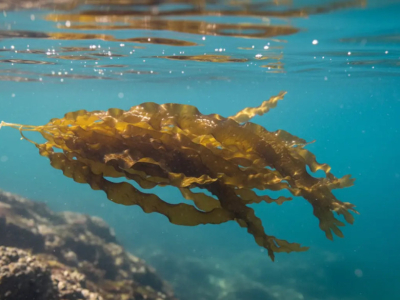
The fucoidan is present in the cell walls of brown algae, and notably in our beloved wakame (Undaria pinnatifida). Concretely, this is what gives fresh seaweed its slightly viscous characteristic texture. But behind this texture lies a bioactive compound with remarkable properties, which the populations of Okinawa have been consuming daily for centuries — likely contributing to their exceptional longevity, as documented by the Okinawa Centenarian Study (Willcox et al., 2007).
In this article, I propose to review what scientific research really tells us about wakame fucoidan. Without falling for the miraculous promises that can be read here and there, but by staying true to what studies actually demonstrate. Because at Biovie, we prefer to give you the keys to understanding rather than selling you a dream.
What exactly is fucoidan ?
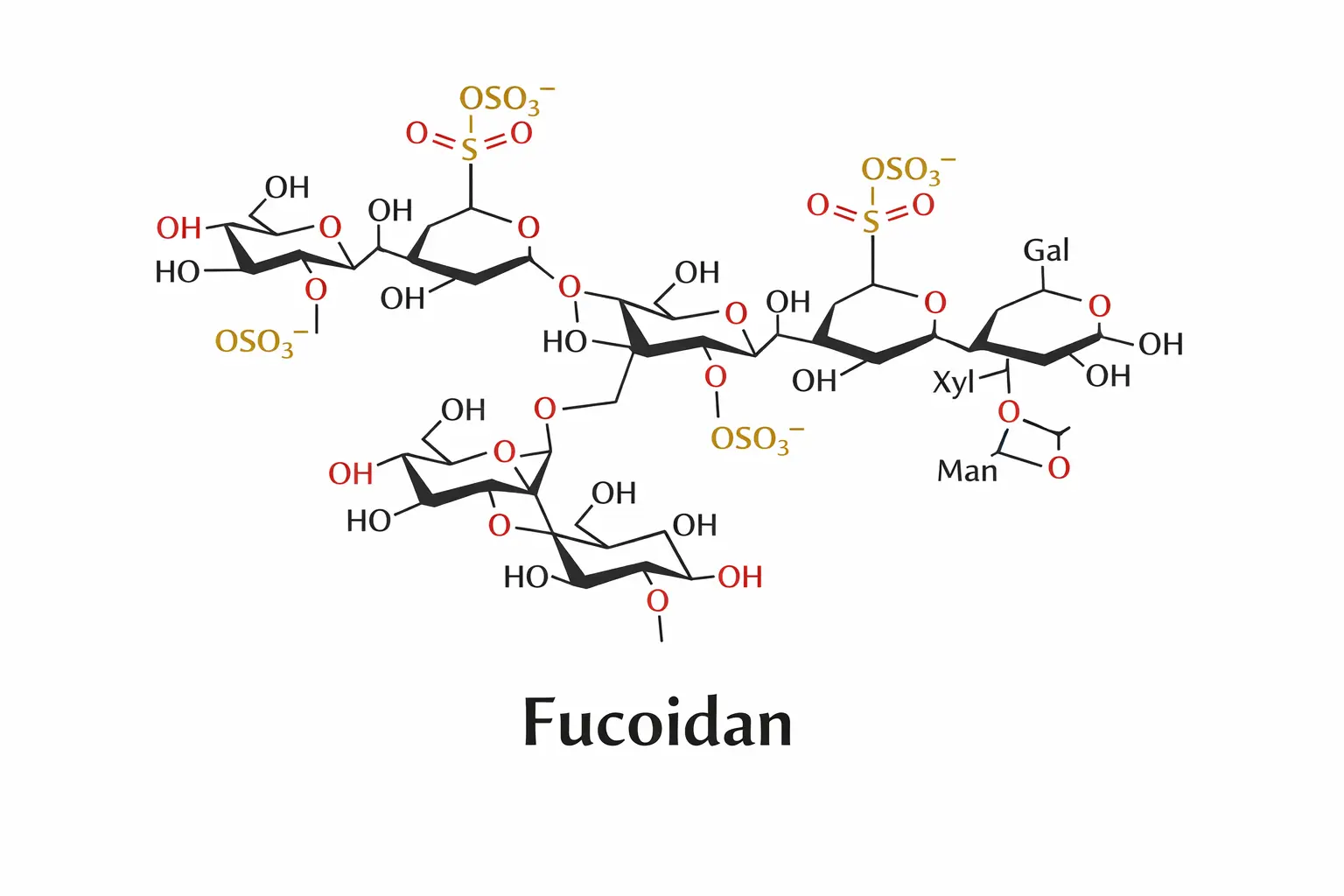
Fucoidan (sometimes spelled "fucoidane" or "fucoidan" in English) is a sulfated polysaccharide whose structure was first characterized by the Swedish researcher Kylin in 1913. In simple terms, it is a long chain of sugars (mainly L-fucose) with sulfur groups attached. This particular structure gives it unique biological properties that are not found in other natural compounds.
The algae Brown algae naturally produce fucoidan to protect themselves. It is their defense system against external threats: desiccation when the tide recedes, ultraviolet rays from the sun, pathogenic bacteria, and fungi. In reality, when you consume wakame, you benefit from this protection system that the algae has developed over millions of years of evolution.
Molecular structure and composition
What makes the fucoidan from wakame particularly interesting is its specific molecular structure. A systematic review published in Marine Drugs by Ale, Mikkelsen, and Meyer (2011) demonstrated that each species of brown algae produces a slightly different fucoidan, with varying proportions of:
- Fucose : main sugar (40-85% depending on the species)
- Galactose : contributes to branching
- Mannose : influences bioavailability
- Xylose : module biological activity
- Uronic acid : strengthens the anti-inflammatory properties
- Sulfate groups : essential to immunomodulatory activity
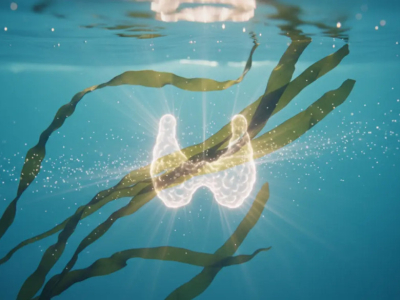
Fucoidan fromUndaria pinnatifida possesses a structure that appears to be particularly well recognized by the receptors of our immune system, notably the TLR-4 receptors (Toll-Like Receptor 4) involved in innate immunity (Kim & Joo, 2008).
Where is fucoidan found in wakame ?
Here's something that few people know: the concentration of fucoidan is not uniform in wakame. The part we usually consume, the blade (the "leaves" of the seaweed), contains fucoidan, but not as much as the mekabu.
Mekabu: the richest part in fucoidan
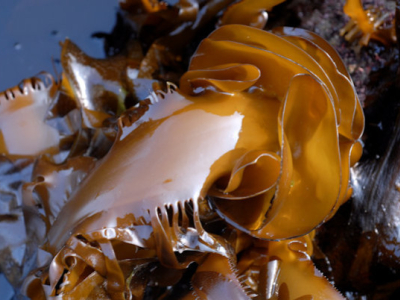
The mekabu is the reproductive part of the wakame, located at the base of thealgae, where it clings to the substrate. This part, which resembles a kind of ruffle or undulation, is particularly rich in bioactive compounds.
The analyses conducted by Synytsya and his collaborators (2010) and published in Carbohydrate Polymers show that the concentration of fucoidan in mekabu can be up to 10 times higher to that of the blade. In Japan, mekabu is consumed separately and is highly valued for its properties — it represents a market worth several hundred million euros annually.
Advantages of wakame as a source of fucoidan
When comparing different sources of fucoidan, wakame offers several advantages validated by scientific literature:
- An interesting bioavailability thanks to its specific molecular structure (Tokita et al., 2010)
- A milder taste such as kombu or fucus, which makes its daily integration easier
- A more moderate iodine content : 10-20 mg/100g of dry product compared to 200-400 mg for kombu (Zava & Zava, 2011)
- A possible culture in France, particularly in Brittany, which ensures freshness and traceability
The organic wakame we offer at Biovie comes from Breton producers whom we know personally. This proximity allows us to ensure optimal quality and harvest at the right stage of maturity, when the levels of active compounds are at their peak.
The four mechanisms of action documented by research
When we delve into the scientific literature, we identify four main ways in which fucoidan contributes to maintaining health. I remain cautious in my statements because we mostly have preclinical data, but the results are sufficiently consistent to be mentioned.
The action on the immune system
This is probably the most well-documented area. Fucoidan exhibits immunomodulatory properties demonstrated by several complementary mechanisms.
Stimulation of NK (Natural Killer) cells : Studies in vitro and on animal models have shown that fucoidan can increase the activity of NK cells by 30 to 50% depending on the protocols. These "sentinels" of our immune system constantly patrol to eliminate abnormal cells. A study by Maruyama and collaborators (2005) published in International Archives of Allergy and Immunology demonstrated this effect specifically for mekabu fucoidan.
Cytokine modulation : A study published in Marine Drugs by Zhang and collaborators (2015) demonstrated that fucoidan from brown algae could increase the production of certain cytokines (IL-12, IFN-γ) involved in coordinating the immune response. Specifically, fucoidan appears to help the immune system communicate better and respond in a more coordinated manner.
Clinical data in humans : A double-blind randomized clinical trial conducted on 70 participants by Myers and colleagues (2011), published in Biologics: Targets and Therapy, showed that a 4-week supplementation with fucoidan was associated with a significant improvement in certain markers of innate immunity (increase in functional NK cells). It is one of the few studies on humans, and its results are encouraging.
The action on inflammatory processes
Low-grade chronic inflammation is now recognized as a factor involved in numerous health issues. Fucoidan has properties that contribute to maintaining normal inflammatory balance.
COX-2 modulation : Work published in Food and Chemical Toxicology by Park and colleagues (2011) showed that fucoidan could modulate the expression of cyclooxygenase-2 (COX-2), a key enzyme in inflammatory cascades. This action was observed in BV2 microglial cells with a dose-dependent reduction of pro-inflammatory mediators.
Action on the NF-κB factor : Other research suggests an action on the nuclear factor kappa B (NF-κB), a central regulator of inflammation (Kim & Joo, 2008). This mechanism would explain the observed anti-inflammatory effects without the side effects of traditional anti-inflammatory drugs.
Action on angiogenesis
Angiogenesis is the formation of new blood vessels. It is a normal and necessary process, but it can become problematic when it is hijacked by abnormal cells.
VEGF modulation : Several studies have shown that fucoidan can modulate this process by acting on VEGF (Vascular Endothelial Growth Factor). A seminal study by Koyanagi and collaborators (2003), published in Biochemical Pharmacology, demonstrated that the sulfate groups of fucoidan were essential to this activity.
2019 Meta-analysis : A publication in Marine Drugs by van Weelden and collaborators (2019) reviewed the available data and confirmed the anti-angiogenic potential of fucoidan, while highlighting the need for clinical studies.
The action on apoptosis
Apoptosis is programmed cell death, an essential process by which our body eliminates damaged or abnormal cells.
Remarkable selectivity : Research has shown that fucoidan can promote this natural process in certain problematic cell lines while sparing healthy cells. This selectivity was documented by Atashrazm and collaborators (2015) in Marine Drugs.
2020 Systematic Review : A review published in Cancer Cell International by Lin and collaborators (2020) analyzed the data in vitro and in vivo and concluded that fucoidan showed promising potential as an apoptosis-modulating agent.
I want to be very clear here: these results are primarily derived from studies. in vitro and on animal models. We cannot directly extrapolate to humans, and fucoidan is certainly not a treatment for any disease. What these data suggest is that this compound could play a role in a comprehensive prevention strategy.
What the Okinawa model teaches us
It is impossible to talk about fucoidan without mentioning Okinawa. This Japanese archipelago is famous for its exceptional concentration of healthy centenarians — up to 50 centenarians per 100,000 inhabitants compared to 10-15 in France.
Epidemiological data
Large-scale epidemiological studies have sought to understand what makes the Okinawan diet unique. The foundational work of Willcox, Willcox, and Suzuki published in the Journal of the American College of Nutrition (2009) and in the Annals of the New York Academy of Sciences (2007) identify several factors:
- Consumption of algae : minimum 5 to 7 grams per day on average (compared to less than 1g for the French)
- Moderate caloric intake : natural caloric restriction of 10-15%
- Predominant plant-based diet : more than 80% of calories from plant sources
- Daily physical activity : no intense sports but constant movement
- Strong social ties : the concept of "moai" (support group)
Favorable biological markers
What is fascinating is that research on Okinawa centenarians has shown that they have more favorable biological markers of aging compared to Western populations (Willcox et al., 2007):
- Better preserved telomeres : these "caps" that protect our chromosomes
- Reduced chronic inflammation : remarkably low levels of CRP (C-reactive protein)
- Reduced oxidative stress : better pro/antioxidant balance
- Preserved immune function : more effective immune response with age
Attention, I am not saying that fucoidan is THE secret to Okinawan longevity. That would be simplistic. However, seaweed, and their contribution of fucoidan, are clearly part of the equation, as highlighted by the nutritional analysis published by Willcox and collaborators.
How to incorporate fucoidan into your diet
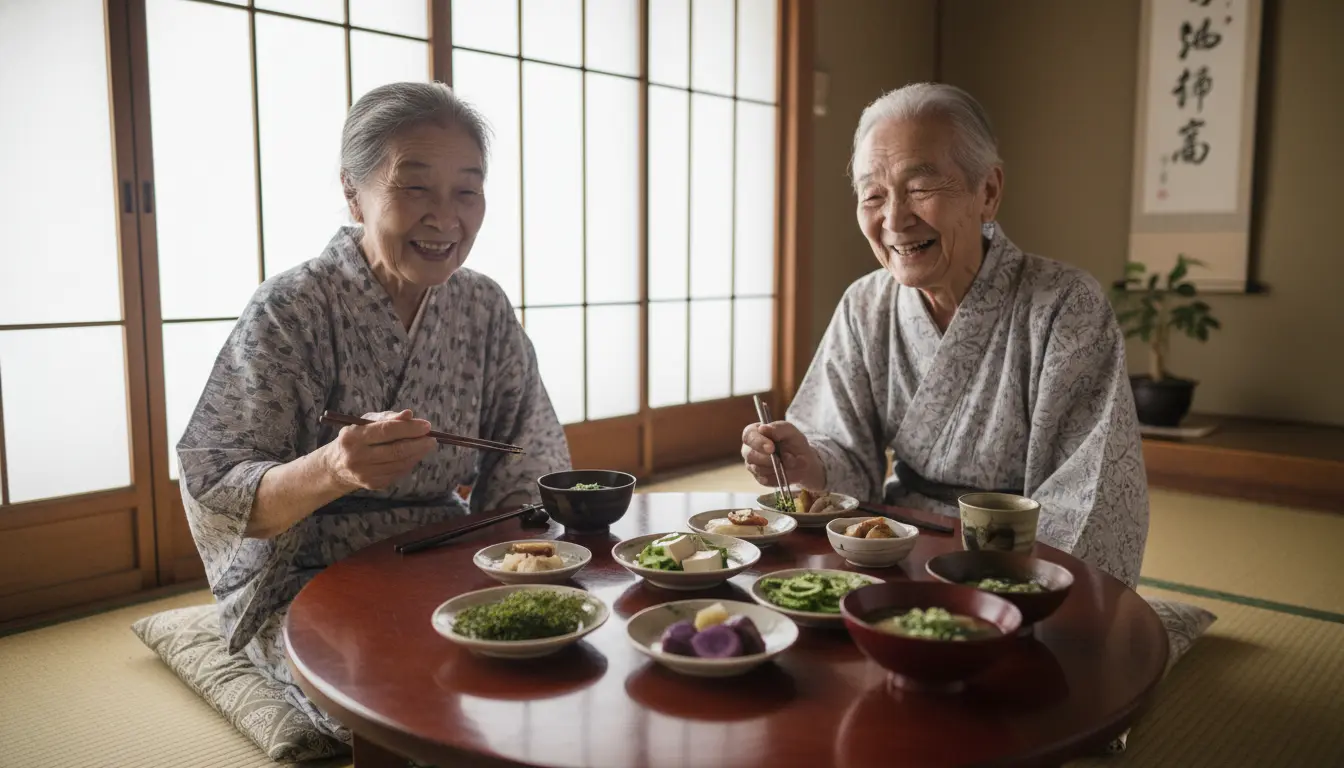
Let's move on to practical matters. How can you benefit from fucoidan daily without resorting to dietary supplements? At Biovie, we have always favored the dietary approach before supplementation. Whole foods provide a matrix of nutrients that work in synergy, which an isolated extract cannot replicate.
Fresh or dehydrated wakame: which one to choose ?
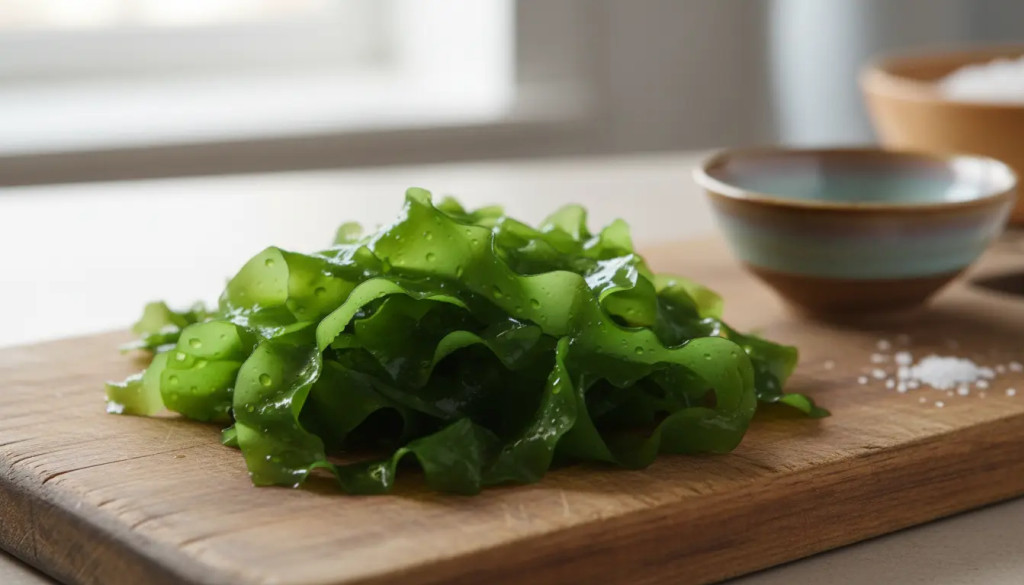
The fresh wakame obviously retains all its nutritional qualities and is the rawest form of the algae, the closest to its natural form. The dehydrated wakame at low temperature (a process that we were the first to introduce in France) offers a good culinary compromise.
A comparative study published in Food Research International by Peinado and collaborators (2014) analyzed the content of bioactive compounds in five species of brown algae in different forms and did not find a significant difference between fresh and dehydrated, provided that the drying was done at low temperature. This is why we pay particular attention to the processing conditions of our algae at Biovie.
Ideas for daily integration
Here is how Aurélie and I consume wakame:
- In the morning miso soup : it's the great Japanese classic, 5 minutes of preparation
- In salad : with grated carrots, sesame seeds, and a ginger dressing
- Mixed into a green smoothie : its taste goes completely unnoticed
- Crumbled on an avocado toast : for a nutritious breakfast
- In vegetable broths : to enhance their nutritional profile
Biovie organic wakame rehydrates in a few minutes in cold water and triples in volume. Its subtle, slightly iodized taste easily integrates into most dishes without overpowering them.
Organic wakame: how much to consume per day ?
This is THE question everyone is asking. Frankly, there is no scientific consensus on an optimal dietary dose of fucoidan. What we know comes mainly from two sources.
Data from traditional consumer populations
Populations that traditionally consume seaweed ingest between 5 to 15 grams per day (reconstituted dry weight). The study by Zava and Zava (2011) published in Thyroid Research documented these contributions in Japan.
Data from clinical trials
Clinical trials on fucoidan have generally used doses of 75 to 300 mg of purified fucoidan per day. To obtain this amount from dietary wakame, one would need to consume about 3-5 grams of dehydrated wakame per day, considering that wakame contains about 1-3% fucoidan depending on the parts of the seaweed.
Practical recommendation
To begin, I suggest you integrate 3 to 5 grams of dehydrated wakame in your daily diet. This corresponds to about a heaping tablespoon, which will provide a generous portion once rehydrated.
What matters is consistency more than quantity. Moderate but daily consumption will always be preferable to a large occasional amount — this is indeed what the bioavailability data published by Tokita and collaborators (2010) suggest.
Safety and precautions for use
Let's now talk about the points of concern, because not everything is perfect and it would be irresponsible not to mention them.
The question of iodine and the thyroid
Wakame contains iodine, like all seaweeds. This iodine content is generally considered an advantage (iodine contributes to the normal functioning of the thyroid according to regulation EC No 432/2012), but it can pose a problem in certain situations.
Comparative iodine content (data Zava & Zava, 2011):
- Wakame: 10-20 mg/100g of dry product
- Kombu: 200-400 mg/100g of dry product
- Nori: 5-10 mg/100g of dry product
- Fucus: 50-150 mg/100g of dry product
The good news is that wakame is one of the seaweeds that are the less rich in iodine among the edible brown algae, which makes it more suitable for regular consumption for most people.
Caution required for :
- People with hyperthyroidism or Graves' disease
- People undergoing thyroid treatment (Levothyrox, etc.)
- People with a history of thyroid disorders
Potential drug interactions
Fucoidan has properties that can interact with certain medications. A comparative study by Cumashi and colleagues (2007) published in Glycobiology documented these properties:
Anticoagulant action Fucoidan exhibits a slight anticoagulant activity. Therefore, caution is advised for individuals on anticoagulants (VKAs, DOACs) or before undergoing surgery.
Immunomodulatory effects : Vigilance for people on immunosuppressants or with autoimmune diseases.
Documented drug interaction : A study by Tocaciu and collaborators (2018) published in Integrative Cancer Therapies showed that fucoidan could alter the pharmacokinetics of certain hormonal treatments. In all these cases, talk to your doctor before regularly incorporating seaweed into your diet.
Known side effects
At normal dietary doses, wakame has been consumed for centuries without any particular issues. A toxicity study by Li and colleagues (2005) published in Food and Chemical Toxicology showed no significant adverse effects of fucoidan at doses up to 300 mg/kg of body weight in animals — which corresponds to a very large safety margin.
The rare reported side effects mainly concern:
- Minor digestive issues (bloating, gas) in people who are not accustomed
- These effects generally disappear with gradual habituation.
What research has in store for us
The field of fucoidan is in full swing. Several research areas are particularly promising.
Ongoing clinical trials
Several clinical trials are currently registered on ClinicalTrials.gov to evaluate the effects of fucoidan as a complement to conventional treatments. Preliminary studies suggest that fucoidan could help improve tolerance to certain treatments and preserve the quality of life of patients (Tocaciu et al., 2018).
I remain very cautious on this sensitive subject. These researches are ongoing, and it would be premature to draw definitive conclusions.
The question of bioavailability
One of the major challenges of current research concerns the bioavailability of fucoidan. Is this large molecule properly absorbed by our intestines ?
Degradation by the microbiota : Recent work by Shang and collaborators (2016), published in Food & Function, suggest that fucoidan is partially degraded by our gut microbiota, and that these fragments could have their own biological activity, particularly by promoting the growth of Lactobacillus and Ruminococcaceae.
Systemic absorption : Other studies show that a portion of fucoidan is absorbed intact and found in the blood several hours after ingestion. Tokita and collaborators (2010) developed a specific ELISA method to detect fucoidan in serum and urine, proving its systemic passage.
This question of bioavailability explains why the dietary approach, with regular consumption of small amounts, might be more relevant than a one-time intake of high doses as a supplement.
Our approach at Biovie
Since 2007, we have been working to make organic and living food accessible to as many people as possible. Algae are one of our areas of expertise, and we have chosen to focus on quality rather than increasing the number of products.
Our organic wakame is cultivated in Brittany by producers we know personally. We verify the conditions of cultivation, harvesting, and processing. This complete traceability allows us to guarantee you a product of optimal quality, with preserved levels of active compounds.
We offer wakame in several forms to suit your needs:
- Organic dehydrated wakame flakes : ideal for sprinkling on your dishes
- Fresh wakame : my favorite
- Ready-to-eat seaweed tartare : for those who want a practical solution
€35.50
Fresh seaweed tartare
What sets us apart from simple retailers is our expertise accumulated over nearly 20 years and our commitment to providing you with the knowledge that will enable you to make the right choices for your health.
In summary
The fucoidan from wakame is a fascinating bioactive compound, whose properties are increasingly well-documented by scientific research. Without making excessive promises, it can be stated that this sulfated polysaccharide has an interesting potential to contribute to maintaining good health, particularly through its effects on the immune system and inflammatory processes.
The approach we advocate at Biovie is one that prioritizes nutrition. Incorporating organic wakame into your daily diet is a simple, enjoyable, and economical way to benefit from fucoidan and the many other nutrients that this seaweed provides.
Populations that traditionally consume seaweed, such as the Okinawans, have been showing us the way for centuries. Science is beginning to understand what empiricism had already identified.
There you go, I hope this article has shed light on this innovative topic for you.
A varied and balanced diet and a healthy lifestyle are important. The information presented in this article is derived from scientific literature and does not constitute medical advice. Consult a healthcare professional for any questions related to your personal situation.
Frequently Asked Questions about Wakame Fucoidan
Can fucoidan really help with serious illnesses ?
Studies in vitro and on animal models show promising results on several cellular mechanisms, but it would be irresponsible to claim that fucoidan can treat any disease. What research suggests is that this compound could play a role in a comprehensive prevention strategy. Clinical trials are underway to better understand these effects in humans. While awaiting definitive results, incorporating wakame into a balanced diet contributes to your overall health without risk at normal dietary doses.
How much wakame should be consumed to benefit from fucoidan ?
There is no official dose established by health authorities. Based on the habits of populations that traditionally consume seaweed (5-15g/day in Japan), a portion of 3 to 5 grams of dehydrated wakame per day is a good starting point. This corresponds to about a heaping tablespoon, or 10 to 15 grams once rehydrated. The regularity of consumption is more important than the occasional quantity. Wakame can be easily incorporated into your soups, salads, bowls, and many daily preparations.
Is the fucoidan from wakame different from that of other seaweeds ?
Yes, each species of brown algae produces a fucoidan with a slightly different molecular structure, as demonstrated by the systematic review by Ale and collaborators (2011). The fucoidan fromUndaria pinnatifida (Wakame) has particular characteristics that seem to give it good recognition by the receptors of our immune system. Additionally, wakame has the advantage of a more moderate iodine content (10-20 mg/100g) compared to kombu (200-400 mg/100g), making it more suitable for daily consumption.
Are there any side effects associated with the consumption of fucoidan ?
At normal dietary doses, wakame has been consumed for millennia without notable issues. Toxicity studies (Li et al., 2005) have shown no significant adverse effects even at high doses in animals. The only reported side effects are minor digestive issues (bloating) in unaccustomed individuals, which disappear with habituation. However, the iodine content in seaweed requires caution for individuals with thyroid disorders. Similarly, the slightly anticoagulant properties of fucoidan warrant caution for individuals on anticoagulant medications.
Can wakame be consumed with thyroid problems ?
This question deserves a nuanced answer. Wakame is one of the brown seaweeds with the lowest iodine content (10-20 mg/100g compared to 200-400 mg for kombu), making it more suitable for regular consumption. However, individuals with hyperthyroidism, Graves' disease, or those undergoing thyroid treatment should definitely consult their doctor before incorporating seaweed into their diet. For people without known thyroid disorders, moderate consumption of wakame generally does not pose a problem and provides naturally bioavailable iodine.
Should one prioritize dietary wakame or fucoidan supplements ?
At Biovie, we have always prioritized a dietary approach. Whole foods provide a matrix of nutrients that work in synergy: fucoidan, as well as other polysaccharides (alginate, laminarin), minerals (magnesium, calcium, iron), vitamins, and antioxidants found in wakame. An isolated extract cannot replicate this complexity. Moreover, integrating it into the diet encourages regular and moderate consumption, which is likely more effective than occasional supplementation according to available bioavailability data.
How long does it take to feel the effects of wakame ?
One should not expect immediate spectacular effects — it is not a medication. The action of fucoidan is part of a long-term prevention approach. The available clinical studies (Myers et al., 2011) have generally been conducted over periods of 4 to 12 weeks before observing changes in certain biological markers. It is a foundational approach, like everything related to sustainable health nutrition. The benefits build up gradually with regular consumption.
Bibliographic references
-
Ale MT, Mikkelsen JD, Meyer AS. Important determinants for fucoidan bioactivity: A critical review of structure-function relations and extraction methods for fucose-containing sulfated polysaccharides from brown seaweeds. Marine Drugs. 2011;9(10):2106-2130. doi:10.3390/md9102106
-
Atashrazm F, Lowenthal RM, Woods GM, Holloway AF, Dickinson JL. Fucoidan and cancer: A multifunctional molecule with anti-tumor potential. Marine Drugs. 2015;13(4):2327-2346. doi:10.3390/md13042327
-
Cumashi A, Ushakova NA, Preobrazhenskaya ME, et al. A comparative study of the anti-inflammatory, anticoagulant, antiangiogenic, and antiadhesive activities of nine different fucoidans from brown seaweeds. Glycobiology. 2007;17(5):541-552. doi:10.1093/glycob/cwm014
-
Kim MH, Joo HG. Immunostimulatory effects of fucoidan on bone marrow-derived dendritic cells. Immunology Letters. 2008;115(2):138-143. doi:10.1016/j.imlet.2007.10.016
-
Koyanagi S, Tanigawa N, Nakagawa H, Soeda S, Shimeno H. Oversulfation of fucoidan enhances its anti-angiogenic and antitumor activities. Biochemical Pharmacology. 2003;65(2):173-179. doi:10.1016/s0006-2952(02)01478-801478-8)
-
Li N, Zhang Q, Song J. Toxicological evaluation of fucoidan extracted from Laminaria japonica in Wistar rats. Food and Chemical Toxicology. 2005;43(3):421-426. doi:10.1016/j.fct.2004.12.001
-
Lin Y, Qi X, Liu H, Xue K, Xu S, Tian Z. The anti-cancer effects of fucoidan: A review of both in vivo and in vitro investigations. Cancer Cell International. 2020;20:154. doi:10.1186/s12935-020-01233-8
-
Maruyama H, Tamauchi H, Hashimoto M, Nakano T. Suppression of Th2 immune responses by mekabu fucoidan from Undaria pinnatifida sporophylls. International Archives of Allergy and Immunology. 2005;137(4):289-294. doi:10.1159/000086422
-
Myers SP, O'Connor J, Fitton JH, et al. A combined phase I and II open-label study on the immunomodulatory effects of seaweed extract nutrient complex. Biologics: Targets and Therapy. 2011;5:45-60. doi:10.2147/BTT.S12535
-
Park HY, Han MH, Park C, et al. Anti-inflammatory effects of fucoidan through inhibition of NF-κB, MAPK and Akt activation in lipopolysaccharide-induced BV2 microglia cells. Food and Chemical Toxicology. 2011;49(8):1745-1752. doi:10.1016/j.fct.2011.04.020
-
Peinado I, Girón J, Koutsidis G, Ames JM. Chemical composition, antioxidant activity and sensory evaluation of five different species of brown edible seaweeds. Food Research International. 2014;66:36-44. doi:10.1016/j.foodres.2014.08.035
-
Shang Q, Shan X, Cai C, Hao J, Li G, Yu G. Dietary fucoidan modulates the gut microbiota in mice by increasing the abundance of Lactobacillus and Ruminococcaceae. Food & Function. 2016;7(7):3224-3232. doi:10.1039/c6fo00309e
-
Synytsya A, Kim WJ, Kim SM, et al. Structure and antitumour activity of fucoidan isolated from sporophyll of Korean brown seaweed Undaria pinnatifida. Carbohydrate Polymers. 2010;81(1):41-48. doi:10.1016/j.carbpol.2010.01.052
-
Tocaciu S, Oliver LJ, Lowenthal RM, et al. The effect of Undaria pinnatifida fucoidan on the pharmacokinetics of letrozole and tamoxifen in patients with breast cancer. Integrative Cancer Therapies. 2018;17(1):99-105. doi:10.1177/1534735416684014
-
Tokita Y, Nakajima K, Mochida H, Iha M, Nagamine T. Development of a fucoidan-specific antibody and measurement of fucoidan in serum and urine by sandwich ELISA. Bioscience, Biotechnology, and Biochemistry. 2010;74(2):350-357. doi:10.1271/bbb.90705
-
van Weelden G, Bobiński M, Okła K, van Weelden WJ, Romano A, Pijnenborg JMA. Fucoidan structure and activity in relation to anti-cancer mechanisms. Marine Drugs. 2019;17(1):32. doi:10.3390/md17010032
-
Willcox BJ, Willcox DC, Todoriki H, et al. Caloric restriction, the traditional Okinawan diet, and healthy aging: The diet of the world's longest-lived people and its potential impact on morbidity and life span. Annals of the New York Academy of Sciences. 2007;1114:434-455. doi:10.1196/annals.1396.037
-
Willcox DC, Willcox BJ, Todoriki H, Suzuki M. The Okinawan diet: Health implications of a low-calorie, nutrient-dense, antioxidant-rich dietary pattern low in glycemic load. Journal of the American College of Nutrition. 2009;28(sup4):500S-516S. doi:10.1080/07315724.2009.10718117
-
Zava TT, Zava DT. Assessment of Japanese iodine intake based on seaweed consumption in Japan: A literature-based analysis. Thyroid Research. 2011;4:14. doi:10.1186/1756-6614-4-14
-
Zhang W, Oda T, Yu Q, Jin JO. Fucoidan from Macrocystis pyrifera has powerful immune-modulatory effects compared to three other fucoidans. Marine Drugs. 2015;13(3):1084-1104. doi:10.3390/md13031084