Fast delivery
.png)
 Fair prices



You know, when I talk with our clients at organic fairs or in person, a question regularly comes up as soon as we discuss spirulina: "But does it really work for hair?" And frankly, I understand this questioning. We see so many miraculous promises on the Internet that skepticism becomes a form of self-defense !
Today, with hindsight and after having supported hundreds of clients over the past 20 years, I will share with you what we have truly understood about this. algae exceptional and of its benefits for your hair. This approach perfectly aligns with our philosophy of living food and optimal nutrition.
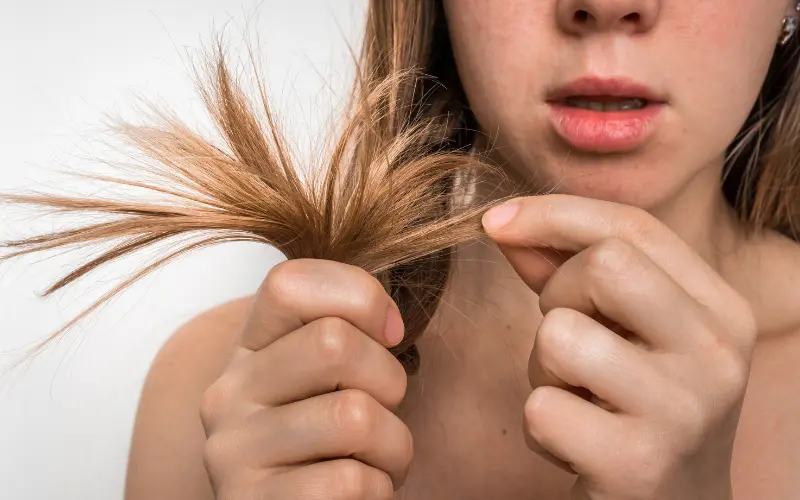
Why your hair is abandoning you (and it's probably not your fault)
Before discussing solutions, it's important to understand the problem. And believe me, it's rarely as simple as one might think.
The hair, this great misunderstood
A hair is alive. Well, almost. The visible part is dead (which is why it doesn't hurt when we cut hair!), but everything happens at the level of the hair follicle, this small biological factory buried in your scalp.
This factory needs very specific raw materials to operate:
- Proteins : the keratin that makes up your hair is one of them
- Sulfur-containing amino acids : methionine and cysteine in the lead
- B vitamins : especially B6, B8 (biotin), and B9
- Minerals : iron, zinc, magnesium, silica
- Antioxidants : to protect the follicle from oxidative stress
The problem? Our modern lifestyles create multiple deficiencies.. A French study published in the Journal of Nutrition and Metabolism (2019) revealed that Nearly 70% of women of childbearing age had insufficient iron intake., and that 43% had suboptimal vitamin B12 levels. To better understand how to naturally address these deficiencies, particularly in a plant-based diet, the spirulina represents precisely a particularly interesting solution.
The real culprits of hair loss
Contrary to what one might think, genetics does not explain everything. Of course, androgenetic alopecia exists (that famous hereditary baldness), but it only represents part of the problem.
Here are the factors we most often encounter with our clients:
1. Nutritional deficiencies (the number 1 factor)
When your body lacks proteins, iron, or B vitamins, it makes choices. And guess what? Your hair is not their priority.. The body prefers to ensure vital functions (heart, brain, organs) and sacrifices what seems accessory to it: hair, nails, skin.
Specifically, if you are iron deficient (ferritin < 40 ng/mL), your body will slow down the production of keratin. Result? Fine, brittle hair that grows slowly and falls out easily.
2. Chronic oxidative stress
We talk about it less, but it's a silent killer. The oxidative stress, it is an imbalance between free radicals (unstable molecules that attack your cells) and antioxidants (which neutralize them).
Main sources:
- Air pollution
- Smoking (active or passive)
- Exposure to UV without protection
- Ultra-processed industrial food
- Chronic psychological stress
A study published in Oxidative Medicine and Cellular Longevity (2020) demonstrated that Oxidative stress damages the DNA of hair follicle cells., thereby accelerating hair aging and hair loss. This is precisely where the antioxidant properties of spirulina come into play, as we detail in our article on antioxidants and phycocyanin, can play a major protective role.
3. Hormonal upheavals
Pregnancy, , postpartum, , menopause, stopping hormonal contraception... Every time your hormones are all over the place, your hair clink glasses.
The phenomenon is particularly noticeable after childbirth: 30 to 50% of young mothers experience significant hair loss within 3 to 6 months after giving birth.. This is what is called postpartum telogen effluvium.
Aurélie experienced it: "In the shower, I was losing handfuls. I felt like I was going to end up bald. My body had given everything during pregnancy and breastfeeding, and it had nothing left to offer my hair."
4. Restrictive diets (the classic trap)
Caution, slippery ground. All very restrictive diets (in calories, in proteins, or in entire food groups) create deficiencies that quickly result in hair loss.
I saw very strict vegan clients at Biovie who did not consume B12, heme iron, or complete proteins in sufficient quantities. The result? Dull, brittle hair that falls out in handfuls.
And I specify clearly: it is NOT veganism itself that is the problem, but the lack of nutritional rigor. A well-constructed plant-based diet (with B12 supplementation, sufficient iron intake, complete proteins) can perfectly support a magnificent head of hair.
Spirulina: an exceptional nutritional concentrate
Now that we have made the diagnosis, let's talk about spirulina and what it can really do for your hair.
Nutritional composition: why it's impressive
The spirulina, it's a cyanobacteria (often referred to as "blue-green algae" in popular terms). It naturally grows in alkaline and warm lakes, mainly in Africa, Asia, and Central America.
Here is what makes it exceptional for hair:
1. A high-quality protein bomb
The spirulina contains between 55% and 70% protein (in dry weight). To give you an idea, it is 2 to 3 times more than red meat, and these proteins are complete, that is to say, they contain all the essential amino acids.
Among them, the cysteine and the methionine, two sulfur-containing amino acids essential for the synthesis of keratin (the protein that makes up 95% of your hair).
2. A cocktail of B vitamins
Spirulina is rich in:
- Vitamin B1 (thiamine) : energy metabolism of follicle cells
- Vitamin B2 (riboflavin) : protection against oxidative stress
- Vitamin B3 (niacin) : vasodilation and improved scalp irrigation
- Vitamin B8 (biotin) : keratin synthesis
- Vitamin B9 (folic acid) : cellular multiplication and follicle renewal
3. Bioavailable iron
Spirulina contains between 28 and 58 mg of iron per 100 g (according to the strains and cultivation conditions). It's huge: 10 times more than spinach.
Even better: this iron is relatively well absorbed (between 40% and 60% absorption), particularly due to the presence of natural vitamin C in spirulina and the absence of inhibitory phytates.
An Indian study published in the Journal of Medicinal Food (2011) showed that Supplementation with spirulina (3g/day for 60 days) significantly increased ferritin levels in anemic women..
4. Phycocyanin: The Star Antioxidant
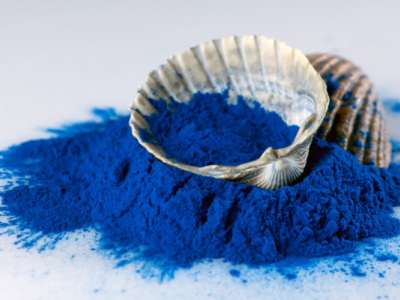
It is THE blue pigment that gives spirulina its characteristic color. The phycocyanin represents 15 to 20% of the dry weight of spirulina.
His superpowers? It is one of the most powerful antioxidants known. (more effective than vitamins E and C in neutralizing certain free radicals). It protects hair follicle cells against oxidative stress and chronic inflammation.
A study published in International Journal of Molecular Sciences (2018) demonstrated that Phycocyanin reduces inflammation and promotes cell survival. under conditions of intense oxidative stress. If you want to learn more about this exceptional pigment, check out our detailed article on phycocyanin and its antioxidant properties.
5. Precious trace elements
Beyond iron, spirulina provides:
- Zinc : regulation of the hair growth cycle
- Magnesium : relaxation and better stress management
- Selenium : antioxidant protection
- Copper : melanin synthesis and pigmentation
But then, does it really work for hair ?
Let's be honest: There is no robust clinical study directly demonstrating the effect of spirulina on human hair growth.. It would be lying to claim otherwise.
On the other hand, we have strong indirect evidence :
- Correction of deficiencies : If your hair loss is related to deficiencies in iron, proteins, or B vitamins, spirulina may help to address these deficiencies.
- Reduction of oxidative stress : phycocyanin and other antioxidants protect hair follicles from damage.
- Improvement of microcirculation : Vitamin B3 and certain peptides from spirulina promote vasodilation, thereby improving blood flow to the scalp.
In other words: Spirulina does not magically make hair grow, but it creates the optimal nutritional conditions for your body to produce healthy hair..
How to use spirulina for your hair: complete protocol
Now that you know why and how it works (or doesn't work), let's move on to concrete matters.
Recommended dosage
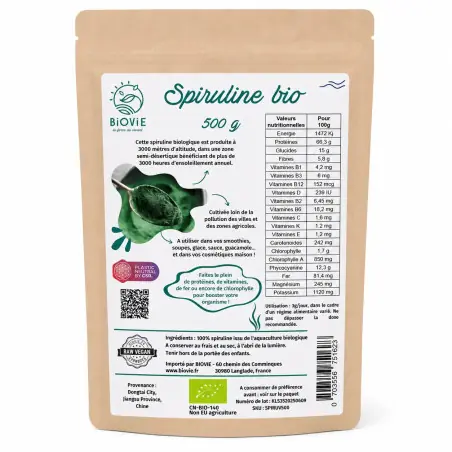
For an effect on the hair, the feedback we have gathered suggests a dosage of 3 to 5 grams per day.
- Beginners : start with 1g/day for a week, then gradually increase.
- Maintenance dosage : 3g/day
- Intensive phase (proven deficiencies, significant drop): 5g/day for 3 months, then reduce to 3g
Important : spirulina has a detoxifying effect at the beginning. If you increase the dose too quickly, you may experience headaches, digestive troubles or skin rashes. Proceed gradually. These reactions, although unpleasant, are often a sign of a detoxification process.
When to take it ?
Ideally in the morning on an empty stomach, or 30 minutes before a meal. Why? Because The iron in spirulina is better absorbed in the absence of tannins. (tea, coffee) and calcium (dairy products).
If you take your spirulina in the breakfast, , add a source of vitamin C (Lemon juice in a glass of water, kiwi, orange) to boost iron absorption. This iron-vitamin C synergy is essential to maximize the benefits.
Choose the form that suits your daily life
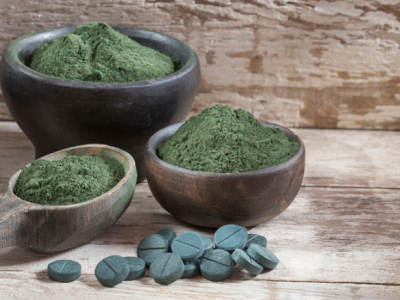
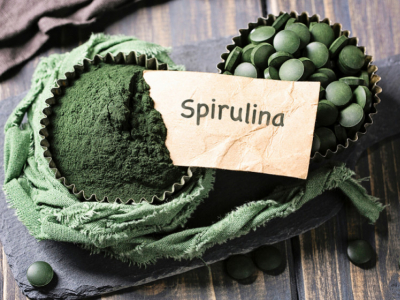
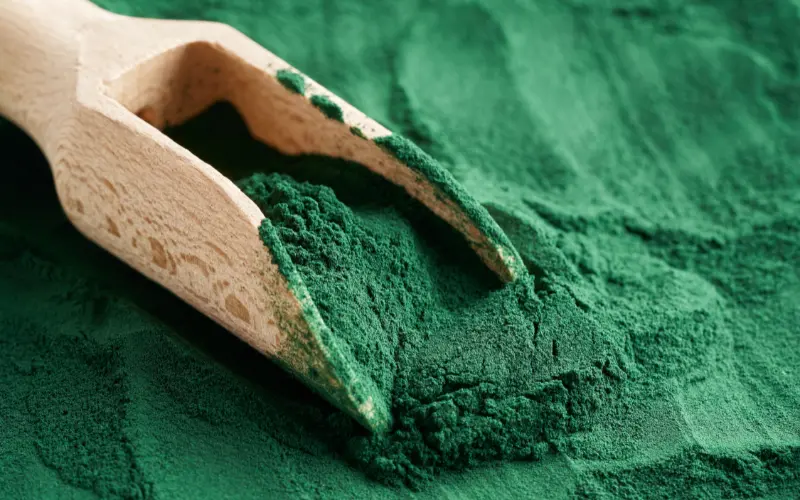
Powder: the most concentrated and economical form. To mix in a juice, a smoothie, or water. The taste is... peculiar. Let's say it's not vanilla.
Tablets : practical if you are traveling or if you are put off by the taste of powder. Check that there are no unnecessary additives (maltodextrin, magnesium stearate).
Sequins : between the two. To sprinkle on a salad, a bowl, or in a cold soup.
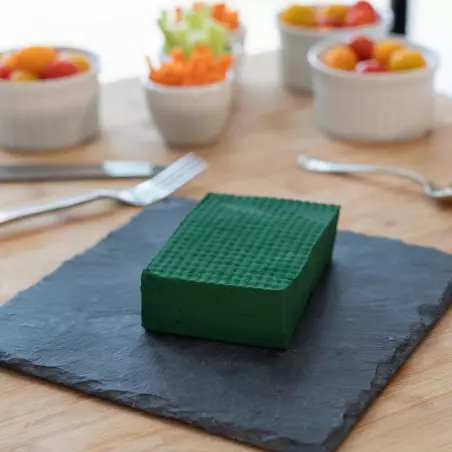
Fresh spirulina: Living spirulina, creamy and smooth, ready to spread or mix into your recipes. A complete food, rich in nutrients, in its purest and most bioavailable form.
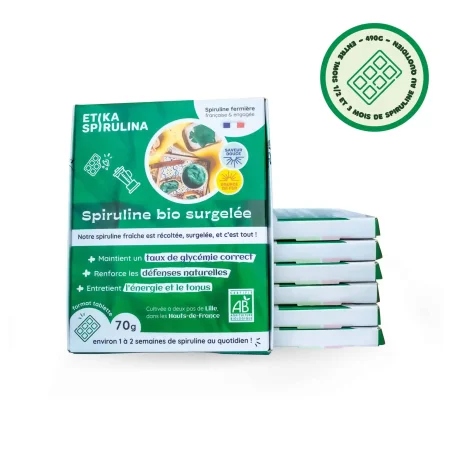
Frozen spirulina in pellets: Fresh spirulina, immediately frozen after harvest to preserve the enzymes and neutral taste. Perfect for adding to smoothies or spreads without a "marine" flavor.
How long before seeing results ?
Once again, let's be realistic. The hair growth cycle is long:
- Anagen phase (active growth) : 2 to 7 years old
- Catagen phase (regression) : 2 to 3 weeks
- Telogen phase (rest) : 3 to 4 months
If you start spirulina today, you will see the first effects on the fall in 6 to 8 weeks (gradual cessation of excessive loss). The effects on regrowth and the quality of new hair will become apparent after 3 to 6 months regular intake.
It's long, I know. But your hair only grows by 1 to 1.5 cm per month. Impossible to go faster without cheating with biology.
Synergistic associations
Spirulina is good. But combined with other targeted nutrients, it's even better. Here are the combinations we often recommend:
Spirulina + Vitamin B8 (biotin)
Biotin strengthens keratin synthesis. Recommended dosage: 500 to 1000 µg/day. Be careful, some supplements go up to 10,000 µg (10 mg), which is unnecessary and can skew certain blood tests.
Spirulina + Zinc
Zinc regulates the hair growth cycle and prevents excess sebum. Dosage: 15 mg/day (as picolinate or bisglycinate for better absorption).
Spirulina + Silica
Silica strengthens the hair structure and improves its elasticity. You can find it in horsetail, nettle, or bamboo. Dosage: 10 to 20 mg/day.
Spirulina + Omega-3
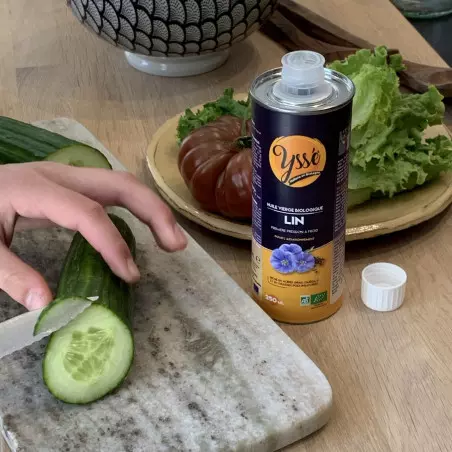
Omega-3s (EPA/DHA) nourish the scalp from the inside and reduce inflammation. Sources: linseed oil, nuts, chia seeds. . Dosage: 1 to 2g of EPA+DHA per day.

Spirulina + Marine Plasma
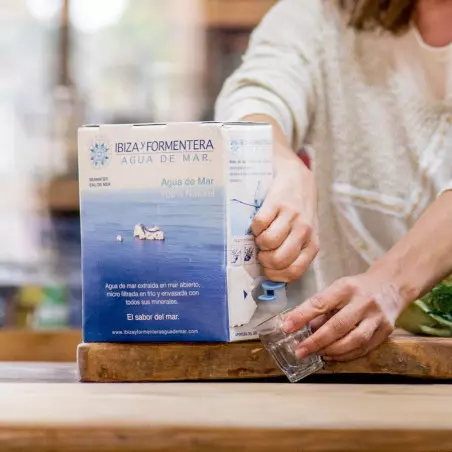
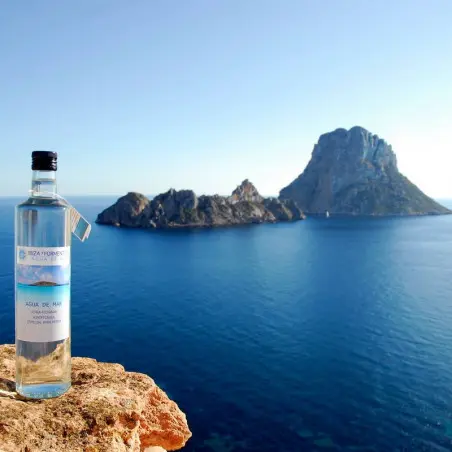
Here is an association that we particularly recommend at Biovie. The Marine plasma(micro-filtered seawater) provides all 78 minerals and trace elements in a bioavailable form, in the same proportions as our internal environment. This synergy with spirulina is exceptional: Spirulina provides proteins, vitamins, and antioxidants, while marine plasma provides the complete mineral matrix. necessary for the proper cellular functioning of the hair follicle.
Specifically, marine plasma contains magnesium (anti-stress), zinc (regulation of the hair cycle), selenium (antioxidant protection), copper (pigmentation), and many other minerals that work in synergy. Recommended dosage: 50 to 100 ml of isotonic marine plasma per day, to be taken in the morning on an empty stomach or diluted in your drinks.
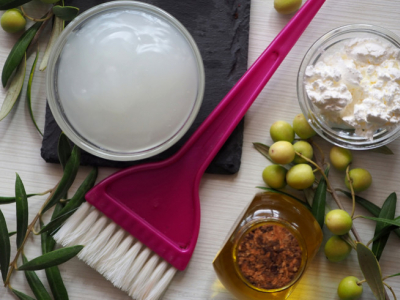
External use: spirulina hair masks
Some clients ask us if they can use spirulina as a mask directly on their hair. Technically, yes, but the effectiveness remains anecdotal.
Why? Because the hair follicle is nourished from the inside, via the blood. Applying spirulina to the scalp does not allow the nutrients to reach the follicle.
That said, a spirulina mask can have a Moisturizing and protective effect on the hair fiber (the visible and dead part of the hair). If it amuses you, here is a simple recipe:
Spirulina-coconut hair mask
- 1 tablespoon of spirulina powder
- 2 tablespoons of virgin coconut oil (melted)
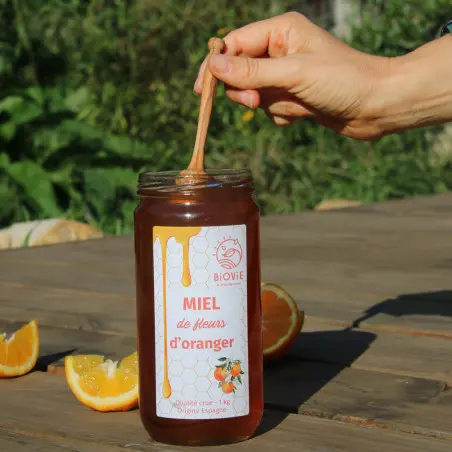
- 1 teaspoon of raw honey
Mix, apply to damp hair, leave on for 20 minutes, rinse thoroughly. To be done a maximum of once per week. Coconut oil has its own benefits for hair.
But honestly, if you have to choose, favor oral ingestion. That is where spirulina will be truly effective.
Frequently Asked Questions
Does spirulina make hair grow faster ?
No. Spirulina does not alter the genetically programmed growth rate of your hair. (approximately 1 to 1.5 cm/month). On the other hand, it can improve the quality of hair products (thicker, stronger, less brittle) and reduce excessive shedding if it is related to nutritional deficiencies.
Can you take spirulina while pregnant or breastfeeding ?
Yes, but with precautions. Spirulina is generally considered safe during pregnancy and breastfeeding, provided it is of impeccable quality (free of heavy metals, free of microcystins).
At Biovie, our organic spirulina is regularly tested for contaminants. Recommended dosage during pregnancy: 3g/day maximum.
Attention : if you have a history of thyroid or autoimmune disorders, talk to your doctor before consuming spirulina.
Can spirulina replace an iron supplement ?
It depends. If your anemia is mild to moderate (ferritin between 15 and 40 ng/mL), spirulina may be sufficient. However, if you are in severe anemia (ferritin < 15 ng/mL, hemoglobin < 10 g/dL), you will need iron supplementation prescribed by your doctor.
Spirulina can then be used in addition, but not as a replacement for medical treatment.
Are there any side effects ?
Spirulina is generally very well tolerated. However, some people may experience:
- Digestive troubles : bloating, gas, diarrhea (especially if you increase the dose too quickly)
- Headaches : related to the initial detoxifying effect
- Temporary skin rashes : sign that your body is eliminating toxins
These effects generally disappear within a few days. If not, reduce the dose or stop temporarily.
Absolute contraindications : phenylketonuria (rare genetic disorder), untreated hyperthyroidism, anticoagulant treatments (spirulina is rich in vitamin K).
Which spirulina to choose ?
Excellent question. Not all spirulinas are the same. Here are the quality criteria to check:
- Organic certification : guarantees the absence of pesticides and chemical fertilizers
- Purity tests : heavy metals, microcystins, pathogenic bacteria
- Low-temperature drying : preserves heat-sensitive nutrients (vitamins, phycocyanin)
- Traceable origin : know the place of cultivation and the production conditions
At Biovie, we have chosen spirulina cultivated in controlled ponds in China (Dongtai region, Jiangsu province), EU and USDA certified organic, tested in an independent laboratory for the contaminants, and dried by low-temperature spray drying.
Why China? Because the climatic conditions there are optimal, and quality controls have become extremely rigorous in recent years.
How long can one take spirulina ?
There is no time limit.. You can take spirulina continuously, all year round, or do 3-month courses with one-month breaks in between.
Personally, I have been taking spirulina for over 15 years without interruption. Aurélie does 6-month courses per year (autumn-winter). Both approaches work.
Beyond Spirulina: A Holistic Approach to Hair Health
I will be direct: if you rely solely on spirulina to save your hair, you will be disappointed. Hair is a mirror of your overall health. It reflects your diet, stress levels, sleep quality, and hormonal balance.
The pillars of healthy hair
1. A nutrient-dense diet
Beyond spirulina, make sure to have sufficient intake of:
- Quality proteins : legumes, tofu, tempeh.
- Omega-3 fatty acids : ground flaxseeds, nuts
- Leafy green vegetables : spinach, kale, broccoli (iron, folic acid, vitamin C)
- Seeds and nuts : almonds, pumpkin seeds, sesame (zinc, selenium, vitamin E)
- Red fruits : blueberries, blackberries, raspberries (antioxidants)
2. Stress management
Chronic stress increases the production of cortisol, which disrupts the hair growth cycle and can precipitate a Telogen effluvium (premature transition of hair into the resting phase).
Effective techniques:
- Meditation / cardiac coherence (10 minutes per day)
- Regular physical activity (release of endorphins)
- Quality sleep (7 to 9 hours per night)
- Scalp massages (blood circulation stimulation)
3. Limit chemical aggressions
Coloring, bleaching, Brazilian straightening, perms... All these treatments damage the hair structure and weaken the follicle.
If you can't do without it, space out the sessions (minimum 3 months between two colorings), prioritize natural products (henna, plant-based dyes), and strengthen your internal care (spirulina, proteins, vitamins).
4. Avoid harsh shampoos
Sulfates (sodium lauryl sulfate, sodium laureth sulfate) strip the scalp and dry out the hair. Prefer gentle sulfate-free shampoos, based on plant-based surfactants.
Aurélie makes her own solid shampoos using rhassoul and essential oils. It might be extreme, but her hair has never been in better condition!
Synergistic supplements with spirulina
If your budget allows, here are the supplements we recommend in synergy with spirulina:
- Vitamin B complex : B6, B8, B9, B12 (especially if you are vegan)
- Iron (if deficiency is proven) : iron bisglycinate 14-20 mg/day
- Zinc : 15 mg/day (picolinate or bisglycinate)
- Silica : horsetail, bamboo, nettle (10-20 mg/day)
- Omega-3 : EPA+DHA 1-2g/day
At Biovie, we also offer some sprouted seeds (alfalfa, broccoli, fenugreek), which are concentrated sources of bioavailable vitamins and minerals. These small nutritional powerhouses are perfect as a complement to spirulina to boost your intake.
Conclusion: spirulina, a valuable ally but not magical
So, spirulina for hair, miracle solution or simple supplement ?
Neither one nor the other. Or maybe a bit of both, depending on your situation.
What I can assert after all these years of experience and customer feedback:
- If your hair loss is related to nutritional deficiencies (iron, proteins, B vitamins), spirulina can make a real difference. You will see tangible results in 3 to 6 months.
- If your problem is genetic (androgenetic alopecia), spirulina will not stop baldness. However, it will improve the quality of the remaining hair.
- If you are in good health with a balanced diet, spirulina will have a modest or even imperceptible effect. In this case, it might not be the priority.
My final advice? Get a blood test (ferritin, B vitamins, zinc, thyroid hormones) to precisely identify your deficiencies. Then, implement a comprehensive protocol: nutrient-dense diet, stress management, quality sleep, and yes, spirulina as a supplement.
Your hair will thank you. Not overnight, but in a few months, when you notice that it is thicker, shinier, and that your brush is finally less full.
Ready to test ? Discover our certified organic spirulina, cultivated in controlled ponds and tested in an independent laboratory.