

The atherosclerosis is an arterial disease that develops with age and family history, specifically in individuals with cardiovascular diseases such as high blood pressure or hypercholesterolemia. Excessive alcohol consumption is an aggravating factor.
Although medication treatments are often recommended to treat this disease, more and more people are turning to natural treatments to help prevent or reduce the symptoms of atherosclerosis. In this article, we examine some of the natural treatments available for atherosclerosis.
What is atherosclerosis?
In the case of atherosclerosis, an atheroma plaque forms inside the wall of the coronary arteries, the two arteries supplying the heart. With the narrowing of the arteries' caliber, blood flow is reduced, and the heart is less well-supplied and oxygenated, which increases the risk of angina pectoris (angina) or myocardial infarction (heart attack) due to the formation of clots or plaques.
How to get rid of atherosclerosis?
To "unclog" the arteries, official medicine offers different solutions:
- A Thrombolysis, that is to say, a drug treatment aimed at dissolving thrombi (blood clots) ;
- A coronary artery bypass grafting, a surgical procedure involving the creation of one or more bypasses using a vein taken from the patient to circumvent coronary narrowing or stenosis ;
- A coronary angioplasty with stent placement.
The stent, also known as an endocavitary prosthesis or endoprosthesis, is a medical device used in cardiology and vascular surgery. It is a small metal spring a few millimeters in diameter and one or more centimeters long. Inserted into an artery, it acts like a framework to keep it open. The placement of a stent now accompanies the vast majority of percutaneous transluminal angioplasties (PTA).

Today, all cardiovascular techniques that have saved lives are hailed as progress, and this is therefore understandable. That said, one is entitled to ask some questions about the reality of these "advancements" if one takes the time to reflect for a few moments.
The questions raised by these treatments for atherosclerosis
Are all these undeniable technical and technological advancements truly a step forward for humanity ?
Can we truly speak of progress when a vast majority of people do not adhere to the basic rules of lifestyle hygiene as proposed by hygienism or vital hygiene, and then are forced to undergo surgery to avoid the worst... at least temporarily?
How can we accept as a "normal path" undergoing surgery around the age of fifty in order to continue living "normally," at least in appearance ?
When one demonstrates a minimum of "common sense," it seems more favorable to respect all health factors throughout one's life, thereby avoiding the need for surgery, even though science has made progress and wonders in this field.
On the other hand, undergoing surgery will not solve the underlying problem as long as all causes have not been eliminated and do not restore us to intact vessels, meaning those that have retained all their flexibility and integrity. According to the clinical studies of Dr. JH. Tilden, respecting health factors should begin years before any disorders manifest.
While some swear by science, others have guilt-inducing statements such as: "Sorry, but if you're sick today, it's your fault."
We have all more or less already heard this disparaging remark, as it is very blameworthy. That said, without caution, it remains true that it has the merit of prompting us to consider the responsibility we all have individually regarding our own health capital. A "good" lawyer will find numerous mitigating circumstances for this responsibility: family environment, education, advertising, media, and medical information that is biased and deliberately misleading, the weight or force of habits, lack of time, etc.
On the other hand, "biological laws" are not sensitive to these pleas.
Whatever the "health disorder" that affects us, the true causes are always the same: toxins (in its broadest definition), deficiencies (in its broadest definition), and excesses (in its greatest definition).
How to naturally dissolve atheromatous plaques?
I propose a preventive naturopathic protocol using natural remedies to prevent the formation of plaques on the arterial wall, which promotes the occurrence of a stroke:
- Fasting several days under medical supervision.
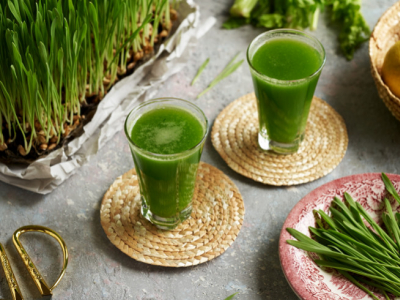
- Freshly pressed vegetable juice diet with a juicer (carrots and green vegetables like the cabbage family), to which marine magnesium is added + 1 tablespoon of powder of barley grass juice dehydrated + 5 drops of vitamin D + 2 capsules per meal of omega 3 or a teaspoon oflinseed oil in his daily diet.
What are the bad eating habits and what is the right diet to avoid the risk of atherosclerosis ?
- Greatly reduce or even eliminate alcohol consumption.
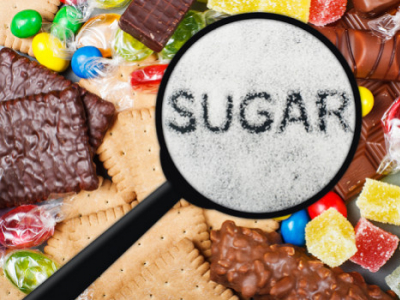
- Eliminate unexpected snacking between meals and reduce the consumption of sugar whose excess promotes an increase in certain saturated fatty acids, which turn out to be harmful foods contributing to the process of atherosclerosis.
- Ideally consume only organic, healthy, unrefined foods that are seasonal and local.
- Absolutely avoid fried foods.
- Avoid pastries, candies, sweets, industrial cakes, foods high in industrial sugar, etc.
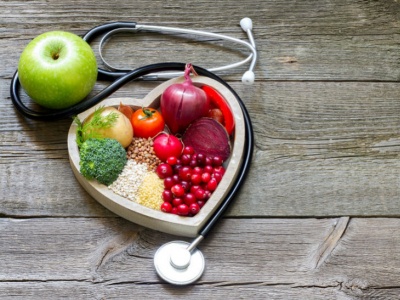
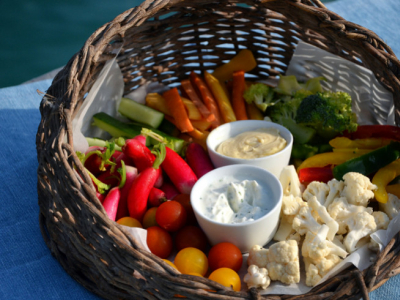
- Eating beneficial and living foods every day, such as crunchy vegetables, sprouted seeds, young cereal sprouts, fresh vegetable juices and grass juices, fresh algae.
- Consume as little meat as possible.
What are the effects of garlic in the treatment of atherosclerosis ?
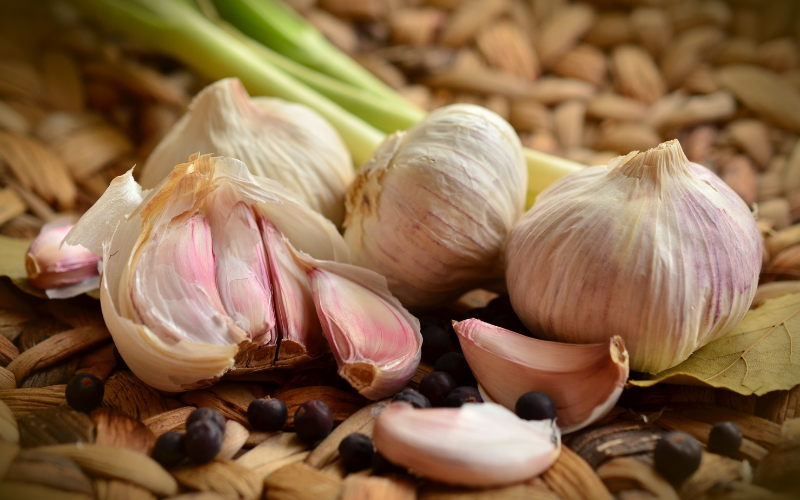
TheGarlic is a plant commonly used in traditional medicine for its healing properties. It has been studied for its potential in the prevention and treatment of atherosclerosis due to its beneficial effects on cardiovascular health. A Study published in 2022 examined the effect of garlic on markers of inflammation and oxidative stress in patients with atherosclerosis. The researchers found that garlic consumption reduced the levels of these markers, suggesting that garlic could have a protective effect against atherosclerosis.
Several other studies have shown that the consumption of garlic can help reduce excess cholesterol blood, a significant risk factor for the development of atherosclerosis. Indeed, garlic contains sulfur compounds such as allicin, which have antioxidant and anti-inflammatory properties. These compounds can help reduce the development and presence of fatty plaques in the arteries by limiting the oxidation of arteries and lipids and preventing immune cells from accumulating in the blood vessels. Furthermore, garlic may also help lower blood pressure, another major risk factor for atherosclerosis.
Can chlorella help against atherosclerosis?
The chlorella is a freshwater green algae that is rich in nutrients and antioxidants. Although chlorella has proven to be a very beneficial algae for health, there is not enough scientific evidence to support the claim that chlorella can help specifically in the treatment of atherosclerosis.
That being said, certain components of chlorella may potentially help reduce the main risk factors associated with atherosclerosis. For example, studies have shown that it can help lower blood cholesterol levels, a major risk factor for atherosclerosis. Additionally, studies have also suggested that chlorella may have anti-inflammatory and antioxidant properties that could help reduce oxidative stress and inflammation, two factors that contribute to the formation and presence of atherosclerotic plaques.
What drink cleans the arteries?
There is no specific drink that can combat artery blockage and completely clean them, but certain juices and beverages can help reduce risk factors associated with atherosclerosis and improve cardiovascular health.
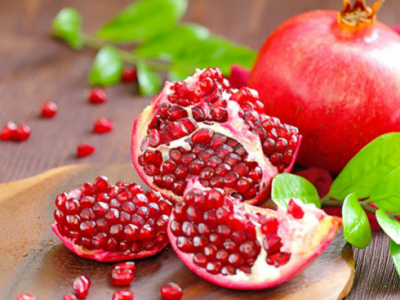
Pomegranate juice: the Grenade is rich in antioxidants, particularly polyphenols, which can help reduce inflammation and oxidation of the arteries. Studies have shown that consuming pomegranate juice can help lower blood pressure and improve endothelial function, which is important for blood vessel health.
Beet juice: Beetroot is rich in nitrates, which can help improve blood circulation by dilating blood vessels. Studies have shown that consuming beetroot juice can help reduce blood pressure and improve endothelial function.
Green tea: Green tea is rich in catechins, which have antioxidant and anti-inflammatory properties. Studies have shown that consuming green tea can help reduce high cholesterol levels and blood pressure, two major risk factors for atherosclerosis.
Lemon water: Lemon is rich in vitamin C, an antioxidant that can help reduce inflammation and prevent damage caused by free radicals. Consuming lemon water can also help stimulate digestion and eliminate toxins from the body, which can have beneficial effects on cardiovascular health.
Some advice ...
Large portion of tender and hard raw vegetables (beware of excess raw vegetables which can cause inflammations of the digestive tract), greens, and moderately acidic and semi-acidic watery fruits, taking into account the individual's constitution. Regular consumption of organically sourced eggs, eaten soft-boiled, poses no issues for many people.
Exercise is life, so it is important to incorporate into our daily activities a Physical activity, physical exercises, walks, movement. Furthermore, it is proven that people who engage in physical work throughout their lives are very rarely subject to arteriosclerosis.
Start the day with a skin exfoliation for 2 to 4 minutes. For this, use a good bristle brush that must have a handle to reach all parts of the body. Pay particular attention to brushing the shoulders, neck, and the left side of the rib cage. A glove and a horsehair band are also suitable.
To finish, do a bit of jogging in place, or orthotherapy exercises with thoracic release if possible.
FAQ: Natural Treatments for Atherosclerosis
What is atherosclerosis ?
Atherosclerosis is a disease of the arteries where plaques of fat, cholesterol, and other substances accumulate in the artery walls, leading to a narrowing and hardening of the arteries. This can reduce blood flow, increasing the risk of cardiovascular diseases such as myocardial infarction or strokes.
What are the recommended natural treatments for atherosclerosis ?
To combat atherosclerosis naturally, several approaches can be considered. Diet plays a key role, particularly the consumption of pomegranate juice, which is rich in antioxidants that help reduce inflammation and protect the arteries. Garlic is also an excellent natural remedy for preventing plaque buildup, as it has properties that help lower blood pressure and protect arterial walls. Additionally, incorporating chlorella into the diet can be beneficial, although scientific evidence on its direct effectiveness against atherosclerosis remains limited. In addition, physical exercise is fundamental: regularly engaging in physical activity improves blood circulation, reduces blood pressure, and helps maintain a healthy weight, which greatly contributes to the prevention of this disease.
Are there any drinks that are beneficial for artery health ?
Certain drinks can support cardiovascular health and help prevent atherosclerosis. Beet juice, for example, is rich in nitrates that help dilate blood vessels and improve circulation. Green tea, with its catechins, has antioxidant and anti-inflammatory properties, which help reduce cholesterol and protect the arteries. Similarly, lemon water, which is a good source of vitamin C, can help fight inflammation and protect arterial walls by combating free radicals.
Is chlorella effective against atherosclerosis ?
Chlorella is an algae rich in nutrients and antioxidants, and although it is often cited as beneficial for cardiovascular health, scientific evidence is not yet sufficient to confirm its direct effectiveness against atherosclerosis. However, some studies suggest that chlorella may help reduce blood cholesterol and decrease inflammation, which could indirectly contribute to the management of this disease.
What dietary advice can help prevent atherosclerosis ?
To prevent atherosclerosis, it is essential to adopt a healthy and balanced diet. It is recommended to consume a wide variety of raw vegetables and fruits, which are rich in fiber, vitamins, and antioxidants. These foods help maintain artery health and reduce the risk factors for this disease. On the other hand, it is preferable to avoid excessive consumption of raw foods, which could lead to inflammation of the digestive tract and harm the body's balance.
What role does physical exercise play in the prevention of atherosclerosis ?
Physical exercise plays a fundamental role in the prevention of atherosclerosis. Regular physical activity improves blood circulation, strengthens heart muscles, and helps regulate cholesterol levels. It also helps maintain a healthy weight, which is essential for reducing blood pressure and limiting the risk of plaque buildup in the arteries. Therefore, regular physical exercise is an important pillar of a natural approach to preventing this cardiovascular disease.