


This smooth cream, a lovely deep green, brings chlorella into your desserts and breakfasts in an indulgent form. Raw honey provides the sweetness, and tahini the creamy texture along with a sesame note that goes surprisingly well with the plant-like taste of the microalga. A few minutes with a whisk is all it takes, and the jar then waits in the fridge to liven up your everyday meals.
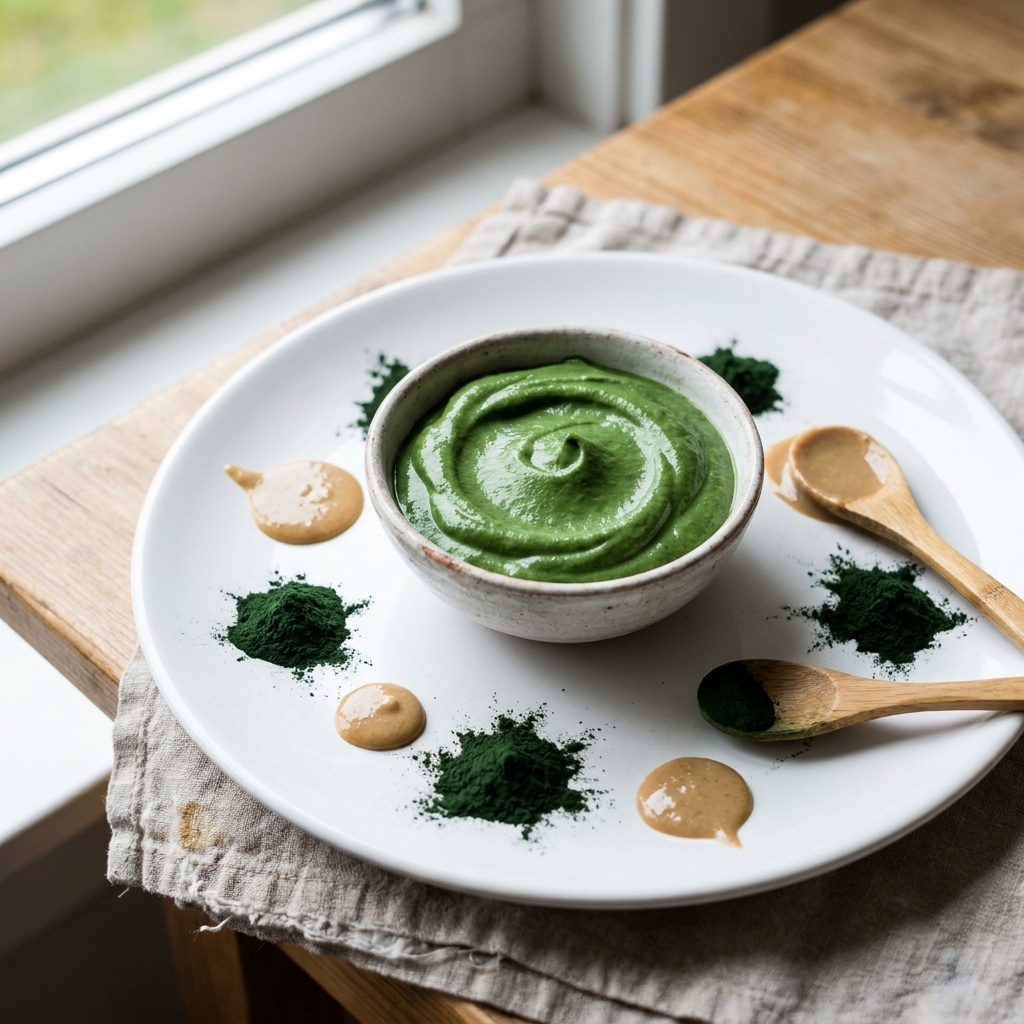
Green chlorella cream with raw honey and tahini

Share this article
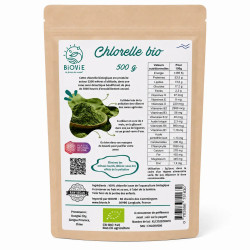
Ingredients
- 120 ml runny raw honey
- 1 to 3 teaspoons chlorella powder
- 2 to 4 tablespoons raw tahini (sesame paste)
Method
- Pour the honey into a bowl and whisk in the chlorella until it is evenly distributed, with no lumps.
- Add the tahini one tablespoon at a time, whisking after each addition: the more you add, the thicker the cream becomes. Stop as soon as you are happy with the texture.
- Transfer to a squeeze bottle for easy drizzling, or to a glass jar, and keep in the fridge.
Tip
If you are new to chlorella, start with 1 teaspoon: its plant-like taste is quite pronounced, and you can always add more. This cream is delicious drizzled over a fruit salad sprinkled with raw granola, whisked into a smoothie, or spread on a rice cake with banana slices and a few hemp seeds.
The full range Chlorella Algae
1 product
Discover the full range
FAQ: your questions about green chlorella cream
How much chlorella is recommended per day?
There is no single dose: manufacturers most often suggest a few grams a day, starting with small amounts, and the simplest approach is to follow the directions on the packaging of your powder. In this cream, 1 to 3 teaspoons of chlorella are spread throughout the whole jar, along with 120 ml of honey and a few spoonfuls of tahini: a spoonful of cream therefore contains only a small fraction of it. If you also take chlorella in other forms during the day, bear that in mind.
What are the risks associated with chlorella?
Chlorella is generally well tolerated in usual amounts, but some people experience mild digestive discomfort at first: hence the value of starting gently. It naturally contains vitamin K, so if you are on anticoagulant treatment, as well as during pregnancy, breastfeeding or long-term medical treatment, it is best to ask your doctor for advice before eating it regularly. Finally, choose an organic powder from a controlled supply chain.
What is raw honey?
Raw honey is honey that has been neither heated nor pasteurised after harvesting: it is cold-extracted, simply filtered, then put into jars. It therefore keeps its original aromas and its natural texture, which often crystallises over time. For this cream, choose a raw honey that is still runny, or let a slightly set honey come back to room temperature, so that the chlorella can be easily whisked in.
How can you recognise raw honey?
Start with the label: the words “raw honey”, “unheated” or “unpasteurised”, the beekeeper's name and the floral source are good clues. Crystallisation is also a reassuring sign, as most raw honeys set more or less quickly, whereas a honey that stays liquid for a very long time has sometimes been heated (except for naturally liquid varieties such as acacia). A clear floral scent and a distinctive taste usually point to a minimally processed honey.
Share this article