


 Why the ghassoul?
Scrubbing and sun: the right timing, and the right technique
This is the question that comes back every spring, and the answer is counter-intuitive for many. Scrubbing is done before sun exposure, never after. By removing dead cells beforehand, you get a more even tan, without the dull patches that appear when the surface layer sheds unevenly.
Frequency matters as much as the technique itself. Once or twice a week in the run-up to the season, then space it out once exposure begins: freshly exfoliated skin is more vulnerable, and scrubbing already-reddened skin only aggravates it needlessly. After sun exposure, nourish and hydrate - don't exfoliate.
The one-minute ghassoul scrub
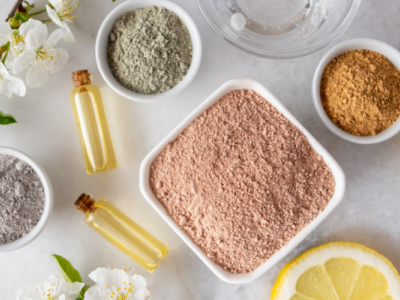
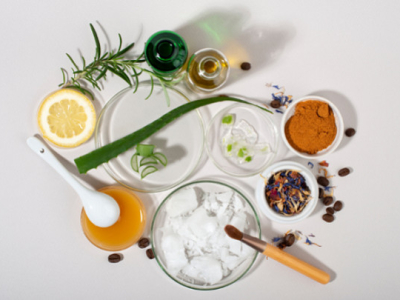
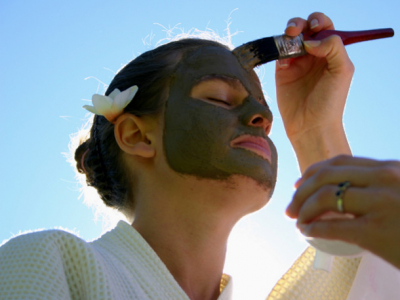
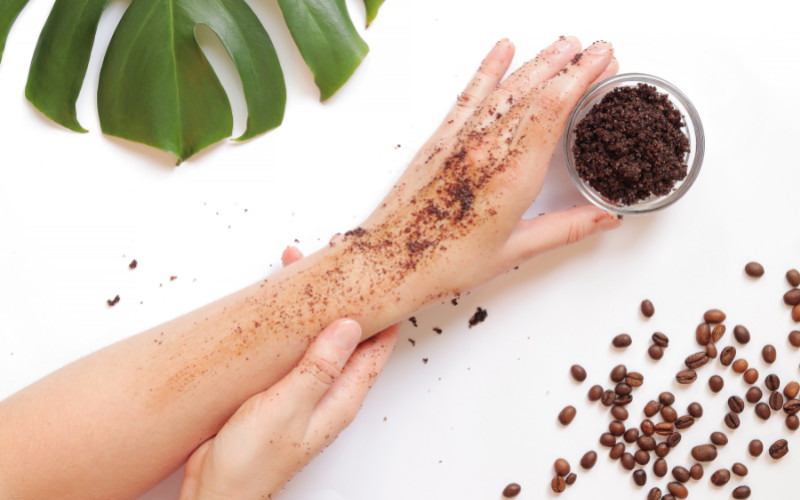
Two ingredients, thirty seconds of preparation. Mix one tablespoon of ghassoul with two tablespoons of hydrosol - lavender, geranium or tea tree - until you get a smooth paste. Massage in small circular motions, without rubbing, remove with a washable cotton pad and rinse with clear water. Ghassoul captures sebum rather than dissolving it: it's a gentle exfoliant, suitable for reactive skin.
After sun exposure, go for massage rather than scrubbing: coconut, castor and hemp oils nourish skin that feels hot and tight. It's also a moment to share with children, who discover new scents and textures - and a chance to get them into the habit of taking care of their skin.
The seawater variant
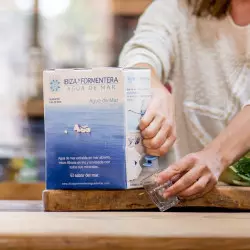
A single substitution is enough to change the nature of the treatment: replace the hydrosol with isotonic seawater plasma, in equal parts - one tablespoon of ghassoul to two tablespoons of seawater. The technique and rinsing stay the same.
The benefit lies in the composition. Seawater provides magnesium, calcium, potassium and a wide range of trace elements in ionised form, while the ghassoul works on the surface by adsorption: you combine gentle exfoliation with a mineral supply that tap water doesn't give you. The texture is more fluid, the feel less drying than the hydrosol version.
Two points on usage. Use isotonic plasma, not hypertonic, whose concentration is too high for prolonged skin use. And like any preservative-free preparation, this one should be made just before use: whatever's left in the bowl gets thrown away.
Preparing your skin from within
What goes on your plate matters as much as what you apply. The beta-carotene in carrots, apricots, sweet potatoes, red peppers and melon, along with the vitamin C in citrus fruits and berries, contribute respectively to normal metabolism and to the normal formation of collagen - the very thing that gives skin its suppleness.
Two points of attention, though. Hydration remains the primary lever: dry skin shows more, and 1.5 litres of water a day, along with water-rich vegetables and fruit - cucumber, watermelon, courgette, peach - makes more of a difference than any cream. And above all: no food and no vegetable oil replaces sun protection. The protection factors sometimes attributed to certain oils are nothing like those of a tested sunscreen product; relying on them exposes you to real burns. Avoid the 12pm-4pm window, keep children covered, and use sunscreen - everything else is a complement, as part of a varied and balanced diet and a healthy lifestyle.