






Wakame is a brown seaweed native to Northern Asia that contains a wealth of essential nutrients. Rich in natural iodine (100 to 200 µg for just 5 to 10 grams), this Japanese seaweed contributes to the normal functioning of the thyroid. Frankly, if you are looking for a superfood with scientifically validated benefits, fresh or dried wakame deserves a prominent place in your kitchen. Biovie has selected it for its exceptional quality and certified organic traceability.
Summary of the article
What is wakame ?
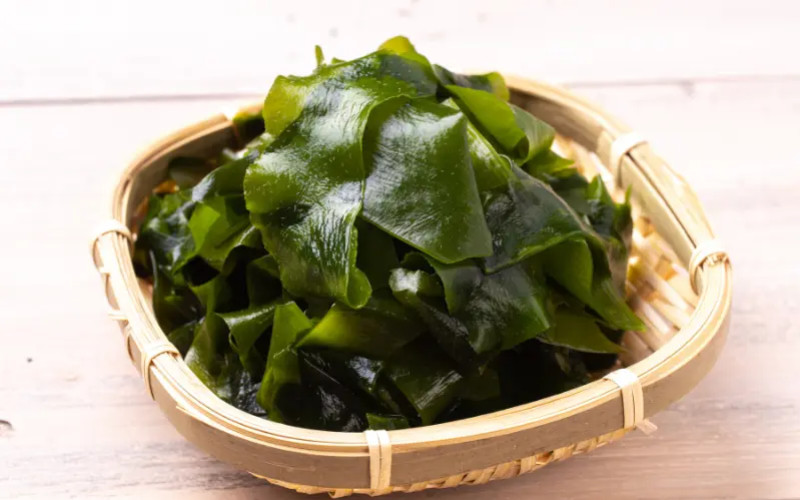
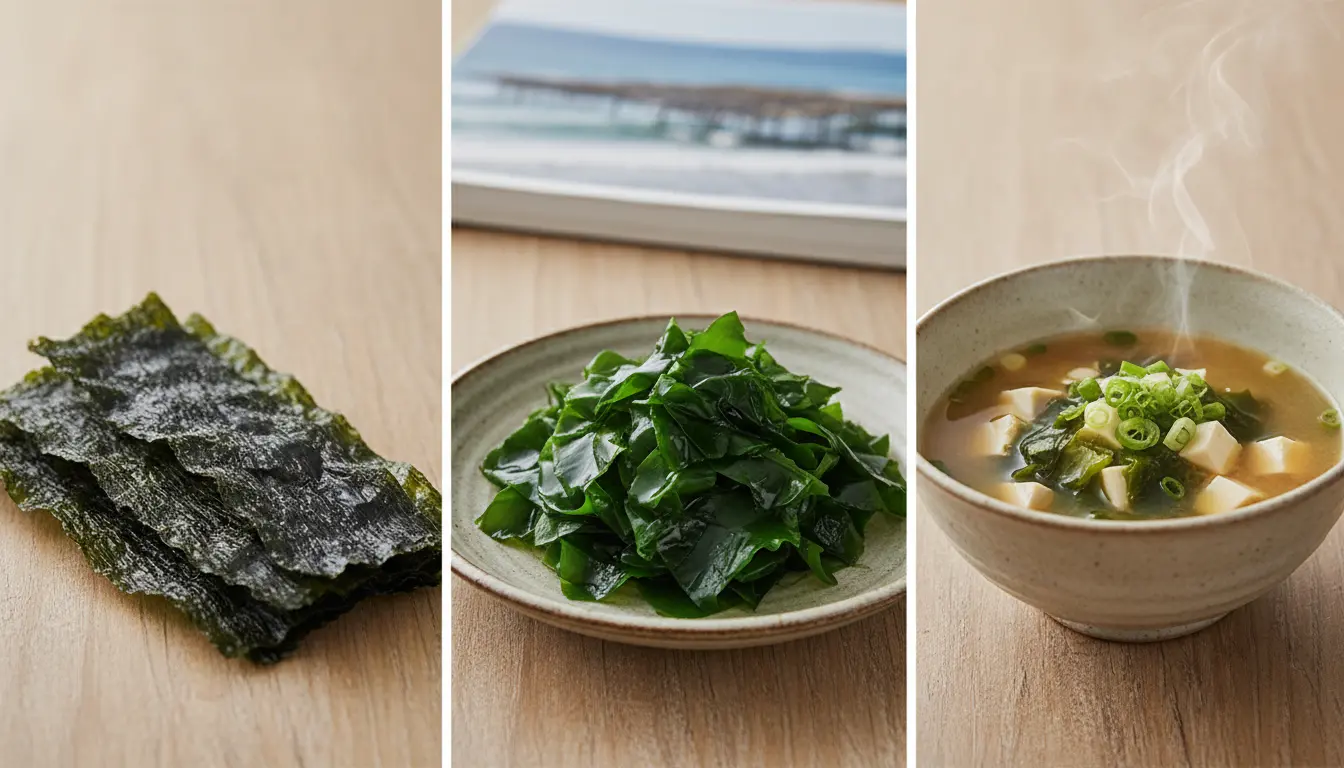
WakameUndaria pinnatifida) is a brown seaweed Traditionally consumed in Asia for over 2,000 years, particularly in Japan and Korea, its name literally means "grass from the bottom of the seas" in Japanese. This seaweed naturally grows in the cold, nutrient-rich waters of the coasts of Northern Asia, where marine ecosystems benefit from optimal development conditions.
Specifically, wakame appears as long, flat, and serrated fronds, measuring between 1 and 3 meters in length. These fronds are known for their tender texture after cooking and their slightly characteristic iodized flavor. At Biovie, we source our organic wakame from protected marine areas, ensuring exceptional purity and quality right from the harvest.
Remarkable nutritional composition
What makes wakame so special is its exceptional concentration of essential minerals. To give you a precise idea, here are the main nutrients contained in 10 grams of organic wakame:
Nutrient Quantity (per 10g) Role in the body
Iodine 100-200 µg Supports thyroid function
Calcium 80-120 mg Contributes to bone health
Magnesium 30-50 mg Participates in enzymatic reactions
Potassium 200-300 mg Contributes to normal heart function
Iron 3-5 mg Participates in the transport of oxygen
Zinc 0.5-1 mg Supports the immune system
Fibers 1-2 g Promotes healthy digestion
Here is an impressive concentration of key nutrients in a simple seaweed! What makes wakame even more interesting is that these minerals are present in ionic form, which means they are naturally bioavailable for your body. You assimilate them more easily than you would with synthetic supplements.
Wakame and thyroid health
Let's talk about what really makes wakame famous: its effect on the thyroid health. In reality, iodine is essentially to your thyroid what gasoline is to a car. Without it, nothing functions properly.
Iodine and the Thyroid: A Fundamental Relationship
Your thyroid produces thyroid hormones (T3 and T4) that control your metabolism, energy, body temperature, and overall well-being. However, these hormones cannot be synthesized without iodine. It is for this reason that theNatural iodine is classified as an essential nutrient.
Wakame provides between 100 and 200 µg of iodine per 5 to 10 gram serving. According to the recommendations of the EFSA (European Food Safety Authority), this covers a significant percentage of your daily needs. Clearly, this is one of the reasons why populations in Northern Asia regularly consume seaweed: it is naturally rich in this crucial mineral.
€17.30
Organic Fresh Wakame Seaweed
The documented benefits
Specifically, the iodine contained in wakame:
- Contributes to the normal functioning of the thyroid (EFSA claim validated)
- Supports energy metabolism
- Participates in crucial enzymatic reactions
- Helps maintain normal cognition
Other benefits for your health
Beyond iodine, wakame offers many other scientifically documented benefits. Here are the main ones:
Bone health and mineralization
Calcium and magnesium from wakame contribute to the maintenance of normal bone structure. These two minerals work in synergy to ensure bone density, which is particularly important as one ages.
Cardiac and circulatory function
The potassium contained in wakame contributes to normal heart function and contributes to the electrolyte balance of your body. This is essentially why seaweeds are among the recommended foods in cardiovascular health protocols.
Antioxidant properties
Wakame contains phytochemical compounds that act as antioxidants, helping your body cope with daily oxidative stress. These molecules fight free radicals generated by pollution, stress, and UV exposure.
How to use wakame in cooking
And here is perhaps the best news: wakame is incredibly easy to incorporate into your daily diet. Contrary to what some might think, it is not reserved for professional Asian cuisine.
Available forms and uses
Wakame comes in several formats:
- Wakame flakes: to sprinkle directly on your dishes, salads, soups. Instant rehydration upon contact with a liquid.
- Fresh wakame in strips : soak for a few minutes in warm water before adding to your culinary preparations.
- Whole dehydrated wakame : for purists who wish to prepare traditional broths or soups.
Simple and authentic recipes
1. Miso soup with wakame (5 minutes of preparation)
- 1 liter of water or broth
- 2-3 tablespoons of white or red miso
- A handful of wakame flakes
- Silken tofu cut into cubes (optional)
- Chopped green onion
Pour the boiling water into a bowl, dissolve the miso, add the wakame, and let it sit for 2 minutes. The wakame hydrates instantly. Garnish with green onion.
2. Summer salad with wakame
- Lettuce or fresh spinach
- 1 tablespoon of wakame flakes (rehydrated for 5 minutes)
- Cherry tomatoes
- Sliced avocado
- Lemon-olive oil-mustard vinaigrette
Wakame adds a delicious umami flavor to your salads.
3. Detox juice or smoothie
A pinch of wakame flakes in your morning green juice will provide iodine and minerals without altering the taste of your preparation.
Comparison with other seaweeds
You might be wondering: "How does wakame compare to spirulina or chlorella?" That's an excellent question. Here is a nuanced comparison of the main edible seaweeds.
Wakame vs Spirulina
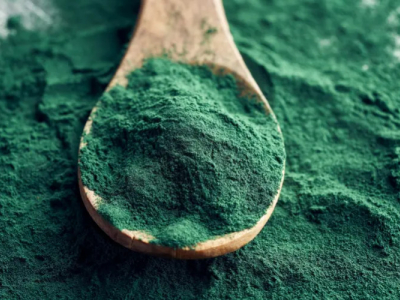
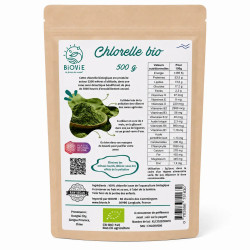
The spirulina is a cyanobacterium (not technically an algae) exceptionally rich in proteins (60-70% of its dry weight). However, spirulina contains very little natural iodine, while wakame is a remarkable source of it. If you are looking for iodine + proteins, combine the two.
Wakame vs Chlorella
The Chlorella excels in detoxification (its cell wall captures heavy metals) and offers a remarkable concentration of chlorophyll. Wakame, on the other hand, is notable for its iodine and general mineral richness. Both deserve a place in your diet.
Wakame vs Nori and Kombu
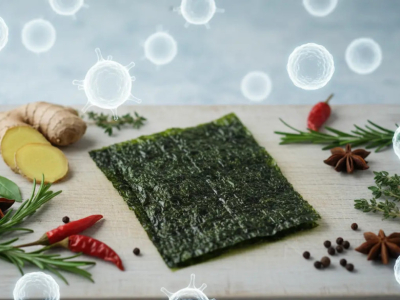
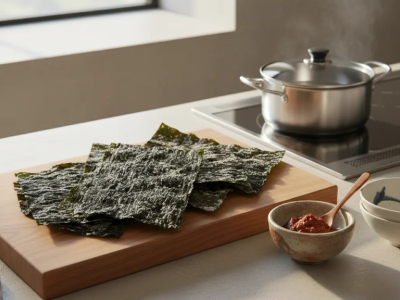
The Nori (used for sushi) also contains iodine, but generally less than wakame. The kombu (Kelp seaweed) is even richer in iodine than wakame, but it has a much tougher texture and requires longer cooking. Wakame offers the best compromise: nutritional richness + ease of use.
€10.50
Organic Fresh Nori Seaweed
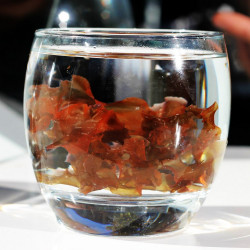
In reality, the ideal is to vary your sources of seaweed to benefit from the complete nutritional spectrum. At Biovie, we recommend a rotation approach: wakame 3-4 times a week, complemented by spirulina and chlorella according to your specific goals.

Conservation and shelf life
One of the great strengths of wakame is its remarkable stability. Frankly, it is one of the easiest superfoods to preserve on the market.
Optimal storage conditions
- Lifespan : officially 6 months for fresh wakame, 18 months for dehydrated wakame
- Temperature : Ambient temperature (ideally 15-25°C)
- Humidity : Dry place (less than 50% relative humidity)
- Light : Away from direct sunlight
- Packaging : Hermetic packaging or airtight container
Specifically, once opened, store your wakame in an airtight glass jar in a cool, dry place in your kitchen. No refrigeration is necessary for dehydrated wakame, unlike many food products.
.webp)
Security and recommendations
Recommended dosage
To benefit from the properties of wakame without the risk of iodine overdose:
- Ideal daily consumption : 5 to 10 grams (the equivalent of a teaspoon to a tablespoon)
- Frequency : 5 to 6 times per week
- Absolute maximum : Rarely exceed 20 grams per day
At this dose, you meet your iodine needs (150 µg/day recommended for an adult) while benefiting from the general mineral richness of the seaweed.
At-risk populations
Some people need to be careful:
- People with hypothyroidism treated with medication: Consult your doctor. Additional iodine intake could affect your treatment.
- People with hyperthyroidism : Additional iodine could worsen your symptoms.
- Pregnant or breastfeeding women Iodine is crucial, but the needs are increasing. Medical monitoring is recommended.
- People allergic to iodine or seafood : Test with a small amount first.
Purity and traceability Biovie
At Biovie, each batch of wakame is:
- ✅ Cultivated in protected marine areas (away from sources of contamination)
- ✅ Certified organic by Ecocert
- ✅ Laboratory tested for heavy metals and pollutants
- ✅ Traceable from the producer to your plate
Here is what sets us apart from basic commercial wakame: the guarantee of absolute purity and a verifiable origin.
Frequently Asked Questions
How long does it take to feel the benefits of wakame ?
The benefits of a diet rich in iodine gradually manifest. Increased energy and improved metabolism can be observed after 2-4 weeks of regular consumption. For the thyroid, the metabolic changes are more profound and are better measured through blood tests after 6 to 8 weeks.
Can wakame really replace a thyroid treatment ?
No. The wakame support normal thyroid function, but it does not treat a diagnosed thyroid disease in any case. If you have hypothyroidism or hyperthyroidism, follow the treatment prescribed by your doctor. Wakame can be a supplement, never a replacement.
Does wakame really contain less contamination than wild coastal seaweeds ?
Yes. The Biovie cultivated wakame comes from protected marine areas with strict environmental monitoring. Wild coastal seaweeds can accumulate local pollutants (heavy metals from industry, plastics). That is why we invest in verified traceability.
What is the difference between organic wakame and conventional wakame ?
Certified organic wakame by Biovie is cultivated without pesticides, without herbicides, and in pristine waters. Conventional wakame may be exposed to marine crop treatment products. Clearly, investing in organic for seaweed is not a luxury, it's a quality assurance.
Can one eat wakame every day without risk ?
Yes, at the recommended dose (5-10g daily). This amount provides an optimal physiological iodine level without the risk of overload. Beyond 20g daily for extended periods, you could approach the upper limits of recommended iodine consumption. Prioritize regularity over quantity.
Does wakame contain glutamic acid or natural MSG ?
Seaweed naturally contains small amounts of free amino acids, including glutamine. However, the concentration is much lower than that of commercially added MSG and does not pose any problem for the majority of people. If you are sensitive to MSG, test a small amount first.
Where to buy quality organic wakame
Now that you are convinced of the benefits of wakame, you are probably wondering where to find it. Frankly, not all wakame is created equal.
Selection criteria
Before buying wakame, check:
- ✅ Organic certification (ECOCERT, AB or equivalent)
- ✅ Country of origin clearly indicated (marine protected areas)
- ✅ No colorants or preservatives
- ✅ Realistic expiration date
- ✅ Hermetic and opaque packaging
Conclusion: Incorporate wakame into your health routine.
Wakame is much more than just a trendy exotic seaweed. It is a superfood of the seas with a remarkable nutritional density and scientifically validated traceability. Rich in natural iodine, calcium, magnesium, and potassium, it contributes to the normal functioning of your thyroid and supports your overall health.
This is why Biovie has decided to offer it as a priority: it is a sustainable ally, easy to use, and perfectly suited to a natural health approach. Whether you add it to your morning miso soup, your summer salads, or your green juices, wakame integrates seamlessly into your daily routine.
Don't wait any longer — Start with a small dose (5 grams) and observe how your energy and thyroid well-being evolve. And there you have it, you join the millions of people in Northern Asia who have known for millennia that the sea holds the best health secrets.
A varied and balanced diet and a healthy lifestyle are important. The beneficial effect of wakame on the thyroid is achieved with 5 to 10 grams of organic wakame per day, ensuring a daily iodine intake of at least 100 µg.