






Your kidneys filter roughly 50 gallons of blood a day. Every single day, no strike, no day off, no asking your permission. So no, you don't need a miracle "kidney cleanse" — they already clean themselves, that's literally their job. What actually changes their day-to-day comfort is 12 foods and a handful of simple habits, and most people notice the difference within weeks: less heaviness in the legs by evening, clearer urine with less odor, and that hard-to-describe feeling of being "less clogged up." This list isn't magic and it isn't exhaustive — it's just honest, sourced, and tested at home for years.
How your kidneys actually work
Two bean-shaped organs sitting on either side of your spine, just below the rib cage. About 1.5 million nephrons in each one — tiny microscopic filtration units doing all the heavy lifting. And it's real work: roughly 50 gallons of blood filtered every 24 hours, 99% of which gets reabsorbed, producing about 1.5 quarts of urine a day. What we call "waste" — urea, creatinine, excess sodium, uric acid — passes through this filter and out.
Here's what that means in practice: no single food "cleanses" your kidneys. It's the other way around — your kidneys clean your blood, continuously. The one real favor you can do them is make the job easier: enough water so they don't have to over-concentrate your urine, less sodium so they don't have to mop up the excess, antioxidant-rich foods to limit oxidative stress at the filter level. And, well, leave them alone when it comes to aggressive "detox" regimens. (Spoiler: they don't like those.)
The body's elimination organs — kidneys, liver, skin, lungs, gut — work as a team. Overload one and the others compensate. So the goal here isn't "cleansing the kidneys" commando-style, it's supporting their everyday work as part of a coherent, whole-foods lifestyle.
The 12 best foods for healthy kidneys
Before the list — one caveat. None of these foods has a lone superpower. It's consistency within a varied, balanced diet that makes the difference. Figures and studies are sourced at the end of the article.
- 1. Water. No debate here. The one truly non-negotiable "food." A systematic review published in JAMA Network Open in November 2024 confirms that adequate hydration is associated with better long-term kidney function preservation. NIDDK's general guidance points to roughly 8 cups (about 2 liters) a day for most healthy adults. In practice: pale, low-odor urine, less constipation, less afternoon brain fog.
- 2. Parsley. Rich in flavonoids (apigenin especially), vitamin K, and potassium. Traditionally used in folk herbalism to support diuresis. In practice: a big handful chopped into a salad, tabbouleh, or soup already shifts your day's nutrient profile.
- 3. Lemon. Its citrate content is regularly studied for its role in modulating urinary pH and helping prevent calcium oxalate stone formation in people prone to them. Half a lemon squeezed into warm water on waking is a tiny, pleasant habit.
- 4. Cranberries. A 2024 meta-analysis in Frontiers in Nutrition (Wang et al.) confirms the value of cranberry proanthocyanidins (PACs) for urinary tract comfort. What users most often report is fewer recurring urinary discomfort episodes — without this being a therapeutic promise. Pure, unsweetened juice or concentrated powder beats the sugary supermarket version.
- 5. Cucumber. 96% water, minerals, very low sodium, polyphenols in the skin. The quintessential summer food for passive hydration — the kind that happens without you thinking about drinking.
- 6. Watermelon. Same logic: 92% water, lycopene, citrulline. A slice after a summer meal gives that immediate "things are flowing better" feeling — especially after a hot day when ankles have puffed up a little.
- 7. Apples. Pectin, polyphenols, relatively low potassium compared to many other fruits. One of the few fruits compatible with nearly every kidney situation (barring specific medical advice otherwise). One a day really is useful.
- 8. Cauliflower. Low potassium, rich in sulfur compounds (glucosinolates), a solid source of vitamin C. Steamed, mashed, or grated raw as "rice" — it fits almost anywhere without weighing a meal down.
- 9. Berries. Blueberries, blackberries, raspberries, strawberries, currants. High concentration of antioxidant polyphenols, low sugar. About 1 cup a day is an easy target in season, and the benefit on overall oxidative stress is well documented.
- 10. Garlic and onions. Sulfur compounds (allicin, quercetin), general antioxidant and anti-inflammatory effect. Not kidney-specific, but part of the overall dietary profile that eases their workload.
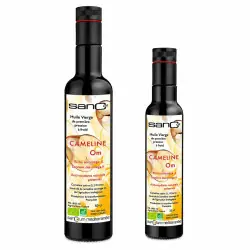
- 11. Extra virgin olive oil. Polyphenols (oleocanthal especially), omega-9s. The documented Mediterranean pillar in several observational studies for its general cardio-renal protective role. Raw, as a finishing oil, 2 tablespoons a day changes a meal's lipid profile — and indirectly, the filtering workload.
- 12. Leafy greens — watercress, arugula, lamb's lettuce, young shoots, chard. Rich in chlorophyll, magnesium, vitamins B9 and K. ⚠️ Oxalate caution: spinach, chard, beet greens, and rhubarb are high in oxalates — moderate these if you're prone to calcium oxalate kidney stones. In that case, favor watercress, arugula, and lamb's lettuce, which are much lower in oxalates.
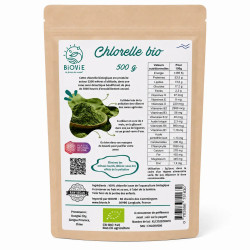
To go further on the chlorophyll and general kidney-support front, chlorella (rich in chlorophyll and able to bind certain heavy metals) is an interesting option to introduce gradually as part of a varied diet — not a shortcut, just a complementary tool.
The best drink for your kidneys: water
If you take away one thing, make it this one. Not the "special detox" tea, not the morning green juice, not the $4-a-bottle alkaline water. Water. Whatever comes out of your tap (filtered if possible) or a low-mineral bottled water.
NIDDK's general guidance is around 8 cups (roughly 2 liters) a day, knowing that about 20% comes from food (soups, fruit, vegetables) — so aiming for 6 to 7 cups of actual drinking water a day is a coherent target for most adults. In practice: pale-yellow urine (never dark), no acute thirst, and that "things flow better" feeling you mostly notice on the days you drank enough versus the days you forgot.
One important note: if you have diagnosed kidney disease, your fluid intake is prescribed by your nephrologist, and it can look very different. This guidance is for kidneys functioning normally.
Traditional herbs and teas
Several herbs recur across traditional herbal medicine for supporting kidney function. None of them is a "cure" — they're tools, best used seasonally and in short courses (3 weeks max, then a one-week break).
- Nettle (Urtica dioica) — mineral-rich, traditionally used to support drainage. As a dried-leaf infusion, 2 to 3 cups a day.
- Dandelion (Taraxacum officinale) — leaves or root, traditionally used to support liver and kidney function. Assertively bitter.
- Birch sap — harvested in spring, the seasonal cure of choice in living-foods circles. Classically 21 days, a small glass (5 oz) on an empty stomach each morning.
- Cherry stalk — a gentle, traditional decoction.
- Meadowsweet (Filipendula ulmaria) — known for its natural salicylates.
⚠️ Diuretic herb precautions: pregnancy, breastfeeding, anticoagulant treatment, or known chronic kidney disease — in all of these cases, talk to your doctor or pharmacist before starting a course.
Grandma's parsley-lemon recipe
This drink has exploded in search trends over the past couple of years, and honestly, it deserves the comeback.
Basic recipe (1 serving):
- 1 large handful of fresh flat-leaf parsley (organic, really)
- 1 organic, unwaxed lemon (with the zest if you're blending)
- 1 cup low-mineral water
Blend everything, strain if you prefer, drink in the morning. You can have it 3 days in a row, then rest 4 days, over 3 weeks max. It's not a medicine, it's a drink — you're not replacing medical advice with parsley juice.
Fuller "Biovie" variant: add 1 teaspoon (about 3g) of chlorella powder when blending. Chlorella brings chlorophyll, complete protein, and some preliminary research suggests a role in binding heavy metals at the gut level. The taste shifts a bit (more vegetal, earthier) — most people adjust within 2-3 tries.
And on the practical side: no juicer or extractor needed, a basic kitchen blender does the job. 30 seconds of prep, really. If even that feels like too much, double the quantities, make your liter for the whole day, and keep it in a glass bottle in the fridge.
4 lifestyle levers that change everything (before food)
Diet matters, but these four levers matter just as much. Often more.
1. Salt. The WHO recommends staying under 5g/day (about 2g of sodium). Average intake in many Western countries runs close to double that, mostly from ultra-processed foods. Cutting it in half usually just means not salting while cooking, and limiting cured meats, processed cheeses, ready meals, and salty snacks. It's a matter of habit. 2 to 3 weeks is usually enough to recalibrate your palate.
2. Movement. Walking 30 minutes a day, roughly any time, at roughly any pace. It's not about performance — it's about circulation. Well-perfused kidneys are kidneys that work comfortably.
3. NSAIDs (ibuprofen, ketoprofen, naproxen). Taken occasionally for a passing ache, they're harmless for most people. Taken several times a week, long term, they're one of the documented factors in declining kidney function. If you take them often, talk to your doctor about the underlying cause of the pain — not just masking it.
4. Sugar and alcohol. Excess refined sugar promotes insulin resistance, an indirect but real kidney risk factor. Alcohol is directly toxic to the kidneys with chronic consumption. Moderation on both. No dogmatic abstinence — just consistency.
⚠️ When to see a doctor (5 signs not to ignore)
This article is not medical advice. If you notice any of these signs, don't look for the answer in a tea:
- Persistent swelling (puffy eyelids in the morning, swollen ankles by evening)
- Changes in urine color or appearance (foamy, pink, dark, cloudy)
- Noticeably reduced urine output over several days
- Persistent lower back pain, on one side
- Unusual fatigue, unexplained itchy skin, rising blood pressure
In these cases, see your primary care physician or a nephrologist for proper evaluation. A simple urine test and a blood creatinine reading is often enough to clarify the situation within a few days.
FAQ — The 7 questions I get asked most
What foods are good for kidney repair?
No single food "repairs" your kidneys — but a diet built around water, cranberries, apples, watermelon, berries, and leafy greens (mindful of oxalates) supports their everyday work without overloading them.
What should kidney patients avoid eating?
This depends heavily on individual lab results (potassium, phosphorus, sodium) and must be set by a nephrologist or renal dietitian — there's no one-size-fits-all list, and self-restricting without medical guidance can backfire.
Is lemon really good for the kidneys?
Yes, in reasonable amounts. Its citrate content is studied for its role in helping prevent certain urinary stones in people prone to them. Half a lemon in warm water on waking is an excellent habit.
What's the best drink to support kidney health?
Rather than a "miracle juice," prioritize lemon water on waking, pure unsweetened cranberry juice in short courses if urinary comfort is a concern, and watermelon in summer. Generally, cap fruit juice at around 6-7 oz a day.
Is banana good for the kidneys?
For kidneys functioning normally, yes, it's a great food. ⚠️ With diagnosed kidney disease (where potassium needs to be controlled), banana is one of the fruits to moderate — but that call is made with your doctor.
Is drinking water at night bad for the kidneys?
No, it isn't. The only real downside is waking up at night to use the bathroom. If you have your last glass 1 to 2 hours before bed, you're generally fine.
How much water a day is right for healthy kidneys?
For most healthy adults: roughly 8 cups (about 2 liters) of total fluids a day (NIDDK), including food moisture. Adjust for heat, exercise, pregnancy, and breastfeeding.
Scientific references
- Wang, T., et al. (2024). "Cranberry proanthocyanidins and urinary tract health: systematic review and meta-analysis." Frontiers in Nutrition, 11. PMID: 39668896
- Sontrop, J.M., et al. (2016). "Hydration and chronic kidney disease: a systematic review." American Journal of Nephrology (Karger).
- JAMA Network Open (2024). "Water intake and long-term kidney function: systematic review." PMID: 39585691
- Long-term water intake and kidney function (2024). PMID: 39137622
- NIDDK (2024). Eating Right with Kidney Disease.
- USDA FoodData Central (2024). Nutrient composition tables.
- WHO (2024). Salt intake guidelines.
About the author
Update: September 2026. Article written and verified by Éric Viard, founder of Biovie since 2007 and ISTOM engineer, co-author of "Algues au quotidien" (Gallimard, 2024) — Best Cookbook in the World, Gourmand World Cookbook Awards 2025, and Best Cookbook in France, Académie Nationale de Cuisine 2025.
Disclaimer. The information in this article is provided for educational purposes only and is not medical advice. Consult a healthcare professional before making significant changes to your diet or supplement routine, particularly if you have diagnosed kidney disease, are pregnant, breastfeeding, or taking medication.