









Juice extractor
The HUROM E30ST juicer. Make fruit or vegetable juices daily with this ultra-efficient juicer, featuring a compact and lightweight design.
There are 10 products.
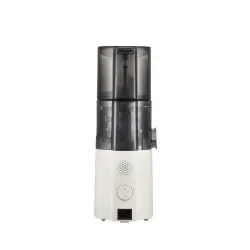
Hurom E30ST Juicer - White Color
€329.00
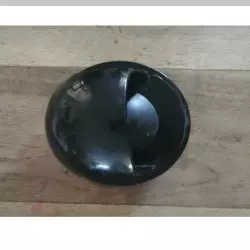

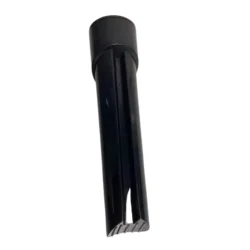
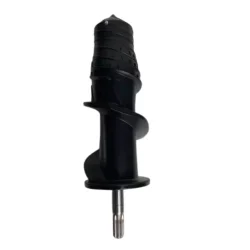
Auger Juicer Juice Me Up
€29.90
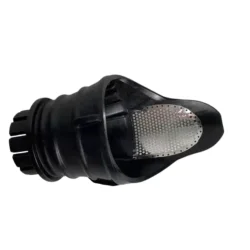
Grid Juicer Juice Me Up
€25.00
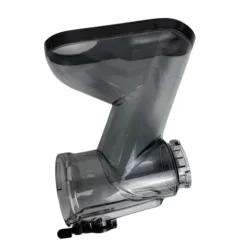
Tambour Juicer Juice Me Up
€25.00
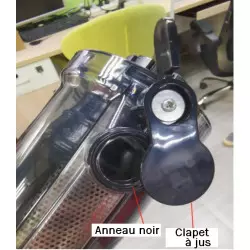

New to
Biovie?
Discover living food
at your own pace.
You have seen 10 of 10 products
Questions & answers
All about Juice extractor.
The questions we get asked most often, and our straight answers.
What is the interest of a juice extractor?
A juice extractor is a device that will allow you to set up a wonderful health routine: daily production of fresh vegetable juices and/or homemade fruit brominated at low speed and cold to preserve all vitamins, phytonutrients and, above all, enzymes of your food. Many nutrients are either destroyed by heat (all industrial juices are pasteurized) or destroyed by a brutal centrifugal treatment resulting in oxidation. With a juice extractor in your kitchen, this will not happen, as you can immediately consume the juices produced, unmatched in nutritional quality with juices purchased outside.
Which fruits should not be put in a juice extractor?
The juice extractor is able to extract the juice from many types of fruit, but some fruits are not suitable for this extraction method because of their characteristics, texture...Here is a list of fruits that it is better to avoid putting in a juice extractor:
Bananas: their texture is too soft to be treated in a juice extractor.On the other hand, they are ideal in smoothie.
Lawyers: they are very rich in nutrients, but not suitable for juice extraction because they contain too much fat and fiber.
Hard core fruit: such as peaches, plums and cherries, the core of these fruits can damage the juice extractor due to its hardness.
Fruit with hard seeds: like strawberries and raspberries, their seeds can also damage the juice extractor.
Citrus: like oranges and grapefruits, these fruits have a thick skin that can obstruct the juice extractor, so the best is to remove the skin before making them pass to the juice extractor.
What is the difference between a centrifuge and a juice extractor?
The centrifuge is the most common and cheapest juice machine. It is used in many homes and also by industrialists because it is appreciated for its rapid use. Food is grated and centrifuge uses the centrifugal force principle to separate the juice from the fibres. Foods are crushed at higher temperature by the speed of rotation which varies between 3000 and 10,000 turns per minute for a centrifuge. A juice extractor turns from 30 to 120 laps per minute. A centrifuge therefore rotates about 100 times faster than a low-speed extractor.
At this velocity the centrifuge damages the cell walls of the fruits and vegetables, so the cells are damaged and exposed directly to oxygen which oxides the juices at the time of production and thus reduces their nutritional interest. Juice loses its precious enzymes and many nutrients are destroyed. These oxidized juices are not kept and must be consumed quickly.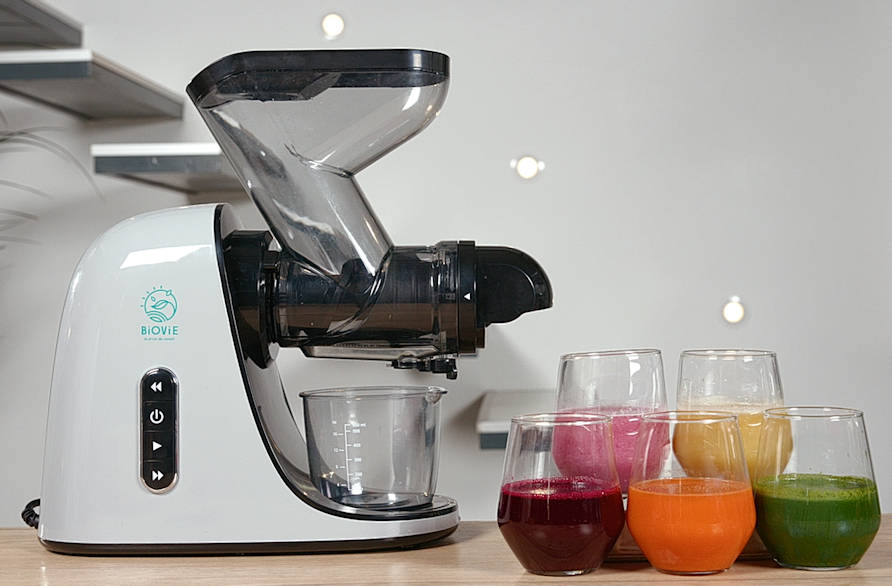
The vis juice extractor has a slow movement, the extraction is soft, cold without heat production.
A juice extractor keeps maximum nutrients, phytonutrient vitamins and enzymes. The extractor allows to produce a nutritionally more interesting juice than a centrifuge juice. This juice remains stable and can be stored in the refrigerator, ideally vacuumed, 24 hours. The ideal being to consume it as soon as it is produced.
The juice extractor (and especially the Juice me up) is a very fast and easy to clean device compared to the centrifuge.
The juice extractor remains more expensive than a centrifuge, but the investment made is compensated by its best yield and optimised nutritional intake.