

Summary
Among all the questions you ask us, those about memory come up with striking regularity. "Eric, I'm forgetting more and more. My words, people's names, what I had planned to do. Is this normal?" Yes — and no. Yes, because a certain cognitive slowdown is part of aging. No, because what you are experiencing is not inevitable, and there are very concrete nutritional levers to address it.
What you may not know is that the memory loss after 45 years old can start well before old age, according to an INSERM study published in the BMJ in 2012. Today, 1 in 3 French people over 50 years old complains of memory problems (INSERM). This is not a coincidence. It is a sign of a brain that, silently, is undergoing chronic inflammation that our modern diet worsens every day.
In this article, I will explain what really happens in your brain, why traditional solutions like Ginkgo biloba are often not enough, and how a wild freshwater algae — Klamath — can help support your cognitive functions by acting on three mechanisms that traditional plants generally do not address. I draw on 18 years of experience with superfoods at Biovie and on clinical studies available between 1992 and 2022.
Why do we lose memory with age? The real causes
Cognitive decline begins well before the age of 70.
It is one of the most surprising—and most important—pieces of data I have come across on the subject. INSERM and the British Medical Journal documented it together: cognitive decline can begin as early as 45 years old. Not at 70, not at retirement. At 45 years old.
What this concretely means: if you are between 45 and 60 years old and you notice that you are searching for words more often, that you are more easily distracted, that you have difficulty remembering a shopping list or a name mentioned five minutes earlier — you are not "aging poorly." You are experiencing the beginning of a physiological process that can, if not addressed, accelerate significantly.
The good news — and this is what convinced me to write this article for you — is that this process is partially adjustable through diet and certain superfoods.
Neuroinflammation: the often overlooked central mechanism
There is much discussion about cerebral blood circulation when memory is mentioned. And it is a valid avenue. However, there is another mechanism, less known to the general public, which nonetheless plays a central role in more than 80% of cognitive decline cases according to researchers from Virginia Tech (2025): neuroinflammation.
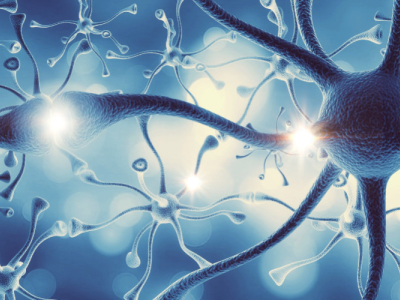
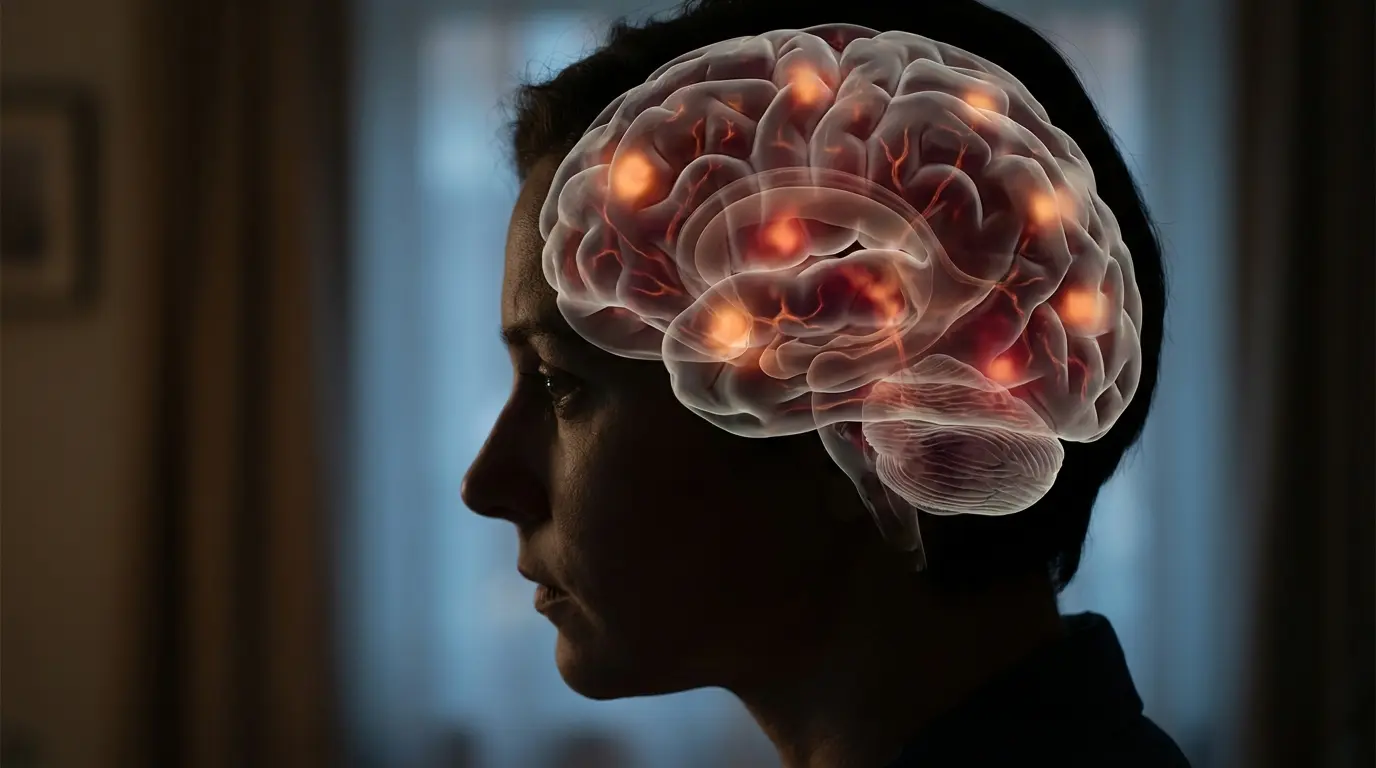
Neuroinflammation is a chronic, silent inflammation that gradually develops in brain tissue. It is not painful and does not cause fever. It works quietly, eroding connections between neurons, disrupting the production of neurotransmitters, and impairing working memory — the everyday memory that allows you to remember a phone number long enough to dial it or to follow the thread of a conversation.
This chronic inflammation of the brain is fueled by several factors that we will discuss. But what you should remember right now is that most natural solutions available in pharmacies or health food stores — Ginkgo biloba, Bacopa, Ginseng — primarily act on blood circulation or very specific aspects of neurotransmission. They do not directly address neuroinflammation. This is where Klamath stands out.
K63-polyubiquitination and IGF2: the discoveries of Virginia Tech (2025)
I am not going to give you a molecular biology lesson — that's not my style. But I want to mention this discovery because it truly changes our understanding of memory decline.
In 2025, researchers at Virginia Tech identified a process called K63-polyubiquitination. This molecular mechanism is involved in how our brain cells "clean" their damaged proteins. When it malfunctions—due to chronic stress, a pro-inflammatory diet, or lack of sleep—misfolded proteins accumulate in neurons and severely disrupt memory. These researchers also highlighted the role of IGF2 (insulin-like growth factor 2) in the consolidation of long-term memories.
What this tells us is that brain aging is not just a matter of "poorer circulation." It is a matter of deep cellular physiology — and certain nutrients found in superfoods can contribute positively to it.
The 5 aggravating factors of daily life
Before discussing solutions, it is important to understand what worsens memory loss after the age of 45. What France Alzheimer and neuroscience research identify as the main enemies of memory:
- Chronic stress : it raises cortisol, which directly affects the hippocampus, the area of the brain responsible for memory formation. It is probably the worst enemy of memory in daily life. We have also dedicated a full article to how to manage stress effectively if this subject particularly affects you.
- Alcohol : Memory loss related to alcohol is documented even for regular moderate consumption, as ethanol is directly toxic to neurons.
- Lack of sleep : it is during deep sleep that the brain consolidates the day's learning through its glymphatic system. Sleeping less than 6 hours profoundly affects memory consolidation.
- An ultra-processed diet : refined sugars, trans fats, synthetic sweeteners — these foods increase systemic inflammation, which then affects the brain.
- Sedentary lifestyle Physical exercise stimulates the production of BDNF (brain-derived neurotrophic factor), an essential compound for the survival and connection of neurons.
The good news is that these five factors are all, to varying degrees, actionable. And diet—starting with what we add, even before considering what we remove—is often the most powerful lever.
Memory loss after 45 years: when to worry ?
Warning signs not to ignore
There is a fundamental difference between normal forgetfulness and those that deserve special attention. Here is the simple rule I often share: if you forget where you placed your keys, it's trivial. If you forget what the keys are for, it's a signal.
More specifically, the signs that justify consulting a doctor are:
- Frequent forgetfulness of recent conversations or events that occurred a few hours earlier
- Repeating the same questions to those around you without remembering
- Disorientation in familiar places
- Increasing difficulties in managing complex tasks (budget, organization, planning)
- A notable change in personality or mood associated with forgetfulness
If you recognize yourself in any of these signals, the first step is to consult your general practitioner for a cognitive assessment. This article is not a diagnostic tool — it is a tool for prevention and nutritional support.
Difference between normal forgetting and pathological cognitive decline
Sudden memory loss, memory lapses that occur without an identifiable triggering factor, should also be reported to a healthcare professional. They may be a manifestation of hypoglycemia, imbalanced blood pressure, an episode of intense anxiety, or — more rarely — a minor stroke (TIA).
On the other hand, a gradual slowdown of working memory — that feeling that words "come less quickly," that you "search" more — is the typical profile of age-related cognitive decline, which often begins as early as 45 years old. It is precisely this profile that diet, and superfoods like Klamath, can help support. For more on comprehensive dietary strategies, also check out our article on how to naturally boost your memory.
Ginkgo biloba, Lion's Mane, Bacopa... what if the solution came from an algae ?
What classic plants do not do
I want to be honest with you about this topic — because there is a lot of marketing around plants for memory, and some important nuances to consider.
Ginkgo biloba is the most frequently cited reference. It primarily works by improving cerebral microcirculation and has interesting antioxidant properties. However, it does not act directly on neuroinflammation. It also does not contribute to the regeneration of neural stem cells or the balance of neurotransmitters such as dopamine.
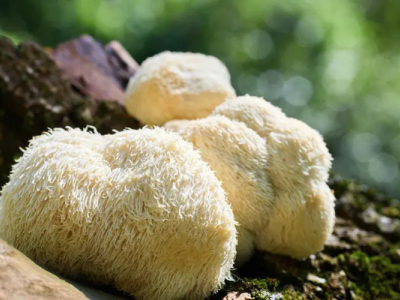
The Lion's Mane (Hericium erinaceus) is a more recent addition to the landscape of natural nootropics, and its effects on memory are documented in several serious studies — we have also published detailed articles on the Lion's Mane and memory on the Biovie blog on this subject. It stimulates the production of NGF (Nerve Growth Factor), which is remarkable. However, its action remains primarily focused on nerve regeneration, not on anti-neuroinflammation in a broader sense.
Bacopa, Ashwagandha, Ginseng — each has its own mechanism of action, often interesting but partial.
The question I asked myself — and that I invite you to ask yourself — is: which solution acts on multiple mechanisms simultaneously? And that's where Klamath algae comes into play.
Klamath (AFA): the little-known brain superfood
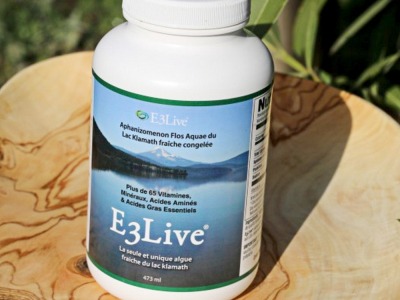
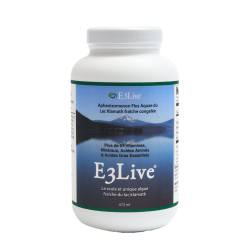
The Klamath algae (Aphanizomenon flos-aquae, or AFA) is a wild freshwater cyanobacterium harvested from Upper Klamath Lake in Oregon. It is one of the oldest forms of life on our planet and one of the most nutritionally dense foods I know: it contains 115 bioavailable nutrients, including essential amino acids, B vitamins (including B12), minerals, active pigments, and molecules not found in any other algae.
Frankly, when I started working on Klamath at Biovie over 18 years ago, I never imagined that this algae would become one of our pillars. Aurélie and I have incorporated it into our own routines for years. But what excites me today is the accumulation of scientific data that confirms what users have been reporting to us from the start: a progressive effect on mental clarity, concentration, and working memory.
What fundamentally distinguishes the Klamath classic plants is that it acts on three simultaneous mechanisms who are at the heart of memory decline after 45 years.
To better understand where this algae comes from and how it is harvested:
Watch the video: Harvesting Klamath algae at Upper Klamath Lake, Oregon
PEA, phycocyanin, polysaccharides: the active trio of Klamath
Phenylethylamine (PEA) is a natural molecule present in exceptional concentration in Klamath — much more than in cocoa, often cited as a reference. PEA is an indirect precursor of dopamine, the neurotransmitter responsible for focus, motivation, and working memory. It can help support dopaminergic balance, which may aid in mental clarity and concentration. Biovie's fresh frozen Klamath preserves this thermosensitive molecule — it degrades above 42°C, which explains why the form of preservation is crucial.
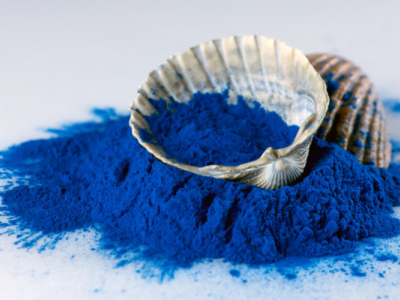
Phycocyanin is the characteristic blue pigment of Klamath. In vitro studies have shown that this pigment can help reduce markers of neuroinflammation. It is one of the most studied active compounds of the algae, with documented effects also in other species of cyanobacteria. We have published a comprehensive article on the virtues of phycocyanin if you wish to explore the subject further.
Specific polysaccharides The Klamath AFA have been studied for their role in the mobilization of adult stem cells — these reserve cells that our body uses for tissue regeneration. Research published by the researcher Christian Drapeau (2010) suggests that certain compounds in Klamath may help promote the mobilization of these cells from the bone marrow into the bloodstream, from where they can potentially reach the brain.
It's not magic. It's biology — still partial, still being explored, but sufficiently documented to seriously warrant your attention.
Wild Algae from Klamath Lake
€39.90
What studies say about Klamath and memory
Clinical Studies in Brief (1992–2022)
Research on AFA is not recent. It spans over 30 years. Here are the main milestones:
- Jensen, 2000 : a pilot study on children with attention disorders, showing an improvement in cognitive functions after regular consumption of AFA. First clinical signal on neuro-behavioral effects.
- Cremonte et al., 2017 : study on adults, observing an improvement in attention and concentration over a period of 3 months with AFA supplementation.
- Flag, 2010 : publication on the mechanisms of stem cell mobilization by Klamath polysaccharides — one of the most cited studies in the field.
These studies have modest sample sizes — let's be honest about that. The Klamath is not the subject of large-scale randomized trials like some medications can be. This is typical of research on superfoods and functional foods.
2022 Meta-analysis: Confirmation of Cognitive Effects
In 2022, a meta-analysis (Sérafini et al.) compiled six clinical studies on AFA and its cognitive effects. The main result: a significant improvement in cognitive functions was observed across all the studies analyzed. The meta-analysis also confirms that the effects are progressive — they do not appear in a few days but consolidate over several weeks to several months.
This is exactly what we have been observing at Biovie for years, through feedback from our customers. Not a spectacular transformation in a week. A gradual, solid improvement that establishes itself over time.
To learn more about the history and properties of this extraordinary algae, I invite you to read our in-depth article on Klamath, the algae of regeneration.
"Since discovering BioVie and living foods, my health has transformed. I feel lighter, more energetic, with a true sense of serenity every day."
— Siegfried R., Biovie customer ⭐⭐⭐⭐⭐ (Trustpilot)"I have been ordering from Biovie for several years and it is one of the few sites I have absolute trust in. The products are of remarkable quality, well-sourced, and often unavailable elsewhere."
— Prisca T., nutrition therapist ⭐⭐⭐⭐⭐ (Trustpilot)
How to incorporate Klamath to support memory ?
Progressive protocol: 0.5 g → 1 g → 2 g → 3 g over 3 months
Klamath is not a medication that works in 48 hours. It is a functional food that works deeply on three mechanisms — neuroinflammation, neurotransmitters, and cellular regeneration. For it to fully contribute to supporting cognitive functions, a gradual approach is key: start slowly to allow the body to adapt, then increase the dose to achieve the underlying effects. Here is the protocol we have recommended at Biovie for over 18 years:
- Tier 1 — Initiation (weeks 1–2): 0.5 g per day. Objective: to accustom the body, verify tolerance. At this dose, the expected effects are mainly a slight improvement in overall energy.
- Tier 2 — Activation (weeks 3–4): 1 g per day. Objective: initiate neurotransmitter support (PEA → dopaminergic pathway). Users often report better mental clarity in the morning and slightly improved stress management.
- Tier 3 — Ramp-up (weeks 5–8): 2 g per day. Objective: cerebral anti-inflammatory action through phycocyanin. Initial effects on concentration during long tasks and on working memory (names, lists, words).
- Level 4 — Maintenance dose (weeks 9–12): 3 g per day. Objective: cellular regeneration, underlying cognitive effects. The effects reported at this stage include smoother memory, better mental resistance to fatigue, and lasting clarity.
Slow progression is recommended for three reasons: it limits potential detox effects in the first few weeks, it allows for identifying the optimal threshold specific to each person, and it facilitates long-term adherence.
At what time of day should you take Klamath ?
- Option 1 — In the morning on an empty stomach (recommended) : 15 to 20 minutes before breakfast, in a large glass of water at room temperature or in a smoothie. The absorption of amino acids and PEA can be optimized on an empty stomach. This is also the time when the brain emerges from its nightly glymphatic cleaning cycle.
- Option 2 — Divided into two doses (for doses ≥ 2 g): half in the morning, half in the early afternoon — never in the evening, as PEA can be slightly stimulating.
- Option 3 — In a smoothie : dissolve in a cold or lukewarm drink — never hot. PEA is thermosensitive and degrades above 42°C.
One important point: it is imperative to avoid mixing your Klamath with coffee, tea, or hot herbal tea. This is one of the major arguments in favor of the Frozen fresh Klamath from Biovie — dried at low temperature, it preserves all of its heat-sensitive nutrients.
Klamath Memory Smoothie: Practical Recipe
Here is a simple and delicious way to incorporate Klamath into your morning routine. Aurélie and I prepare it regularly — it's our favorite way to consume it.
Ingredients for one person:
- 1 frozen banana (creamy texture + potassium for neurons)
- 200 ml of unsweetened almond milk (or oat milk)
- 1 teaspoon of frozen fresh Klamath Biovie (= 1 g, level 2)
- 1 tablespoon of almond butter (essential fatty acids for myelin)
- 1 handful of fresh or frozen blueberries (neuroprotective anthocyanins)
- Optional: a few fresh basil leaves
Preparation : Mix all the ingredients for 30 seconds. Drink immediately. Do not heat.
Why does it work? The banana provides tryptophan (a precursor to serotonin), blueberries help protect cells against oxidative stress thanks to their anthocyanins, and Klamath complements the mix with PEA, phycocyanin, and vitamin B12. It's a nutritional cocktail for the brain, ready in less than two minutes.
Variation: replace the blueberries with raw cocoa for a more indulgent smoothie.
Watch the video: 5 essential living foods for your health (including Klamath)
Frozen fresh Klamath or capsules: which to choose ?
Frozen fresh Klamath is the form I recommend primarily for daily use at home. Its preservation of the EPA is maximal (drying < 42°C, frozen within 4 hours of harvest). Its bioavailability is optimal — the liquid or powder form in a smoothie is better absorbed. It is the ideal form for the progressive protocol and for the smoothie recipe.
Klamath in capsules is perfect for practicality: when traveling, at the office, on the go. The preservation of the EPA is good according to the drying process. For beginners or very active individuals who cannot prepare a smoothie every morning, it's an excellent option.
"I ordered the frozen klamath (delivered in insulated packaging) and the quality is there! I am very satisfied."
— Agnès F. ⭐⭐⭐⭐⭐ (Google Reviews)"My favorites: fresh seaweed and fresh pollen!"
— Song ⭐⭐⭐⭐⭐ (Trustpilot)
Wild Algae from Klamath Lake
€39.90
Precautions to know before starting
- Anticoagulant treatment (warfarin, sintrom): Klamath is rich in vitamin K, which has a pro-coagulant effect. Consult your doctor before starting a course.
- Thyroid disorders : Klamath contains iodine. If you are undergoing thyroid treatment, seek medical advice.
- Pregnancy and breastfeeding : as a precaution, avoid or consult your doctor.
- Start of treatment : slight fatigue or more frequent bowel movements may occur in the first few days — this is often a sign of the body's adaptation. Temporarily reduce the dose if necessary.
- Product quality : it is imperative to choose a Klamath that is certified organic (Euroleaf label) with guaranteed phycotoxin (microcystins) analyses. At Biovie, each batch is tested in the United States and then upon arrival in France.
Frankly, the point about quality is non-negotiable. The Klamath grows in a wild natural environment — the quality of the lake and analytical controls make all the difference.
* A varied and balanced diet and a healthy lifestyle are important for your well-being. The mentioned effects are associated with regular consumption as part of a diverse diet.
FAQ — Your questions about memory loss and Klamath
How to naturally treat memory loss ?
There is no "miracle cure" — let's be honest. However, a set of complementary measures can help support memory functions: a diet rich in antioxidants and low in ultra-processed foods, a restorative sleep sufficient, regular physical activity (even moderate), management of chronic stress, and certain superfoods like Klamath. This algae can help support cognitive functions by acting on three simultaneous mechanisms — neuroinflammation, neurotransmitters, and cellular regeneration — whereas traditional solutions often only act on a single lever.
What is the worst enemy of memory ?
Chronic stress is probably the primary enemy of memory. It permanently raises cortisol, a hormone that directly affects the hippocampus — the area of the brain responsible for the formation and storage of memories. However, silent chronic neuroinflammation is also a significant factor: fueled by a pro-inflammatory diet, lack of sleep, and sedentary lifestyle, it gradually erodes neural connections without us realizing it.
What are the 5 worst foods for memory loss ?
According to France Alzheimer and neuroscience research: refined sugars (sodas, industrial pastries), trans fats (hydrogenated margarines, prepared meals), regular alcohol consumption, ultra-processed foods with a high glycemic index, and synthetic sweeteners can disrupt the microbiota — which communicates directly with the brain via the gut-brain axis. Klamath, with its 115 bioavailable nutrients, can help rebalance the nutritional intake that these foods deplete.
Is Klamath more effective than Ginkgo biloba ?
That's not really the right question. Ginkgo biloba primarily acts on cerebral microcirculation and has recognized antioxidant properties. Klamath works on different and complementary mechanisms: neuroinflammation (phycocyanin), neurotransmitters (PEA), and cellular regeneration (polysaccharides). In terms of mechanisms of action on age-related memory decline, Klamath addresses levers that Ginkgo does not. The two can be complementary — but if I had to choose just one superfood for memory loss after 45, I would recommend Klamath.
How to quickly boost your memory ?
Let's be realistic: quickly boosting your memory doesn't really exist in the true sense of the term. What can improve quickly is mental clarity and concentration — often within 2 to 3 weeks with Klamath, according to feedback from our clients. For long-term memory, lasting cognitive effects gradually develop over 6 to 12 weeks. Regular physical activity, even a brisk 30-minute walk a day, can also help improve short-term neuroplasticity.
Memory loss: when to consult a doctor ?
Consult a doctor if you notice frequent forgetfulness of recent conversations, disorientation in familiar places, increasing difficulty managing complex tasks, or a noticeable change in personality associated with memory problems. Sudden memory loss without an identifiable cause should also prompt a quick consultation. This article is a nutritional prevention tool — it does not replace a medical diagnosis.
Is Klamath suitable for elderly people ?
Yes, Klamath is generally well tolerated by elderly individuals, with the usual precautions: ensure there is no ongoing anticoagulant or thyroid treatment, and start with a low dose (0.5 g per day) to test tolerance. The capsule form may be more convenient than the frozen fresh form for this user profile. Several testimonials from senior Biovie customers report positive effects on mental clarity and overall energy after a few weeks of regular use.
In summary
The memory loss after 45 years old It is not an inevitability linked to age. It is often a signal of a brain in a state of chronic inflammation that diet can help modulate. Klamath, with its active trio of PEA–phycocyanin–polysaccharides, can help support cognitive functions by acting where traditional plants generally do not.
The progressive protocol over 3 months — starting at 0.5 g and increasing up to 3 g per day — is the most effective way to get the most out of it. And the Frozen fresh Klamath from Biovie remains, in our opinion, the form that best preserves the integrity of its thermosensitive assets.
Here you go. If you wish to go further, I invite you to consult the testimonies of Mark, Betty, and Gwen on the Biovie blog — three clients who share their experience with Klamath regarding mental clarity and concentration. These are their words, not ours. And it often speaks more than all the molecular mechanisms in the world.
Sources:
(1) INSERM / BMJ, 2012 — "Trajectories of Cognitive Decline from Age 45"
(2) Virginia Tech, 2025 — Study on K63-polyubiquitination and IGF2
(3) Sérafini et al., 2022 — Meta-analysis AFA and cognitive functions (n=6 studies)
(4) Drapeau C., 2010 — Mobilization of stem cells by AFA polysaccharides
(5) France Alzheimer — "The 5 Foods to Avoid to Protect Your Memory"
(6) Cremonte et al., 2017 — Effects of AFA on attention and concentration