Kidneys and Diet: 12 Foods to Put on Your Plate, the Complete List (2026)
Your kidneys filter roughly 50 gallons of blood a day. Every single day, no strike, no day off, no asking your permission. So no, no need for a miracle "cure": filtering is their job. This list isn't magic and it isn't exhaustive: it's just honest, sourced, and tested at home for years.
How your kidneys actually work
Two bean-shaped organs sitting on either side of your spine, just below the rib cage. About 1.5 million nephrons in each one, tiny microscopic filtration units doing all the heavy lifting. And it's real work: roughly 50 gallons of blood filtered every 24 hours, 99% of which gets reabsorbed, producing about 1.5 quarts of urine a day. What we call "waste", urea, creatinine, excess sodium, uric acid, passes through this filter and out.
Here's what that means in practice: no single food "cleanses" your kidneys. It's the other way around, your kidneys clean your blood, continuously. The one real favor you can do them is make the job easier: enough water so they don't have to over-concentrate your urine, less sodium so they don't have to mop up the excess. And, well, leave them alone when it comes to aggressive "detox" regimens. (Spoiler: they don't like those.)
The 12 foods to put on your plate
Before the list, one caveat. None of these foods has a lone superpower. It's consistency within a varied, balanced diet that makes the difference. Figures and studies are sourced at the end of the article.
1. Water. No debate here. The one truly non-negotiable "food." NIDDK's general guidance points to roughly 8 cups (about 2 liters) a day for most healthy adults.
2. Parsley. A big handful chopped into a salad, tabbouleh, or soup.
3. Lemon. Lemon provides citrate, a compound that researchers study in connection with urine; this work does not allow an effect to be attributed to lemon. Half a lemon squeezed into warm water on waking is a tiny, pleasant habit.
4. Cranberries. As pure unsweetened juice, cranberry has a tart taste that goes well with sparkling water.
5. Cucumber. 96% water, minerals, very low sodium, polyphenols in the skin. The quintessential summer food for passive hydration, the kind that happens without you thinking about drinking.
6. Watermelon. Same logic: 92% water, lycopene, citrulline.
7. Apples. Pectin, polyphenols.
8. Cauliflower. Steamed, mashed, or grated raw as "rice", it fits almost anywhere without weighing a meal down.
9. Berries. Blueberries, blackberries, raspberries, strawberries, currants. Polyphenols, low sugar. About 1 cup a day is an easy portion to reach in season.
10. Garlic and onions. Sulfur compounds (allicin) and quercetin, which give garlic and onions their bite.
11. Extra virgin olive oil. Polyphenols (oleocanthal especially), omega-9s. Raw, as a finishing oil.
12. Leafy greens, watercress, arugula, lamb's lettuce, young shoots, chard. ⚠️ Oxalate caution: spinach, chard, beet greens, and rhubarb are high in oxalates, moderate these if you're prone to calcium oxalate kidney stones. In that case, favor watercress, arugula, and lamb's lettuce, which are much lower in oxalates.
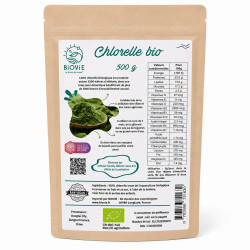
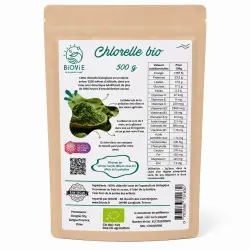
If you like vegetal flavors, chlorella powder can also find a place in your drinks, as part of a varied diet.
If you take away one thing, make it this one. Not the "special detox" tea, not the morning green juice, not the $4-a-bottle alkaline water. Water. Whatever comes out of your tap (filtered if possible) or a low-mineral bottled water.
NIDDK's general guidance is around 8 cups (roughly 2 liters) a day, knowing that about 20% comes from food (soups, fruit, vegetables), so aiming for 6 to 7 cups of actual drinking water a day is a coherent target for most adults.
One important note: if you have diagnosed kidney disease, your fluid intake is prescribed by your nephrologist, and it can look very different. This guidance is for kidneys functioning normally.
Traditional herbs and teas
Several plants recur in traditional preparations, as infusions or drinks.
Nettle (Urtica dioica) : as a dried-leaf infusion, 2 to 3 cups a day.
Dandelion (Taraxacum officinale) : leaves or root. Assertively bitter.
Birch sap : harvested in spring, a small glass (5 oz) on an empty stomach each morning.
Cherry stalk, a gentle, traditional decoction.
⚠️ Precautions: pregnancy, breastfeeding, anticoagulant treatment, or known chronic kidney disease, in all of these cases, talk to your doctor or pharmacist before starting a course.
This drink has exploded in search trends over the past couple of years, and honestly, it deserves the comeback.
Basic recipe (1 serving):
1 large handful of fresh flat-leaf parsley (organic, really)
1 organic, unwaxed lemon (with the zest if you're blending)
1 cup low-mineral water
Blend everything, strain if you prefer, drink in the morning. It's a drink, and it doesn't replace medical advice.
Fuller "Biovie" variant: add 1 teaspoon (about 3g) of chlorella powder when blending. Chlorella gives the drink a deep green color and a more vegetal taste. The taste shifts a bit (more vegetal, earthier), most people adjust within 2-3 tries.
And on the practical side: no juicer or extractor needed, a basic kitchen blender does the job. 30 seconds of prep, really. If even that feels like too much, double the quantities, make your liter for the whole day, and keep it in a glass bottle in the fridge.
4 lifestyle levers that change everything (before food)
Diet matters, but these four levers matter just as much. Often more.
1. Salt. The WHO recommends staying under 5g/day (about 2g of sodium). Average intake in many Western countries runs close to double that, mostly from ultra-processed foods. Cutting it in half usually just means not salting while cooking, and limiting cured meats, processed cheeses, ready meals, and salty snacks. It's a matter of habit. 2 to 3 weeks is usually enough to recalibrate your palate.
2. Movement. Walking 30 minutes a day, roughly any time, at roughly any pace. It's not about performance.
3. NSAIDs (ibuprofen, ketoprofen, naproxen). Taken occasionally for a passing ache, they're harmless for most people. Taken several times a week, long term, they're one of the documented factors in declining kidney function. If you take them often, talk to your doctor about the underlying cause of the pain, not just masking it.
4. Sugar and alcohol. Moderation on both. No dogmatic abstinence, just consistency.
⚠️ When to see a doctor (5 signs not to ignore)
This article is not medical advice. If you notice any of these signs, don't look for the answer in a tea:
Persistent swelling (puffy eyelids in the morning, swollen ankles by evening)
Changes in urine color or appearance (foamy, pink, dark, cloudy)
In these cases, see your primary care physician or a nephrologist for proper evaluation. A simple urine test and a blood creatinine reading is often enough to clarify the situation within a few days.
FAQ, The 7 questions I get asked most
Which fruits should you put on your plate?
No fruit replaces a varied and balanced diet. Cranberries, apples, watermelon and berries are among the fruits mentioned in this article.
What should kidney patients avoid eating?
This depends heavily on individual lab results (potassium, phosphorus, sodium) and must be set by a nephrologist or renal dietitian, there's no one-size-fits-all list, and self-restricting without medical guidance can backfire.
Can you drink lemon water every day?
Yes, in reasonable amounts: half a lemon squeezed into warm water on waking is a simple habit. If you have kidney stones, follow your doctor's advice.
Which juice should you favor?
Rather than a "miracle juice," prioritize lemon water on waking, a pure unsweetened cranberry juice, and watermelon juice in summer. Generally, cap fruit juice at around 6-7 oz a day.
Is banana good for the kidneys?
For kidneys functioning normally, yes, you can eat it normally. ⚠️ With diagnosed kidney disease (where potassium needs to be controlled), banana is one of the fruits to moderate, but that call is made with your doctor.
Is drinking water at night bad for the kidneys?
No, it isn't. The only real downside is waking up at night to use the bathroom. If you have your last glass 1 to 2 hours before bed, you're generally fine.
How much water a day is right for healthy kidneys?
For most healthy adults: roughly 8 cups (about 2 liters) of total fluids a day (NIDDK), including food moisture. Adjust for heat, exercise, pregnancy, and breastfeeding.
Organic chlorella is a dark green freshwater microalga, with a profile that differs from that of spirulina. At Biovie, only chlorella with a lysed cell wall is offered: a processing step often overlooked by other brands. Food supplement: the recommended daily dose is 5 g, not to be exceeded. It combines perfectly well with spirulina in the same routine, the two microalgae having different profiles., 1
product
Disclaimer.The information in this article is provided for educational purposes only and is not medical advice. Consult a healthcare professional before making significant changes to your diet or supplement routine, particularly if you have diagnosed kidney disease, are pregnant, breastfeeding, or undergoing treatment.