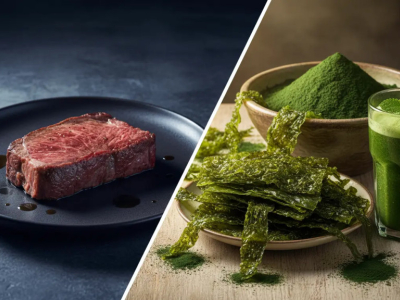


The Dulse contains between 35 and 50 mg of iron per 100 grams in dried form, which is 10 to 15 times more than red meat. What makes it truly unique among all plant-based iron sources? It naturally contains vitamin C, that famous cofactor that increases the intestinal absorption of non-heme iron by 2 to 6 times (1). With Aurélie, we have been working with this Breton seaweed for over ten years, and frankly, it is one of the most elegant solutions we know for women looking to boost their iron reserves without experiencing the digestive discomfort of traditional supplements.
Why 25% of French women are iron deficient
The numbers you should know
Here is a reality that we often prefer to ignore: according to the ESTEBAN study conducted by Santé Publique France between 2014 and 2016, 25% of women of childbearing age present a depletion of iron reserves, and nearly 5% suffer from confirmed iron deficiency anemia (2). Even more concerning, 90% of women have daily intakes below the 16 mg recommended by ANSES (3).
These figures are not just abstract statistics. They represent millions of women who wake up tired, struggle to concentrate at work, and lose handfuls of hair without understanding why. Iron deficiency has become a true silent epidemic in our modern societies, particularly among women who often accumulate several risk factors: heavy periods, closely spaced pregnancies, restrictive diets, or simply a depleted diet.
Symptoms You May Be Ignoring
The problem with iron deficiency is that it develops gradually and insidiously. The body first draws from its ferritin reserves before the first clinical signs appear. And when they do appear, they are easily attributed to something else: the Stress, the lack of sleep, ...mental load...
Clinical signs of iron deficiency to watch for:
- Persistent fatigue which does not improve with rest, present from the moment of waking
- Shortness of breath on exertion even for routine activities like climbing stairs
- Paleness of the skin, mucous membranes (inside of the eyelids, gums), and nails
- Brittle hair and hair loss Unusual, sometimes diffuse
- Brittle nails that split or break easily, sometimes spoon-shaped (koilonychia)
- Difficulties concentrating and memory disorders
- Headaches Recurrent dizziness when standing up quickly
- Feeling of cold Persistent, icy extremities
- Restless legs syndrome The night, impatiences
- Pica : strange cravings to chew ice, dirt, or other non-food substances
A study published in the British Medical Journal demonstrated that even iron deficiency without anemia (low ferritin but normal hemoglobin) can significantly impair cognitive functions and quality of life (4). This is known as "latent iron deficiency," and it affects even more women than declared anemia.
Why women are particularly vulnerable
Female physiology largely explains this vulnerability. Menstruation represents a regular and unavoidable loss of iron. On average, a woman loses between 30 and 40 ml of blood per cycle, which is equivalent to about 15 to 20 mg of iron per month. For those with heavy periods (menorrhagia), this loss can double or even triple.
In addition to these, the pregnancies, which require considerable amounts of iron for the development of the fetus and placenta. The needs increase from 16 mg/day to 25-30 mg/day in the third trimester (6). Without particular attention to diet, it is almost impossible to meet these needs with a standard Western diet.
And then there are the diets. How many women have reduced or eliminated red meat from their diet for ethical, environmental, or health reasons? It is a choice that we deeply respect at Biovie, but we must be clear: the red meat was traditionally the main source of easily absorbable iron in the Western diet. Its removal requires finding effective alternatives.
Dulse: An Unsung Champion of Plant-Based Iron
An algae with remarkable properties
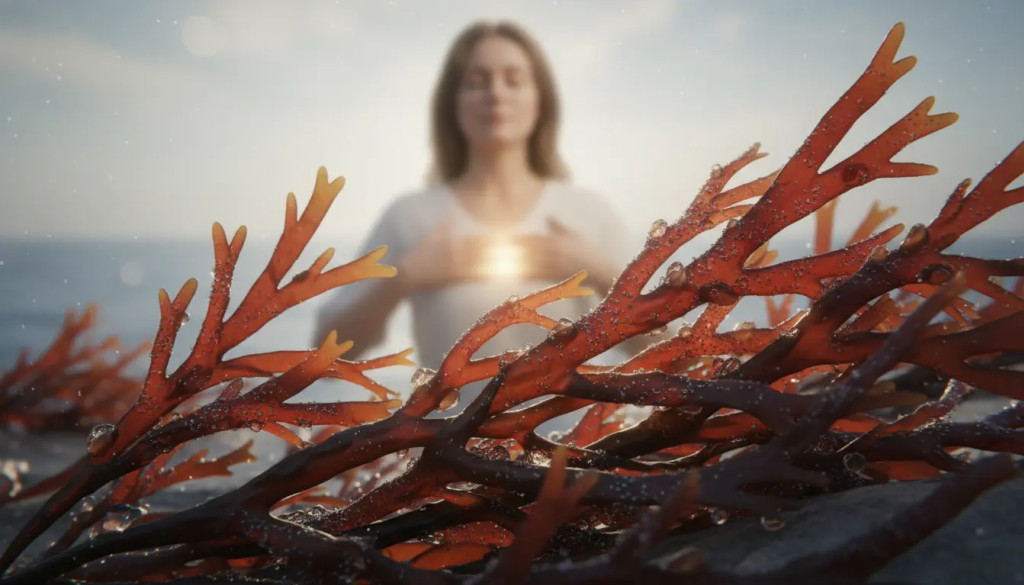
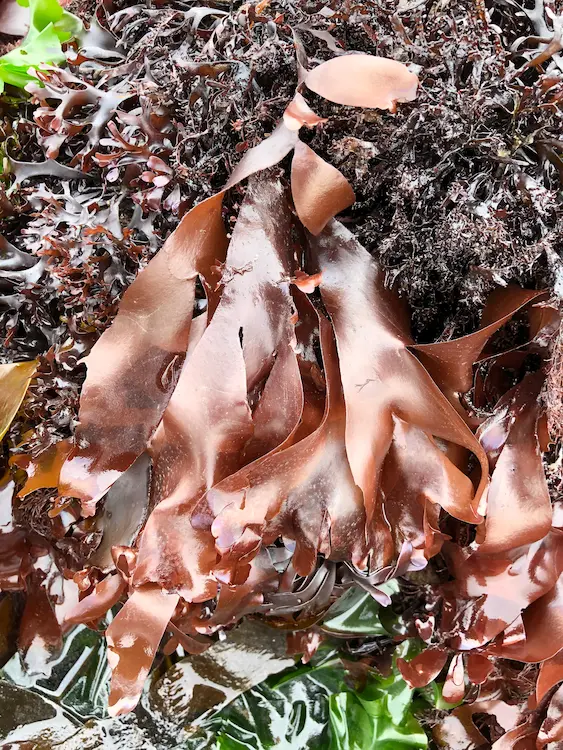
Dulse, scientifically known as Palmaria palmata, is a red algae that is harvested on the Atlantic coasts, particularly in Brittany. In Breton, it is sometimes called "tellesk" or "little seaweed." It naturally grows on rocks in the intertidal zone, where the sea rises and falls twice a day.
What struck us from our initial analyses is its exceptional nutritional density. For 100 grams of dried dulse, we find:
- 35 to 50 mg of iron according to the analyses of CEVA (Center for the Study and Valorization of Algae)
- 20 to 30 mg of vitamin C naturally present
- 35% complete proteins with all the essential amino acids
- A wealth in vitamins B12, B6, and folates essential for the synthesis of red blood cells
- Of the Antioxidants (phycoerythrin) which contribute to the protection of cells
Specifically, 5 grams of dried dulse provide about 2 to 2.5 mg of iron, which is equivalent to 100 grams of ground beef. However, dulse comes with its own absorption cofactors, which changes everything.
Comparison with other sources of iron
To properly place dulse in the landscape of iron-rich foods, here are the results of comparative analyses:
Animal sources (heme iron, absorption 15-35%):
- Black pudding: 22 mg/100g
- Calf liver: 7 mg/100g
- Red meat: 3-4 mg/100g
Algae and plants (non-heme iron, absorption 2-20%):
- Ao-nori: 234 mg/100g (but rare in France)
- Sea lettuce: 78.9 mg/100g
- Atlantic wakame: 61.5 mg/100g
- Dulse: 35-50 mg/100g + integrated vitamin C
- Nori: 37 mg/100g
- Spirulina: 28 mg/100g
- Lentils: 8 mg/100g
- Spinach: 2.7 mg/100g
You notice that I highlighted the uniqueness of dulse. Because yes, other seaweeds contain more iron in absolute terms. But dulse is the only one that combines a high iron content with a significant presence of vitamin C. And that is the real game-changer for absorption.
The unique advantage of dulse: integrated vitamin C
How vitamin C transforms iron absorption
This is where biochemistry becomes exciting. Iron exists in two forms in food: heme iron (bound to hemoglobin, found in animal products) and non-heme iron (found in plants). Non-heme iron is naturally less well absorbed by our intestines, with an absorption rate that varies from 2 to 20% depending on the dietary context (7).
Vitamin C, or ascorbic acid, plays a remarkable facilitating role. It reduces ferric iron (Fe³⁺) to ferrous iron (Fe²⁺), the only form that our enterocytes can effectively absorb. A meta-analysis published in theAmerican Journal of Clinical Nutrition demonstrated that 50 mg of vitamin C taken with a meal can increase the absorption of non-heme iron by a factor of 2 to 6 (8).
And this is where dulse becomes really interesting. Unlike spirulina, wakame, or sea lettuce, it naturally contains 20 to 30 mg of vitamin C per 100 grams when dried. When you consume dulse, you simultaneously absorb iron AND its absorption cofactor, in the optimal proportions that nature intended.
Why dulse can surpass iron supplements
Iron supplements in pharmacies (ferrous sulfate, ferrous fumarate, ferrous gluconate...) are often prescribed in cases of confirmed deficiency. But honestly, ask any woman who has taken them: the side effects are often hard to bear. Constipation, nausea, abdominal pain, black stools... A study published in Alimentary Pharmacology & Therapeutics showed that up to 70% of patients on iron supplementation report gastrointestinal side effects (9).
With dulse, we have observed at Biovie for 18 years that these discomforts are exceptionally rare. The probable reason? The iron present in the algae is naturally chelated with organic compounds that facilitate its transit through the digestive system. It does not irritate the intestinal mucosa like the inorganic iron salts in supplements do.
Moreover, the simultaneous presence of fibers, proteins, and antioxidants in dulse contributes to a favorable intestinal environment. It is not an isolated iron; it comes with its entire original nutritional context.
Absorption inhibitors: what you need to know
To be complete and honest with you, it is necessary to mention the substances that can reduce the absorption of iron, even that from dulse:
- Tannins present in tea and coffee: they can reduce absorption by up to 60% if consumed during the meal (10)
- Phytates whole grains and unsoaked legumes
- Calcium in large quantities (dairy products) consumed simultaneously
- Some medications : antacids, proton pump inhibitors
Our practical advice? Consume your dulse outside of meals rich in dairy products, and wait 30 minutes to 1 hour before drinking your tea or coffee. This simple adjustment can make a significant difference in the actual absorption of iron.
Practical Guide: Incorporating Dulse into Your Diet
How much dulse per day ?
This is the question we are most often asked. The answer depends on your goal:
For gentle remineralization and maintenance of iron reserves:
- 3 to 5 grams of dried dulse per day
- This represents approximately 1 to 2.5 mg of absorbable iron.
- To be integrated over several doses throughout the day
For a more intensive remineralization treatment (documented deficiency):
- 5 to 10 grams per day for 2 to 3 months
- Always in consultation with your doctor or naturopath
- With ferritin control before and after
Point of caution regarding iodine: Dulse also contains iodine (about 75-150 µg/g depending on the batches). At the recommended doses above, intake remains within normal physiological levels. However, if you have a known thyroid condition, consult your doctor before starting regular consumption.
Three simple ways to consume dulse
At Biovie, we offer dulse in various forms to suit all uses. Here are our recommendations based on 18 years of experience:
1. Dulse flakes (dried)
It is the most versatile form. It can be stored for several months away from light and moisture. You can:
- Sprinkle it directly on your salads, soups, or steamed vegetables.
- Add it to your green smoothies (it blends very well)
- Incorporate it into your homemade seasonings
- Rehydrate it for 5 minutes in cold water to use it as a vegetable.
Its taste? Slightly iodized with hints of hazelnut, much milder than what is often imagined of seaweed. People who discover dulse are generally surprised by its subtle flavor.
2. Fresh dulse
It is our favorite taste sensation. When well-prepared, fresh dulse has a tender texture and an incomparable taste. We work with Breton harvesters who select the tenderest fronds, hand-picked at the right moment of the tide.
Fresh dulse is used:
- In a salad, simply rinsed and with lemon
- In tofu marinades
- In all dishes to which one wants to give an iodized flavor
€9.50
Back in stock on September 15
Organic Fresh Dulse Seaweed
3. Dulse seaweed tartare
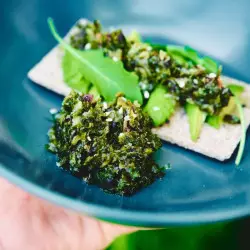
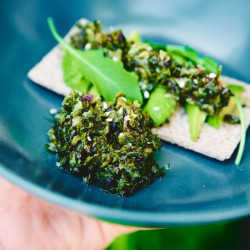
For those who want a ready-made, delicious, and convenient solution, our seaweed tartare is an excellent choice. It combines dulse with other complementary seaweeds (wakame, sea lettuce...) in a seasoned preparation that can be used as a condiment.
A tablespoon of seaweed tartare on a slice of sourdough bread, with a squeeze of lemon... It's our favorite breakfast with Aurélie on the days we're at the office. In addition to iron, you benefit from the full mineral spectrum of seaweed.
€35.50
Fresh seaweed tartare
Precautions and contraindications
We want to be transparent about the precautions:
Absolute contraindications:
- Untreated hyperthyroidism or Graves' disease (due to iodine intake)
- Known allergy to algae or seafood
- Anticoagulant treatment with VKAs (consult your doctor for potential interactions with vitamin K)
Special precautions:
- Pregnancy and breastfeeding: dulse is compatible, but start with small doses and inform your midwife or doctor
- Thyroid conditions: medical advice recommended before regular consumption
- Low-sodium diet: check the total intake because seaweed naturally contains salt.
A varied and balanced diet and a healthy lifestyle are important. Seaweeds like dulse are part of a holistic approach to nutrition and do not replace a medical diagnosis in the case of persistent symptoms.
Why our Breton dulse makes the difference
Flawless traceability
Since our beginnings, we have worked exclusively with Breton harvesters who share our values. Our dulse comes from the coasts of Finistère, in areas classified as A for water quality. Each batch is analyzed by CEVA (Centre for the Study and Promotion of Algae), a reference laboratory that checks:
- The heavy metal content (well below regulatory thresholds)
- The concentration of nutrients (including iron and vitamin C)
- The absence of microbiological contaminations
- Organoleptic quality
We display analysis results on request because transparency has been part of our DNA since 2007.
A drying process that preserves nutrients
Vitamin C is a fragile molecule, sensitive to heat. This is why our dried dulse is dehydrated at a low temperature (less than 42°C), which helps preserve:
- Naturally occurring vitamin C
- Active enzymes
- Antioxidant pigments (phycoerythrin)
- The subtle aromas of fresh seaweed
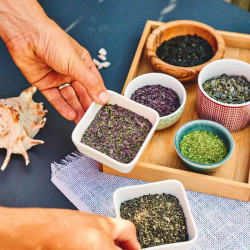
This gentle method takes more time than industrial high-temperature drying, but the final nutritional quality is incomparable. A study published in Journal of Applied Phycology demonstrated that low-temperature drying preserves up to 85% of the vitamin C in seaweed, compared to less than 20% for conventional methods (11).
FAQ - Your questions about dulse and iron
Which algae is the richest in iron ?
In absolute terms, ao-nori holds the record with 234 mg of iron per 100 grams, followed by sea lettuce (78.9 mg) and Atlantic wakame (61.5 mg). However, dulse (35-50 mg) has the unique advantage of naturally containing vitamin C, which significantly enhances intestinal absorption of iron. For real and not theoretical effectiveness, dulse remains our recommendation.
How to naturally increase your iron levels ?
To help maintain adequate iron intake naturally, several strategies can be combined. The daily integration of 3 to 5 grams of dulse provides 1 to 2.5 mg of bioavailable iron. Pairing it with foods rich in vitamin C (citrus fruits, peppers, kiwi) optimizes absorption. It is also recommended to avoid tea and coffee during main meals, as their tannins inhibit iron absorption. A course of 2 to 3 months generally allows for an improvement in overall well-being.
What is the best food to help maintain a normal iron level ?
Dulse stands out among plant sources because it combines a high iron content (35-50 mg/100g) with natural vitamin C and vitamin B12, all involved in the normal formation of red blood cells. Unlike synthetic iron supplements, which are often poorly tolerated, dulse easily integrates into the daily diet without notable digestive side effects.
Is plant-based iron well absorbed ?
Non-heme iron (plant-based) naturally has a lower absorption rate (2-20%) than heme iron (15-35%). However, this rate can be increased by 2 to 6 times with the simultaneous intake of vitamin C (8). This is precisely why dulse, which naturally contains both, offers a significant advantage over other plant-based sources of iron.
How much dulse per day ?
For daily use aimed at maintaining adequate iron reserves, 3 to 5 grams of dried dulse are recommended. This amount represents about 1 to 2.5 mg of iron, or 6 to 15% of the recommended daily intake for women. For more intensive remineralization under professional supervision, this dose can be increased to 5-10 grams for 2 to 3 months.
Is dulse compatible with pregnancy ?
Dulse can be incorporated into the diet of a pregnant woman, who has particularly high iron needs (25-30 mg/day in the third trimester). We recommend starting with small amounts (1-2 grams) and informing your midwife or doctor. The presence of iodine in dulse requires monitoring total iodine intake during pregnancy, not exceeding 200-250 µg/day from all sources combined.
Can you eat dulse every day ?
Yes, a daily consumption of dulse is entirely possible and even recommended to benefit from its regular mineral intake. At the recommended doses (3-5 g/day), iodine intake remains within normal physiological limits. The only reservations concern people with thyroid conditions, who should consult their doctor beforehand.
In conclusion: a proven solution
There you have it, now you know why dulse holds such a special place in our range at Biovie. It is not a miracle algae, and we will never claim that it cures anything. However, as part of a holistic approach to nutrition, as an intelligent supplement to a varied diet, it makes a remarkable contribution for women looking to optimize their iron intake.
What we particularly like about this seaweed is its biochemical elegance. Nature has designed a food that contains both the desired nutrient AND its absorption facilitator. No need to juggle different supplements or calculate complex timings... Dulse does the job on its own, naturally.
If you are affected by chronic fatigue, paleness, hair loss, or simply a blood test showing low ferritin, dulse is definitely worth trying. Start slowly, observe how your body reacts, and adjust according to your feelings.
And if you have any questions, do not hesitate to contact us. With Aurélie and the entire Biovie team, we have been here to support you in this process since 2007.
Bibliographic references
-
Hallberg L., Brune M., Rossander L. (1989). Iron absorption in man: ascorbic acid and dose-dependent inhibition by phytate. American Journal of Clinical Nutrition, 49(1), 140-144. https://doi.org/10.1093/ajcn/49.1.140
-
Santé Publique France (2019). Étude ESTEBAN 2014-2016 : Chapitre corpulence, nutrition et marqueurs biologiques. Bulletin Épidémiologique Hebdomadaire, 13, 1-80. https://www.santepubliquefrance.fr/etudes-et-enquetes/esteban
-
ANSES (2021). Actualisation des références nutritionnelles pour le fer. Avis de l'Agence nationale de sécurité sanitaire de l'alimentation, de l'environnement et du travail. https://www.anses.fr/fr/content/les-r%C3%A9f%C3%A9rences-nutritionnelles-en-vitamines-et-min%C3%A9raux
-
Murray-Kolb L.E., Beard J.L. (2007). Iron treatment normalizes cognitive functioning in young women. American Journal of Clinical Nutrition, 85(3), 778-787. https://doi.org/10.1093/ajcn/85.3.778
-
Hallberg L., Rossander-Hulten L. (1991). Iron requirements in menstruating women. American Journal of Clinical Nutrition, 54(6), 1047-1058. https://doi.org/10.1093/ajcn/54.6.1047
-
Fisher A.L., Nemeth E. (2017). Iron homeostasis during pregnancy. American Journal of Clinical Nutrition, 106(Suppl 6), 1567S-1574S. https://doi.org/10.3945/ajcn.117.155812
-
Hurrell R., Egli I. (2010). Iron bioavailability and dietary reference values. American Journal of Clinical Nutrition, 91(5), 1461S-1467S. https://doi.org/10.3945/ajcn.2010.28674F
-
Lynch S.R., Cook J.D. (1980). Interaction of vitamin C and iron. Annals of the New York Academy of Sciences, 355(1), 32-44. https://doi.org/10.1111/j.1749-6632.1980.tb21325.x
-
Tolkien Z., Stecher L., Mander A.P., et al. (2015). Ferrous sulfate supplementation causes significant gastrointestinal side-effects in adults: a systematic review and meta-analysis. PLOS ONE, 10(2), e0117383. https://doi.org/10.1371/journal.pone.0117383
-
Disler P.B., Lynch S.R., Charlton R.W., et al. (1975). The effect of tea on iron absorption. Gut, 16(3), 193-200. https://doi.org/10.1136/gut.16.3.193
-
Gupta S., Abu-Ghannam N. (2011). Bioactive potential and possible health effects of edible brown seaweeds. Trends in Food Science & Technology, 22(6), 315-326. https://doi.org/10.1016/j.tifs.2011.03.011
-
MacArtain P., Gill C.I.R., Brooks M., et al. (2007). Nutritional value of edible seaweeds. Nutrition Reviews, 65(12), 535-543. https://doi.org/10.1111/j.1753-4887.2007.tb00278.x
-
CEVA (2020). Composition nutritionnelle des algues alimentaires bretonnes. Rapport technique du Centre d'Étude et de Valorisation des Algues, Pleubian, France.
-
Mouritsen O.G., Rhatigan P., Pérez-Lloréns J.L. (2018). World cuisine of seaweeds: Science meets gastronomy. International Journal of Gastronomy and Food Science, 14, 55-65. https://doi.org/10.1016/j.ijgfs.2018.09.002
-
Wells M.L., Potin P., Craigie J.S., et al. (2017). Algae as nutritional and functional food sources: revisiting our understanding. Journal of Applied Phycology, 29(2), 949-982. https://doi.org/10.1007/s10811-016-0974-5
A varied and balanced diet and a healthy lifestyle are important.