Fast delivery
.png)
 Fair prices


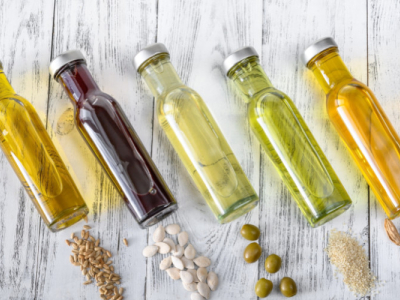

Omega-3 fatty acids are part of the essential nutrients that our body cannot produce. They must be provided through diet. According to theANSES, 90% of French people do not meet the recommended intake of EPA and DHA — the most active forms of omega-3. The result: inflammatory imbalance, fatigue, and impact on cardiovascular and cognitive health.
Good news: it is possible to meet one's needs only with living plant foods, provided they are chosen well. In this guide, you will discover the 6 best sources of plant-based omega-3s — cold-pressed, unheated — to preserve all their benefits.
Omega 3, 6, 9: Understanding the Differences to Make Better Choices
Omega-3 (ALA, EPA, DHA): the essential precursor
There are three main forms of omega-3:
- ALA (alpha-linolenic acid) : of plant origin, found in flaxseed oil, chia seeds, hemp oil. It is the precursor of other omega-3s, but the conversion rate to EPA and DHA remains very low (less than 5% in adults).
- EPA (eicosapentaenoic acid) : active form, anti-inflammatory, present in seaweed and fatty fish.
- DHA (docosahexaenoic acid) : essential for the brain and retina. Found in seaweed and fatty fish.
TheANSES recommends For an adult: 2 g/day of ALA, 250 mg/day of EPA, and 250 mg/day of DHA. These intakes meet the basic needs for maintaining normal cardiovascular and brain health.
Omega 6 (linoleic acid): essential but needs to be balanced
Omega-6 is also an essential fatty acid, present in large quantities in sunflower, corn, and soybean oils. The problem? In the modern Western diet, the omega-6/omega-3 ratio reaches 15:1, whereas the ideal is between 2:1 and 4:1. This imbalance contributes to a chronic pro-inflammatory state. Favoring sources of omega-3 helps to rebalance this ratio.
Omega 9 (oleic acid): the monounsaturated fat in olive oil
Omega 9 is a non-essential monounsaturated fatty acid — the body can synthesize it. Mainly found in olive oil and avocado, it contributes to a good lipid profile. It ideally complements a sufficient intake of omega 3 and 6 to cover the different families of essential healthy fats.
Top 6 living foods rich in omega-3
At Biovie, we prioritize plant-based omega-3 sources, cold-pressed and not heated (below 42°C), which preserve the integrity of the fragile polyunsaturated fatty acids. Here is our selection, with ALA content according to the Ciqual table of ANSES.
1. Organic flaxseed oil: the plant champion of omega-3s
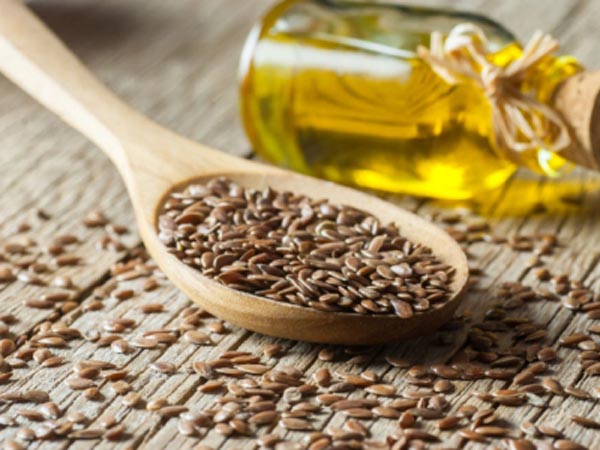
Linseed oil is by far the richest plant source of omega-3, with approximately 53 g of ALA per 100 g of oil. A single tablespoon (10 ml) provides about 5.3 g of ALA — more than twice the daily recommended intake by ANSES.
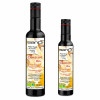
Our organic linseed oil is selected from theYssé artisanal oil mill in Brittany, which cold-presses organic flax seeds without any heat treatment. It is this quality of pressing that ensures the preservation of omega-3s.
How to consume it: 1 tablespoon per day, only used cold (in salad dressing, drizzled over vegetables, added to a smoothie). Never heat flaxseed oil — heat destroys omega-3s and generates oxidized compounds. Store in the refrigerator after opening and consume within 4 weeks.
→ Discover our detailed article on the Benefits of flaxseed oil.
2. Organic hemp oil: the ideal omega 3/6 ratio
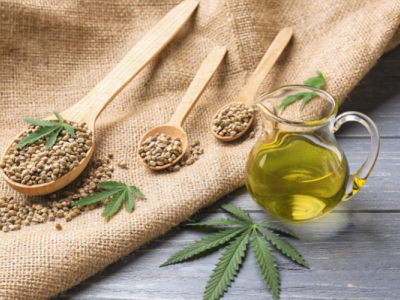
Organic hemp oil contains approximately 18 g of ALA per 100 g, with a remarkable feature: its omega 3/omega 6 ratio is 1:3, one of the closest to the ideal nutritional balance. It is the only plant-based food naturally balanced in these proportions. It also provides gamma-linolenic acid (GLA), a rare anti-inflammatory omega 6.
Our organic hemp oil is derived from seeds of Cannabis sativa Cultivated without pesticides, cold-pressed by Yssé oil mill. Its slightly nutty taste easily blends into dressings, spreads, or smoothies.
The hulled hemp seeds they are also an excellent source of omega-3 and complete proteins (~9 g ALA/100 g + 30 g of proteins).
3. Organic camelina oil: the great forgotten source of omega-3s
Camelina)Camelina sativa) is an ancient French plant whose oil contains about 33 g of ALA per 100 g. More stable to oxidation than linseed oil (thanks to its tocopherol content), it keeps a little longer while remaining very rich in omega-3.
Our organic camelina oil is an interesting alternative to linseed oil for those who wish to diversify their oils and avoid monotony. To understand why varying your oils is essential, consult our article on the diversification of vegetable oils.
4. Chia seeds: the complete plant-based source
Chia seedsSalvia hispanica) contain approximately 17 g of ALA per 100 g. Rich in soluble fibers, calcium (631 mg/100 g), and antioxidants, they form a gel upon contact with water, which facilitates their assimilation. To optimize the bioavailability of their omega-3s, prefer them ground or soaked for at least 15 minutes in a liquid.
Discover 8 ideas for consuming chia seeds on a daily basis.
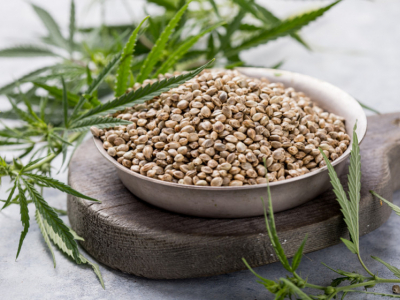
5. Shelled hemp seeds: the complete protein rich in omega 3
Hulled hemp seeds contain about 9 g of ALA per 100 g with a complete protein content of 30 to 35% (including all 9 essential amino acids). They can be easily sprinkled on smoothies, salads, or oatmeal. A 30 g handful provides 2.7 g of ALA and 10 g of protein — ideal for a breakfast rich in omega-3.
6. Walnuts: the king of ALA nuts
The nutJuglans regia) is the nut richest in omega-3: about 9 g of ALA per 100 g. A small handful of 5 to 7 walnuts (30 g) covers the recommended daily intake of ALA (2 g). In addition to omega-3, walnuts contain neuroprotective polyphenols and vitamin E.
How to consume foods rich in omega-3 daily
Here are some practical ideas to effortlessly meet your daily omega-3 intake:
- Breakfast rich in omega 3: Oat flakes + 1 tablespoon of chia seeds + 5 walnuts + a drizzle of flaxseed oil. Provides: ~6 g of ALA in a single meal.
- Daily Vinaigrette: 1 tablespoon of linseed oil + 1 tablespoon of olive oil + cider vinegar. Pour over salads, raw vegetables, or warm soups (never hot).
- Protein smoothie: Plant-based milk + banana + hulled hemp seeds (2 tablespoons) + chia seeds (1 tablespoon). Rich in omega-3 and complete proteins.
- Healthy snack: 1 small handful of nuts in the middle of the day. Simple, effective, no preparation.
Golden rule: Oils rich in ALA (flaxseed, hemp, camelina) should never be heated. Heat destroys polyunsaturated fatty acids and generates potentially harmful compounds. They should be used exclusively cold or added after cooking.
To go further, our article on living food Explain how to incorporate these foods into a comprehensive nutritional approach. If you have doubts about fats, also consult our article. the myth of fats that make you gain weight.
Omega 3: dangers, contraindications, and precautions to know
Omega-3s are beneficial nutrients, but like any nutrient, excessive use—especially in the form of dietary supplements—can pose risks.
Risks in case of overdose (supplements only):
- Intakes of EPA+DHA exceeding 3 g/day may prolong bleeding time due to a mild anticoagulant effect, according to theANSES.
- Possible interactions with anticoagulant medications (warfarin, high-dose aspirin).
- In case of medication treatment, consult your doctor before any supplementation.
Practical precautions for oils:
- Store linseed, hemp, and camelina oils in the refrigerator after opening and consume them within 4 to 6 weeks.
- Buy unfiltered cold-pressed oils in tinted glass bottles to protect them from light.
- Linseed oil goes rancid quickly: a pungent smell or a bitter taste indicates that it is oxidized.
Allergies: People allergic to tree nuts, soy, or chia seeds should take the usual precautions.
Regarding food sources (not supplements), dietary intake of omega-3s poses no risk for a healthy adult as part of a varied and balanced diet.
A 2025 study published in Nutrients confirms that plant-based and algal omega-3s contribute to the reduction of inflammatory markershttps://pmc.ncbi.nlm.nih.gov/articles/PMC12087734/). For cardiovascular health, a meta-analysis from 2025 confirms the positive effect of EPA and DHA on reducing triglycerides (N-3 Fatty Acids and Cardiovascular Health, PMC12628397).
Frequently Asked Questions About Foods Rich in Omega-3
What is the plant-based food richest in omega-3 ?
Organic flaxseed oil is by far the most concentrated plant source of omega-3, with about 53 g of ALA per 100 g of oil. One tablespoon (10 ml) thus provides more than twice the daily intake recommended by ANSES (2 g of ALA/day for an adult).
What is the fruit richest in omega-3 ?
Among nuts, the walnut is the champion: about 9 g of ALA per 100 g. A small handful of 5 to 7 walnuts (30 g) is enough to meet the recommended daily intake of ALA. Avocado also contains omega-3s, but in much more modest amounts.
Which vegetables contain omega-3 ?
Leafy green vegetables contain small amounts of it: spinach (~0.37 g/100 g), broccoli (~0.13 g/100 g), kale (~0.4 g/100 g), and avocado (~0.15 g/100 g). These amounts are low compared to vegetable oils or seeds, but they contribute to an overall diet rich in omega-3.
How to easily obtain 1 gram of omega-3 per day ?
Simply add to your daily diet: 1 teaspoon of flaxseed oil (about 2.6 g of ALA), or a small handful of walnuts (5-7 walnuts = ~2 g of ALA), or 1 tablespoon of chia seeds (about 2.5 g of ALA). Just one of these additions is enough to reach and exceed the recommended intake of 1 g.
Are omega-3s dangerous ?
When consumed through diet, omega-3s pose no risk to a healthy person. However, high-dose supplements (beyond 3 g/day of EPA+DHA) may have a slight anticoagulant effect and interact with certain medications. Consult your doctor if you are taking anticoagulants or have a bleeding disorder.
Is it possible to meet one's omega-3 needs without eating fish ?
Yes, absolutely. ALA (a plant-based precursor) is easily covered by flaxseed, hemp, camelina oils, and chia or hemp seeds. For EPA and DHA (active forms), marine algae are the only direct plant-based source — that's actually where fatty fish find them in the food chain. Algae-based supplements are available for people who do not consume fish.
Which oil to choose for omega 3: flaxseed, hemp, or camelina ?
All three are excellent sources of plant-based omega-3s. Flaxseed oil is the most concentrated in ALA but the least stable. Hemp oil offers the best omega-3/6 balance. Camelina oil is more stable against oxidation and preserves better. Ideally, they should be alternated to benefit from their complementary profiles — as recommended in our article on the diversification of vegetable oils.
Are hemp or chia seeds better than oils for omega-3s ?
Seeds contain less omega-3 per 100 g than their corresponding oils, but they also offer fiber, protein, and minerals. Oils are more concentrated for a targeted intake of fatty acids. Both are complementary: incorporate seeds into your meals and drizzle oils over your finished dishes.
In practice: the opinion of Eric Viard, tropical agronomist engineer
"For 33 years, I have been practicing a living plant-based diet, and cold-pressed flaxseed and hemp oils have been part of my daily routine. What I observe among our Biovie clients is that simply introducing a tablespoon of flaxseed or hemp oil into the daily diet — always cold — is often enough to rebalance the lipid profile and reduce inflammation markers. The key is to choose first cold-pressed, organic oils that are properly stored. That's why we have selected the artisanal oil mill Yssé in Brittany to offer you truly living oils." — Eric Viard, founder of Biovie.
Update: April 2026. Article approved by Éric Viard, founder of Biovie and engineer ISTOM, co-author of " Seaweed in everyday life "(Gallimard, 2024) —" Best cookbook in the world, Gourmand Cookbook Awards 2025, and Best cookbook in France, National Academy of Cuisine 2025.
Warning: The information presented in this article is provided for informational purposes only and does not constitute medical advice. Consult a qualified healthcare professional before making any significant changes to your diet or supplementation. As part of a varied and balanced diet and a healthy lifestyle.
Find all our organic ingredients for raw food on https://www.biovie.fr/en/