Fast delivery
.png)
 Fair prices



Summary
- Why is turmeric traditionally associated with black pepper ?
- The real benefits of the turmeric-black pepper combination
- Turmeric and black pepper: the dangers to be aware of
- How to optimize the absorption of turmeric without black pepper ?
- Dosage and practical instructions for use
- FAQ - Turmeric and Black Pepper
For years, the turmeric-black pepper combination has been touted as THE miracle solution to enjoy the benefits of turmeric. With over 1,000 monthly searches in France on this combination, the topic is as fascinating as it is intriguing. The promise? An increase in the bioavailability of curcumin by up to 2000%. Honestly, it's quite enticing.
But is this combination really essential? And above all, is it safe for everyone? These are questions we receive at Biovie, and I understand this curiosity.
In this article, I offer you a comprehensive and balanced overview: the real benefits documented by science, the little-known dangers that are rarely discussed, and above all, the safer alternatives that exist to optimize the absorption of turmeric. Because yes, black pepper is not the only option.
Why is turmeric traditionally associated with black pepper ?
The problem of turmeric bioavailability
Let's start at the beginning. Turmeric, this golden spice that we have been using for millennia, contains a star molecule: curcumin. It is the curcumin that holds most of the sought-after anti-inflammatory properties. The problem is that curcumin only makes up 3 to 5% of the turmeric rhizome.
And that's not all. Our body absorbs this curcumin very poorly. Studies show an intestinal absorption of less than 1%. Specifically, this means that out of 100 mg of ingested curcumin, less than 1 mg actually enters the bloodstream. The rest? Eliminated before it can even take effect.
This low bioavailability is explained by two mechanisms. On one hand, curcumin has difficulty crossing the intestinal barrier. On the other hand, the liver metabolizes it very quickly through a process called glucuronidation. As a result, even if you consume turmeric regularly, your body only derives a fraction of the potential benefits.
The mechanism of action of piperine
This is where black pepper comes in. More specifically, its active ingredient: piperine. This alkaloid makes up between 5 and 9% of black pepper and gives it its characteristic pungent taste.
Piperine acts on two fronts simultaneously. Firstly, it increases the permeability of the intestinal wall. Specifically, it "opens the doors" to facilitate the passage of curcumin into the bloodstream. Secondly, it inhibits the liver enzymes responsible for the rapid elimination of curcumin. By slowing down this glucuronidation, piperine allows curcumin to remain in the body for a longer period.
The result? A significantly higher blood concentration of curcumin. This mechanism is what has made the turmeric-black pepper duo famous.
The 1998 Shoba study: what does the science really say ?
It is impossible to talk about this association without mentioning the Shoba study, published in 1998 in the journal Planta Medica. This research is what popularized the famous figure of "+2000% bioavailability."
The protocol was as follows: 20 mg of piperine combined with 2 g of curcumin, administered to volunteers. The measured results indeed showed a dramatic increase in the blood concentration of curcumin.
But here's what many sites don't tell you: this study was conducted on only 20 subjects. It's a very small cohort to draw definitive conclusions. Moreover, this research has never been reproduced on a large scale since 1998. Subsequent studies show more modest results, generally between 300% and 1000% increase.
What science really says The Shoba study (1998) showed a 2000% increase in the bioavailability of curcumin with 20 mg of piperine. However, this study involved only 20 participants and has never been replicated on a large scale. Subsequent studies show more modest results (300-1000%). The current consensus: the effect is real, but its magnitude remains debated.
The real benefits of the turmeric-black pepper combination
Documented anti-inflammatory properties
Curcumin is recognized as a powerful natural anti-inflammatory. Its mechanism of action? It inhibits the COX-2 enzymes and the NF-kB pathway, two major players in inflammatory processes. This is, in fact, the same mechanism targeted by some conventional anti-inflammatory drugs.
Several clinical studies have compared the effectiveness of curcumin to that of ibuprofen in the treatment of osteoarthritis. The results are encouraging: comparable pain reductions, generally with fewer gastrointestinal side effects. By combining turmeric with black pepper, the concentration of available curcumin is increased, which can enhance these anti-inflammatory effects.
The main applications concern low-grade chronic inflammations, joint pain, and certain digestive disorders. However, let's remember that turmeric contributes to joint comfort as part of a varied and balanced diet and does not replace medical treatment.
Joint comfort and mobility
The use of turmeric for joint comfort is part of a long Ayurvedic tradition. In India, this spice has been used for centuries to support painful joints.
Recent clinical studies confirm a positive effect on reducing pain and improving mobility in people suffering from osteoarthritis. Effective dosages are generally between 500 and 2000 mg of curcumin per day, over periods of at least 8 to 12 weeks.
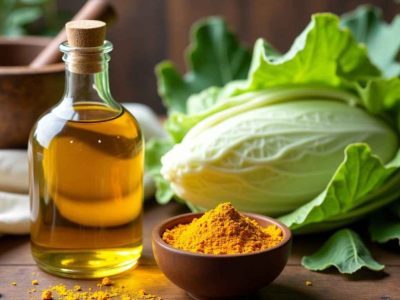
This is actually a topic that we discussed in detail in our article on the synergy between castor oil, turmeric, and cabbage to relieve joint pain. Turmeric poultices remain an interesting external option to complement an internal approach.
Digestive support and other benefits
Beyond its effects on joints, turmeric has other interesting properties. It stimulates the production of bile, which aids in the digestion of fats. This choleretic action explains its traditional use after heavy meals.
Its antioxidant properties also help protect cells against oxidative stress. Curcumin neutralizes free radicals and supports the body's natural defenses.
Summary of documented benefits:
- Anti-inflammatory : high level of evidence, dosage 500-1000 mg curcumin, duration 8-12 weeks
- Joint comfort : high level of evidence, dosage 1000-2000 mg curcumin, duration 8-12 weeks
- Antioxidant : moderate level of evidence, 500 mg curcumin dosage, continuous use
- Digestive support : moderate level of evidence, dosage 2-6 g turmeric powder, as needed
Turmeric and black pepper: the dangers to be aware of
If the combination of turmeric and black pepper offers benefits, it is not without risks. Here is what you absolutely need to know before consuming this combination. This section is important because this information is often downplayed elsewhere.
The side effects of piperine on the intestine
Do you remember the mechanism of action of piperine? It increases intestinal permeability to facilitate the passage of curcumin. The problem is that this "opening of the gates" is not selective.
By increasing the permeability of the intestinal mucosa, piperine can also facilitate the passage of undesirable substances: bacteria, toxins, food allergens. This is known as intestinal hyperpermeability, or "leaky gut."
The possible consequences? Increased food sensitivities, allergic reactions, and various digestive disorders. The most commonly reported symptoms include bloating, diarrhea, constipation, and gas.
ANSES recommends caution for people with pre-existing intestinal disorders. If you have a sensitive digestive system, the turmeric-black pepper duo may not be suitable for you.
Formal contraindications
Certain situations require completely avoiding the combination of turmeric and black pepper, or consulting a doctor beforehand.
Digestive pathologies:
- Gastroesophageal reflux disease (GERD)
- Gastric or duodenal ulcers
- Inflammatory bowel diseases (Crohn's disease, ulcerative colitis)
- Hemorrhoids
- Irritable Bowel Syndrome (IBS)
Hepatobiliary pathologies:
- Gallstones
- Bile duct obstruction
- Liver diseases
On this subject, ANSES issued alerts in 2022 following cases of hepatitis linked to turmeric-based dietary supplements: 15 documented cases in France and 20 in Italy. These cases mainly involved high doses of curcumin in the form of concentrated supplements.
Other contraindications:
- Pregnancy and breastfeeding
- Scheduled surgery (stop 2 weeks before, anticoagulant effect)
- Coagulation disorders
Dangerous drug interactions
This is probably the most critical point. Piperine inhibits certain liver enzymes, notably CYP3A4, CYP2C9, and the glucuronidation process. These enzymes are involved in the metabolism of many medications.
Result: if you take medications metabolized by these pathways, piperine can increase their concentration in the blood. It's as if you are taking a higher dose than prescribed, with the associated risks of overdose.
Medications affected by these interactions:
- Anticoagulants (warfarin, aspirin, clopidogrel)
- Antidiabetics (metformin, sulfonylureas)
- Immunosuppressants (cyclosporine)
- Chemotherapies
- Antihypertensives
- Antidepressants (SSRIs)
- Antiepileptics
⚠️ IMPORTANT If you are taking medication, consult your doctor before consuming turmeric combined with black pepper. Piperine can alter the effectiveness and toxicity of many medications. This precaution is not optional.
Dosages not to be exceeded
To minimize risks while enjoying the benefits, here are the recommended limits:
- Piperine : maximum 5 mg/kg/day (safety threshold)
- Turmeric powder : maximum 10 g/day
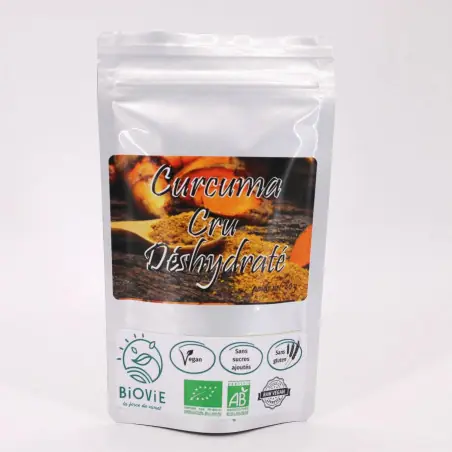
- Extracted curcumin : maximum 180 mg/day (ANSES recommendation for dietary supplements)
- Recommended ratio : 1 dose of pepper for 9 doses of turmeric (ratio 1:9)
- Duration of treatments : 8 to 12 weeks maximum, with breaks of 2 to 4 weeks
These recommendations apply to healthy individuals without contraindications. In case of doubt, medical advice remains essential.
How to optimize the absorption of turmeric without black pepper ?
Good news: black pepper is NOT the only solution to improve the absorption of turmeric. Here are four safe and effective alternatives that we recommend at Biovie.
Alternative #1 - Association with vegetable fats
This is our preferred method, and by far the simplest to implement. Curcumin is a liposoluble molecule: it dissolves in fats. By combining it with fats (vegetable, of course), we facilitate its absorption via intestinal chylomicrons.
Efficacy? An increase in bioavailability by a factor of 7 to 8. Less spectacular than the 2000% claimed for piperine, but without any of the potential side effects.
Recommended fats:
- Coconut oil (medium-chain triglycerides facilitate rapid absorption)
- Ghee (clarified butter, traditionally used in Ayurvedic medicine)
- Extra virgin olive oil
- Organic hemp oil, rich in omega-3 with an ideal omega-6/omega-3 ratio
- Organic linseed oil, excellent source of omega-3
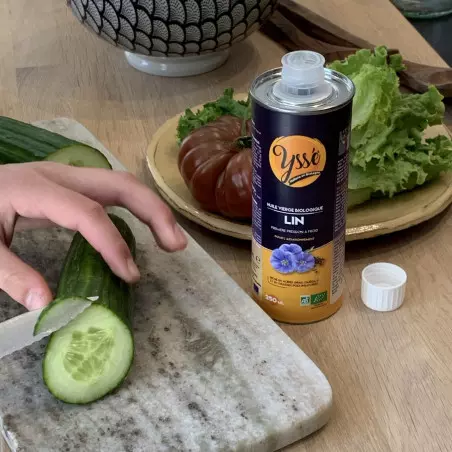
- Organic camelina oil, more stable for storage
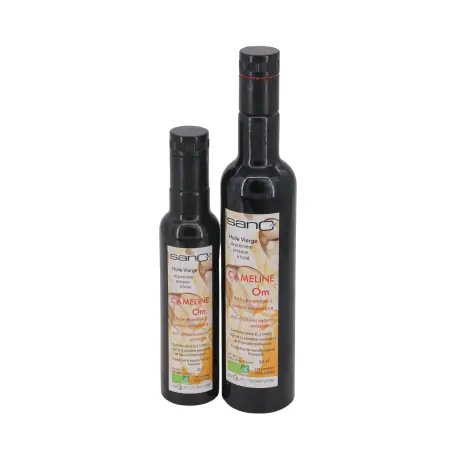
The advantage of this method? It is 100% natural, risk-free, economical, and can be practiced daily without any time limitations.
Practical user manual:
- Heat your fat very slightly (warm, not hot)
- Add a teaspoon of turmeric powder
- Mix for 2-3 minutes (this releases the curcumin)
- Incorporate into your dish or drink
Golden Milk Recipe
- 1 cup of plant-based milk (almond, coconut)
- 1 teaspoon of turmeric powder
- 1 teaspoon of coconut oil or ghee
- 1 pinch of cinnamon
- Honey or maple syrup (optional)
Heat gently without exceeding 45°C, mix well, and enjoy warm. It's delicious and so comforting on winter evenings.
To discover other ways to consume turmeric, check out our article. How to consume turmeric? 5 uses.
Alternative #2 - The turmeric-ginger-black pepper trio (mild version)
If you still wish to use black pepper, there is a gentler approach: the turmeric-ginger-black pepper trio. The principle? Dilute the piperine by adding ginger, and benefit from the synergistic anti-inflammatory effects of the two rhizomes.
The recommended dosage: 1 part pepper to 5 parts turmeric and 5 parts ginger. This distribution significantly reduces the amount of piperine per intake while maintaining an effect on bioavailability.
Ginger brings its own benefits: digestive support, complementary anti-inflammatory properties, and a taste that pairs perfectly with turmeric. If you enjoy spicy drinks, our ginger lemon water recipe can serve as a base to which turmeric can be added.
Alternative #3 - Modern Bioavailability Technologies
Science has developed optimized forms of curcumin in the form of dietary supplements this time (which we recommend less) that do not require piperine. These technologies encapsulate curcumin to facilitate its absorption:
Liposomal curcumin : Curcumin is encapsulated in phospholipids. Bioavailability increased by a factor of 10 to 20 compared to standard curcumin.
Micellar curcumin : Water-soluble nanoparticles allow for rapid absorption. Particularly interesting because curcumin becomes soluble in water.
Phytosomal complexes (type Meriva®) : binding with lecithin. Studies show a 29-fold increase in bioavailability.
Advantages of these technologies:
- No side effects related to piperine
- Bioavailability often superior to the classic duo
- Precise and reproducible dosages
- No drug interactions related to pepper
Disadvantages:
- Higher cost
- Availability varies depending on the brands
- Perception sometimes of "less natural" products
Alternative #4 - Fresh turmeric
Last but not least: use fresh turmeric rhizome instead of powder. Fresh turmeric retains its natural matrix intact: fibers, essential oils, and cofactors that can slightly improve the absorption of curcumin.
The use is simple: grate 1 to 3 cm of fresh rhizome into your juices, smoothies, or Asian dishes. The taste is more subtle and less earthy than the powder. However, be careful: fresh turmeric stains fingers and cutting boards significantly.
If you do not have regular access to fresh turmeric, our organic turmeric powder remains an excellent alternative, provided it is combined with fats.
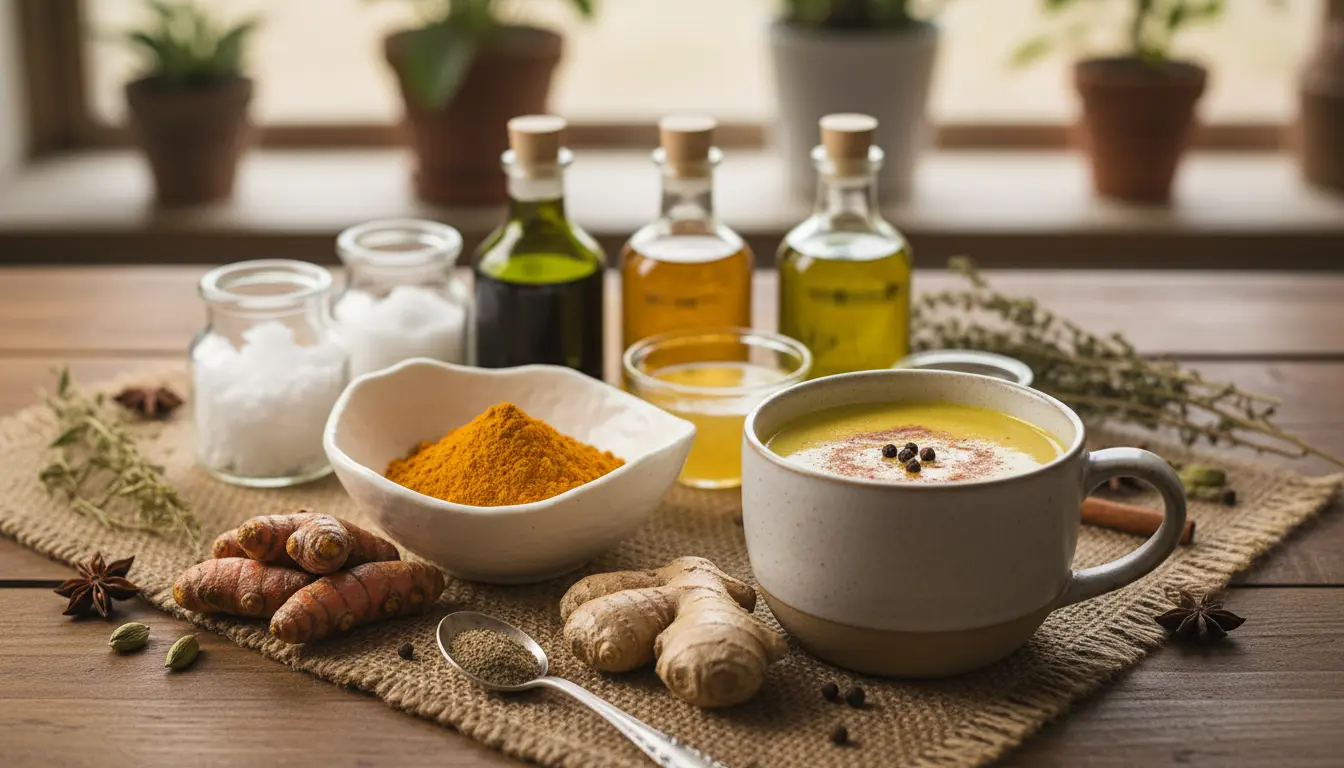
Comparative table of alternatives:
Method Bioavailability Safety Cost Ease
Black pepper ★★★★☆ ★★☆☆☆ ★★★★★ ★★★★★
Fats ★★★☆☆ ★★★★★ ★★★★★ ★★★★★
Ginger trio ★★★☆☆ ★★★★☆ ★★★★★ ★★★★☆
Liposomal ★★★★★ ★★★★★ ★★☆☆☆ ★★★★☆
Fresh turmeric ★★☆☆☆ ★★★★★ ★★★☆☆ ★★★☆☆
Dosage and practical instructions for use
How much turmeric per day ?
The recommendations vary depending on the form used:
Turmeric powder : 2 to 6 g per day, or about 1 to 2 teaspoons. It is the most accessible and versatile form in cooking.
Curcumin extract (dietary supplements) : 500 to 2000 mg per day depending on the objectives. ANSES recommends not exceeding 180 mg per day for dietary supplements in prolonged use.
With black pepper : maintain the ratio of 1:9, which means 1 small pinch of pepper for 1 teaspoon of turmeric.
Golden rule : start with low doses and gradually increase. This allows your digestive system to adjust and identify any potential intolerances.
Fresh turmeric, powdered, or in capsules: which one to choose ?
Fresh turmeric:
- ✅ Natural, preserved cofactors, authentic taste
- ❌ Variable availability, limited shelf life, imprecise dosage
- → Ideal use: juice, smoothies, Asian cuisine
Turmeric powder:
- ✅ Economical, versatile, long shelf life
- ❌ Low bioavailability on its own (requires fats)
- → Ideal use: daily cooking, drinks, recipes with fats
Capsules and supplements:
- ✅ Precise dosage, often optimized bioavailability, convenient
- ❌ Higher cost, possible additives, less natural
- → Ideal use: targeted treatments, specific therapeutic needs
- ⚠️ Always check the composition: with or without piperine ?
When and how to take turmeric ?
Optimal timing : during meals. The presence of lipids in the diet improves the absorption of curcumin. Avoid taking it on an empty stomach, especially if you have a sensitive stomach.
Frequency : 2 to 3 doses per day. Curcumin is quickly eliminated from the body, so dividing the doses helps maintain a more stable concentration.
Duration of treatments : 8 to 12 weeks to observe significant effects on joint comfort. Then take a break of 2 to 4 weeks before resuming if necessary.
Recommended associations : fats (systematically), ginger (anti-inflammatory synergy), moderate black pepper (if no contraindication).
FAQ - Turmeric and Black Pepper
Is black pepper essential with turmeric ?
No, black pepper is not essential. Although it enhances the absorption of curcumin thanks to piperine, other methods exist: combining with fats (coconut oil, ghee, hemp oil), liposomal curcumin, or fresh turmeric. These alternatives are often safer, especially for sensitive individuals or those undergoing medication treatment.
What are the real benefits of turmeric with black pepper ?
The combination of turmeric and black pepper is traditionally used for its anti-inflammatory properties and its effect on joint comfort. The piperine in black pepper increases the bioavailability of curcumin, allowing for better absorption. However, this synergy also presents risks for some individuals. The benefits include joint support, antioxidant properties, and digestive support.
What are the contraindications of turmeric black pepper ?
Main contraindications:
- Digestive disorders (GERD, ulcers, irritable bowel syndrome)
- Hepatobiliary pathologies (stones, obstruction)
- Pregnancy and breastfeeding
- Taking anticoagulant medications
- Surgery scheduled within 2 weeks
Consult a healthcare professional before taking any supplements if you are affected by any of these situations.
Can one take turmeric and black pepper every day ?
Yes, but with precautions. Respect the 1:9 ratio (1 dose of pepper, 9 doses of turmeric), do not exceed 10 g of turmeric per day, and favor limited courses (8-12 weeks) with breaks. If you are taking medication or have digestive disorders, consult a doctor. For daily use without risk, alternatives without pepper (fats, modern technologies) are preferable.
What are the dangers of turmeric with piperine ?
Main dangers:
- Intestinal hyperpermeability (passage of toxins and bacteria)
- Drug interactions (modification of drug concentration)
- Digestive issues (bloating, diarrhea)
- Hepatic risk at high doses (ANSES alerts 2022: 15 cases of hepatitis in France)
Piperine is not recommended for people undergoing treatment or with pre-existing intestinal disorders.
How to better absorb turmeric without black pepper ?
Four effective alternatives:
- Fats : coconut oil, hemp oil - the simplest and safest method
- Turmeric-ginger-pepper trio : diluted version with less piperine
- Liposomal or micellar curcumin : highly effective modern technologies
- Fresh turmeric : whole rhizome with natural cofactors
The association with lipids remains the most accessible method for daily use.
What is the correct turmeric to black pepper ratio ?
The recommended ratio is 1:9, which is 1 dose of black pepper for 9 doses of turmeric. Practical example: 1 g of pepper for 9 g of turmeric, or 1 small pinch of pepper for 1 teaspoon of turmeric. This ratio optimizes absorption while limiting the side effects of piperine on the intestinal mucosa.
Is turmeric alone effective ?
Turmeric alone has low bioavailability (less than 1% intestinal absorption). To be fully effective, it must be combined with fats, black pepper (with the mentioned precautions), or consumed in an optimized form (liposomal, micellar). Fresh turmeric contains natural cofactors that slightly improve its absorption compared to the powder.
Turmeric and black pepper for weight loss: does it work ?
No, No scientific study proves that the combination of turmeric and black pepper leads to weight loss. Turmeric has anti-inflammatory properties that can support a healthy metabolism, but it does not replace a balanced diet and regular physical activity. Be wary of "fat-burning" claims without scientific basis.
Can you take turmeric and black pepper during pregnancy ?
No, not recommended. Turmeric at therapeutic doses and black pepper (piperine) are contraindicated during pregnancy and breastfeeding. Piperine increases intestinal permeability and may interfere with the absorption of nutrients essential for fetal development. Consult your doctor or midwife before any supplementation during this period.
In conclusion
The combination of turmeric and black pepper is effective in improving the bioavailability of curcumin, but it is not without risks. Piperine can cause digestive side effects, drug interactions, and is not suitable for everyone.
To safely enjoy the benefits of turmeric, we recommend pairing it with quality fats: coconut oil, ghee, or our vegetable oils rich in omega-3. If you still choose to use black pepper, adhere to the 1:9 ratio and monitor your digestive tolerance.
In case of doubt or medication treatment, liposomal formulations offer an effective modern alternative without the drawbacks of piperine. And don't forget: turmeric remains a spice to be included as part of a varied and balanced diet, not a miracle drug.
Would you like to learn more about the different ways to use turmeric daily? Check out our full article on how to consume turmeric with 5 practical and tasty methods.
A varied and balanced diet and a healthy lifestyle are important. The information contained in this article does not replace medical advice. Consult a healthcare professional before changing your diet or taking dietary supplements.