
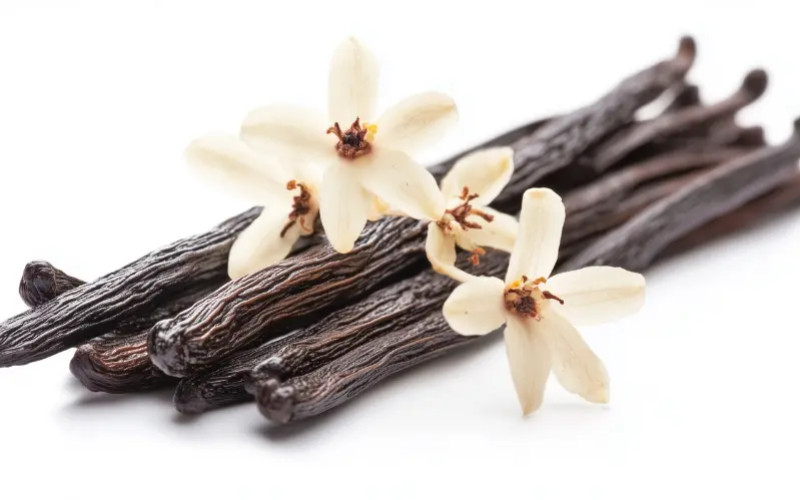

The Organic Bourbon vanilla from Madagascar is the most aromatic spice in the world. Its concentration of vanillin—the active compound responsible for its fragrance—reaches 1.5 to 2.5%, which is five times more than Indonesian vanilla, which peaks at 0.5%. At Biovie, we offer Floribis pods, cultivated in the SAVA region in the northeast of Madagascar, using traditional drying and fermentation methods passed down from generation to generation. In this article, I will explain why this organic vanilla has nothing to do with what you find in supermarkets, what are its true Benefits of vanilla for health, how to use a vanilla pod in a raw and living diet, and how to properly store it to fully enjoy its benefits.
Summary
What is Bourbon vanilla, and why does it come from Madagascar ?
Vanilla is a tropical vine. Vanilla planifolia, To be precise, it is the only species whose pod is certified "Bourbon." Its name comes from Bourbon Island, the former name of Réunion Island, where the manual pollination technique was developed in the 19th century by Edmond Albius, a 12-year-old slave who revolutionized the cultivation of this spice. This technique, as ingenious as it is delicate, is still practiced today in Madagascar, where each vanilla flower is pollinated by hand, one by one, with a small bamboo stick.
Madagascar currently produces approximately 80% of the world's Bourbon vanilla, According to FAO data (2024). More specifically, it is the SAVA region—an acronym for Sambava, Antalaha, Vohemar, and Andapa—in the northeast of the island, that concentrates the majority of this production. The climatic conditions there are ideal: tropical humidity, constant warmth, and preserved primary forests. It is this exceptional environment that gives the vanilla pod its incomparable aromatic richness.
To delve deeper into what living food is and why this type of exceptional ingredient is its cornerstone, I invite you to read our article on What is raw food?.
Bourbon vanilla or Madagascar vanilla: is it the same thing ?
Yes, it's exactly the same thing. I understand that this question comes up often — the labeling can be confusing. But " Madagascar vanilla "and "Bourbon vanilla from Madagascar" refer to one and the same product: the botanical variety Vanilla planifolia, cultivated in Madagascar. The term "Bourbon" refers to the historical origin of the variety, not to a distinct geographical designation. When you read "Madagascar vanilla" on a package, it is indeed Bourbon vanilla — provided, of course, that it is of good quality.
In summary: Bourbon vanilla = Madagascar vanilla = Vanilla planifolia. The two terms are strictly synonymous on the labels. The difference that really matters is the certified organic origin and the artisanal drying method.
How to recognize a real quality pod ?
This is a question that has fascinated me for eighteen years as I source exceptional ingredients for Biovie. A good organic Bourbon vanilla pod, it is immediately recognizable — but you need to know what to look for.
The criteria for a first-choice pod:
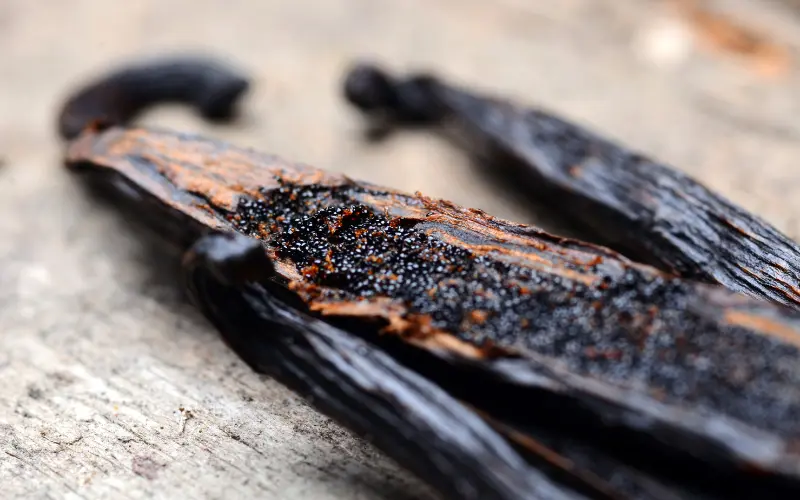
- She measures at least 14 centimeters — below, the aroma is less developed
- It is flexible and not brittle — if it cracks slightly when you bend it, it is too dry.
- Its color is shiny dark brown, sometimes with a white frost on the surface — these are natural vanillin crystals, a sign of quality that 90% of consumers are not aware of
- It emits a powerful, sweet, and creamy fragrance as soon as the packaging is opened.
- She doesn't smell like alcohol — if that's the case, it has been macerated to mask an insufficient aroma.
Conversely, a dry, rigid, odorless, or dull gray-brown pod is either of poor quality or poorly conditioned. Unfortunately, this is what is found in most supermarkets, often at a price that may seem attractive but does not account for the vast qualitative difference.
→ Discover organic Bourbon vanilla Floribis on Biovie.fr
What are the real health benefits of vanilla ?
That's where it gets really interesting. Because when we talk about Benefits of vanilla, the majority of people think of an aroma, a taste. Not of a nutritional component. And yet.
I would like to clarify an essential point before going any further. Do you know that 95% of the vanillin used in industrial food products is synthetic.It is made from petroleum or wood lignin. This synthetic vanillin replicates the taste but not the molecular complexity of true natural vanillin. What I am going to describe below applies exclusively to vanillin derived from real pods. Bio — not to artificial flavors.
An underrated natural antioxidant
Vanillin is an antioxidant polyphenol. Its antioxidant properties of vanilla are documented: its ORAC index — the standardized measure of antioxidant capacity — is about 3,200 μmol TE/g, which places it in the same category as renowned spices like cinnamon or turmeric. According to the work of Bezerra et al. (2023) published in the journal Food Chemistry, vanillin helps protect cells against oxidative stress and plays a role in inhibiting lipid oxidation (1). Tai et al. (2021), on the other hand, have documented in detail the structure-activity relationship of vanillin in the Journal of Agricultural and Food Chemistry, confirming its antioxidant properties (2).
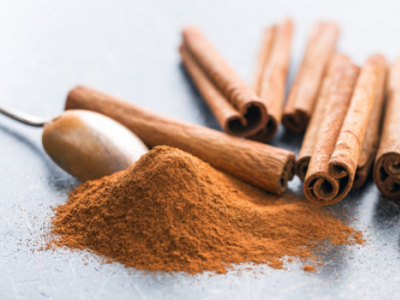
For perspective, you can consult our article on the 6 benefits of cinnamon — another leading antioxidant spice with which vanilla pairs beautifully.
Frankly, few everyday spices have been the subject of as much recent research on this topic — and the Bourbon vanilla from Madagascar remains largely underestimated from this point of view.
Vanilla, a natural ally against stress and anxiety
This may be the most surprising benefit. Vanillin is said to have a mild adaptogenic effect on the nervous system. Studies on aromatherapy have shown that the aroma of vanilla can help reduce cortisol levels — the stress hormone. The relationship between vanilla, well-being, stress and anxiety is also explored in a meta-analysis by McKay and Blumberg (2006) in Nutrition Reviews, which documents the effects of dietary polyphenols, including vanillin, on the response to epigenetic stress (3).
Concretely, this is also what we experience daily at home. Aurélie is joining a Floribis vanilla pod Every morning in her almond milk, with a bit of cinnamon. This simple gesture — a few seconds of preparation — transforms breakfast into a truly soothing ritual. One never gets tired of it.
Digestion, blood sugar, and anti-inflammatory effect: what studies say
The available scientific data suggests that the Bourbon vanilla from Madagascar can contribute to digestive motility — that is, the proper functioning of intestinal transit. Preclinical studies also suggest an interesting glycemic modulation effect, although these results still need to be confirmed in humans. According to researchers, vanillin may act by inhibiting the NF-κB pathway, a mechanism involved in the body's inflammatory response (1).
I state it clearly: this is not about claiming that the organic vanilla powder "cures" anything. It is not a medication. However, as part of a living and varied diet, it can contribute to a better overall balance. In 2022, the EFSA published a comprehensive safety assessment of vanillin — without highlighting any adverse effects at normal dietary doses (4).
What are the benefits of vanilla for the skin and hair ?
Antioxidants in vanilla — particularly vanillin — can help protect cells against premature aging related to oxidative stress. In DIY cosmetic use, the Benefits of vanilla for the skin and hair They notably involve the oil macerate: let a split pod infuse in coconut or jojoba oil for 4 to 6 weeks, away from light. This macerate nourishes the skin, provides a soft and natural fragrance, and integrates perfectly into homemade lip balms or hair masks. Vanilla adds a remarkable creaminess to preparations based on vegetable oils.
Here is a field where the real organic vanilla makes, once again, a real difference compared to artificial fragrance — which, in contrast, provides no active benefits for the skin or hair.
How to use organic Bourbon vanilla in raw and living cuisine ?
This might be the section I prefer to write. Because the Organic Bourbon vanilla from Madagascar In a raw food diet, it is much more than a cake spice. It is an aromatic superfood that pairs well with both sweet and savory dishes, with cold drinks as well as hot creams, with raw cocoa as well as ginger.
Those who are new to raw food cuisine will find in our Complete guide on raw pastry dozens of ways to use vanilla naturally.
Whole pod, powder, or extract: which form to choose ?
The three forms have their advantages depending on the use. Here's how to choose:
- The whole organic Bourbon vanilla pod : it is the most aromatic and versatile form. The pod is split in half lengthwise, and the seeds are scraped out with the flat side of a knife. These seeds — the "caviar" of vanilla — provide a concentrated and intense aroma. The empty pod can be reused to flavor coconut sugar, homemade plant-based milk, or any other use.
- Organic vanilla powder: it is the whole pod ground into powder, with no additives. Convenient for smoothies, raw creams, and quickly prepared desserts. It provides uniform flavoring and distributes evenly in the preparations.
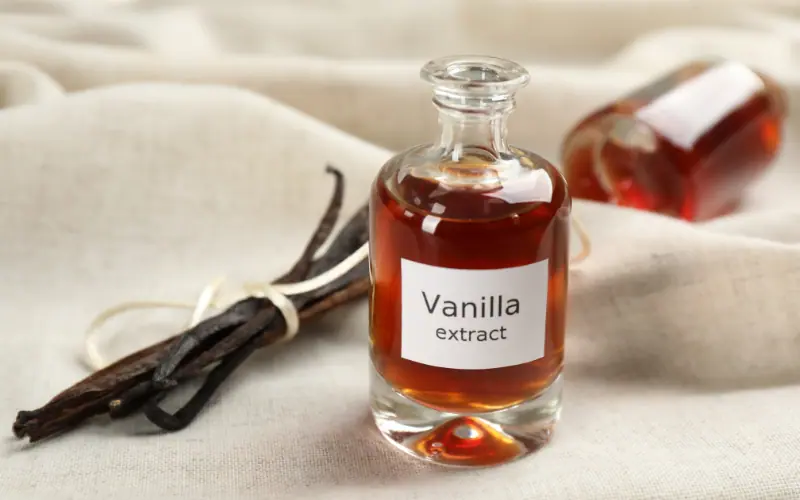
- Natural vanilla extract: obtained by macerating pods in alcohol. Intense and convenient, but it contains alcohol — which is not suitable for everyone, especially in baby preparations.
For a raw and living diet, I primarily recommend the vanilla pod recipe in full or the organic vanilla powder. These are the two forms that best preserve the molecular complexity of natural vanillin and all of its active compounds.
3 raw recipes with Floribis Bourbon vanilla
Here are three concrete ideas to integrate the Floribis vanilla in a daily living diet.
1. Raw vanilla-cocoa protein smoothie bowl
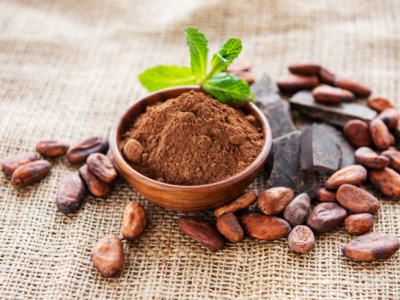
Mix together: 2 frozen bananas, 2 tablespoons of Biovie raw cocoa, 1/4 to 1/2 pod of Floribis vanilla grated, 1 handful of activated almonds, a bit of homemade plant-based milk. Pour into a large bowl and top with fresh seasonal fruits, coconut flakes, and a drizzle of maple syrup. To learn all about its key ingredient, check out our article on the benefits of raw cacao.
To discover how vanilla and raw cacao enhance each other, watch our exchange with Yasmine from the RRRaw Cacao Factory: watch the video
2. Vanilla cashew cream
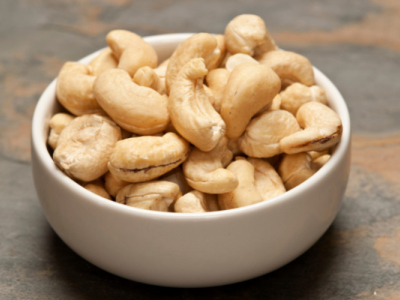
Soak 150 g of raw cashews for 4 hours, then rinse them thoroughly. Blend with 1/2 clove of Floribis vanilla grated, 3 pitted dates, the juice of half a lemon, and 100 ml of filtered water. Obtain a creamy, naturally sweet mixture, the ideal base for all your raw desserts. Check out our article on the benefits of raw cashew nuts to understand why they are an ally of choice.
3. Cold brew vanilla-ginger
In a glass bottle, place 1 Floribis vanilla pod split in two, 3 thin slices of fresh ginger, and the juice of half a lemon. Fill with 700 ml of filtered water. Let it infuse in the refrigerator for at least 12 hours. This soft, fragrant, and slightly tonic drink blends wonderfully into a balanced raw breakfast.
Aurélie prepared a vanilla flan with Irène Grosjean — a lively recipe ideal for toddlers: watch the recipe in video
How to store vanilla pods to preserve their aromas ?
This is a practical question that comes up very often. And yet, we still see a lot of vanilla pods stored carelessly — which is really a shame for such a valuable ingredient.
The rules to follow for the Vanilla pod preservation:
- Wrap each clove individually in plastic wrap.
- Place them in an airtight glass tube or an opaque jar.
- Store away from light and moisture, at room temperature (between 15 and 20°C)
- Under these conditions, a organic Bourbon vanilla pod of quality is preserved 18 to 24 months
What you should absolutely not do:
- The refrigerator: the cold and humidity promote the growth of mold.
- The open plastic bag: it dries out the pods and allows the precious aromas to evaporate.
- Next to other strong spices: vanilla easily absorbs surrounding odors.
Bonus tip: If your pod has slightly dried out, place it overnight in a closed jar with a small piece of damp food paper. It will regain its suppleness and aroma. It's an old professional trick that really works.
Floribis Biovie vanilla: why this origin and this brand ?
As the founder of Biovie since 2007, I have sourced dozens of exceptional spices from many countries. The Vanilla Floribis Madagascar is one of the few for which I can truly trace each pod back to the producer and the production plot. This is an absolute requirement in our approach — and it is far from being the norm in the spice industry.
Here is concretely what distinguishes the organic Bourbon vanilla Floribis:
- Ecocert organic certification: this certification guarantees the absence of 193 synthetic chemical substances authorized in conventional agriculture. On the organic vanilla, it is particularly important because conventional pods may contain fungicide residues (including chlorpyrifos) that persist even after drying. To better understand what this type of label represents, I invite you to read our article on the reliable organic labels.
- A committed family producerFloribis works with small Malagasy farmers using artisanal methods of drying and fermentation. This transformation process — which can last several weeks — is what develops and sets the complex aromas in the pod. It is impossible to reproduce industrially.
- A higher than average vanillin content: between 1.5 and 2.5%, while Indonesian vanilla peaks at 0.5%. This difference is not trivial — it is what explains why the Bourbon vanilla from Madagascar is by far the most aromatic in the world. And why the global market for natural vanilla flavors represents more than 500 million dollars in 2024 (Source: Grand View Research).
- Careful packaging: the pods arrive fresh, supple, in their protective tube. No mummified pods in a plastic bag like we see too often.
"Enthusiasts who offer us the best products at the best price. I always make great discoveries on their site. The quality is impeccable."
— Séverine, Biovie customer (Trustpilot ★★★★★)
I completely understand that one might hesitate when faced with the price of a real organic Bourbon vanilla pod. To give you a concrete point of comparison: a quality pod corresponds to 6 to 10 uses in cooking. The price per kilo of the Bourbon gourmet vanilla oscillates between 200 and 600 € depending on the harvest and the grade. When you break down this cost per portion, it is frankly minimal compared to a bottle of artificial flavoring, which will not provide you with any of the benefits described in this article. And if you're wondering how to reconcile quality and budget, our article on Eating on a small budget will give you many concrete leads.
FAQ — Your questions about organic Bourbon vanilla from Madagascar
What are the health benefits of Madagascar Bourbon vanilla ?
The Bourbon vanilla from Madagascar is rich in vanillin, a natural antioxidant polyphenol that helps protect cells against oxidative stress. It also has documented anti-inflammatory properties, a calming effect on the nervous system, and can help facilitate digestion. These benefits apply to regular consumption of real organic pods, not artificial flavors.
What is the difference between Bourbon vanilla and Madagascar vanilla ?
There is no difference: the " Bourbon vanilla from Madagascar " is one and the same product. The term "Bourbon" refers to the botanical variety (Vanilla planifoliaOriginally cultivated on the island of Bourbon (now Réunion), Madagascar has become the world's leading producer with 80% of global production. When a label indicates "Madagascar vanilla," it is indeed Bourbon vanilla.
How to recognize a quality Bourbon vanilla bean ?
A vanilla pod Of superior quality, it measures at least 14 cm, is flexible and not brittle, and has a shiny dark brown-black color with sometimes a white frost of natural vanillin crystals on the surface. It emits a powerful, sweet, and creamy aroma as soon as the packaging is opened. Conversely, a dry, rigid, odorless pod or one that smells of alcohol is of poor quality or poorly packaged.
Can we use Bourbon vanilla every day ?
Yes, the organic Bourbon vanilla is perfectly safe to consume daily in usual culinary doses (1/4 to 1/2 pod per preparation). There are no recognized contraindications to regular consumption. It can be incorporated into smoothies, plant-based milks, raw desserts, infusions, or vinaigrettes. Rare allergic reactions to vanilla are exceptional and mainly concern workers who are professionally exposed to large quantities of fresh pods.
How to store Bourbon vanilla pods to preserve their aromas ?
Wrap each pod in cling film, then place them in an airtight glass tube or an opaque jar, away from light and humidity, at room temperature (15-20°C). Absolutely avoid the refrigerator (promotes mold) and an open plastic bag (dries out and causes the aromas to dissipate). Under these conditions, a quality vanilla pod It keeps for 18 to 24 months. If it dries out slightly, a night in a jar with a piece of damp paper will rehydrate it.
Does organic certification really make a difference for vanilla ?
Yes, significantly. In conventional agriculture, the crops of organic vanilla can receive fungicides and pesticides, with residues that persist on the dried pods. The Ecocert organic certification guarantees the absence of these chemical substances, as well as agriculture that respects the soil, local biodiversity, and the working conditions of Malagasy farmers. The organic vanilla Floribis what we offer at Biovie is certified and traced back to the production plot.
References
- Bezerra M.A. et al. (2023) — Vanillin: an overview of its antioxidant properties and effects on lipid oxidation in food. Food Chemistry
- Tai A. et al. (2021) — Structure-activity relationship of vanillin and related compounds for antioxidant activity. Journal of Agricultural and Food Chemistry
- McKay D.L. & Blumberg J.B. (2006) — Roles of epigenetics and dietary polyphenols including vanillin in stress response. Nutrition Reviews
- EFSA Panel on Food Additives (2022) — Safety assessment of vanillin. efsa.europa.eu
- FAO (2024) — Global vanilla production data and Madagascar statistics. fao.org
Update: April 2026. Article approved by Éric Viard, founder of Biovie and engineer ISTOM, co-author of " Seaweed in everyday life "(Gallimard, 2024) —" Best cookbook in the world, Gourmand Cookbook Awards 2025, and Best cookbook in France, National Academy of Cuisine 2025.