
Summary
Cancer affects one in two people in France during their lifetime today, according to the ARC Foundation. [1]. We see every day the gap between what science demonstrates and what is heard in the public sphere on this subject.
On one side, official institutions that repeat "there is no miracle anti-cancer food." On the other, increasingly precise scientific research that identifies concrete biological mechanisms — apoptosis, autophagy, NF-κB pathway inhibition — on which theAnti-inflammatory diet exerts a real and documented influence.
The truth lies somewhere in between. And that is what I propose to explore here, with the rigor of an agronomist and the passion of someone who deeply believes that our diet is one of the most underestimated health levers of our time.
What science really says in 2025 about diet and cancer
I want to start by putting things into perspective, because it's important.
In France, according to the latest figures from the ARC Foundation for Cancer Research [1], Cancer is the leading cause of premature death in our country. Each year, more than 400,000 new cases are diagnosed. These numbers are frightening. And this fear often paralyzes us—or drives us towards simplistic shortcuts.
Frankly, neither side is helping those who are sincerely trying to understand.
The scientific reality is more nuanced, and at the same time more exciting: diet does not "cure" cancer. However, it plays a documented role in modulating the factors that create a organic land more or less favorable to the development of chronic diseases, including cancer [2].
Chronic inflammation, a common ground for cancer and diabetes
Here is the main thread of this entire article: low-grade chronic inflammation.
When we talk about inflammation in an acute context — a wound, a bacterial infection — it is a natural and beneficial defense mechanism. However, when this inflammation becomes chronic, subtly persisting over years, it creates a cellular environment that, according to a growing scientific consensus, promotes the development of cancers, cardiovascular diseases, and type 2 diabetes. [2].
What is striking — and few articles highlight this — is that cancer and type 2 diabetes share a common biological ground: chronic hyperinsulinism. Nobel Prize-winning physician Otto Warburg had already identified in 1931 what is now known as the "Warburg effect": abnormally growing cells consume glucose massively and preferentially through anaerobic glycolysis, even in the presence of oxygen. [3]. In other words, these cells essentially feed on sugar. This is a factor we should not minimize when considering our daily dietary choices.
The biological mechanisms that diet can influence
Without delving into a molecular biology course, here are the four main mechanisms on which current research shows that certain food compounds exert a documented influence:
- Apoptosis : the programmed death of defective cells. The body naturally possesses this mechanism of "self-destruction" for abnormal cells. Certain phytonutrients help support this natural function.
- Autophagy : the process by which cells "recycle" their damaged components. Yoshinori Ohsumi was awarded the Nobel Prize in Medicine in 2016 for his work on this fascinating mechanism. [4]. Diet—particularly certain plant compounds and intermittent fasting—plays a role in its activation. You can explore this topic further in our dedicated article on theautophagy and longevity.
- Tumor angiogenesis : the process by which tumors develop their own vascular network to nourish themselves. Certain dietary polyphenols help modulate this mechanism according to studies in cell biology. [10].
- The NF-κB pathway : a central molecular signal in chronic inflammation. Compounds like curcumin from turmeric are being studied for their ability to inhibit this pro-inflammatory pathway. [5].
This mechanistic framework is essential to understand: we are not talking about magic, we are talking about molecular biology. And this biology is, in part, modifiable by what we put on our plate every day.
The 4 foods that scientific research associates with a favorable action on the cellular environment
I will now talk to you about the foods that Canadian researchers Béliveau and Gingras have synthesized in their reference work. Foods against cancer [6], based on the analysis of thousands of scientific studies. These four categories are, in my view, the most scientifically documented—and the simplest to integrate into a daily anti-inflammatory diet.
1. Cruciferous vegetables and their sprouts — the power of sulforaphane
Broccoli, kale, radish, watercress... all belong to the cruciferous family, which gets its name from the cross shape of their flowers. Their appeal comes not only from their vitamin content but also from their richness in Glucosinolates — sulfur compounds that transform, during chewing or germination, into Sulforaphane.
Sulforaphane is probably the most studied dietary compound in nutritional oncology. The pioneering research by Talalay and Fahey at Johns Hopkins University [7] show that this compound helps activate phase 2 detoxification enzymes in the body, plays a role in protecting cells against oxidative stress, and participates in the modulation of certain inflammatory pathways.
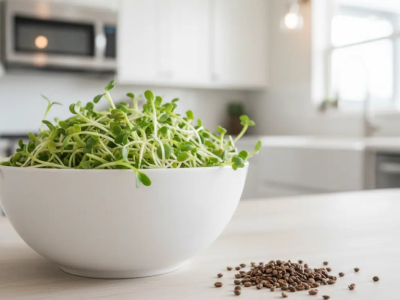
What is remarkable — and this is the exclusive angle we advocate at Biovie — is that the 3 to 4-day-old sprouted broccoli seeds contain, according to the same study by Fahey et al. [7], up to 100 times more sulforaphane than mature broccoli. Specifically: one tablespoon of organic broccoli sprouts provides as much sulforaphane as 1.4 kg of cooked broccoli. This completely changes the approach to functional nutrition. To learn more, read our full article on the Broccoli sprouts and sulforaphane.
€121.80
Organic Broccoli Seeds
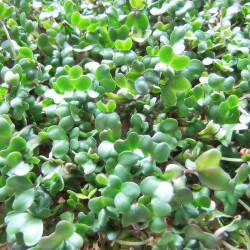
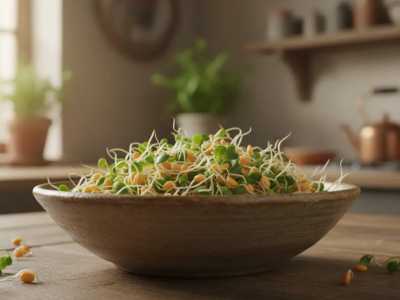
A crucial point: sulforaphane is heat-sensitive. Cooking destroys the enzyme myrosinase necessary for its formation from precursor glucosinolates. This is precisely why raw or sprouted forms are to be preferred — and this is where living food truly makes sense. Our Complete guide on sprouted seeds explains how to easily grow them at home.
2. Spirulina and its phycocyanin — the anti-inflammatory of freshwater
Spirulina is a microalga that we often talk about on this blog, but rarely in the context of its specific interest in anti-inflammatory nutrition, yet well documented.
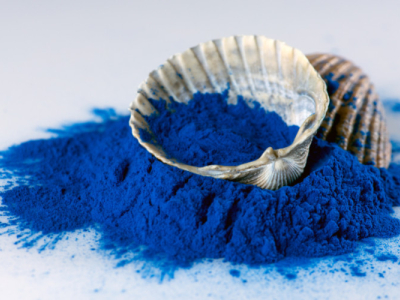
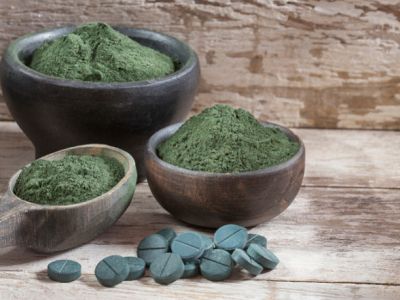
What interests us here is the phycocyanin — the blue pigment that gives spirulina its characteristic color and accounts for between 10 and 15% of its dry weight. Studies published in Current Protein & Peptide Science [8] show that phycocyanin helps inhibit certain pro-inflammatory enzymes, notably cyclooxygenase-2 (COX-2), and plays a role in protecting cells against oxidative stress through its action on free radicals.
Spirulina is also one of the most concentrated plant sources of Phycocyanobilin (PCB), a compound whose structure is analogous to biliverdin, an endogenous molecule with documented antioxidant properties. Its interest is not limited to its amino acids or its iron — it is its richness in bioactive pigments that makes it a superfood in its own right. We have dedicated a full article to the Phycocyanin made in France for those who wish to go further.
Specifically, a teaspoon (3 g) of high-quality organic spirulina in a morning smoothie constitutes an easily integrable daily dose. For all the ways to consume it, our article on how to consume spirulina will give you 6 practical ideas.
A varied and balanced diet and a healthy lifestyle are important; the beneficial effect of spirulina on inflammatory markers is achieved with regular consumption as part of an overall balanced diet.

3. Turmeric — Curcumin and the Modulation of the NF-κB Pathway
Here is a food that I have been hearing about since my beginnings in natural nutrition, and whose benefits are increasingly validated by science in a precise manner.
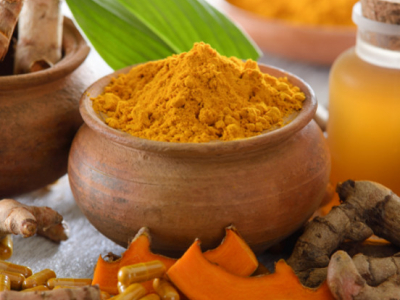
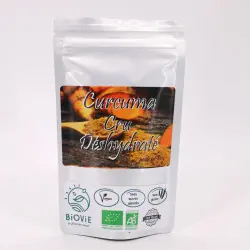
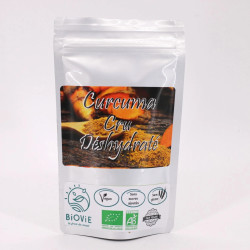
The Curcumin, the main polyphenol in turmeric, is the subject of more than 12,000 studies referenced on PubMed to date. The work of Dr. Bharat Aggarwal and his team [5] have shown that curcumin helps modulate the NF-κB pathway (nuclear factor kappa B), a central regulator of genes involved in chronic inflammation that is overactivated in many chronic diseases.
The historical problem with curcumin is its low bioavailability. When absorbed on its own, it largely passes through without being assimilated. However, when combined with piperine black pepper, its absorption is increased by 2000% according to a study published in Planta Medica [9]. This association turmeric-piperine is therefore not only traditional — it is the basis of Indian curry consumed for millennia — but also scientifically supported.
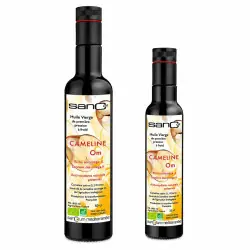
Specifically, I recommend consuming a daily dose of organic turmeric with a pinch of black pepper, in a fatty substance (camelina oil or olive oil also promote the absorption of curcuminoids), and at a moderate temperature to preserve its properties. Our article on how to consume turmeric offers you 5 ways to integrate it into daily life.
4. Berries and Red Fruits — Polyphenols and Their Role in Cellular Biology
Blueberries, raspberries, pomegranates, blackberries, blackcurrants, cherries... These fruits owe their intense color to their richness in Anthocyanins and resveratrol, two families of polyphenols among the most studied in functional nutrition.
Research on anti-angiogenic mechanisms [10] show that certain polyphenols present in berries help modulate abnormal cellular vascularization processes. Angiogenesis is the process by which tumors develop their own network of blood vessels — a mechanism essential for their growth beyond a certain size. This data, primarily from in vitro and in vivo studies in animals, provides serious mechanistic insights, although clinical studies in humans still need to confirm them on a larger scale.
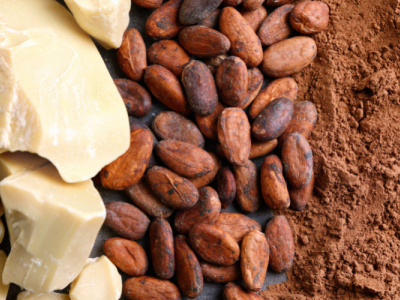
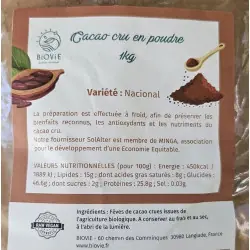
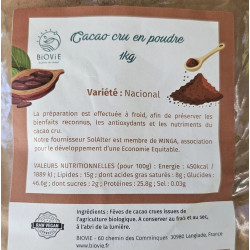
What few people know: the organic raw unroasted cacao contains twice as many flavanols as industrial 70% dark chocolate. High-temperature roasting, essential for the production of conventional chocolate, degrades between 60 and 80% of polyphenols. Raw cacao, processed cold, retains its full richness in catechins and epicatechins—a fundamental difference that we have been documenting for years at Biovie. To learn all about its benefits, check out our article on the organic raw cacao.
€9.90
Last items in stock
Organic raw cacao powder (Nacional variety)
Concentrated superfoods: why the form changes everything
This is a point I wish to develop because it is at the heart of Biovie's philosophy and it answers a question I am often asked: "Why not just eat more vegetables?"
The answer is simple: because the concentration of certain bioactive compounds in ordinary plant forms does not allow for reaching the doses documented in scientific studies, unless one consumes quantities that fall outside the scope of a realistic diet.
Some concrete examples:
- A serving of cooked broccoli provides about 10 to 20 mg of glucosinolates. One tablespoon of broccoli sprouts provides the equivalent of 1.4 kg. [7].
- Spirulina contains, gram for gram, 60 to 70% of complete bioavailable proteins — a concentration that no conventional plant food can match.
- Raw, unroasted cacao has an antioxidant capacity of about 40,000 to 50,000 ORAC/100g, compared to 5,000 to 8,000 for fresh blueberries.
Organic spirulina vs industrial spirulina: what makes all the difference
Not all spirulinas are created equal. Phycocyanin — the bioactive compound we are interested in — is fragile. Poorly dried or poorly packaged spirulina may have lost a significant portion of its potential. It is precisely for this reason that we have dedicated a full article to choosing a organic quality spirulina — the criteria are numerous and not always easy to identify at first glance.
Raw cacao vs industrial chocolate: 2 times more polyphenols
I emphasize this point because it perfectly illustrates the difference between a food and its industrially processed version. Adding 70% dark chocolate to your diet is a good thing. Adding raw organic unroasted cocoa is even better — with an equivalent concentration of polyphenols, you consume half as much to achieve the same intake.
"Products of great quality with an uncommon diversity. I find gems for my anti-inflammatory diet."
— Marion T., Trustpilot ⭐⭐⭐⭐⭐"I recommend Biovie for the quality of their products and their ethics. I have been consuming barley grass juice for years, as well as sprouting seeds and algae. I advise my clients as a naturopath."
— Amélie B., Google ⭐⭐⭐⭐⭐
Foods that promote chronic inflammation: what to reduce as a priority
Here is the less pleasant part, but I cannot ignore it.
The anti-inflammatory diet is not just a list of foods to add. It is also — and perhaps more importantly — a reduction of those that actively maintain systemic inflammation.
The IARC classification of processed meats: a signal that cannot be ignored
In 2015, the International Agency for Research on Cancer (IARC), an agency of the WHO, classified the processed meats — cold cuts, sausages, ham, bacon — in Group 1 carcinogens based on a review of more than 800 epidemiological studies [11]. It is the same category of scientific certainty as tobacco.
I take care not to over-interpret this classification. It pertains to the nature of the evidence, not the absolute risk per portion. Eating a ham and butter sandwich on Sunday is not equivalent to smoking a pack of cigarettes. However, the epidemiological signal is there, solid, confirmed by decades of research — and it deserves to be known and integrated into our daily choices.
Refined sugars and the Warburg effect: why abnormally growing cells love sugar
I mentioned the Warburg effect earlier. As a reminder: abnormally growing cells preferentially consume glucose through anaerobic glycolysis, even in the presence of oxygen. Research by INRAE and other research teams [12] show that a diet chronically high in refined sugars and with a high glycemic index promotes a chronic hyperinsulinemia — a state that, through the increase of growth factors like IGF-1 (Insulin-like Growth Factor 1), creates an environment conducive to cellular proliferation.
This is not a reason to demonize every bit of sugar. It is a reason to distinguish natural slow sugars (found in whole fruits, legumes, whole grains) from added refined sugars — and to gradually shift our diet towards the former.
Foods to reduce as a priority
Here are the categories for which the evidence of a link with chronic inflammation is the most robust:
- Processed meats (cold cuts, sausages, smoked ham, bacon)
- Ultra-processed foods rich in additives, emulsifiers, and hydrogenated palm oils
- Added sugars and sugary drinks (sodas, industrial fruit juices, candies)
- Refined vegetable oils rich in omega-6 (sunflower, corn, soybean) consumed in excess without a counterbalance of omega-3 — the omega-6/omega-3 imbalance is one of the most documented markers of systemic inflammation.
- Alcohol, classified as a Group 1 carcinogen by the IARC, with no established safe consumption threshold [11]
- White flours and refined grains with a high glycemic index
Anti-inflammatory diet and type 2 diabetes: two sides of the same battle
This link between cancer and diabetes has long seemed to me like a clinical intuition from the field. It is now solidly documented.
Insulin, the biological link between cancer and diabetes
According to several large meta-analyses, individuals with type 2 diabetes have an increased risk of developing certain cancers—colorectal, pancreatic, liver, and post-menopausal breast cancer. The central mechanism involves thechronic hyperinsulinemia and the increase of IGF-1, which stimulates signaling pathways promoting cell proliferation [3][12].
This biological link is valuable because it tells us something important: the dietary strategies that help control blood sugar levels and reduce hyperinsulinemia are the same as those that modulate the cellular environment. Therefore, an anti-inflammatory diet is not just a niche for "biohackers" — it is an approach that simultaneously addresses several of the most pressing public health issues of our time.
What large epidemiological studies say
The PREDIMED-Plus study [13], updated in 2025, followed more than 7,000 participants at high cardiovascular risk for 6 years. It shows that a Mediterranean diet enriched with extra virgin olive oil, nuts, legumes, fatty fish, and cruciferous vegetables significantly reduces circulating inflammatory markers (CRP, IL-6) compared to a standard Western diet.
The Adventist Health Study 2, involving 79,468 participants [15], on the other hand, shows a reduction of 12 to 24% in cancer risk among vegetarians and vegans compared to omnivores — an association linked to a lower overall dietary inflammatory index.
These converging data paint a coherent picture: the anti-inflammatory diet is not a marginal theory. It is a direction validated by decades of nutritional epidemiology.
"Since discovering BioVie and living foods, my health has transformed. I feel lighter and more energetic."
— Siegfried R., Trustpilot ⭐⭐⭐⭐⭐"It has been 10 years since I began reclaiming my healthy lifestyle. The existence of Biovie is a blessing for anyone concerned about their health."
— Jonathan T., Google ⭐⭐⭐⭐⭐
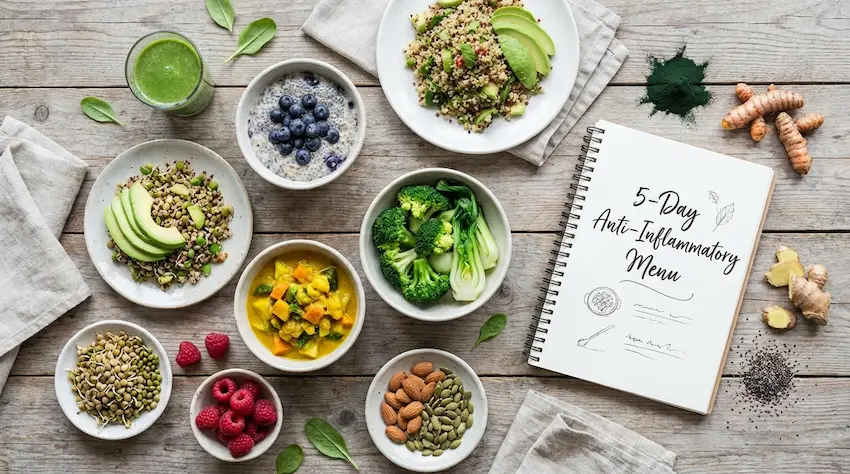
5-day menu featuring anti-inflammatory superfoods
I am often asked: "Practically, how is it done?" This is what I call the practical approach — the one we live by at home and have always shared at Biovie.
Example of a typical 5-day menu (mix of raw and cooked):
Day 1
- Breakfast: green smoothie (banana, fresh spinach, 1 c.c. organic spirulina, plant-based milk, 1 c.s. organic sprouted broccoli seeds added after blending)
- Lunch: soaked and sprouted coral lentil salad, colorful raw vegetables, turmeric-black pepper-organic camelina oil vinaigrette
- Dinner: cruciferous vegetable stir-fry (bok choy, lightly steamed broccoli), semi-brown rice, herb-marinated tofu
Day 2
- Breakfast: tiger nut flake porridge, fresh or frozen blueberries, 1 c.s. Organic raw cacao, chia seeds
- Lunch: miso soup with wakame seaweed, sprouted lentil salad, avocado
- Dinner: vegetable curry with fresh turmeric (chickpeas, sweet potato, coconut milk, generously seasoned with black pepper)
Day 3
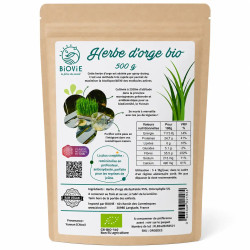
- Fresh green juice (apple, celery stalk, fresh ginger, lemon, 1 c.c. barley grass powder
€17.90
Organic barley grass powder
- Lunch: quinoa bowl, avocado, roasted peppers, pumpkin seeds, tahini-lemon sauce
- Dinner: warm green bean salad, Brazil nuts, fresh raspberries, walnut-balsamic vinaigrette
Day 4
- Breakfast: fermented plant-based yogurt, homemade apple-cinnamon compote, 1 c.c. Organic spirulina, handful of red fruits
- Lunch: fresh tomato gazpacho, Essene bread (sprouted grain bread), homemade herb tapenade
- Dinner: grilled mackerel with aromatic herbs (excellent source of omega-3), steamed vegetables, sweet potato puree
Day 5
- Breakfast: Muesli with raw, unroasted cocoa, plant-based milk, fresh or frozen raspberries
- Lunch: generous salad of broccoli sprouts, avocado, nuts, lemon, camelina oil
- Dinner: Provençal ratatouille, roasted chickpeas with spices, glass of water with 1 c.c. barley grass powder
How to start gradually, without changing everything at once
I know that looking at this type of menu may seem far from some current eating habits. That's why I always recommend a gradual approach, without guilt:
- Week 1 : Simply add a teaspoon of organic spirulina to your morning smoothie or juice. Replace your usual cooking oil with an oil rich in omega-3 (camelina or flaxseed for seasoning, olive for cooking).
- Week 2 Incorporate cruciferous vegetables three times a week and try broccoli sprouts on your salads and yogurts. Their taste is subtle, slightly spicy, and their texture is pleasant.
- Week 3 : Replace white sugar with alternatives that have a more moderate glycemic index (coconut sugar, dates, agave syrup) and reduce ultra-processed products.
- Week 4 : Add turmeric and black pepper (at the end of cooking for cooked dishes) to your daily meals and explore an initial protocol of intermittent fasting 16:8 — it is one of the simplest ways to activate the natural mechanisms of cellular regeneration.
Living food and the enzymatic approach — the Biovie philosophy
It is an angle unique to us at Biovie, and one that I am eager to share with you.
Since the creation of our company in 2007, we have been advocating a concept that we call theliving food : the consumption of foods that have not been subjected to temperatures above 42°C, thus preserving their enzymes, heat-sensitive vitamins, and intact bioactive compounds. This is an ancient principle that modern biochemistry now confirms and documents. We have dedicated an in-depth article to it on Living food, its principles and benefits.
The role of dietary enzymes in supporting elimination functions
The dietary enzymes present in raw, sprouted, or fermented foods contribute to digestion and support the body's enzymatic work. This principle forms the basis of enzymatic cleansing protocols like the ZenCleanz ONE cleanse: supporting the body's natural elimination functions*, creating a more balanced cellular environment, and preparing the body to fully assimilate the dietary changes that follow.
A well-conducted enzymatic cleansing protocol can be an excellent starting point before undertaking a profound dietary change. To choose the ZenCleanz kit suitable for your situation, our article on ONE and FLOW: which ZenCleanz kit to choose will guide you step by step.
A varied and balanced diet, along with a healthy lifestyle, are important for supporting the body's natural functions.
Activate autophagy naturally through diet and fasting
Autophagy — this cellular recycling mechanism awarded the Nobel Prize in Medicine in 2016 [4] — is naturally stimulated by fasting. Further research following Ohsumi's work confirms that autophagy plays a role in the elimination of damaged cellular components and in maintaining cellular health.
Specifically, a fasting period of 16 hours (dinner at 8 PM, first meal at 12 PM the next day) is sufficient to initiate autophagic processes in most people. Combined with a Anti-inflammatory diet Rich in polyphenols and low in refined sugars, this simple protocol supports the body's natural mechanisms for cellular renewal.
Frequently Asked Questions
Which foods play the most well-documented role in modulating chronic inflammation ?
Cruciferous vegetables and their sprouts (for sulforaphane), spirulina for its phycocyanin, turmeric combined with black pepper for curcumin and piperine, and red berries for their polyphenols are among the foods whose anti-inflammatory mechanisms of action are the most scientifically documented to date.
What is the link between sugar and cancer according to science ?
Abnormal growth cells preferentially consume glucose through anaerobic glycolysis — this is the "Warburg effect," identified as early as the 1930s. [3]. A diet chronically high in refined sugars promotes hyperinsulinemia and increased IGF-1, two factors associated in the scientific literature with a cellular environment more conducive to proliferation.
Is a vegetarian or vegan diet associated with a lower risk of cancer ?
The Adventist Health Study 2, involving 79,468 participants [15], shows a reduction of 12 to 24% in cancer risk among vegetarians and vegans compared to omnivores. This association is linked to a higher intake of fiber, phytonutrients, and plant antioxidants, and to a lower overall dietary inflammatory index.
How to activate autophagy naturally ?
Intermittent fasting (minimum of 16 hours), regular physical activity of moderate intensity, and an anti-inflammatory diet low in refined sugars are the most well-documented strategies to support the activation of autophagy, the cellular renewal mechanism that was awarded the Nobel Prize in Medicine in 2016.
Why are broccoli sprouts superior to mature broccoli for sulforaphane ?
According to the work of Fahey, Zhang, and Talalay [7], Broccoli sprouts aged 3 to 4 days contain up to 100 times more sulforaphane than mature broccoli. This exceptional concentration ratio makes sprouts the most effective dietary source of sulforaphane gram for gram.
Can we talk about "anti-cancer foods" ?
No, in the sense that no single food can prevent or treat a cancerous condition on its own. However, science identifies dietary compounds that, as part of an overall balanced and anti-inflammatory diet, help modulate biological mechanisms related to chronic inflammation, oxidative stress, and cell proliferation. This nuance is important.
How long does it take to observe the effects of an anti-inflammatory dietary change ?
Biomarkers of inflammation (CRP, interleukins) can begin to change within 4 to 8 weeks with a significant dietary change. The functional benefits experienced — energy, sleep quality, digestion — are often noticeable within the first two to three weeks.
Conclusion
In summary, I realize that this article is dense — and I thank you for reading it up to this point. It's a topic that deserves this density because it touches on something essential: our ability to act, concretely, on our biological terrain.
I do not promise you that consuming sprouted broccoli seeds and organic spirulina will protect you from any chronic disease. No one can promise you that — and those who do are lying to you.
What science shows, on the other hand, with an increasingly strong convergence of evidence, is that theAnti-inflammatory diet is one of the most accessible and least expensive levers to influence our biological terrain.
Every food choice you make, every day, contributes in one way or another to modulating the biological conditions in which your cells live. And that is in your hands.
If you don't know where to start, begin with organic broccoli sprouts — the most concentrated source of sulforaphane available commercially, and probably the most underrated superfood of the past twenty years. A tablespoon in the morning on your salad or in your smoothie. Simple, accessible, documented. Sprout them together with alfalfa or clover, it's the easiest.
⚠️ A varied and balanced diet and a healthy lifestyle are important for health. The information contained in this article is educational and documentary in nature; it does not constitute medical advice, a diagnosis, or a therapeutic prescription. In the case of a diagnosed or suspected condition, consult your doctor or healthcare professional.
Bibliography
- ARC Foundation for Cancer Research. General statistics on cancer in France. foundation-arc.org
- Aggarwal BB et al. Inflammation and cancer: how strong is the link? Biochemical Pharmacology. 2006;72(11):1605-21.
- Vander Heiden MG et al. Comprendre l'effet Warburg. Science. 2009;324(5930):1029-1033.
- Ohsumi Y. Molecular mechanisms of autophagy in yeast. Nobel Lecture. 2016.
- Aggarwal BB, Sethi G et al. Cibler les voies de signalisation cellulaire pour la découverte de médicaments. Journal of Cellular Biochemistry. 2007;102(3):580-592.
- Béliveau R, Gingras D. Foods against cancer. Marabout Editions, 2005, reissued in 2016.
- Fahey JW, Zhang Y, Talalay P. Broccoli sprouts: an exceptionally rich source of inducers of enzymes that protect against chemical carcinogens. PNAS. 1997;94(19):10367-10372.
- Romay Ch et al. C-phycocyanin: a biliprotein with antioxidant, anti-inflammatory, and neuroprotective effects. Current Protein & Peptide Science. 2003;4(3):207-216.
- Shoba G et al. Influence of piperine on the pharmacokinetics of curcumin. Planta Medica. 1998;64(4):353-356.
- Li WW et al. Tumor angiogenesis as a target for dietary cancer prevention. Journal of Oncology. 2012;2012:879623.
- Bouvard V et al. Carcinogenicity of consumption of red and processed meat. The Lancet Oncology. 2015;16(16):1599-1600.
- Cordain L et al. Origines et évolution du régime alimentaire occidental. American Journal of Clinical Nutrition. 2005;81(2):341-354.
- Salas-Salvadó J et al. PREDIMED-Plus trial. Diabetes Care. 2019;42(5):777-788. Updated data 2025.
- High Authority of Health (HAS). Medication strategy for glycemic control in type 2 diabetes. Update 2024.
- Orlich MJ et al. Vegetarian dietary patterns and mortality in Adventist Health Study 2. JAMA Internal Medicine. 2013;173(13):1230-1238.
Update: March 2026. Article approved by Éric Viard, founder of Biovie and engineer ISTOM, co-author of " Seaweed in everyday life "(Gallimard, 2024) — elected" Best cookbook in the world, Gourmand Cookbook Awards 2025 — elected Best cookbook in France, National Academy of Cuisine 2025.