



Summary
There is a superfood that, frankly, impresses me more and more each year as scientific studies accumulate: the sprouted broccoli seeds.
Why this enthusiasm? Because it is not just a passing trend. More than 3,000 scientific studies have been published on the Sulforaphane, this extraordinary compound found in cruciferous vegetables. And what the researchers have discovered is truly remarkable.
With Aurélie, we are sprouting our own organic broccoli seeds For years, mixed with alfalfa seeds, otherwise, the root mat becomes inextricable. It has become a reflex, like soaking our almonds or preparing our green juices. And concretely, when we understand what happens in these little seeds during germination, we realize how well nature is made.
Why do broccoli sprouts contain 100 times more sulforaphane ?
The sprouted broccoli seeds contain up to 100 times more glucoraphanin (the precursor of sulforaphane) than mature broccoli. This exceptional concentration is explained by the enzymatic peak that occurs between the 3rd and 5th day of germination, a period during which the young sprout mobilizes all its natural defenses to protect itself. It is precisely at this moment that the content of protective compounds reaches its maximum.
Here is the short answer. But to truly understand why this little miracle occurs, we need to look at what happens inside the seed.
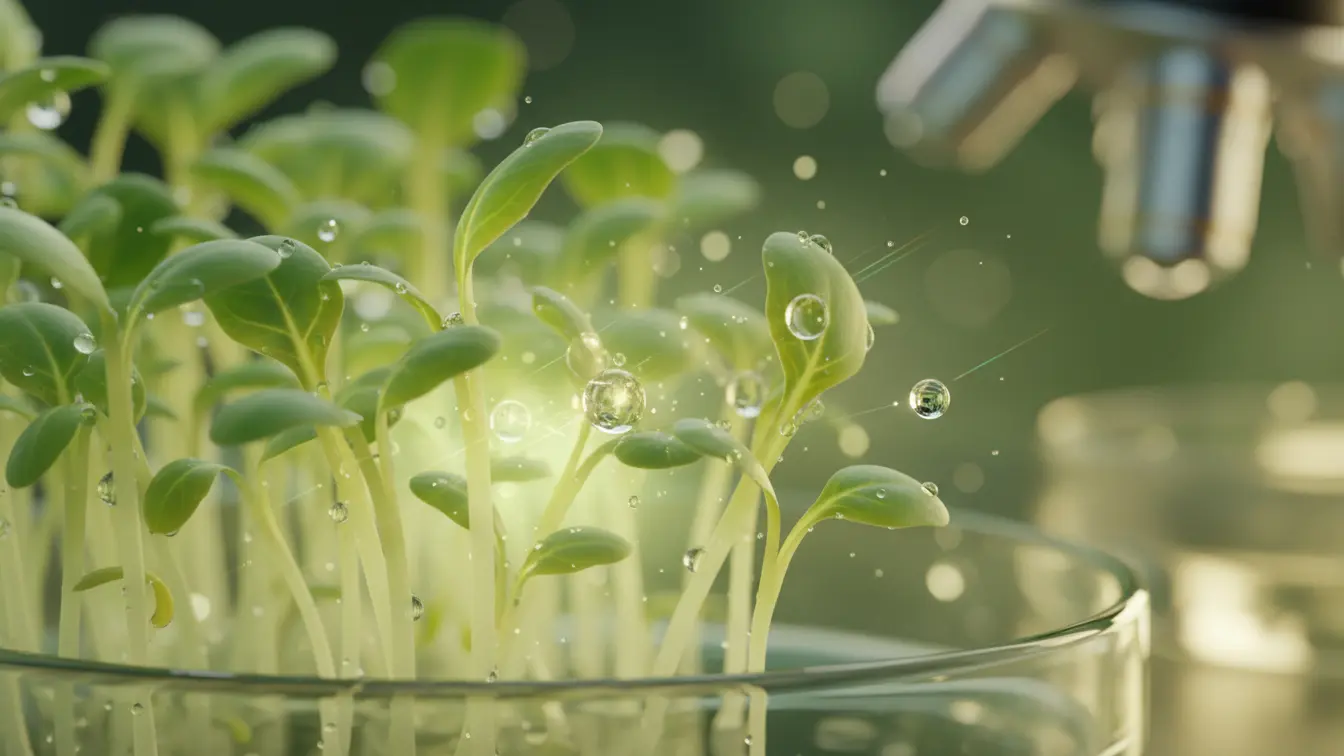
The Fascinating Mechanism: From Glucoraphanin to Sulforaphane
To fully understand the interest of the sprouted broccoli seeds, First, it is necessary to understand a rather elegant biological mechanism. Sulforaphane does not exist directly in the plant. In fact, it is a compound that forms when the plant tissues are bitten, chewed, or crushed.
How does it work concretely ?
In the broccoli seed, there are two elements found in separate distinct cellular compartments:
- Glucoraphanin : it is the precursor, a "storage" molecule that belongs to the glucosinolate family. It is present in quantities 100 times higher in sprouted seeds compared to mature broccoli.
- Myrosinase : it is the enzyme that will convert glucoraphanin into active sulforaphane. Without this enzyme, no conversion is possible.
These two compounds are naturally separated in the plant's cells. It's a very clever defense strategy: when an insect or herbivore bites into the plant, the cell walls break, the two compounds come into contact, and voilà! The Sulforaphane forms instantly. It's a bit like those glow sticks that you break to activate: as long as the two compartments are separated, nothing happens. As soon as they mix, the reaction starts.
Why does germination multiply the concentration by 100 ?
This is where things get really interesting. During germination, the broccoli seed undergoes a period of intense metabolic activity. It must:
- Protecting oneself from soil-borne pathogens
- Repel insects and microorganisms
- Quickly develop its defenses before being able to produce leaves for photosynthesis
To face these challenges, the young sprout massively concentrates its protective compounds. It's a matter of survival. A germinating seed is vulnerable; it does not yet have a developed immune system, nor leaves to reach for the light. Its only weapon: defensive chemistry.
Between the 3rd and 5th day of germination, there is a peak in enzymatic activity. Myrosinase is at its maximum level, and glucoraphanin reaches remarkable concentrations. This is precisely the optimal window to harvest your sprouts.
An exceptional bioavailability
Another important point: clinical studies show that the Sulforaphane derived from sprouted seeds has a bioavailability of about 82%. This means that your body actually absorbs and uses more than 8 out of 10 molecules. This is a remarkably high rate compared to many nutrients.
This high bioavailability is explained by the simultaneous presence of glucoraphanin AND active myrosinase in fresh sprouts. When you chew your sprouted broccoli seeds, the conversion takes place directly in your mouth and stomach, in an optimal manner.
In comparison, in cooked broccoli, myrosinase is destroyed by heat. There is still glucoraphanin present, but without the enzyme to convert it, your body has to rely on its own gut flora to do the work. And this conversion is much less efficient, only about 10 to 20%.
What scientific research says
The Sulforaphane has been the subject of considerable scientific attention since the pioneering work of Professor Paul Talalay at Johns Hopkins University in the 1990s. He was the one who highlighted the extraordinary potential of this compound.
Since then, publications have multiplied. Today, there are over 3,000 scientific studies referenced on PubMed concerning sulforaphane. These studies explore its action in several areas:
- Cellular detoxification through the activation of the Nrf2 pathway
- Protection of cells against oxidative stress
- Support for natural liver functions
- The contribution to the normal functioning of the immune system
- Maintaining the body's inflammatory balance
What makes sulforaphane particularly interesting to researchers is its ability to activate phase II detoxification enzymes in our cells. Specifically, this means that it contributes to the normal functioning of cellular "cleaning" systems.
Dr. Rhonda Patrick, an American researcher specializing in aging and nutrition, has significantly contributed to raising public awareness of this research. She recommends a daily intake of 30 to 60 grams of fresh broccoli sprouts to benefit from a significant amount of sulforaphane.
The benefits of sulforaphane for your body
Now that you understand the mechanism, let's focus on the concrete benefits that the Sulforaphane can bring to your organization. And frankly, the list is impressive.
Support for natural detoxification functions
Sulforaphane is known to activate the Nrf2 pathway, a fundamental cellular mechanism. This pathway controls the expression of more than 200 genes involved in cellular protection. In practical terms, this means that sulforaphane contributes to the normal functioning of the body's elimination systems.
Our liver, kidneys, and skin work continuously to eliminate substances that our body does not need. Sulforaphane supports these natural elimination functions. This is why we often recommend the sprouted broccoli seeds in our liver support protocols, in addition to our supportive detoxification treatments.
Cellular protection against oxidative stress
Our cells are daily exposed to free radicals, these unstable molecules that can damage our cellular structures. The Sulforaphane contributes to the protection of cells against this oxidative stress by stimulating our own antioxidant defenses.
What is remarkable is that sulforaphane does not itself play the role of a direct antioxidant. Instead, it acts as a "coach" that boosts our own defense capabilities. The effects are therefore more lasting than with a conventional antioxidant.
Contribution to inflammatory balance
Low-grade chronic inflammation is now considered a factor involved in many imbalances. Sulforaphane helps maintain the body's normal inflammatory balance by modulating certain cellular signaling pathways.
For my part, I have noticed that since we regularly consume broccoli sprouts With Aurélie, we generally feel more in shape, especially during the seasonal changes.
Support for the normal functioning of the immune system
Cruciferous vegetables in general, and the sprouted broccoli seeds In particular, they contain compounds that contribute to the normal functioning of the immune system. Sulforaphane supports this action by promoting the normal activity of immune cells.
Raw or cooked broccoli: what impact on sulforaphane ?
This is a question we are often asked: is it better to eat broccoli raw or cooked to benefit from the Sulforaphane ?The answer is not as simple as one might think.
The problem of cooking
As I explained above, sulforaphane is formed through the action of myrosinase on glucoraphanin. However, this enzyme is sensitive to heat. Beyond 60°C, it begins to degrade, and beyond 100°C, it is completely inactive.
Concretely, this means that:
- Boiled broccoli : Very little sulforaphane formed (myrosinase destroyed)
- Lightly steamed broccoli (2-3 min) : Partial conversion possible
- Raw or very lightly blanched broccoli : Optimal conversion
The sprouted seeds trick
That's where the sprouted broccoli seeds make perfect sense. By consuming them raw, you benefit from the optimal conversion of sulforaphane. And with a concentration 100 times higher than mature broccoli, even a small daily amount provides a significant intake.
The 30 to 60 grams of sprouts recommended by Dr. Rhonda Patrick are equivalent to several kilograms of cooked broccoli in terms of bioavailable sulforaphane. It's incomparable.
A tip if you prefer cooked broccoli
For those who still prefer cooked broccoli (and I understand them, it's delicious in a gratin!), there is a trick: add a few sprouted broccoli seeds Sprinkle over your dish when serving. The myrosinase from the fresh sprouts can convert the remaining glucoraphanin in the cooked broccoli. Clever, isn't it ?
Our organic broccoli seeds for sprouting
At Biovie, we offer organic broccoli seeds specially selected for germination. These are certified organic seeds, untreated, with an optimal germination rate.
We offer them in different packaging to suit your needs:
- Organic broccoli seeds for sprouting - 150g : ideal for discovering or for occasional consumption
- Organic broccoli sprouting seeds - 500g : the economical format for regular consumption
We have selected these seeds for their exceptional germination quality and optimal glucoraphanin content. They come from European organic farming, with complete traceability.
Why choose our seeds ?
- Organic certification : Controlled by Ecocert, like all our organic products
- Freshness guaranteed : Regular rotation of stocks for optimal germination
- High germination rate : Tested at over 95%
- Without treatment : No chemicals, safe for sprout consumption
And as always at Biovie, we are the first users of our products. We have been sprouting these seeds at home every week for years.
Frequently Asked Questions About Broccoli Sprouts
How many broccoli sprouts should be consumed per day ?
Scientific research suggests a daily consumption of 30 to 60 grams of fresh sprouts to benefit from a significant intake of sulforaphane. This corresponds to about a good handful of sprouts. You can add them to your salads, sandwiches, bowls, or simply snack on them plain.
What is the difference between broccoli sprouts and broccoli shoots ?
The terms are often used interchangeably, but technically, the "sprouted seeds" refer to the very early stage (2-3 days, when the germ appears), while "sprouts" correspond to a slightly more advanced stage (4-7 days, with leaves). For sulforaphane, the peak occurs between the 3rd and 5th day, thus straddling these two stages.
Are sprouted broccoli seeds safe during pregnancy ?
The sprouted seeds In general, they require special attention during pregnancy due to the potential risk of bacterial contamination (salmonella, listeria). If you are pregnant, consult your doctor or midwife before consuming raw sprouts. An alternative may be to blanch them very lightly (30 seconds in boiling water) to reduce this risk, although this also decreases the sulforaphane content.
How to store sprouted broccoli seeds ?
Once harvested, store your broccoli sprouts In the refrigerator in a ventilated container (not airtight). They can be kept for 5 to 7 days in good conditions. Avoid washing them before storing; prefer to rinse them just before consumption to prolong their freshness.
Does sulforaphane have any side effects ?
The Sulforaphane Food derived from cruciferous vegetables is generally well tolerated. Some individuals sensitive to cruciferous vegetables may experience bloating or gas, especially at first. Start with small amounts and gradually increase. If you have thyroid issues, consult your doctor as cruciferous vegetables contain goitrogens that can interact with thyroid function.
Can other cruciferous vegetables be sprouted for sulforaphane ?
Yes, other cruciferous vegetables also contain glucoraphanin and myrosinase: cabbage, cauliflower, kale, radish... However, the broccoli seeds remain the champions in terms of concentration. Radish seeds are also very interesting and add a spicy note to the sprouts. We also offer a sprouting seed mix which combines several cruciferous vegetables to vary the pleasures.
In summary
The sprouted broccoli seeds represent a truly exceptional opportunity to naturally enrich your diet with sulforaphane. With their concentration 100 times higher than mature broccoli, their remarkable bioavailability of 82%, and the simplicity of home germination, they fully deserve their place in a living and balanced diet.
For over 18 years, as we have been promoting living food at Biovie, we have seen many nutritional trends come and go. But the sprouted broccoli seeds, They are here to stay. The more than 3000 scientific studies published on sulforaphane attest to this: we are only at the beginning of understanding all the benefits of this remarkable compound.
So if you have never tried sprouting your own seeds, go for it! It's simple, economical, and the results are truly rewarding. Once you try it, you'll be hooked !
A varied and balanced diet and a healthy lifestyle are important to fully benefit from the nutritional contributions of food.
How to sprout your broccoli seeds at home
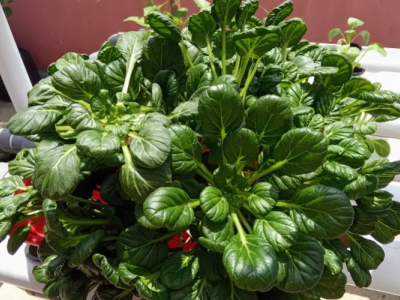
The germination of organic broccoli seeds is truly within everyone's reach. No need for sophisticated equipment to start, although a good sprouter greatly facilitates things on a daily basis.
The simple jar method
Here is the step-by-step process for sprouting your broccoli seeds:
Why an automatic sprouter changes everything
With Aurélie, we have tested all possible methods over the years. And clearly, investing in an automatic sprouter has transformed our daily life. No need to think about rinsing anymore, the sprouter takes care of it on its own.
Our Easygreen sprouter allows you to germinate several varieties at the same time: broccoli, alfalfa, radish, sunflower... It's really convenient to always have fresh sprouts available. And since the launch of our Easygreen Sol, the only low-tech sprouter that works without electricity for a week, we have a solution even for power outages or vacations.
Tips for successful germination
Here are some tips from our experience: