Fast delivery
.png)
 Fair prices


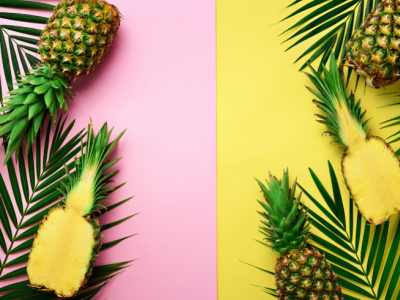

Pineapple packs a remarkable nutritional profile into its 49 kcal per 100 grams: bromelain, vitamin C, manganese, fiber, potassium, and antioxidants. This tropical fruit from the bromeliad family helps support digestion, maintain normal blood pressure, protect cells against oxidative stress, and contribute to normal bone formation—effects documented by scientific research and regulated by European regulation EC 1924/2006. Discover here its 10 health benefits, sourced nutritional values, precautions to be aware of, and a delicious recipe to enjoy it daily.
Updated in March 2026 — By Éric Viard, tropical agronomist engineer (ISTOM), founder of Biovie
What is the origin and history of the pineapple ?
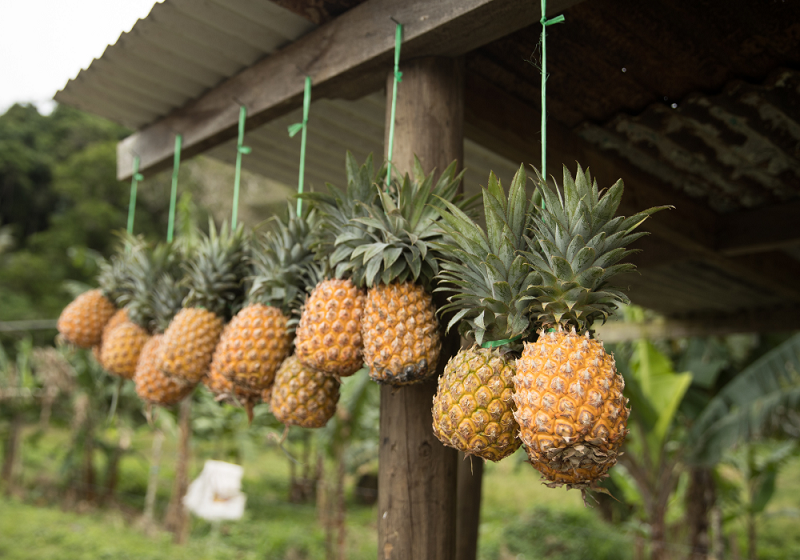
The pineapple originates from South America - specifically from the tropical regions of Central America, southern Brazil, and Paraguay. It was the indigenous peoples who consumed it first, long before Christopher Columbus discovered it in 1493 during his second voyage to the Americas. Frankly, one must imagine the surprise of the European explorers when faced with this fruit shaped like a giant grenade topped with a crown of leaves. They had never seen anything like it.
The European explorers and settlers then introduced it to Africa, Asia, and all tropical regions, where the climate was suitable for its growth. In Europe, its cultivation remained labor-intensive and required heated greenhouses, making it a symbol of wealth and hospitality. Hosts would place it at the entrance of their homes to signify they were ready to receive guests. This is a fruit that has always had a certain prestige. Today, Costa Rica, the Philippines, and Brazil are among the world's top producers according to FAO data.
What are the nutritional values of pineapple ?
Here are the nutritional values for 100 grams of fresh pineapple, according to the official nutritional composition table. Anses-Ciqual — reference source for food composition in France:
- Calories: approximately 49 kcal
- Carbohydrates: approximately 13 g sugars ~9 g
- Dietary fibers: approximately 1.4 g
- Proteins: approximately 0.5 g
- Lipids: approximately 0.1 g
- Vitamin C: approximately 47 mg (which is ~60% of the recommended daily intake)
- Manganese: approximately 0.9 mg — very interesting contribution
- Magnesium: approximately 15 mg
- Vitamin B1 (thiamine), B6, and B9 (folates) in notable quantities
Source: Anses-Ciqual 2020 — ciqual.anses.fr
A single figure sums up the appeal of this fruit: 47 mg of vitamin C per 100 grams. This is comparable to an orange, with the added bonus of bromelain and a rare manganese content in common fruits.
What are the 10 benefits and virtues of pineapple ?
The pineapple owes most of its properties to a unique proteolytic enzyme: the bromelain. But reducing this fruit to just its enzyme would be missing something. Vitamin C, manganese, fiber, potassium—each contributes to a nutritional profile that I have rarely seen as complete in such a tasty fruit. Specifically, here are 10 documented benefits, reformulated in strict compliance with the European regulation EC 1924/2006 on health claims.
- Digestive support — the action of bromelain
Bromelain is a proteolytic enzyme that aids in the digestion of dietary proteins and the absorption of nutrients in the digestive tract. Available research on PubMed document its digestive enzymatic activity (Maurer, 2001 — see references). The fibers present in pineapple also promote regular intestinal transit. To learn more: how to promote better digestion. - Natural anti-inflammatory properties
This is probably the most studied benefit. Bromelain has recognized anti-inflammatory properties in several scientific reviews, particularly for its action in cases of osteoarthritis and joint pain (Rathnavelu et al., 2016). It can help relieve muscle and joint pain as part of a varied and balanced diet. Not a medication — but a serious nutritional ally. - Bone health and manganese
The manganese contained in pineapple contributes to the maintenance of normal bone formation — a health claim authorized by the European Commission (EC 1924/2006). It also plays a role in the formation of connective tissues and the synthesis of collagen. 100 grams of pineapple cover about 40% of the recommended daily intake of manganese. This is a mineral that is often overlooked and deserves attention. - Maintaining normal blood pressure
The potassium found in pineapple contributes to normal blood pressure, thanks to its vasodilatory effect and its role in electrolyte balance. This mechanism is well-documented by ANSES in its recommended nutritional intakes for the French population. - Weight management — satiety ally
With only 49 kcal per 100 grams, pineapple is one of the least caloric fruits — while being naturally sweet and satisfying. Its richness in fiber and water provides a feeling of fullness that helps to space out meals and limit snacking. It naturally fits into a balanced weight management approach. Our article on theLiving food and weight loss complete this topic. - Protection against oxidative stress
Pineapple is rich in antioxidants — vitamin C, flavonoids, and phenolic compounds. Vitamin C, in particular, helps protect cells against oxidative stress, in accordance with claims authorized by theEFSA. This is not a marketing formula: it is a measurable and documented chemical property. - Immune system support
Vitamin C contributes to the normal functioning of the immune system — a health claim officially recognized by the European Commission (EFSA-Q-2008-561). With approximately 47 mg of vitamin C per 100 grams, fresh pineapple is a valuable source, especially outside the citrus season. A glass of fresh pineapple juice covers a significant portion of the daily requirements. - Skin and collagen synthesis
Vitamin C plays an essential role in the normal synthesis of collagen, which is involved in the health of the skin, cartilage, and bones. Pineapple can thus help maintain skin elasticity—not in the sense of an anti-aging cream, but as a nutritional contribution that supports the normal biological processes of regeneration. - Specific benefits for women
This is an often underestimated aspect. The fibers and bromelain in pineapple aid digestion, which is frequently disrupted during the premenstrual period. Pineapple also has mild natural diuretic properties that can help combat water retention — a common discomfort for many women in the second half of their cycle. And of course, vitamin C contributes to healthy skin and collagen synthesis, providing daily benefits for women from pineapple. - Natural energy and B vitamins
The natural carbohydrates in pineapple (about 13 g per 100 g), combined with its vitamins B1 and B6, make it an ideal fruit for an energy boost during the day. Without the glycemic spikes and crashes of refined sugars. In practical terms: one or two slices of pineapple as a snack are much more nutritionally beneficial than a cereal bar.
Should you eat dried or fresh pineapple ?
Good question — and the answer really depends on what you are looking for. Because the three main forms (fresh, dried, freeze-dried) do not offer the same nutritional profile at all.
Fresh pineapple is the best option if the goal is to maximize the benefits of active bromelain and vitamin C. Hydrating, refreshing, and it's one of the few fruits that naturopathy readily recommends as a dessert after a protein-rich meal — precisely because its bromelain aids digestion. (Fresh ripe pineapple, not commercial juice, which has often lost most of its enzymatic activity.)
Dried pineapple concentrates sugars and fibers — a good appetite suppressant option, convenient on the go, but be careful: bromelain is largely destroyed by the heat of drying, and the carbohydrate content is significantly higher. Therefore, consume in moderation.
And freeze-dried pineapple? The Biovie solution
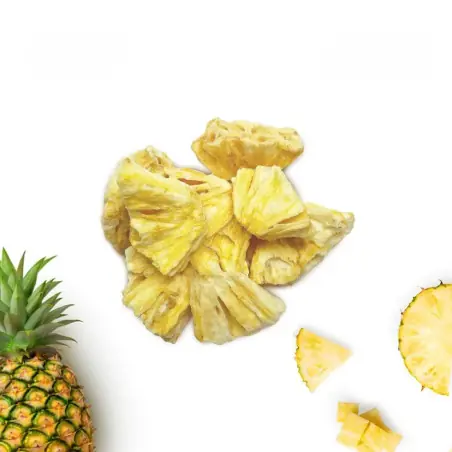
Freeze-drying is a process that involves freezing the pineapple and then dehydrating it under vacuum at very low temperatures. The result: up to 90% of the vitamins and enzymes are preserved, whereas traditional drying destroys a large part of them. Our freeze-dried pineapple is harvested at maturity in Thailand, which gives it a flavor that is both tangy and intense, a truly surprising crunchy texture for a dehydrated product, and maximum convenience: very light, long shelf life, no refrigeration needed.
To learn all about this preservation process: Benefits of freeze-dried fruits.
"Freeze-dried pineapples are excellent, although it's a premium product that disappears quickly!"
— Nialal, ★★★★★ on Trustpilot
In summary: for maximum nutritional benefits, choose fresh or freeze-dried pineapple. For a convenient and sweet snack, dried pineapple remains an option to be included in moderation in a balanced diet.
What are the dangers and contraindications of pineapple ?
Eating pineapple is safe for the vast majority of people, as long as you are aware of the limits. Here are the benefits and drawbacks of pineapple to know before consuming it regularly.
Risk of allergy: Some people may be allergic to pineapple. Symptoms — itching, swelling, skin rashes, breathing difficulties — appear quickly after consumption. In case of a reaction, stop immediately and consult a doctor.
Oral irritations: Bromelain is a proteolytic enzyme that breaks down proteins, including those present on the tongue and the oral mucosa. Hence the slight tingling sensations characteristic of fresh pineapple. Absolutely harmless, but sometimes uncomfortable. It disappears as soon as you finish eating.
Stomach acidity: Fresh pineapple is naturally acidic. People prone to heartburn or reflux should avoid consuming it on an empty stomach and stick to reasonable portions.
Sugar content: Approximately 9 g of natural sugars per 100 g. To be included in calculations for people with diabetes or those following a strict low-carb diet.
Pineapple contraindications during pregnancy: High doses of bromelain — in the form of concentrated supplements — are not recommended during the first trimester of pregnancy. The normal consumption of fresh pineapple in reasonable quantities poses no established risk for pregnant women, but if in doubt, the advice of your healthcare professional remains the reference.
Drug interactions: Bromelain can potentially amplify the effect of anticoagulants. If you are undergoing such treatment, talk to your doctor before consuming it in large quantities or in supplement form.
Does pineapple help with weight loss ?
Let's be direct: pineapple is not a "fat burner." This claim is misleading and does not correspond to any authorized claims under European regulations. However, its nutritional characteristics make it a relevant ally in a balanced weight management approach. With only 49 kcal per 100 grams, a high water content, and fibers that prolong satiety, pineapple naturally helps to space out meals and avoid cravings—without being a miracle food. Bromelain facilitates the digestion of proteins, optimizing the overall assimilation of nutrients. And the benefits of pineapple for weight loss also come from this: good digestion leads to a better-functioning metabolism. On the other hand, dried pineapple and industrial juices, often very sugary, should be approached with much more caution.
Should you eat pineapple in the evening or in the morning ?
As of today, there is no study robust enough to make a definitive conclusion. Chrononutrition is a rapidly developing field, but data specifically on pineapple remains limited. What is clear, however:
The morning, Pineapple provides a welcome natural energy boost thanks to its carbohydrates and B vitamins. Combined with proteins and healthy fats in a complete breakfast, it makes for a truly interesting start to the day.
The evening, It can prove to be a bit heavy for sensitive stomachs. It's better to consume it 2 to 3 hours before sleeping. (Not directly before falling asleep, especially if you have a history of reflux.) Its vitamin B6 contributes to the normal synthesis of melatonin, and its magnesium promotes muscle relaxation — so when consumed in moderation early in the evening, the benefits of pineapple at night can certainly be justified.
In practice: consume it when it pleases you and when your digestion tolerates it well. That's the best indicator.
Our delicious recipe with pineapple
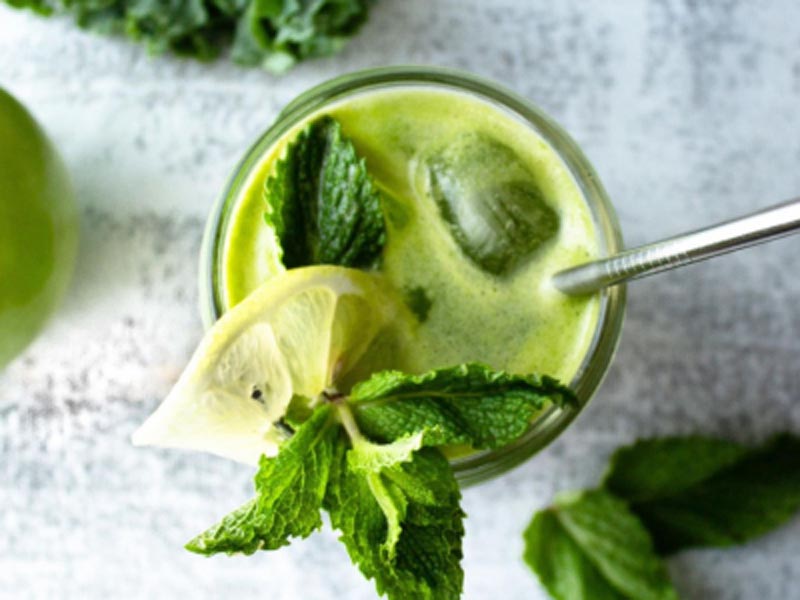
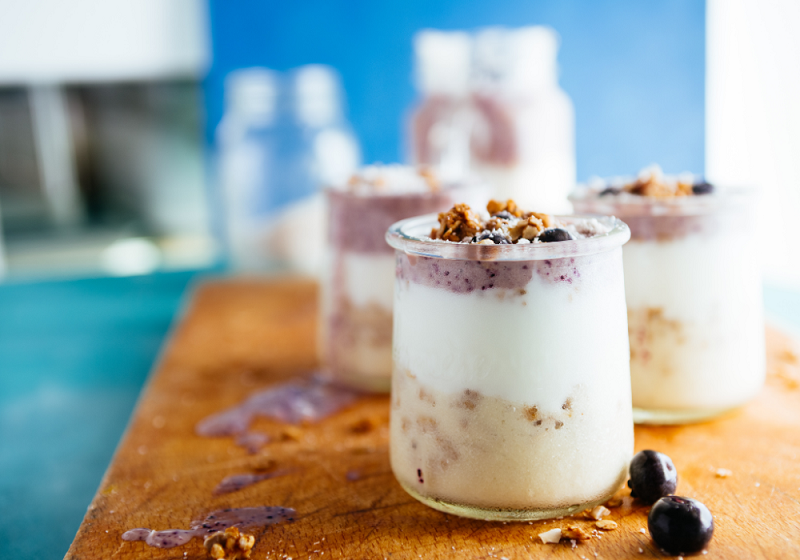
Here is our simple and delicious recipe: Perfect yogurt with freeze-dried pineapple and nuts. Quick to prepare, ideal as a healthy snack or a light dessert. And if you like to mix things up, also check out our Kale-Pineapple-Mint Juice Recipe — or the original pineapple sauerkraut for fermentation enthusiasts.
Ingredients:
- 1 cup of plain yogurt (plant-based or not, depending on your diet)
- 1/4 cup of freeze-dried pineapples
- 2 tablespoons of nuts cashew nuts, , almonds, pecans, etc.), crushed
- 1 tablespoon of honey or maple syrup (optional, for sweetening)
- 1 tablespoon of chia seeds or of flax seeds ground (optional, for fibers)
- A few fresh mint leaves for garnish (optional)
Preparation:
- In a glass or bowl, place a layer of plain yogurt.
- Add a layer of freeze-dried pineapple on top.
- Sprinkle the almonds or crushed cashew nuts.
- If you wish to sweeten it further, add a spoonful of honey or maple syrup.
- Sprinkle chia or flax seeds for texture and fiber.
- Garnish with a few fresh mint leaves.
- Repeat the layers according to the size of your container.
- Enjoy by taking a spoonful that captures all the layers.
Enjoy !
FAQ — Frequently Asked Questions about the Benefits of Pineapple
What are the 10 health benefits of pineapple ?
Pineapple helps support digestion (bromelain), reduce inflammation (bromelain properties documented on PubMed), maintain normal bone formation (manganese), maintain normal blood pressure (potassium), manage weight (fiber, low-calorie density), protect cells against oxidative stress (vitamin C and antioxidants), support the normal functioning of the immune system (vitamin C, EFSA), normal collagen synthesis for the skin, relieve certain digestive discomforts and water retention in women, and provide natural energy through carbohydrates and B vitamins. As part of a varied and balanced diet and a healthy lifestyle.
Is it good to eat pineapple every day ?
A daily consumption of fresh pineapple in reasonable quantities — one to two slices, or 100 to 150 g — is entirely compatible with a varied and balanced diet. Due to its natural sugar content (about 9 g per 100 g), individuals with diabetes or those following a very low-carbohydrate diet should adjust their portions in consultation with their healthcare professional.
Does pineapple cleanse the liver ?
No, pineapple does not "cleanse" the liver in the medical sense of the term — this claim is not authorized by European regulations. However, it can contribute indirectly: bromelain supports protein digestion (reducing liver load), and its fibers promote healthy transit, which limits the reabsorption of undesirable substances at the intestinal level. It is a nutritional support, not a therapeutic action.
What are the dangers and harms of pineapple ?
Pineapple can cause oral irritations due to bromelain (tingling on the tongue), allergic reactions in sensitive individuals, heartburn when consumed on an empty stomach, and an increase in blood sugar levels if consumed in excess. High doses of bromelain (concentrated supplements) are not recommended at the beginning of pregnancy. It can also interact with certain anticoagulants. In reasonable consumption, pineapple remains a safe fruit for the vast majority of healthy individuals.
What are the benefits of pineapple for women ?
Pineapple offers several particularly interesting benefits for women: its bromelain and fibers improve digestion, which is often disrupted during the premenstrual period. Its mild natural diuretic properties help combat water retention, which is common in the second half of the cycle. Vitamin C contributes to the normal synthesis of collagen, which is beneficial for skin health. Finally, its low caloric density (~49 kcal/100g) and high water content make it a natural ally for balanced weight management.
Is it better to eat pineapple in the morning or in the evening ?
There is no scientifically validated absolute rule. In the morning, pineapple provides natural energy thanks to its carbohydrates and B vitamins. In the evening, it helps prevent nighttime cravings, but it's better to consume it 2 to 3 hours before sleeping to avoid digestive discomfort in sensitive individuals. Its vitamin B6 contributes to the normal synthesis of melatonin, which can promote quality sleep as part of a balanced diet.
Scientific references
- Maurer, H.R. (2001). "Bromelain: biochemistry, pharmacology and medical use." Cell Mol Life Sci. 58(9):1234-45. (bibliographic review)
- Rathnavelu, V., et al. (2016). "Potential role of bromelain in clinical and therapeutic applications." Biomedical Reports. 5(3):283-288. (revue bibliographique)
- Anses-Ciqual (2020). Nutritional composition table of foods — Raw pineapple. ciqual.anses.fr
- EFSA Panel on Dietetic Products, Nutrition and Allergies (2009). "Scientific Opinion on the substantiation of health claims related to vitamin C." EFSA Journal. 7(9):1226. (scientific opinion — vitamin C and immunity claim)
Update: March 2026. Article approved by Éric Viard, founder of Biovie and engineer ISTOM, co-author of " Seaweed in everyday life "(Gallimard, 2024) —" Best cookbook in the world, Gourmand Cookbook Awards 2025, and Best cookbook in France, National Academy of Cuisine 2025.
Warning: The information presented in this article is provided for informational purposes only and does not constitute medical advice. Consult a qualified healthcare professional before making any changes to your diet or supplementation. As part of a varied and balanced diet and a healthy lifestyle.